Tag Archives: Extent

The “Rebound” in Arctic Sea Ice – 2025 Edition

World renowned climate scientist Roger Pielke Jr. has just published an interesting paper in the highly respected academic journal the New York Post. It is entitled:

Surprise! Ice is rebounding at BOTH poles — climate is more complex than we know

According to Roger’s op-ed:

When it comes to climate change, to invoke one of Al Gore’s favorite sayings, the biggest challenge is not what we don’t know, but what we know for sure but just isn’t so.

Two new studies show that the Earth’s climate is far more complex than often acknowledged, reminding us of the importance of pragmatic energy and climate policies.

One of them, led by researchers at China’s Tongji University, finds that after years of ice sheet decline, Antarctica has seen a “surprising shift”: a record-breaking accumulation of ice

Roger then heads for the far north, where he assures his learned readers that:

A second new paper, a preprint now going through peer review, finds a similar change at the opposite end of the planet.

“The loss of Arctic sea ice cover has undergone a pronounced slowdown over the past two decades, across all months of the year,” the paper’s US and UK authors write.

They suggest that the “pause” in Arctic sea ice decline could persist for several more decades.

Together, the two studies remind us that the global climate system remains unpredictable, defying simplistic expectations that change moves only in one direction.

I feel compelled to point out to Roger that apart from the fact that they both include the word “ice”, Arctic sea ice and the Antarctic ice sheet are approximately as similar as chalk and cheese.

Roger neglects to provide NY Post readers with a reference or helpful link to the preprint he is referring to. However luckily for my own reader(s) I have already done so. Hence I am able to quote the authors’ own words, which read as follows:

According to these climate model simulations, this pause in the loss of Arctic sea ice could plausibly continue for the next 5-10 years.

I have already emailed the authors of the preprint asking them to justify their use of the term “pause”. I’ll let you know what they have to say on the matter in due course. In the meantime I suggest that Dr. Pielke consults an English dictionary. In pseudo code:

"pause" != "rebound"

I also suggest that he directs Post readers to more recent activity of yours truly’s virtual pen:

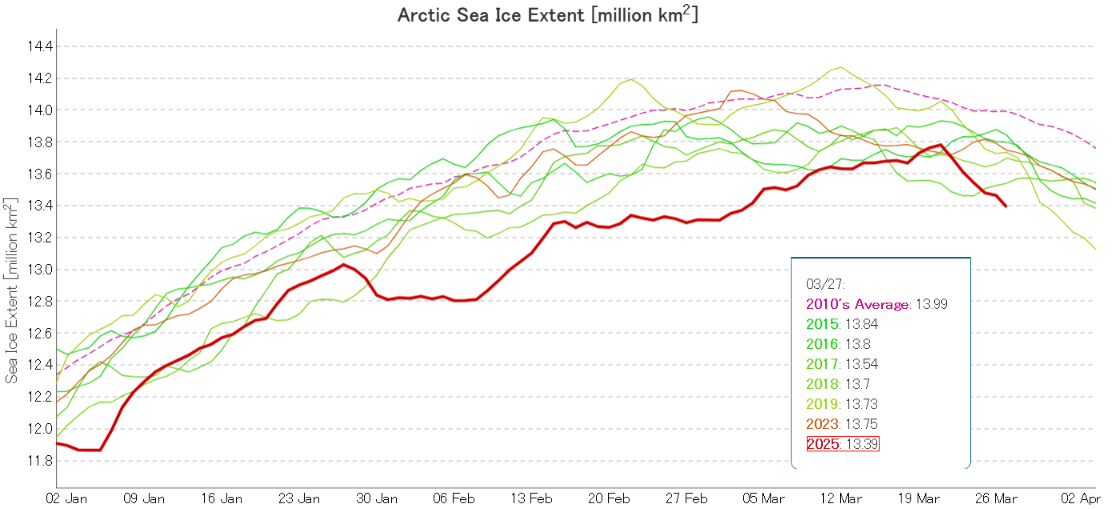
This year’s maximum extent is 1.31 million square kilometers below the 1981 to 2010 average maximum of 15.64 million square kilometers and 80,000 square kilometers below the previous lowest maximum that occurred on March 7, 2017:
Perhaps he also wouldn’t mind asking the Post’s online editor(s) to reveal this explanatory video to their viewers?

Q.E.D?
Facts About the Arctic in May 2025

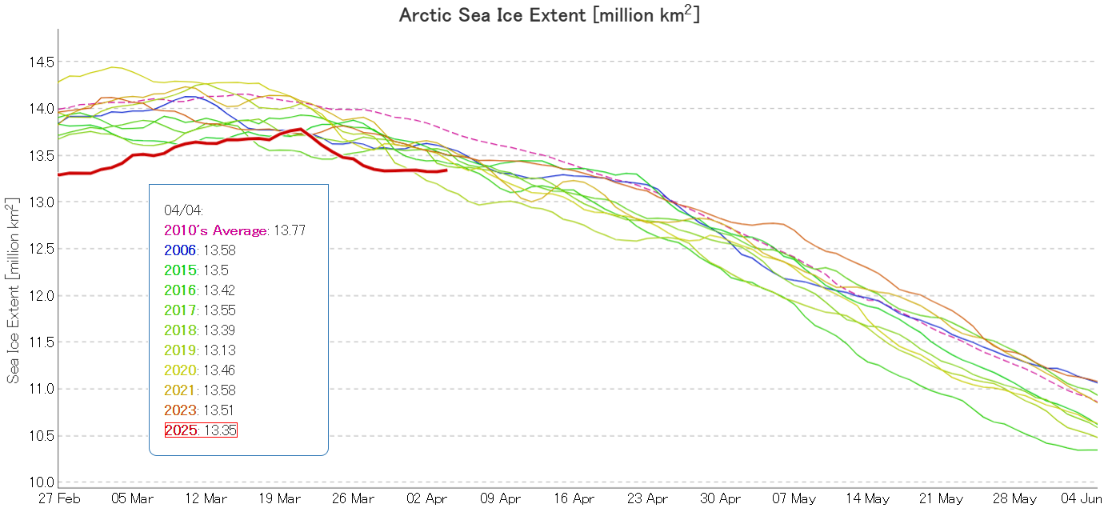
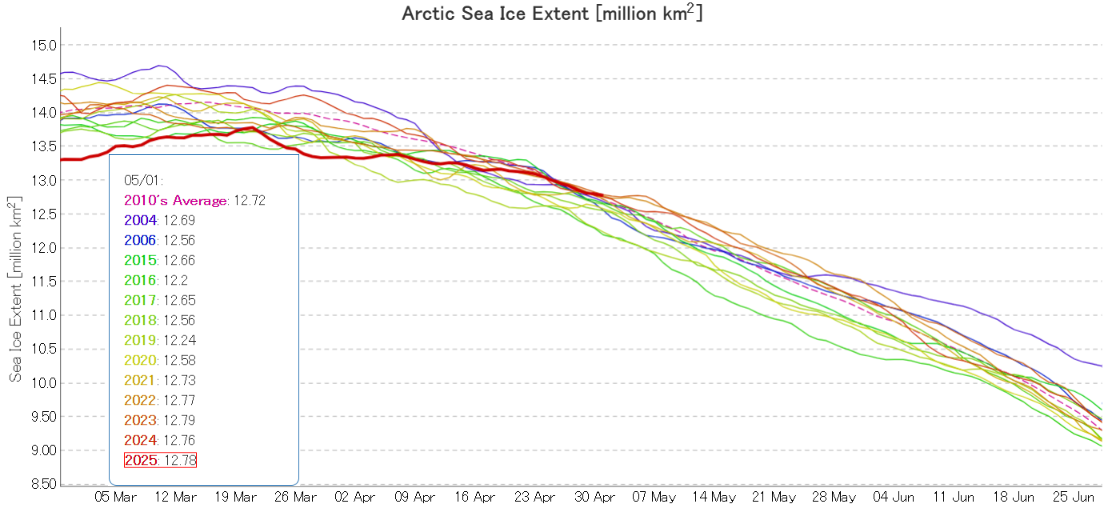
JAXA/ViSHOP extent is no longer “lowest for the date”! After “flatlining” for most of April the metric is now in the midst of a close knit group of the other years in the 2020s:

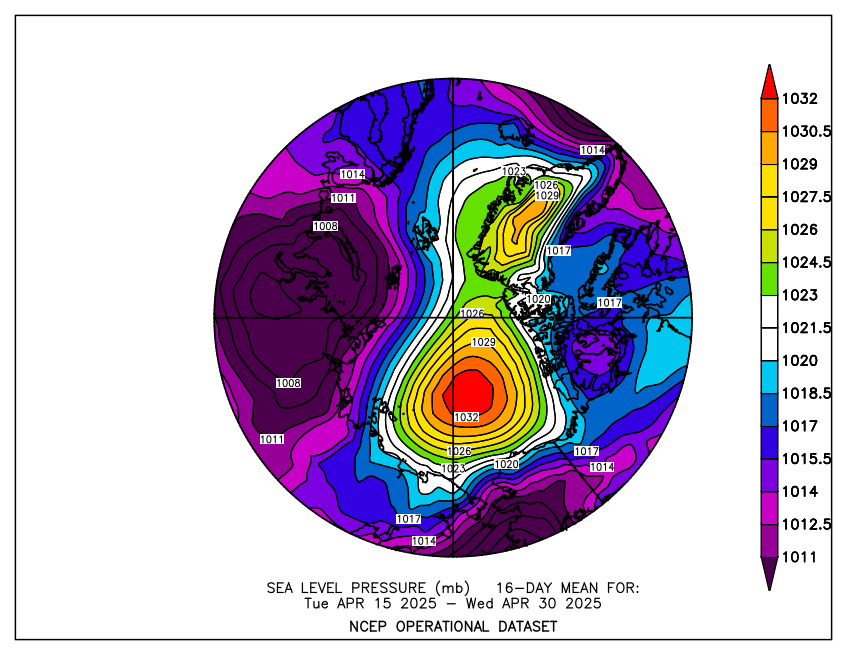
The high pressure area over the Central Arctic persisted through the second half of April, and so did the consequent drift of ice from the Pacific side of the Arctic to the Atlantic periphery:

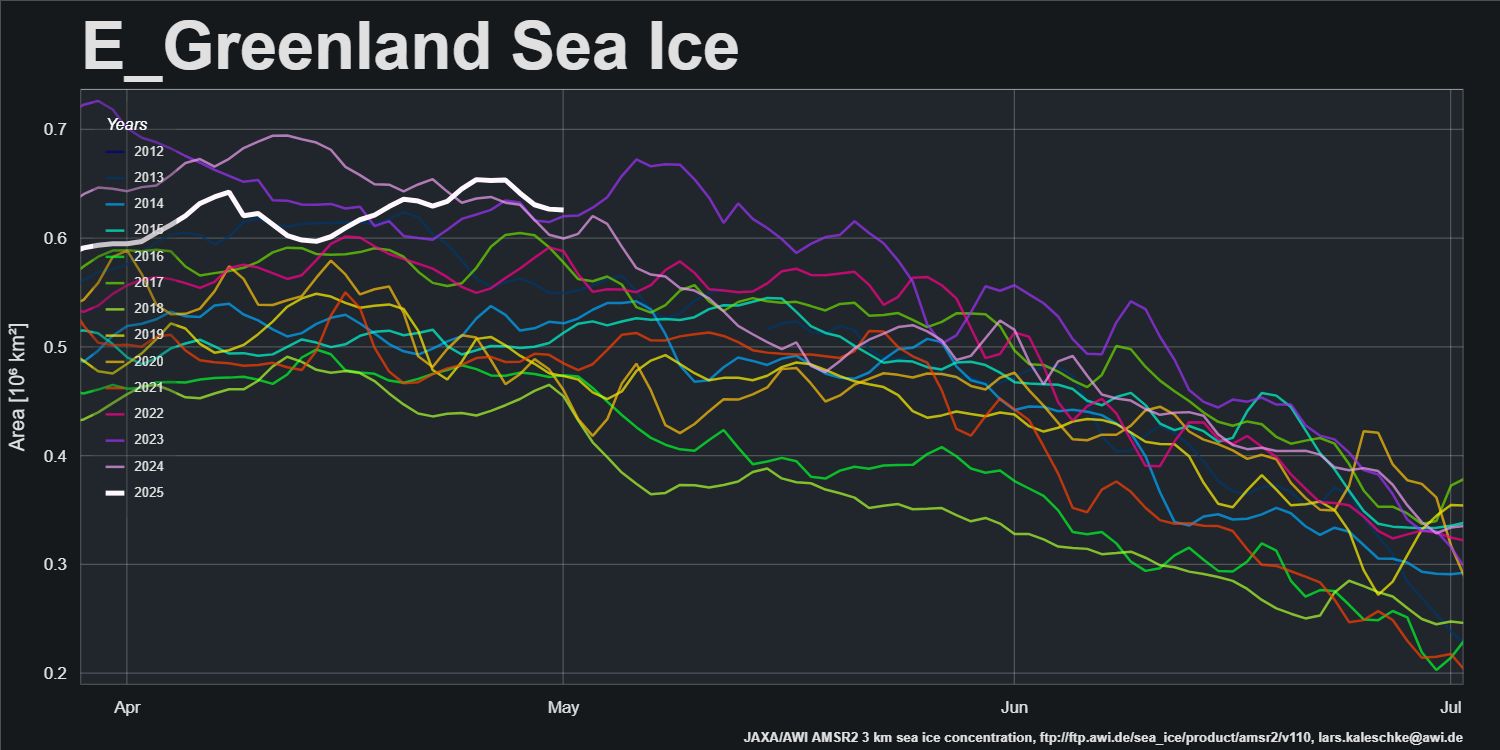
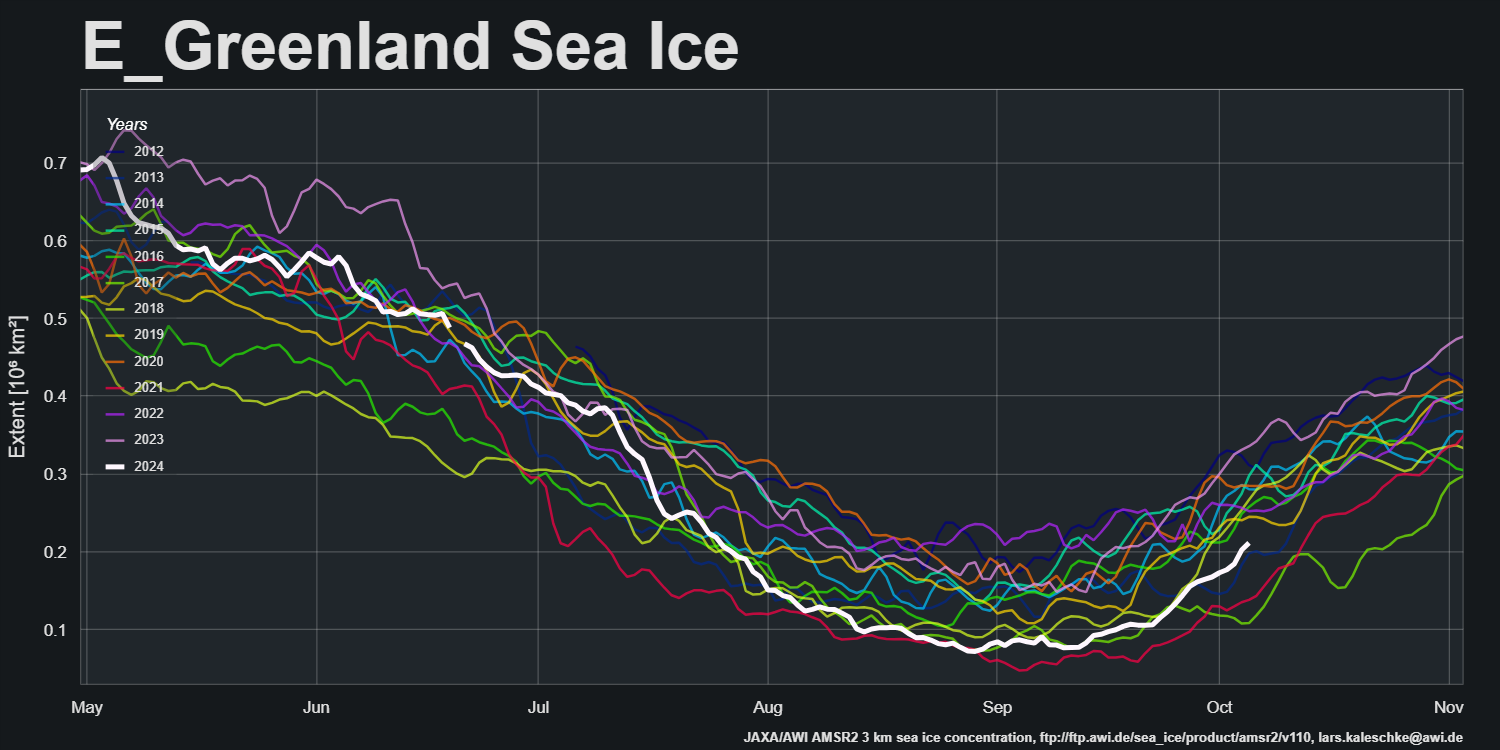
AWI’s sea ice area for the Greenland Sea is currently “highest for the date” in the AMSR2 record that started in July 2012:

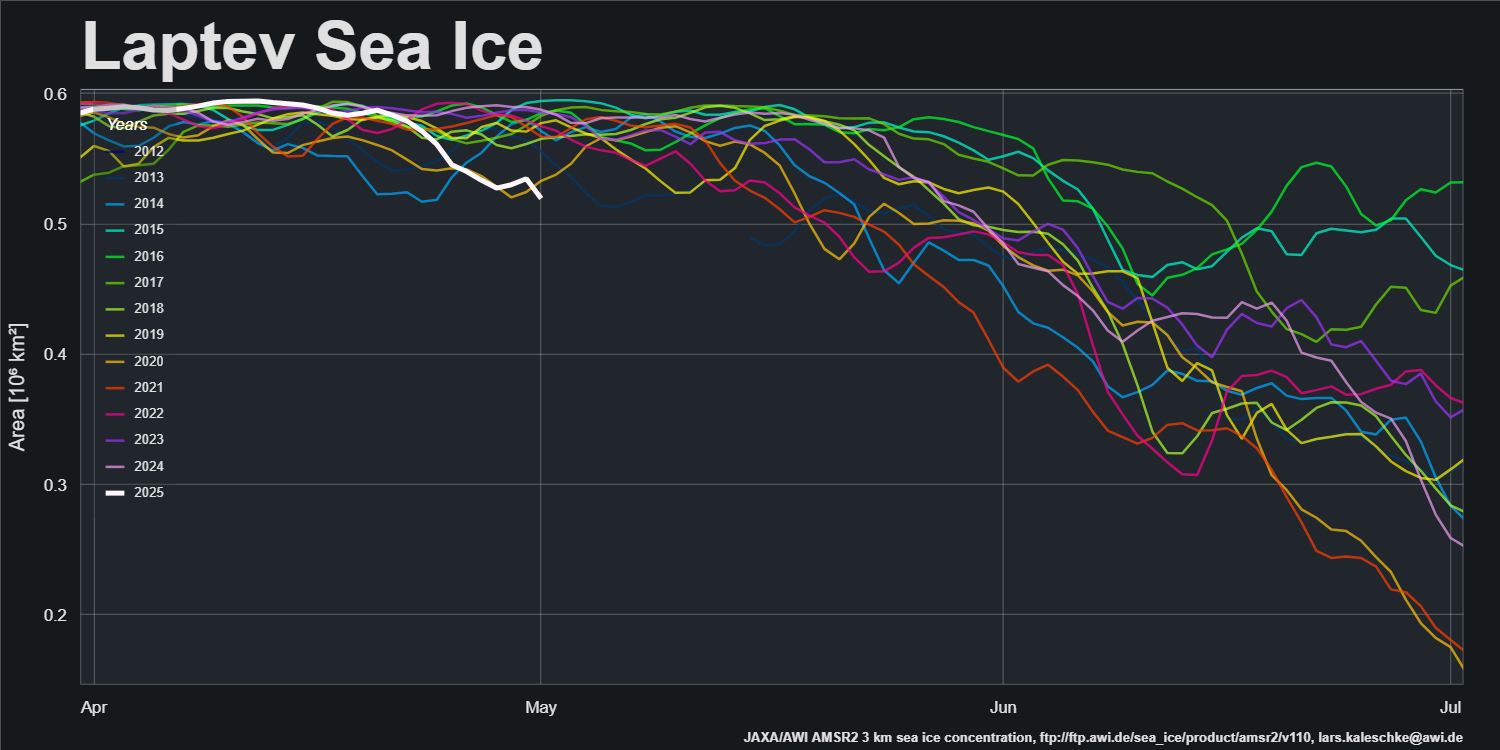
The offshore winds along the Laptev Sea coast have continued, and sea ice area is now “lowest for the date”:

The first signs of a break in the high pressure dominance are appearing. GFS currently forecasts that a low pressure area will enter the Central Arctic, bring above zero temperatures over the Kara Sea on Sunday:

Continue reading Facts About the Arctic in May 2025

Facts About the Arctic in April 2025

JAXA/ViSHOP extent finished the month of March “lowest for the date” once again:

However, since then the graph has been “flatlining” and extent is now above 2019 and rapidly approaching the rest of the recent pack.

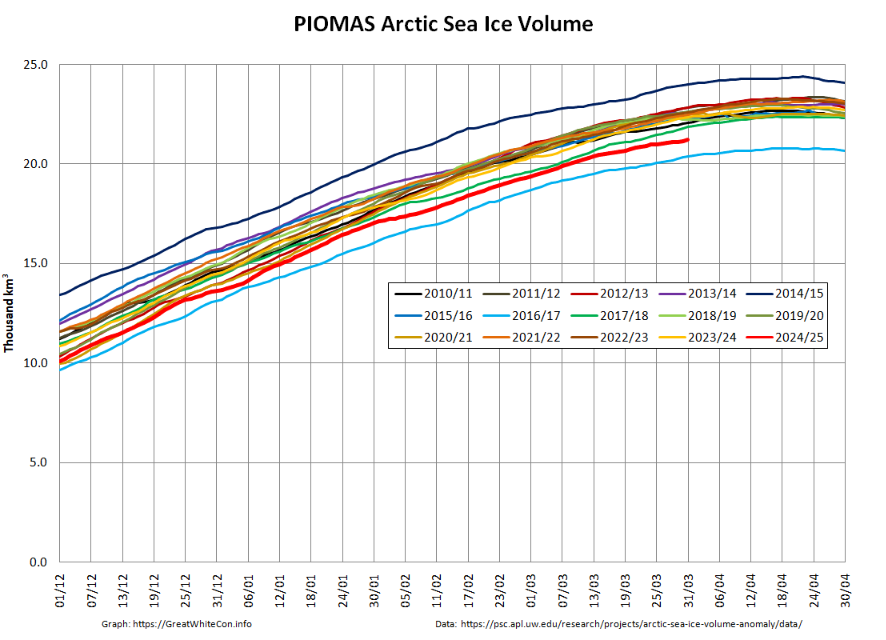
At the end of March PIOMAS Arctic sea ice volume had increased to 21.21 thousand km³, still 2nd lowest for the date in the PIOMAS record:

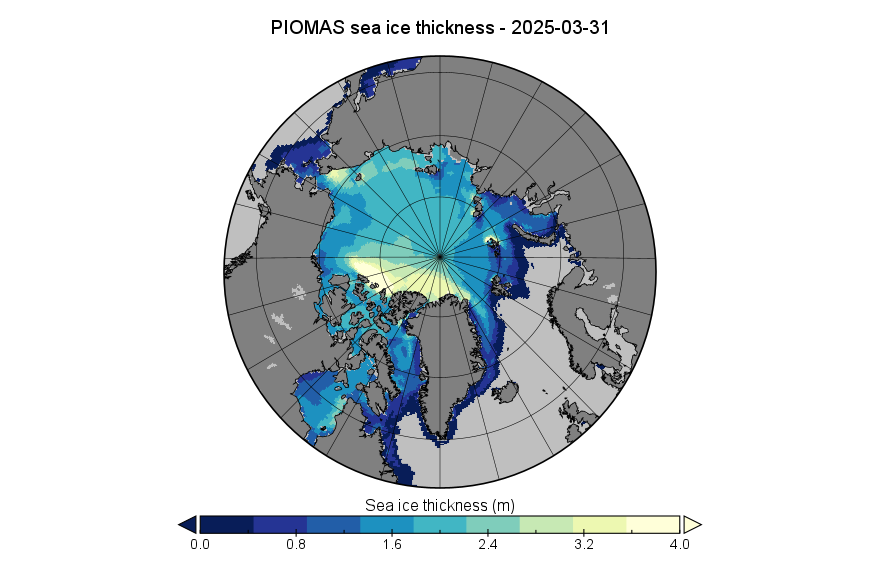
Here is the corresponding PIOMAS sea ice thickness map for March 31st 2025:

For comparison purposes, here is the “near real time” CryoSat-2/SMOS merged thickness data from the Alfred Wegener Institute: 

Continue reading Facts About the Arctic in April 2025

The 2025 Maximum Arctic Sea Ice Extent

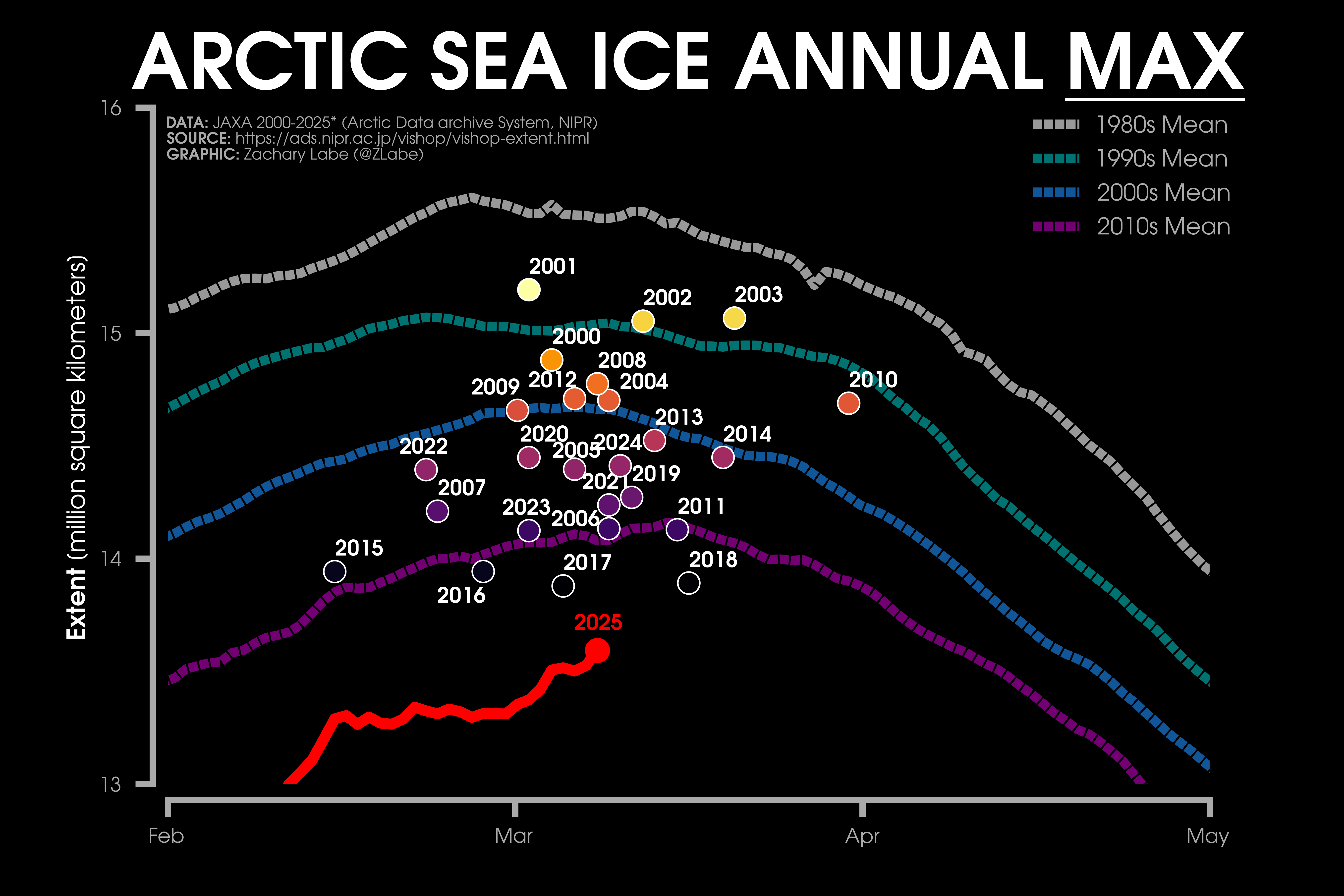
The time has arrived to start taking a close look at the assorted different Arctic sea ice extent metrics, in order to ascertain their respective maxima for 2025. To begin with here’s Zack Labe’s overview of previous years’ maxima:

It now seems highly likely that 2025’s maximum extent will ultimately prove to be the lowest in the satellite era. The remaining question is when this year’s maximum will occur.

My speculation yesterday that AWI’s flavour of Arctic sea ice extent had already achieved its maximum value for 2025 has been negated today:

The NSIDC 5 day average and JAXA extent metrics are also currently at their maximum levels for the year so far, so let’s wait and see which one is the first to take a downward turn.

[Update – March 28th]

The National Snow and Ice Data Center have called the maximum extent of Arctic sea ice for 2025:

On March 22, Arctic sea ice likely reached its maximum extent for the year, at 14.33 million square kilometers, the lowest in the 47-year satellite record. This year’s maximum extent is 1.31 million square kilometers below the 1981 to 2010 average maximum of 15.64 million square kilometers and 80,000 square kilometers below the previous lowest maximum that occurred on March 7, 2017.

Continue reading The 2025 Maximum Arctic Sea Ice Extent

Facts About the Arctic in March 2025

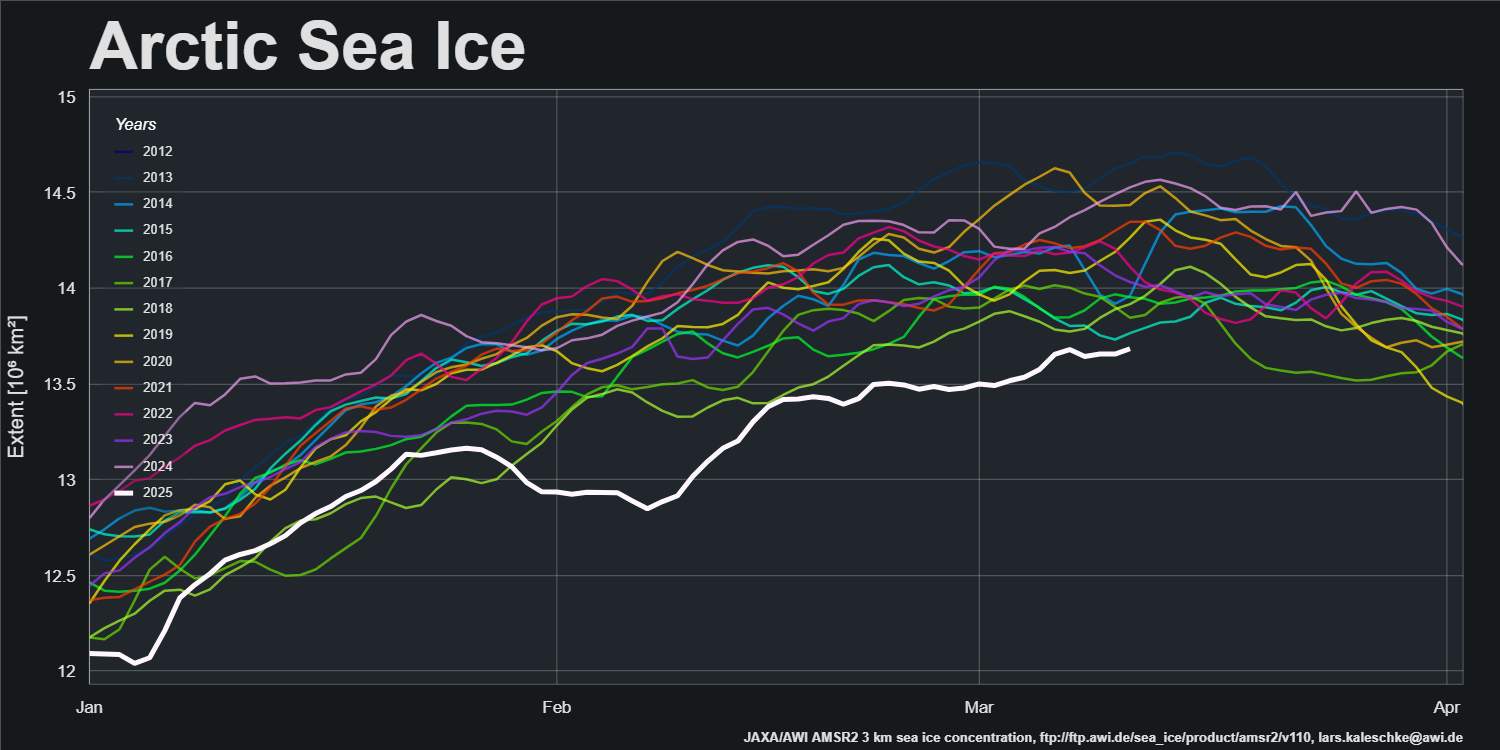
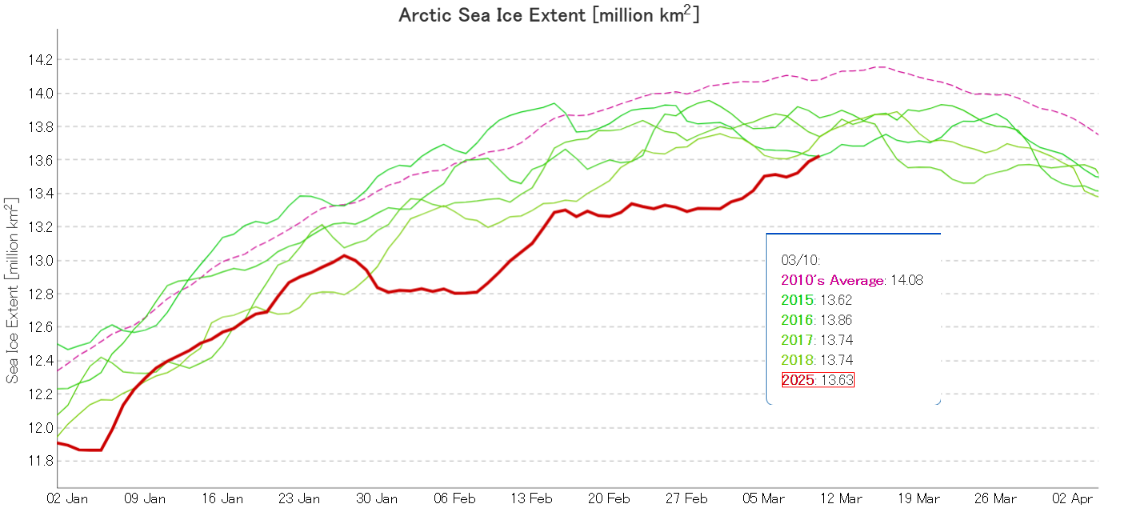
After spending several weeks in the unfortunate position of lowest for the date, JAXA/ViSHOP Arctic sea ice extent has just risen above 2015. By a mere 10,000 km²:

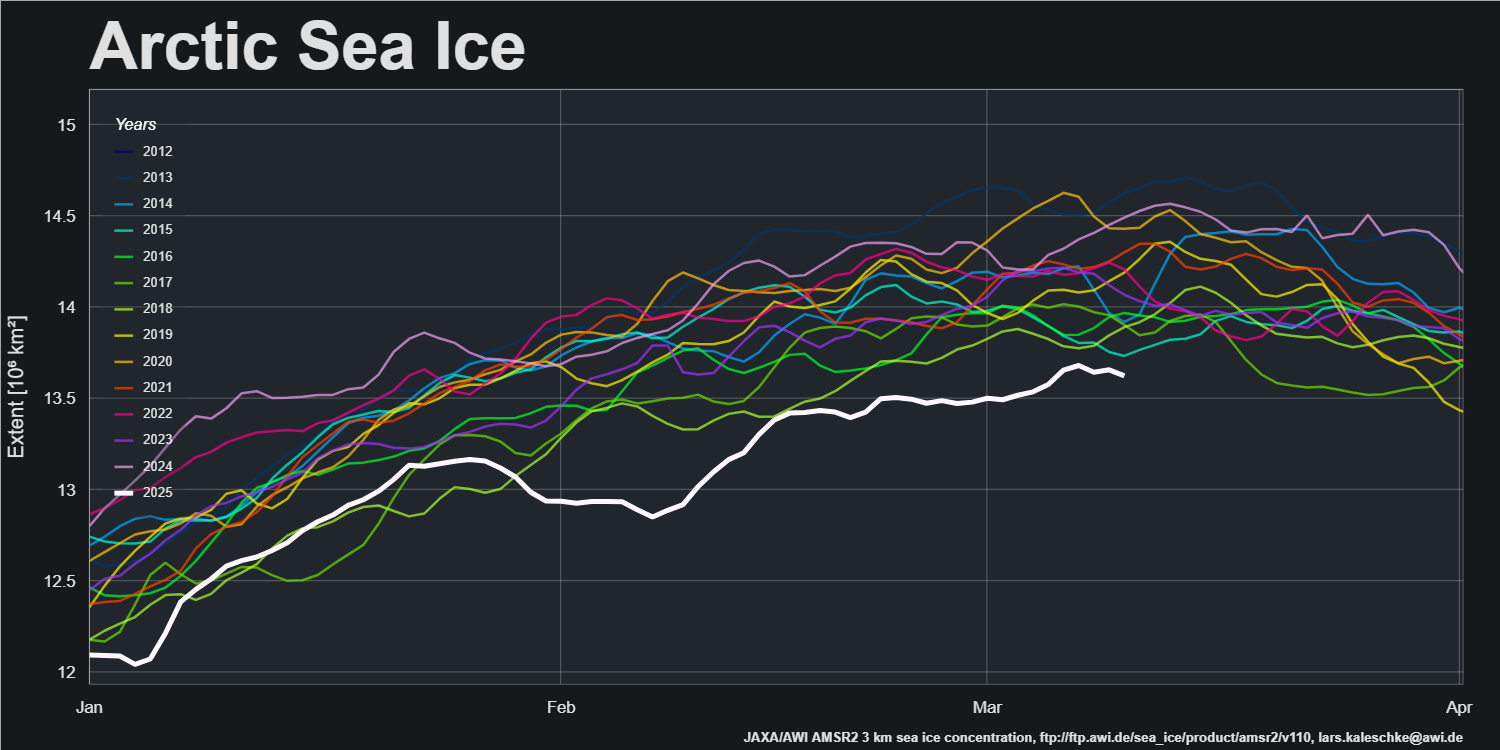
Despite the fact that JAXA extent is still rising, AWI extent has potentially already achieved its maximum value for 2025:

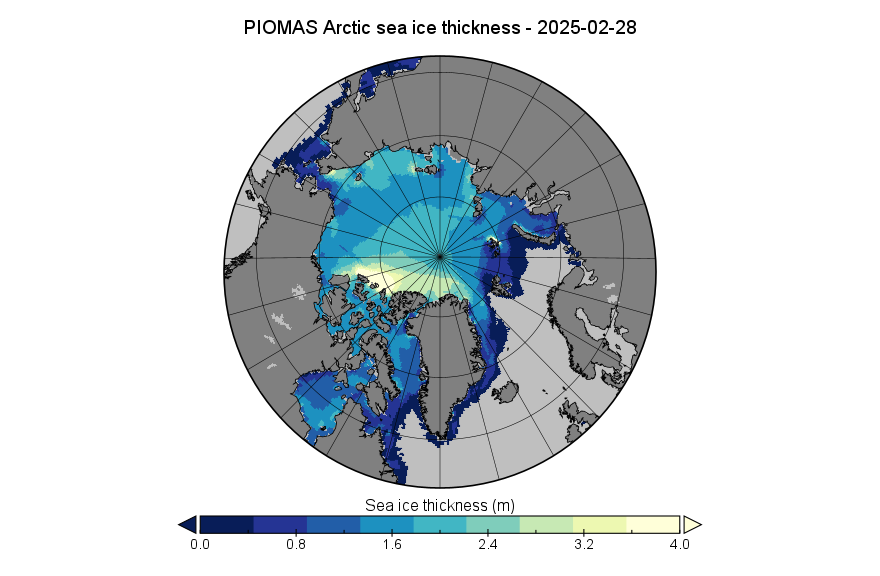
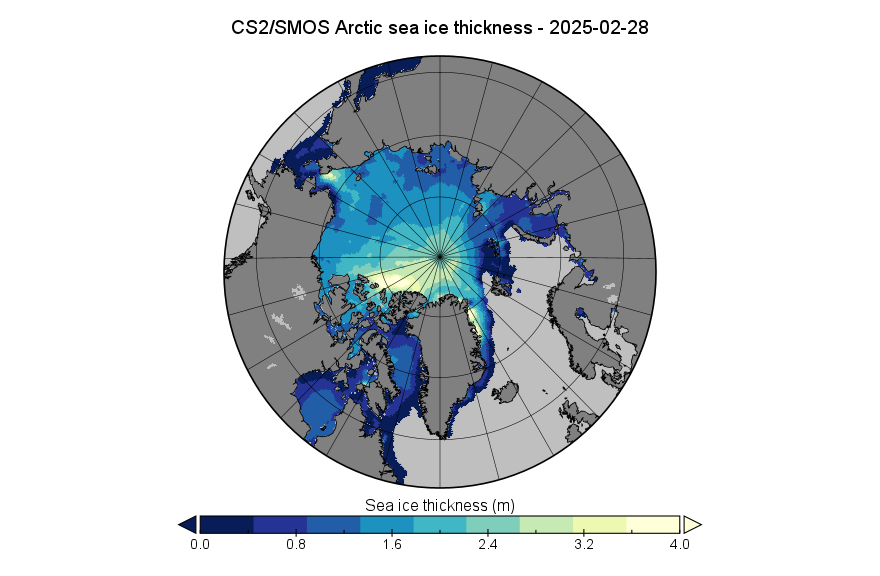
Somewhat belatedly, here is the PIOMAS sea ice thickness map for February 28th 2025:

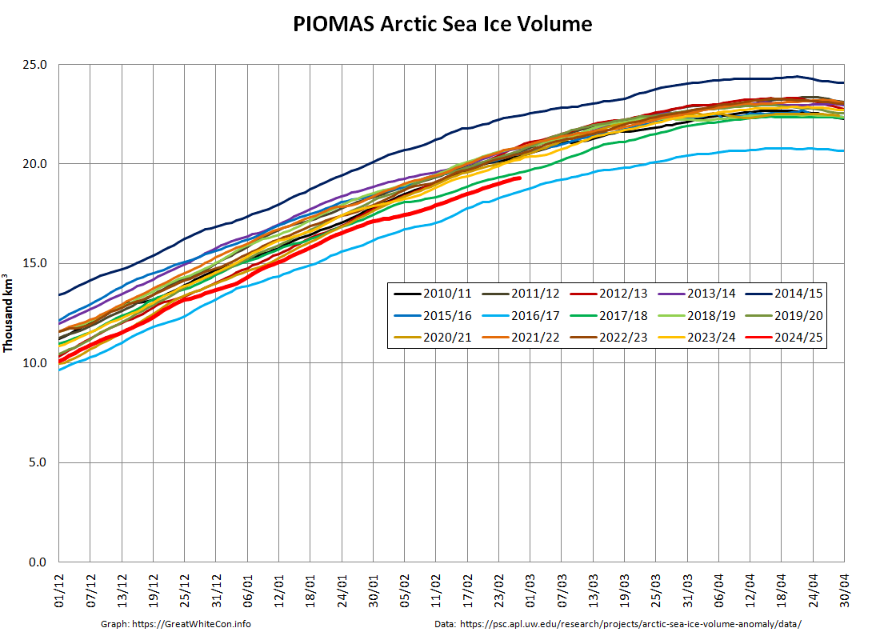
At the end of February Arctic sea ice volume had increased to 19.32 thousand km³, still 2nd lowest for the date in the PIOMAS record:

For comparison purposes, here is the “near real time” CryoSat-2/SMOS merged thickness data from the Alfred Wegener Institute: 

AWI have also released a new version of their thickness product, incorporating additional data from the two Sentinel 3 satellites. The thickness data for February 28th, looks slightly different:

Continue reading Facts About the Arctic in March 2025

Facts About the Arctic in February 2025

This isn’t exactly “shock news”, since we (slightly hesitantly!) predicted this 5 days ago.

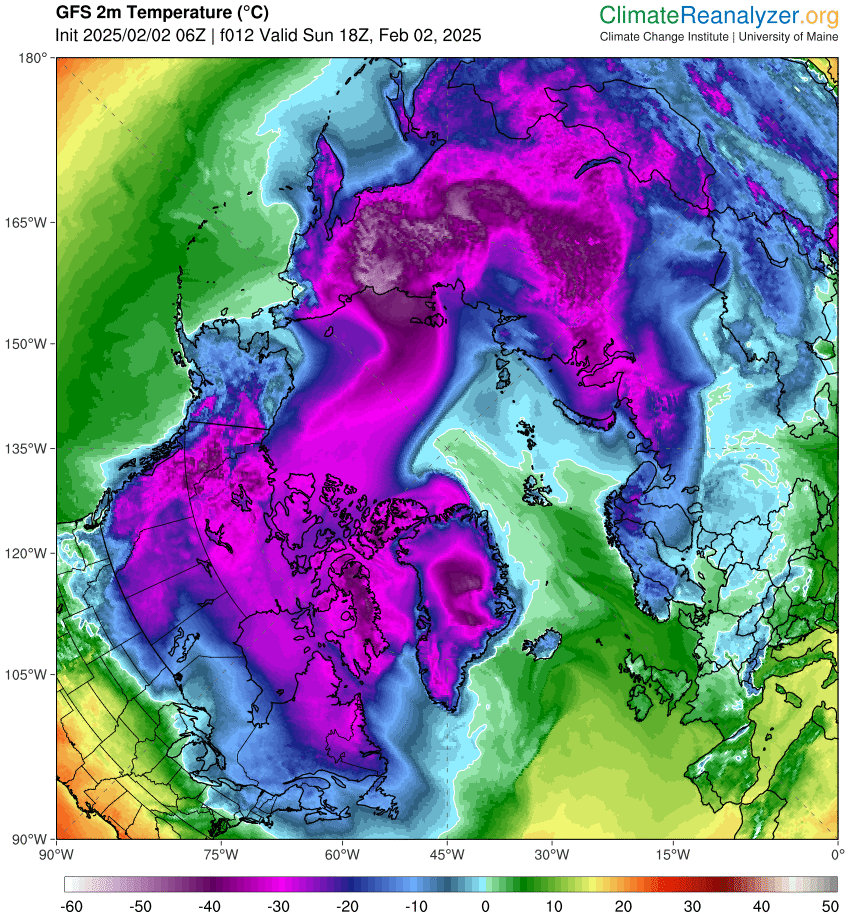
A GFS 2 meter temperature chart revealing greater than zero degrees Celsius at the North Pole later today:

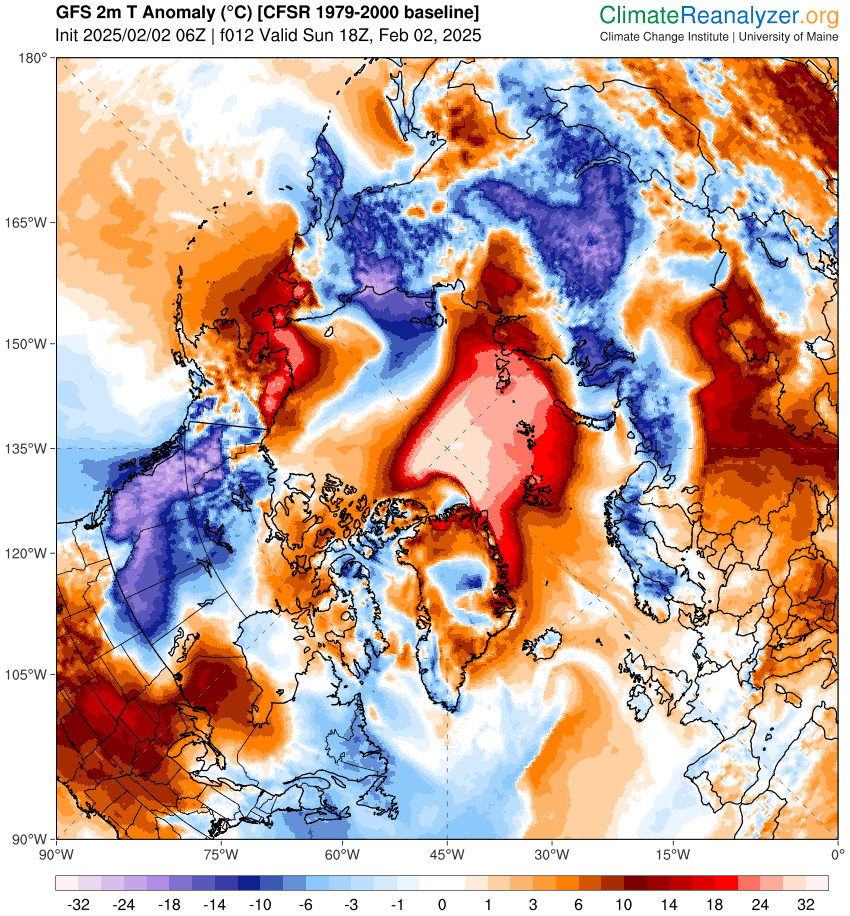
The 2 meter temperature anomaly at the Pole is almost off the charts:

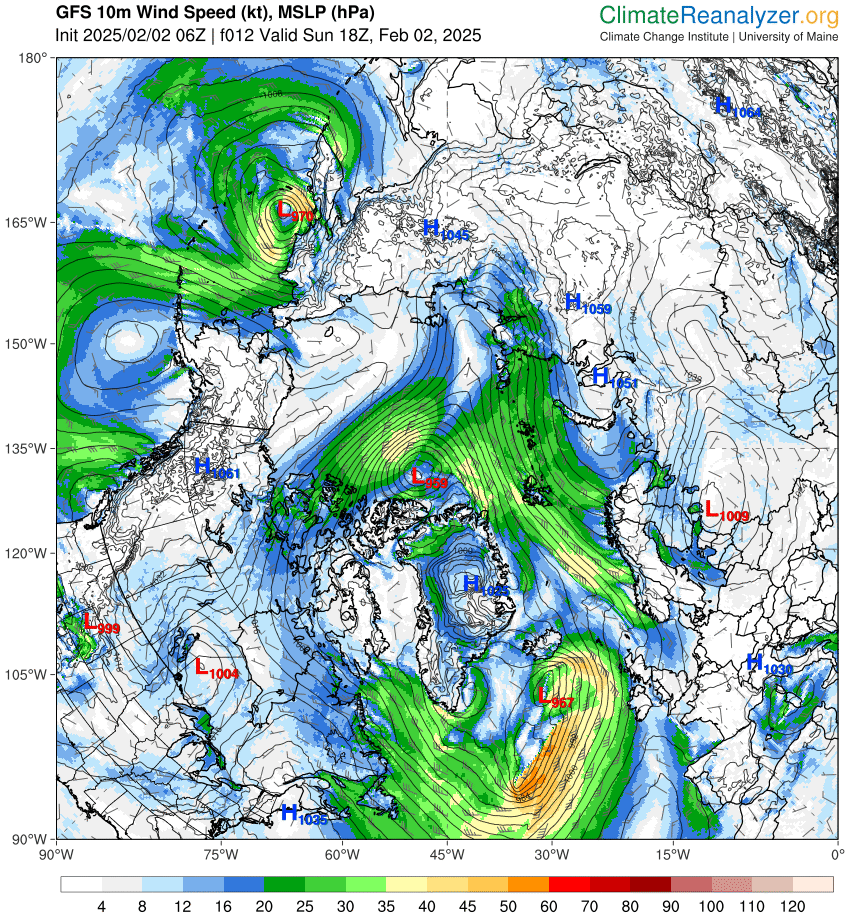
Plus the cause of these unusual numbers, a cyclone with central pressure of 959 hPa spinning north of Ellesmere Island at 18:00 UTC this evening:

All of which has led to the JAXA/Vishop Arctic sea ice extent being the lowest for the date since 1979 at least by a significant margin:

Continue reading Facts About the Arctic in February 2025

Facts About the Arctic in January 2025

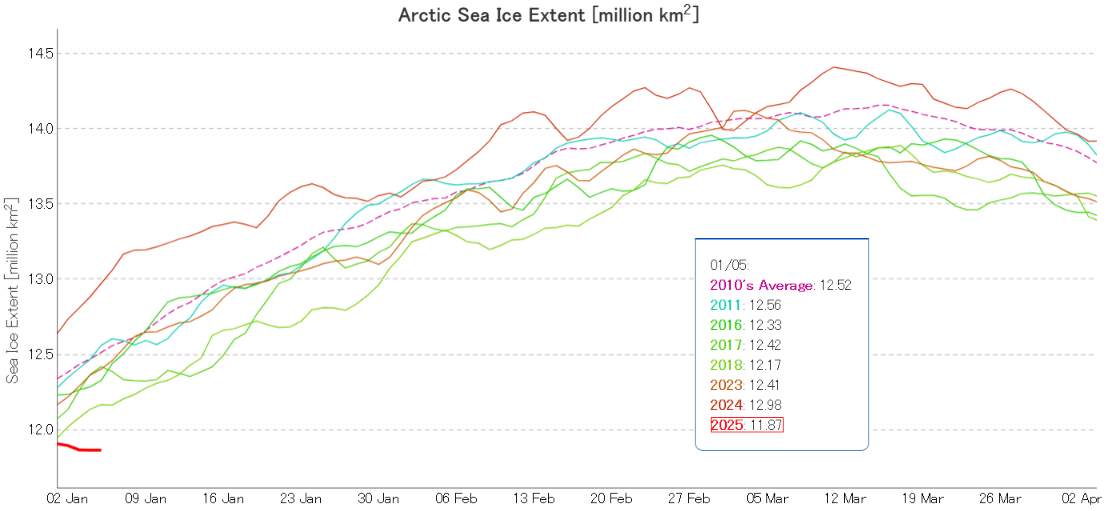
The New Year began with JAXA/ViSHOP extent lowest for the date in the satellite era, just below 2018 . Since then extent has reduced, and there is now a large gap:

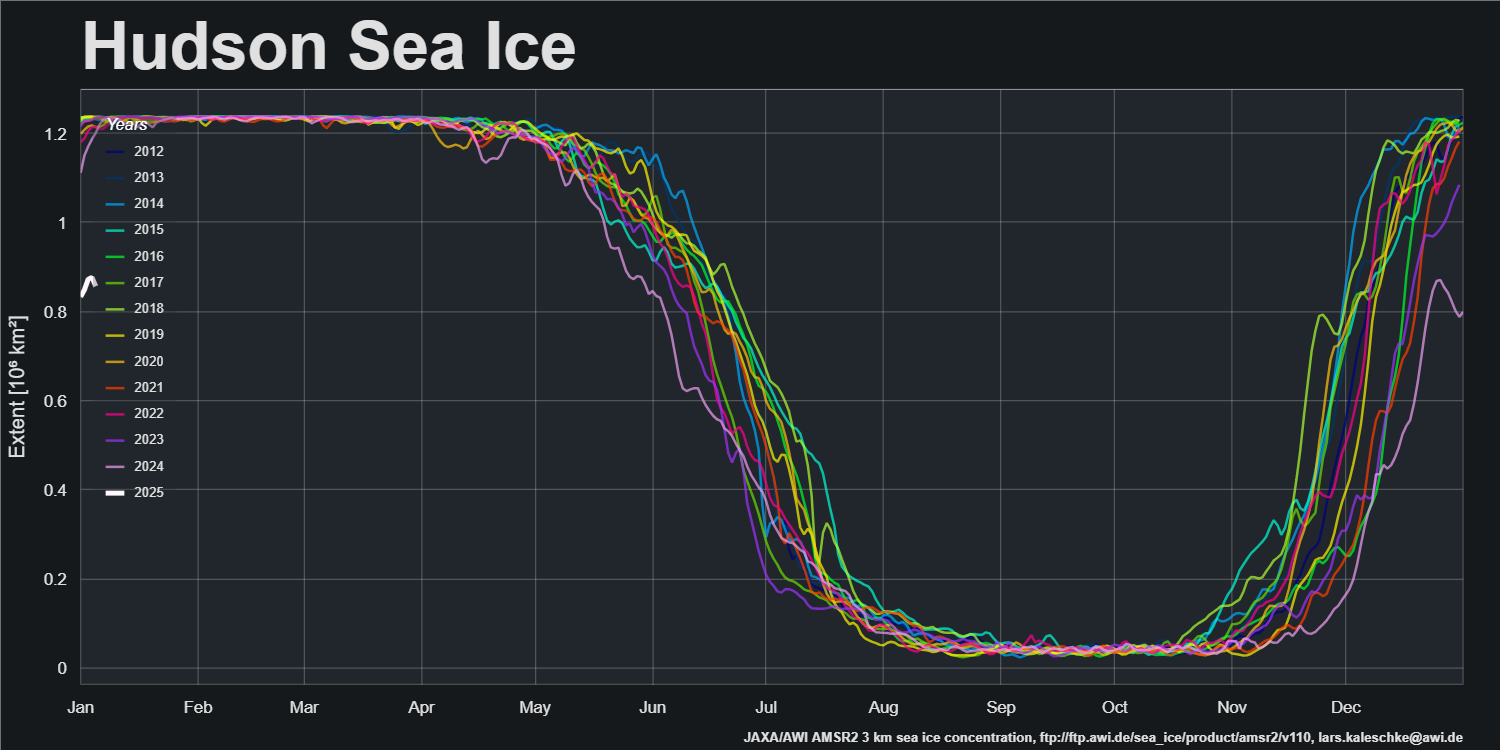
The primary reason for this is the remaining open water in Hudson Bay:

In previous years Hudson Bay has been covered by sea ice by this time of year, but in 2025 a large area remains unfrozen in early January!

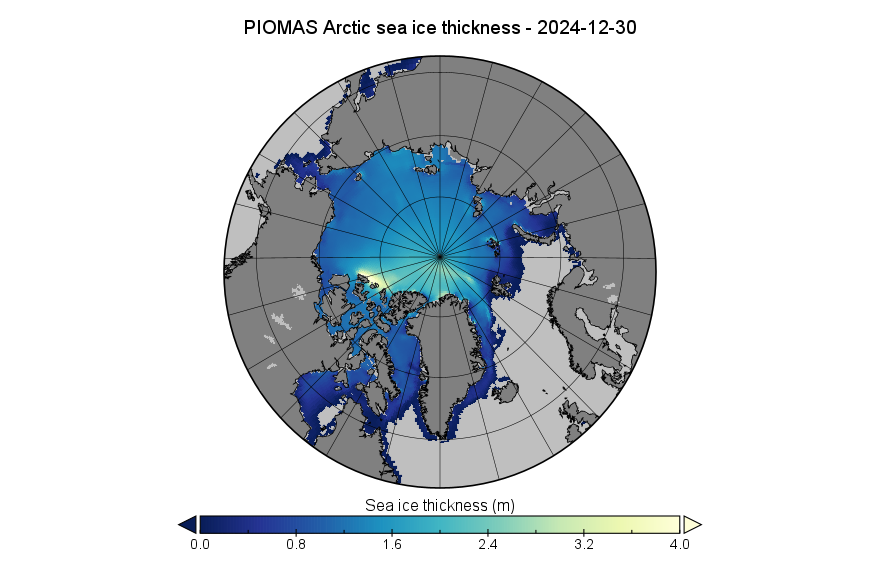
Due to the way PIOMAS handles the leap years the last gridded thickness data of 2024 is dated December 30th:

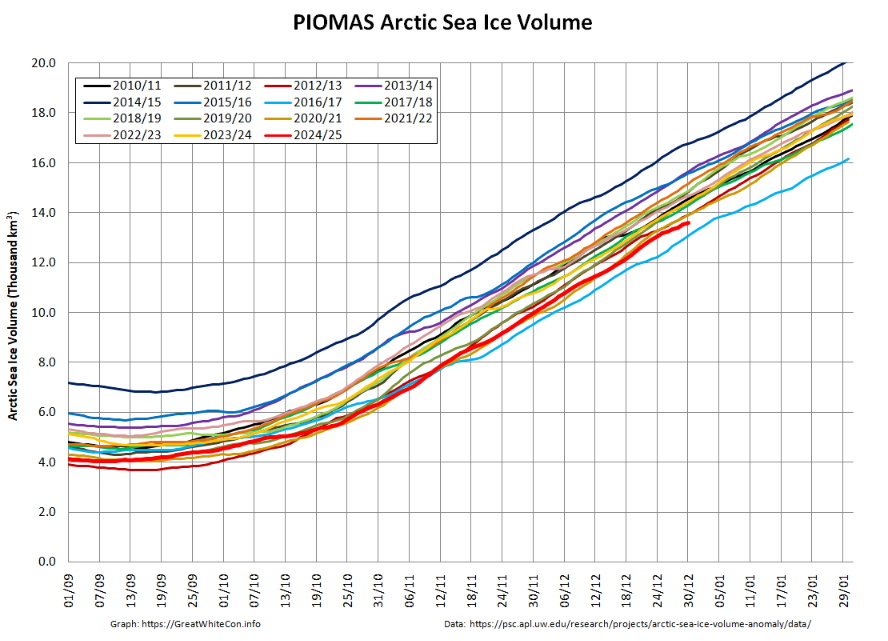
By December 30th Arctic sea ice volume had increased to 13.61 thousand km³, 2nd lowest for the date in the PIOMAS record:

Continue reading Facts About the Arctic in January 2025

Facts About the Arctic in December 2024

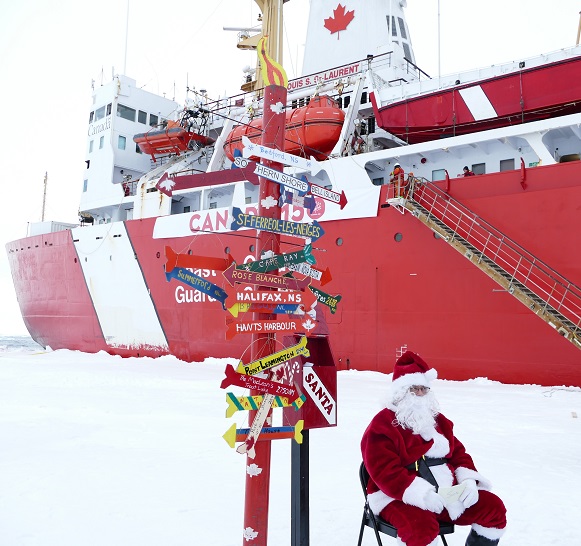
Christmas is coming, and even as we speak Snow White is heading for the geographical North Pole to assist Santa’s little helpers in their annual gift delivery mission:

Santa at the North Pole in August 2016

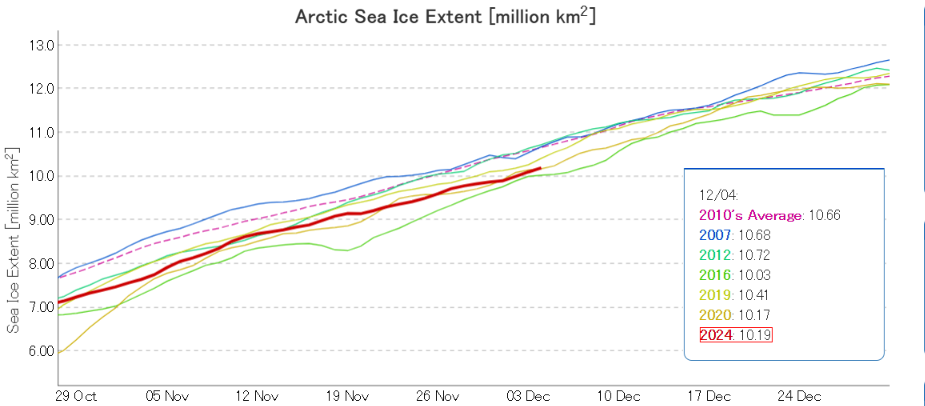
We’ll start the festive season with a graph of JAXA/ViSHOP extent, which is in a “statistical tie” with 2020 for 2nd lowest for the date in the satellite era:

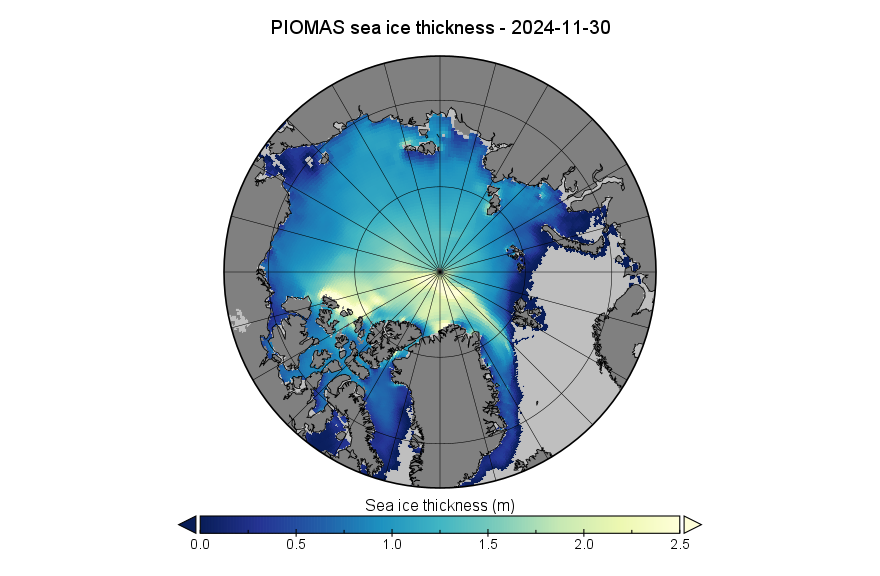
Here’s the PIOMAS gridded thickness data for the end of November 2024:

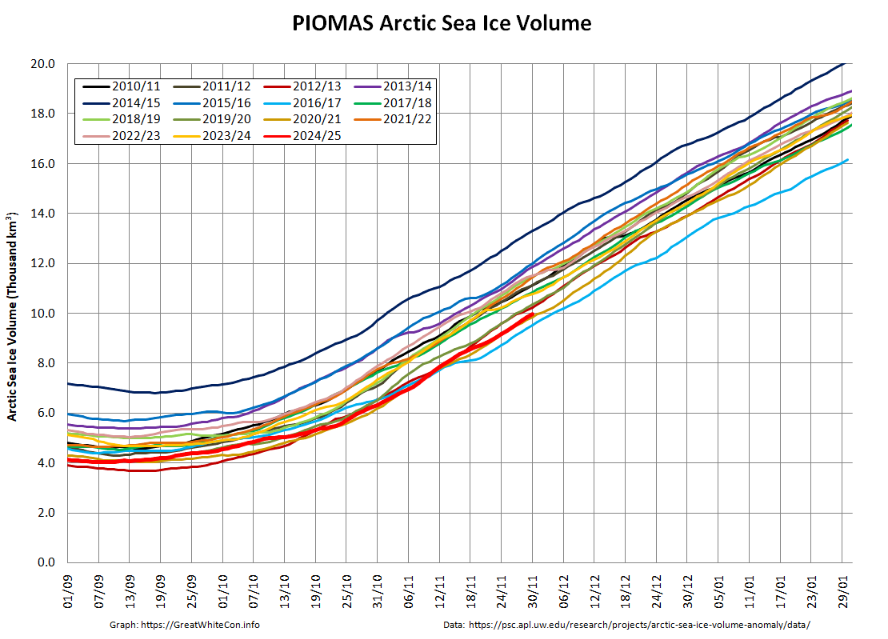
On November 30th Arctic sea ice volume had increased to 9.99 thousand km³, 3rd lowest for the date in the PIOMAS record:

For comparison purposes, here is the “near real time” CryoSat-2/SMOS merged thickness data from the Alfred Wegener Institute: 

Continue reading Facts About the Arctic in December 2024

Facts About the Arctic in November 2024

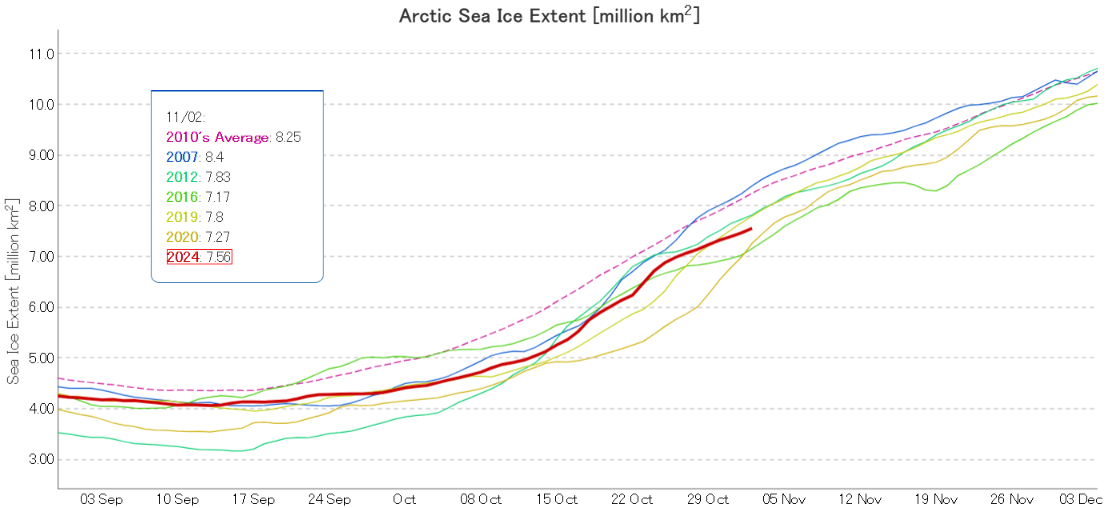
The Laptev and East Siberian Seas have now refrozen. Consequently Arctic sea ice extent is now increasing more slowly, and JAXA/ViSHOP extent is 3rd lowest for the date in the satellite era:

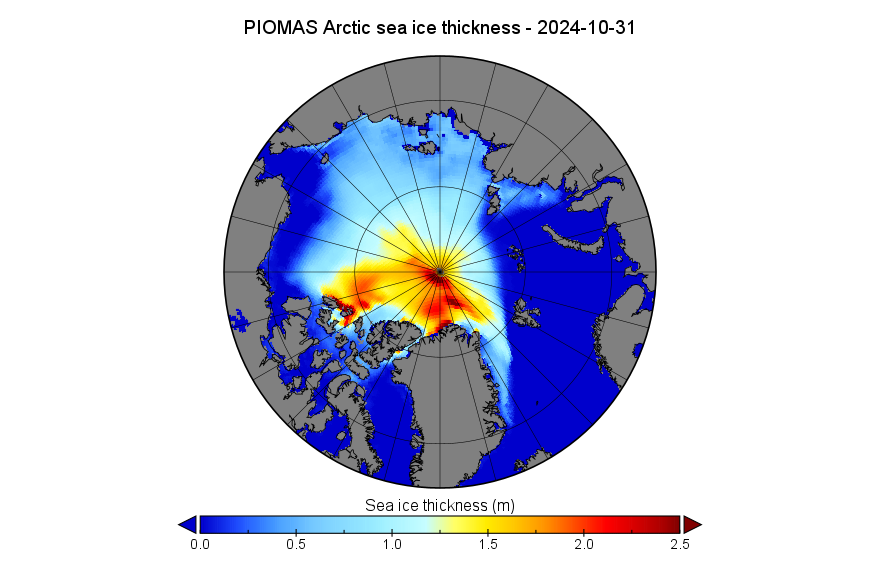
Introducing the third dimension, here’s the PIOMAS gridded thickness data for the end of October 2024:

Note the change in scale from previous months, to allow for easier comparison with the “near real time” CryoSat-2/SMOS merged thickness data from the Alfred Wegener Institute: 

Continue reading Facts About the Arctic in November 2024

Facts About the Arctic in October 2024

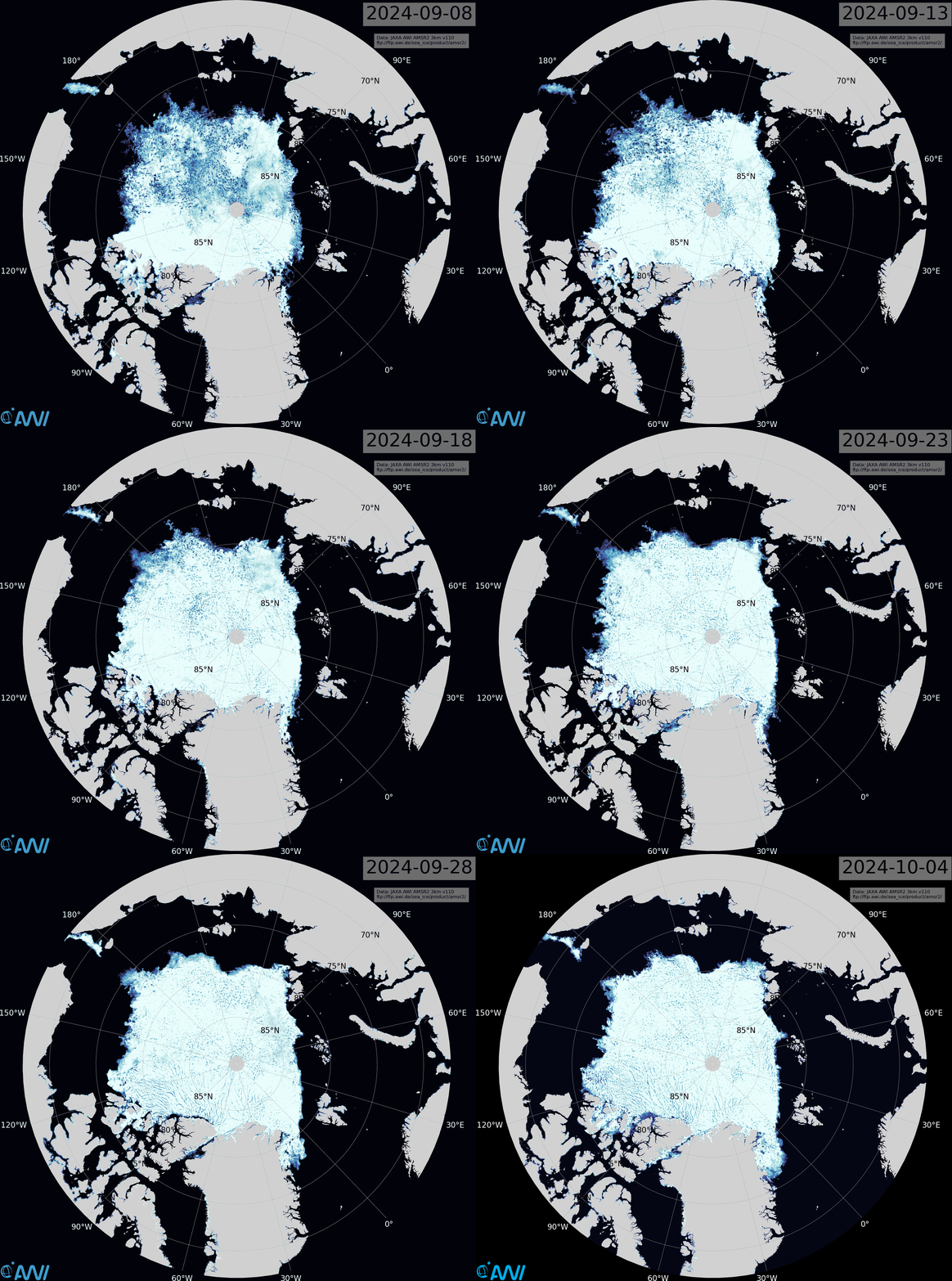
The JAXA extent graph is currently not updating, so let’s begin this month with the latest AMSR2 sea ice concentration map from the Alfred Wegener Institute. Click the image to see a ~10 Mb animation of the last four weeks:

Note in particular the restart of export into the East Greenland Sea via the Fram Strait:

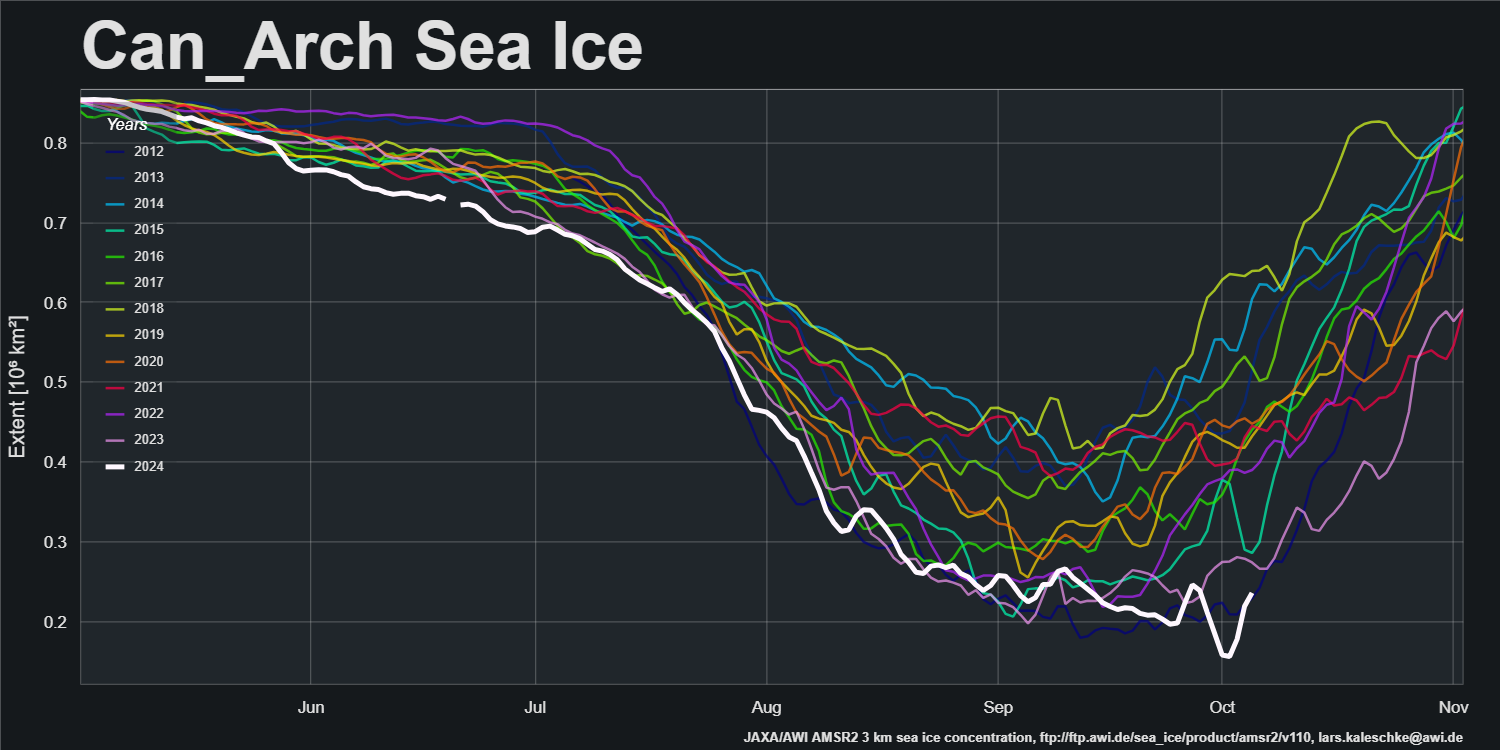
and the movement of ice within the Canadian Arctic Archipelago:

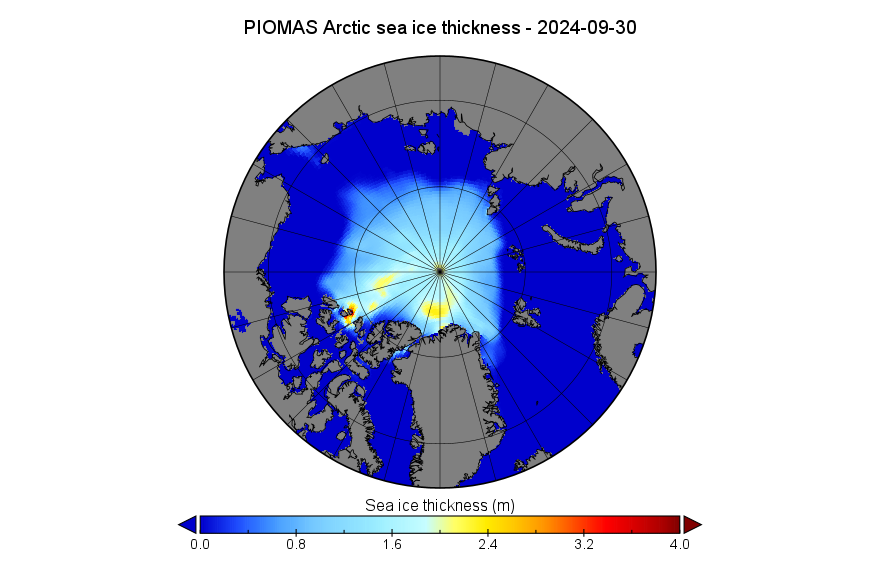
The PIOMAS gridded thickness data for September 2024 has been released:

Continue reading Facts About the Arctic in October 2024