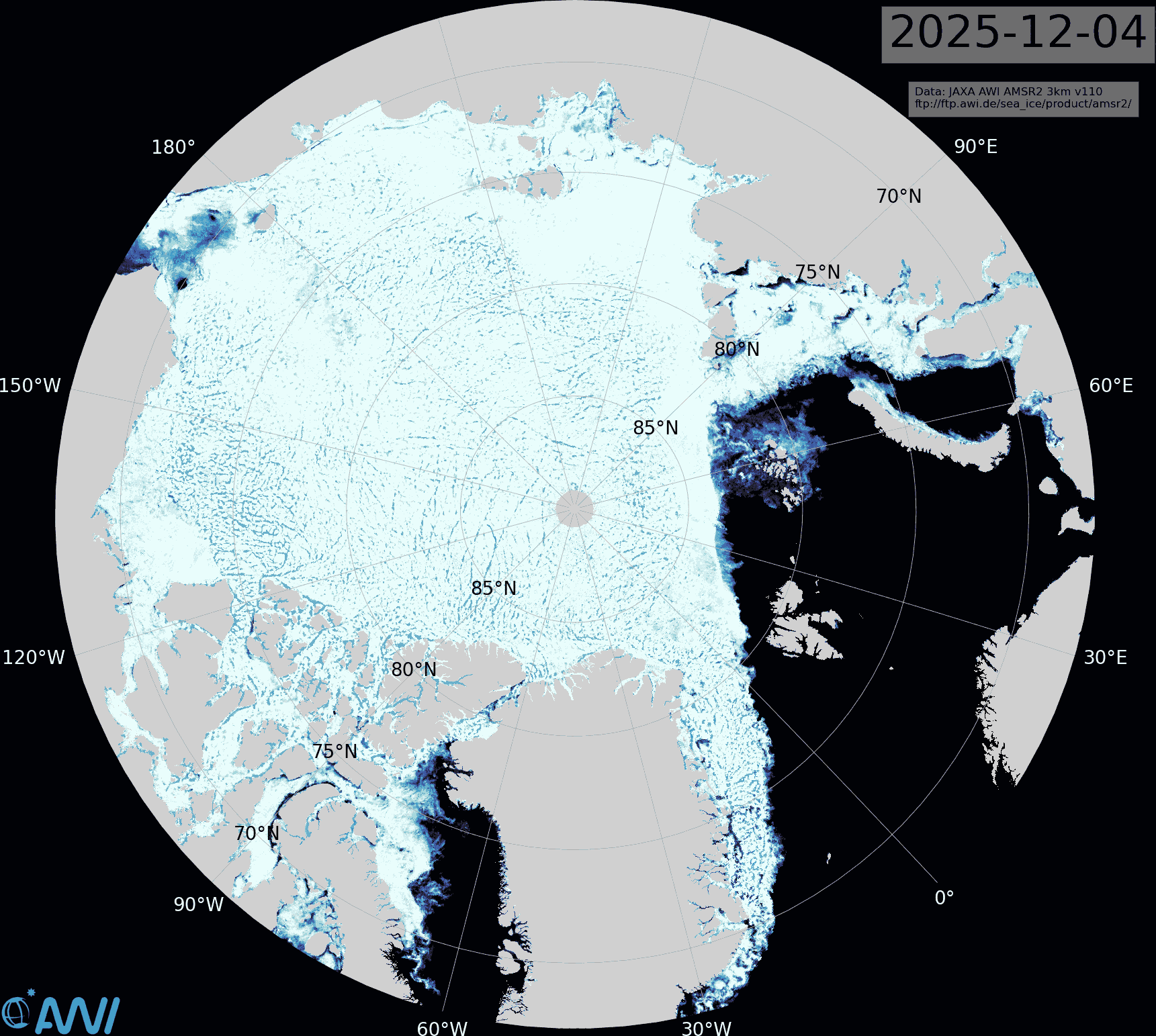
The latest Alfred Wegener Institute sea ice concentration map shows that the Pacific side of the Central Arctic Basin is now almost completely refrozen:
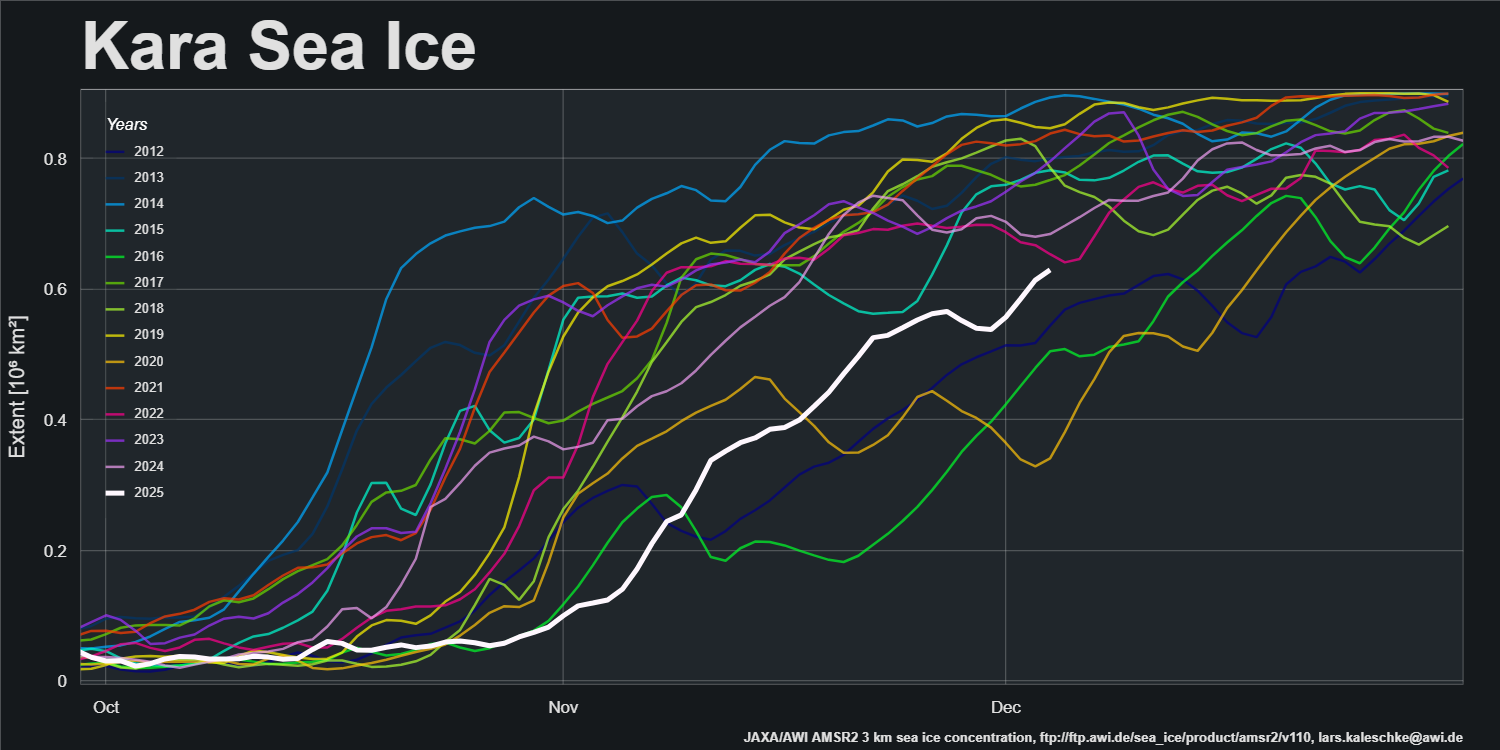
On the Atlantic side of the Arctic the Kara Sea is rapidly refreezing:
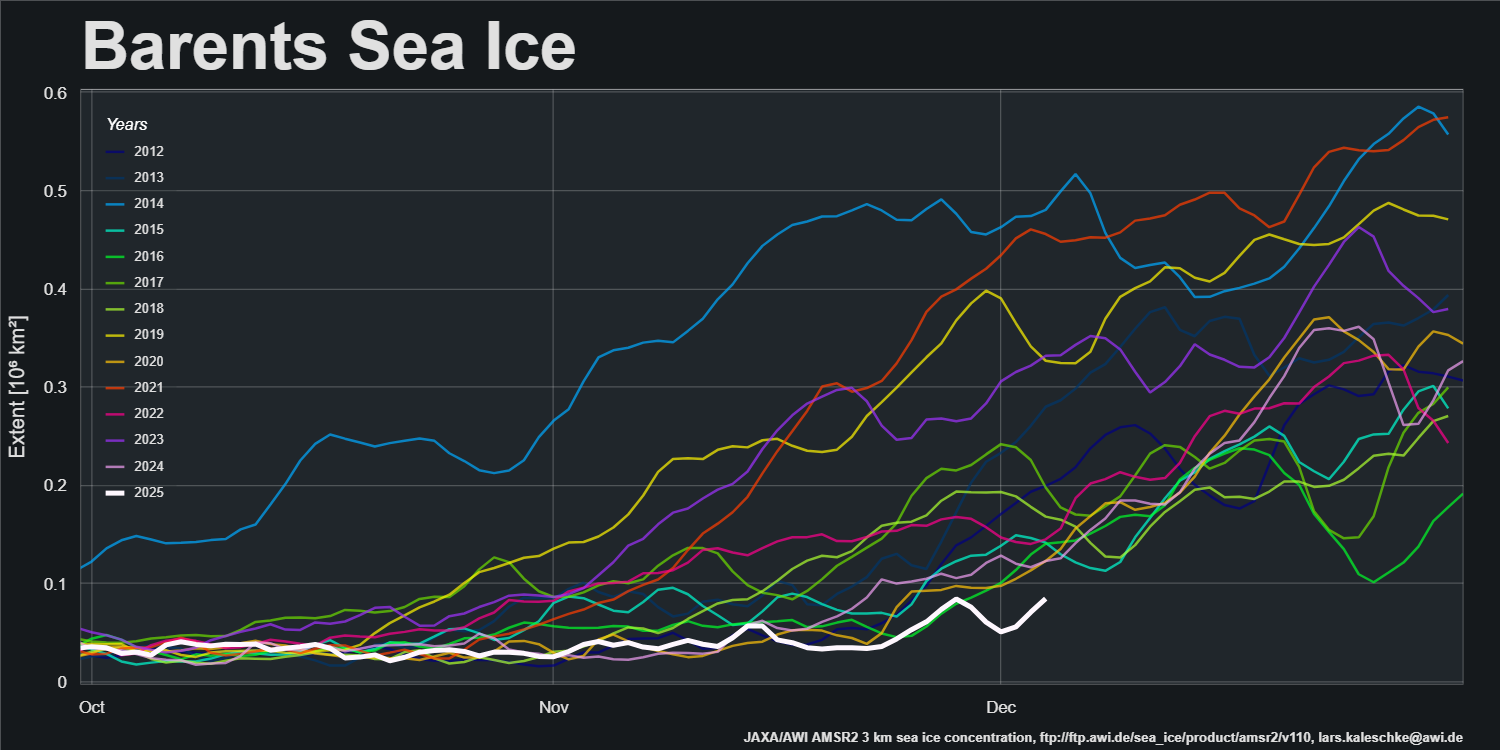
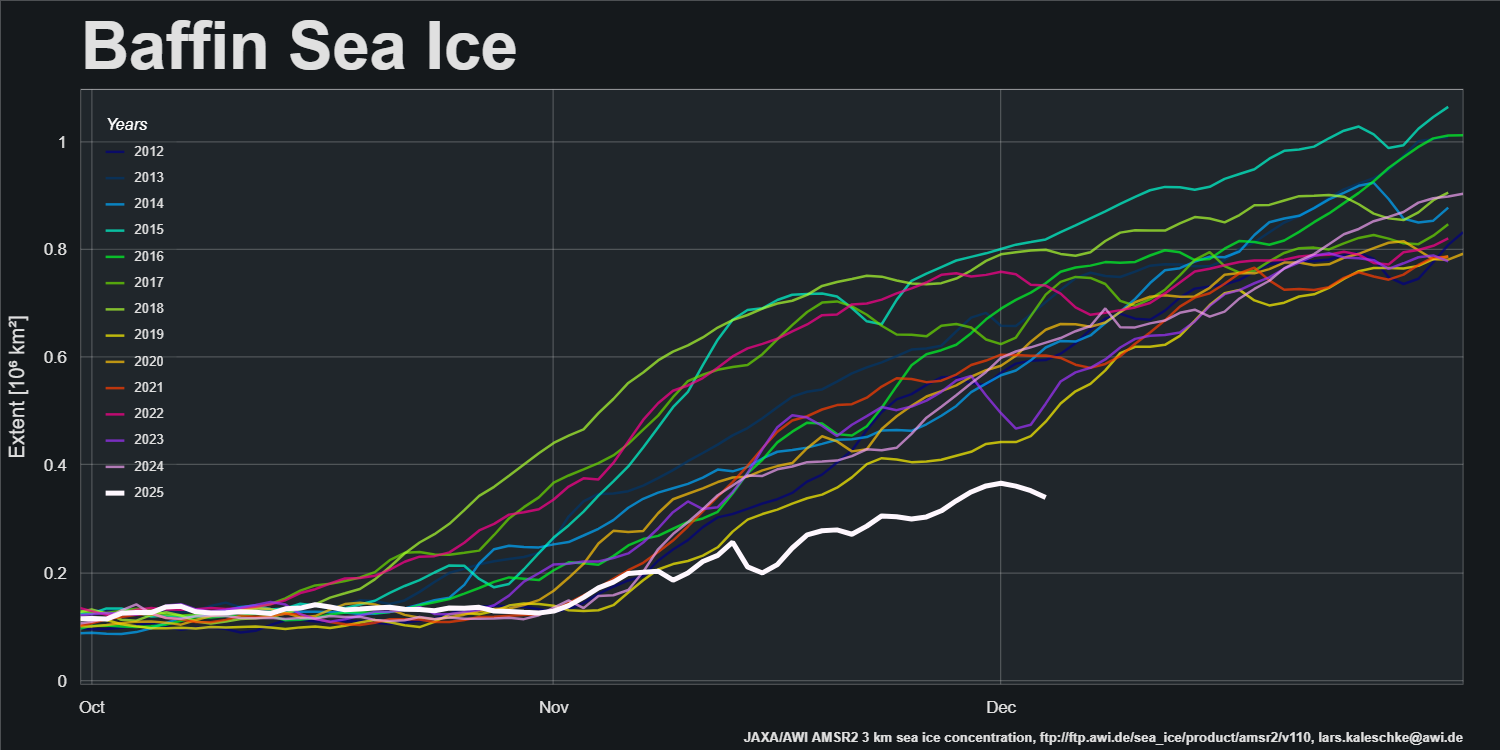
However, sea ice extent in the Barents Sea and Baffin Bay is currently lowest for the date in the AMSR2 record:
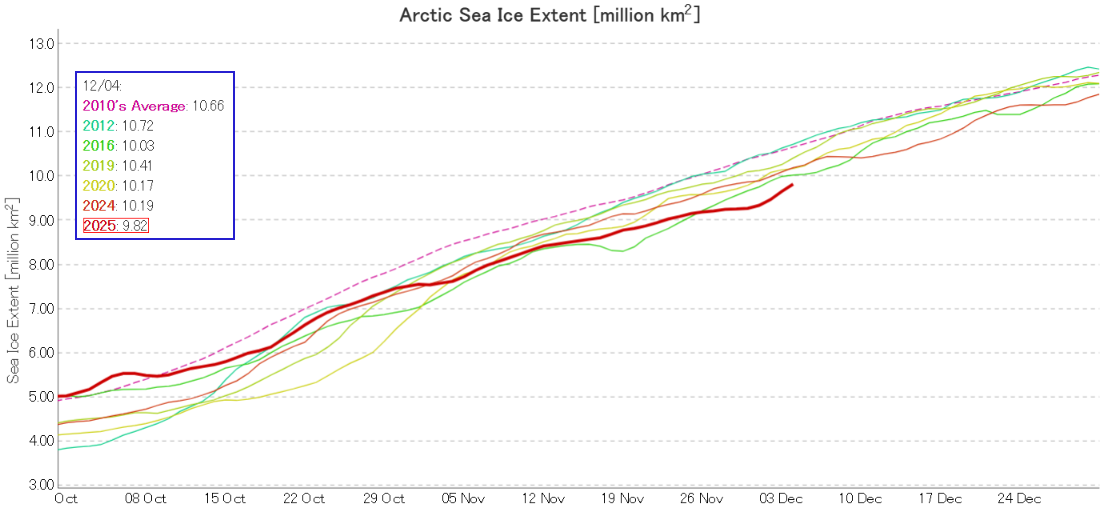
Pan Arctic JAXA/ViSHOP extent is currently lowest for the date in the satellite era:
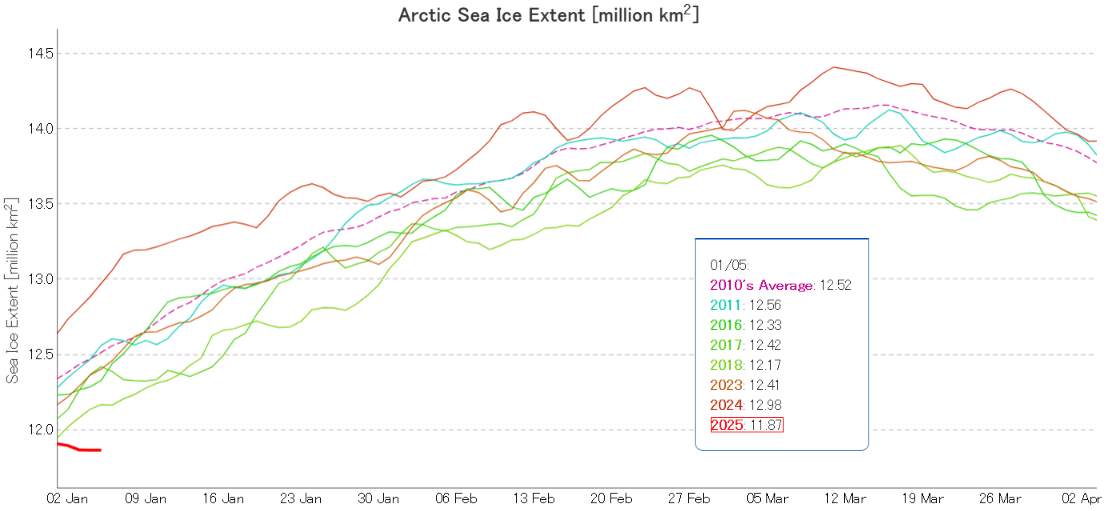
The New Year began with JAXA/ViSHOP extent lowest for the date in the satellite era, just below 2018 . Since then extent has reduced, and there is now a large gap:
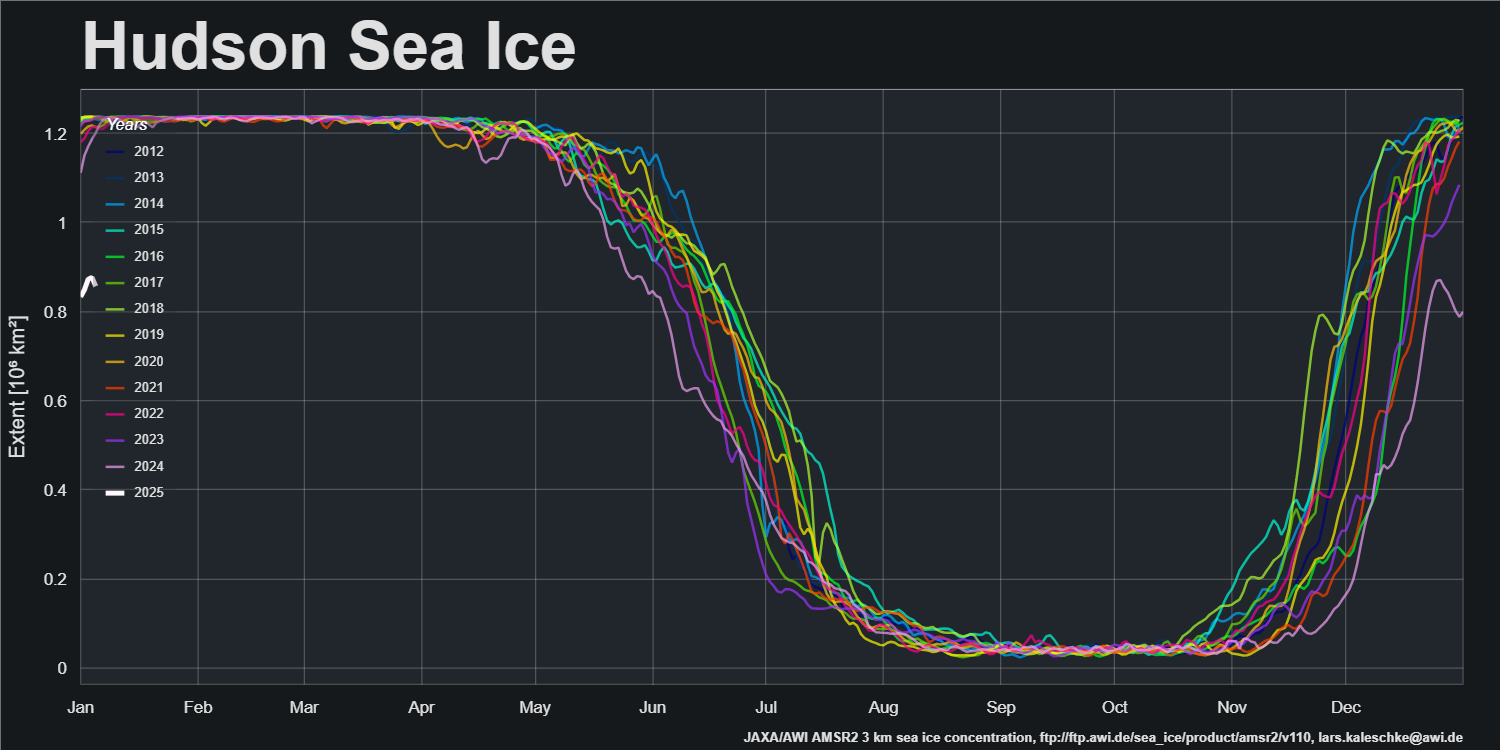
The primary reason for this is the remaining open water in Hudson Bay:
In previous years Hudson Bay has been covered by sea ice by this time of year, but in 2025 a large area remains unfrozen in early January!
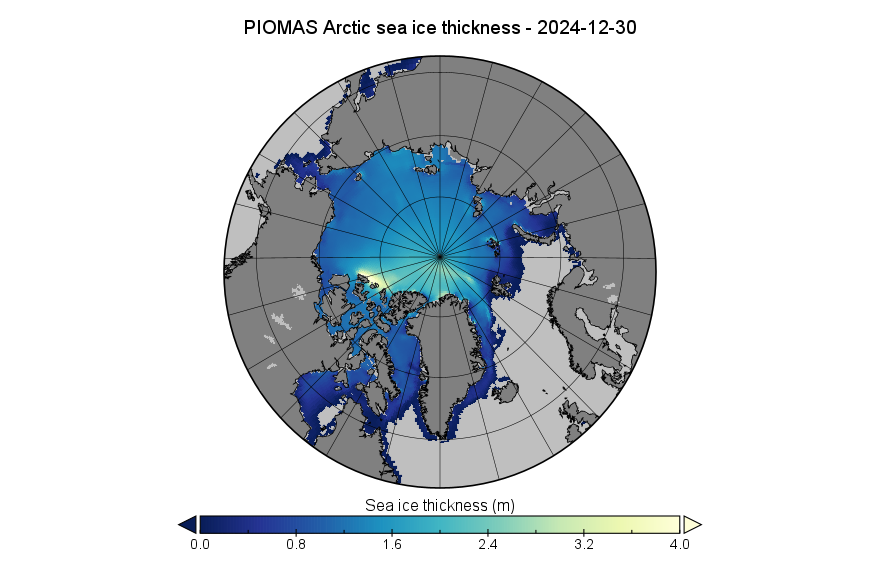
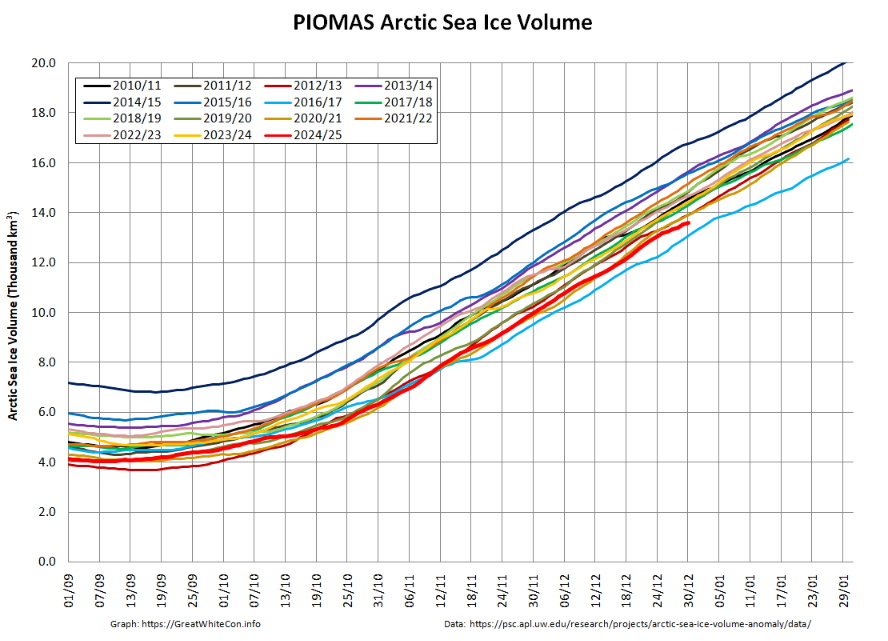
Due to the way PIOMAS handles the leap years the last gridded thickness data of 2024 is dated December 30th:
By December 30th Arctic sea ice volume had increased to 13.61 thousand km³, 2nd lowest for the date in the PIOMAS record:
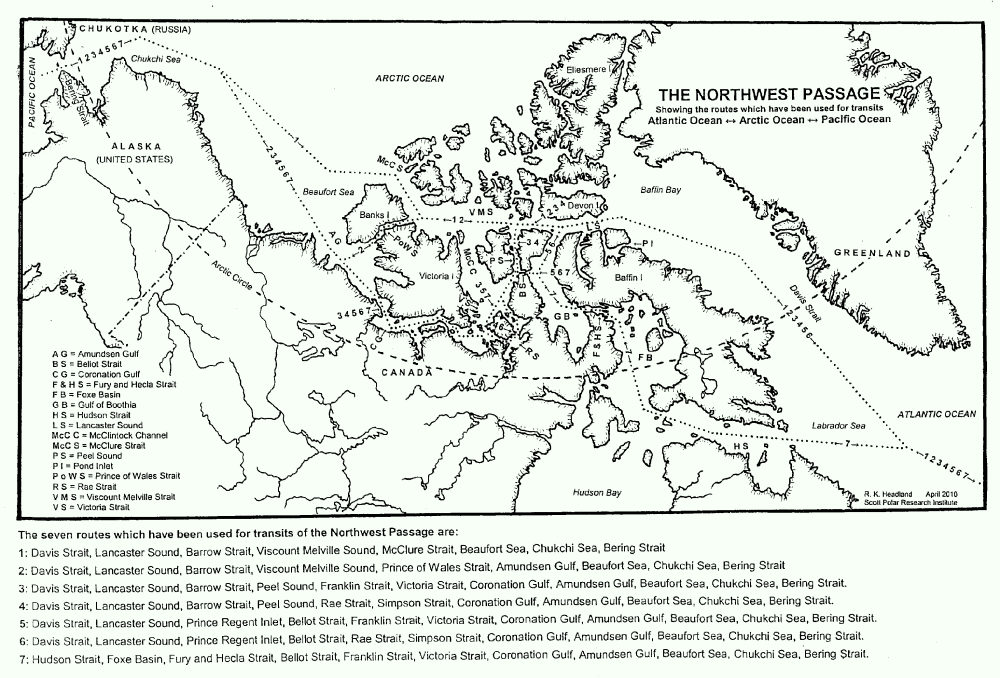
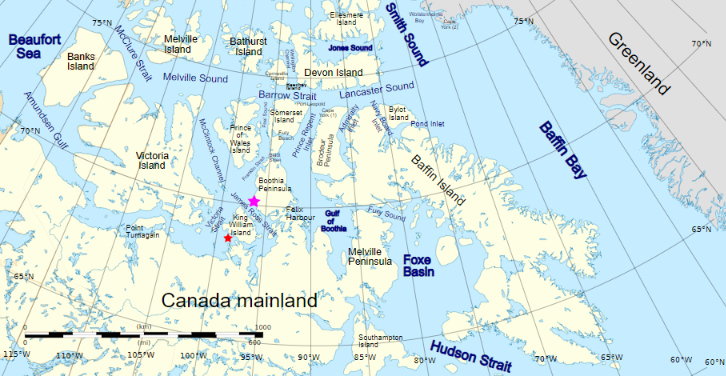
Some “pleasure craft” are currently heading up the west coast of Greenland en route to the Bering Strait via Lancaster Sound and one of the assorted routes through the Canadian Arctic Archipelago. For those of you unfamiliar with the geography of the Northwest Passage, here are couple of hopefully helpful maps:
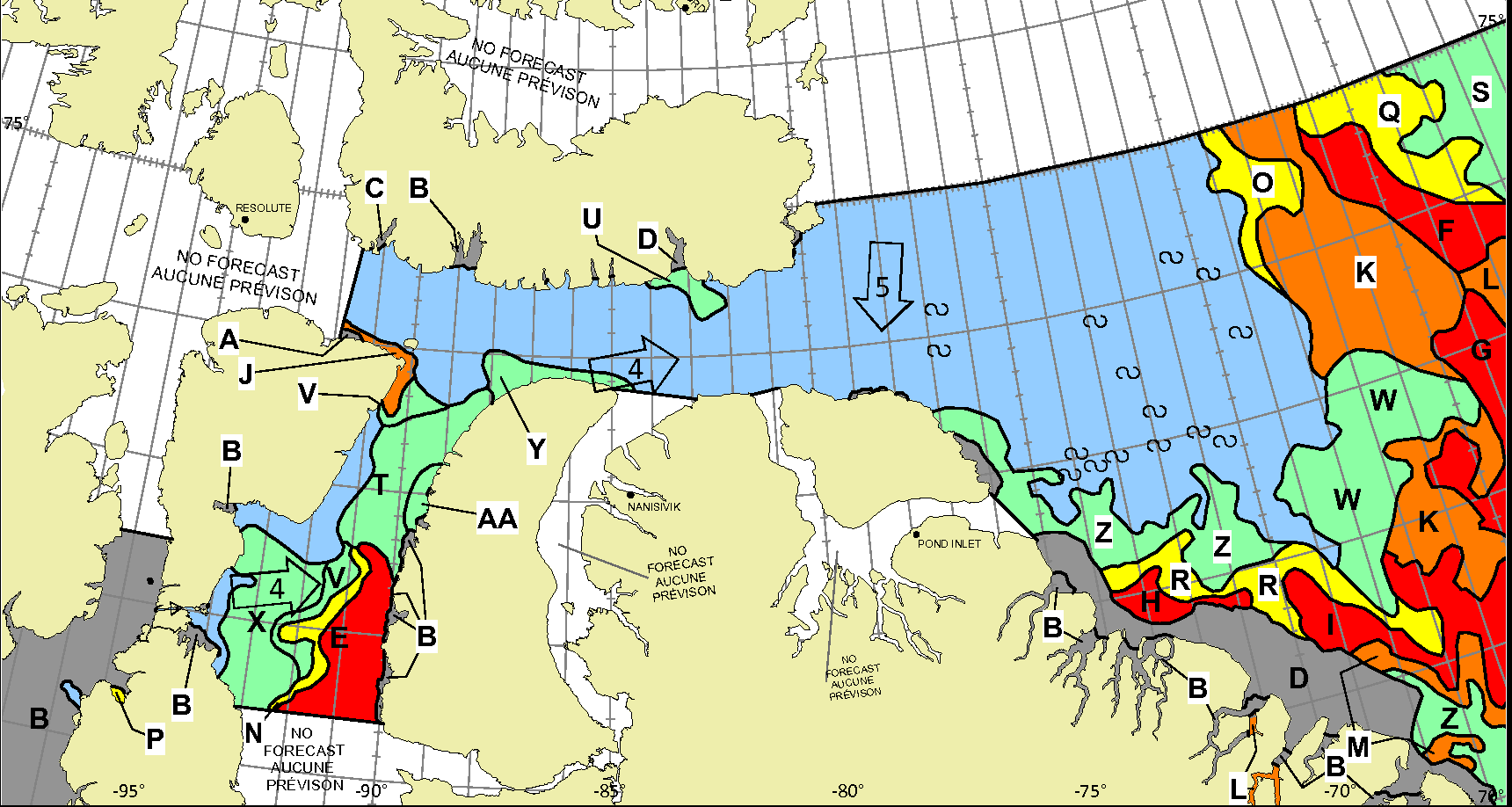
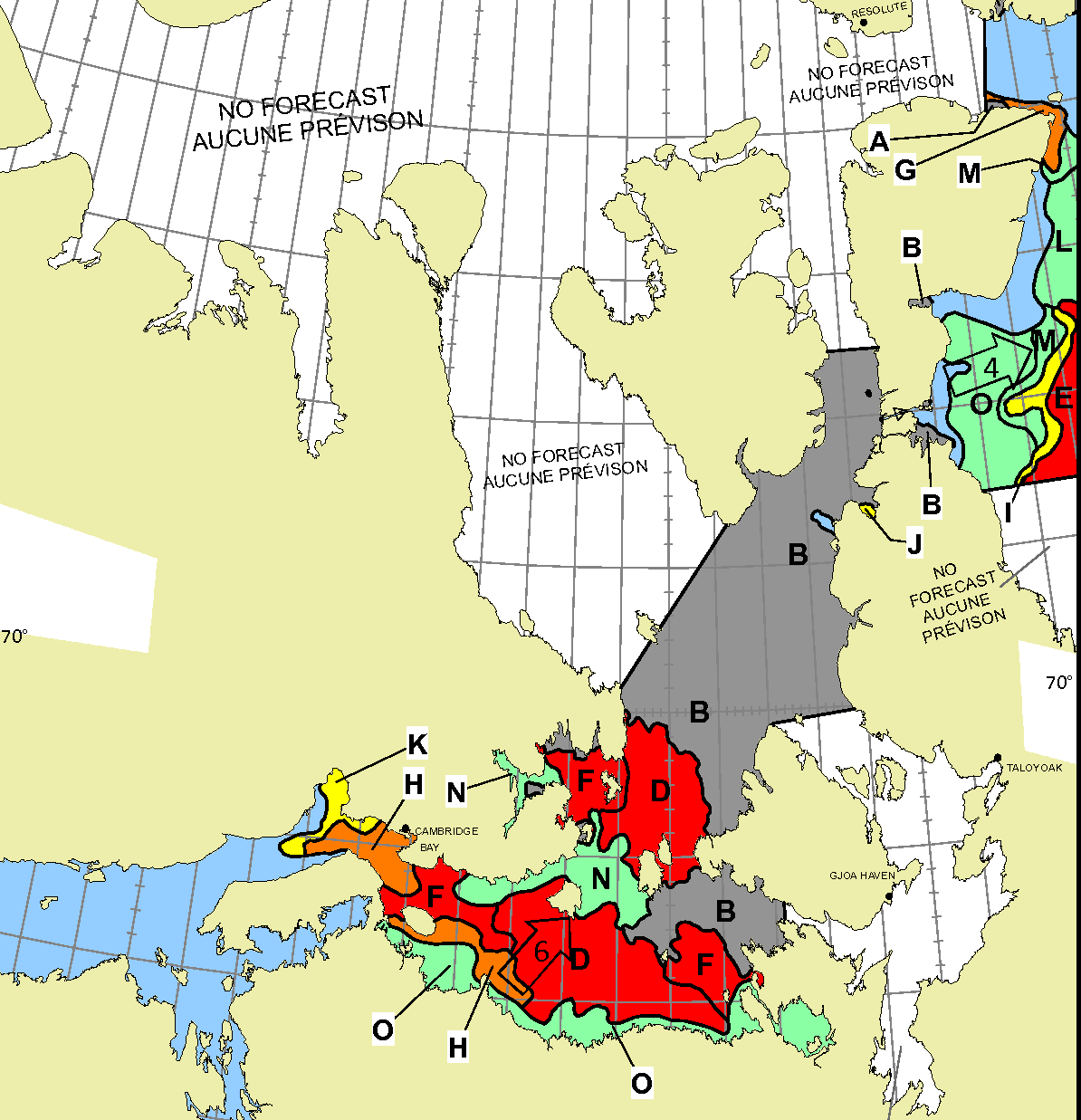
Whilst there is still ice blocking the route across Baffin Bay from Greenland, the Canadian Ice Service has already started daily coverage of the heart of the southern route through the Northwest Passage. There’s plenty of open water in Lancaster Sound and low concentration sea ice in Prince Regent Inlet:
Further south there is also open water in the Coronation Gulf, but the fast ice between Peel Sound and King William Island has not yet started breaking up:
This slightly cloudy satellite image of the Canadian Arctic Archipelago also shows that the exit of the northern route via McClure Strait into the Beaufort Sea is already navigable:
We’ve been following the voyage of the Canadian icebreaker CCGS Amundsen as he circumnavigated Banks Island. Now Amundsen is about to set off on the final leg of his 2021 Arctic campaign to conduct the “DarkEdge” study in northern Baffin Bay. According to the Amundsen Science web site:
7 October to 3 November – Cambridge Bay to Quebec City
During the final Leg of the 2021 Expedition, an integrated study (DarkEdge) will take place at the ice edge to study the key processes taking place during the fall-winter transition in northern Baffin Bay. The Sentinel North program will deploy an Autonomous Underwater Vehicle (AUV) and contribute to the Dark Edge campaign. The CCGS Amundsen will sail to Quebec City for the end of the annual expedition on November 3rd.
and according to Christian Katlein from the Alfred Wegener Institute:
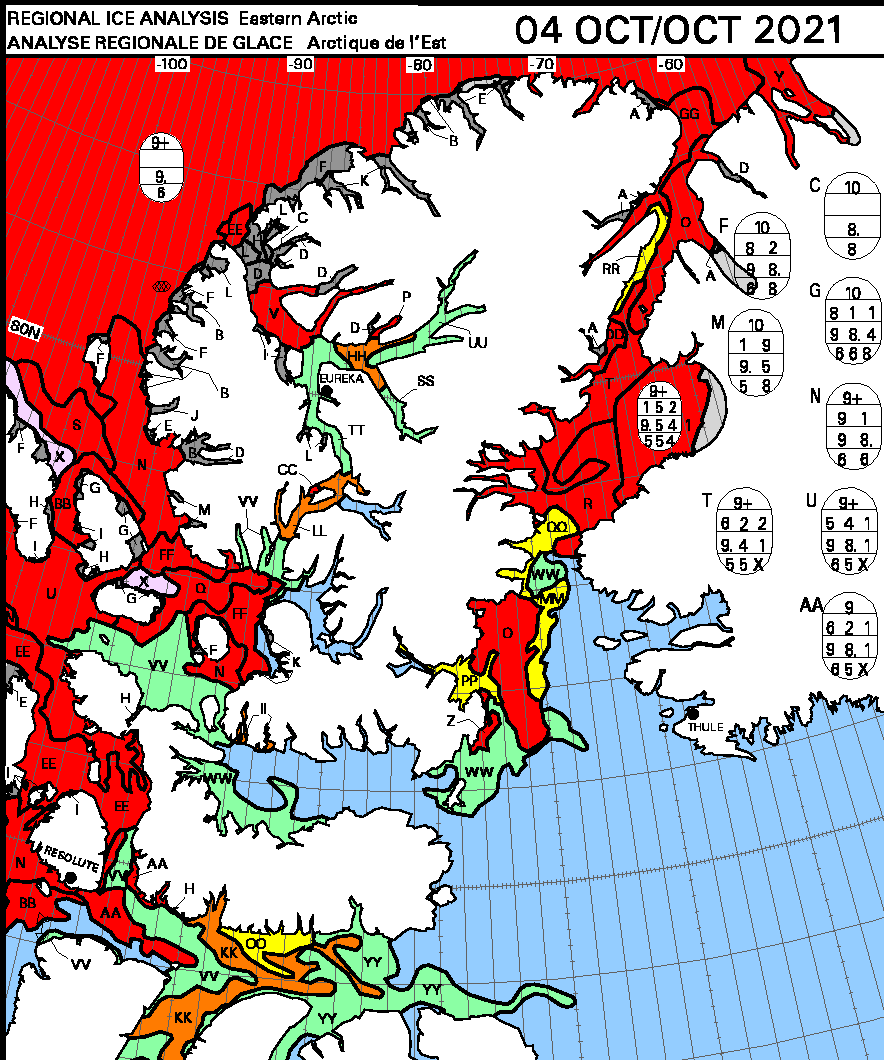
The Canadian Ice Service daily charts don’t currently cover the north of Baffin Bay, so here’s the most recent weekly which provides some idea of what Amundsen will be facing over the next few weeks:
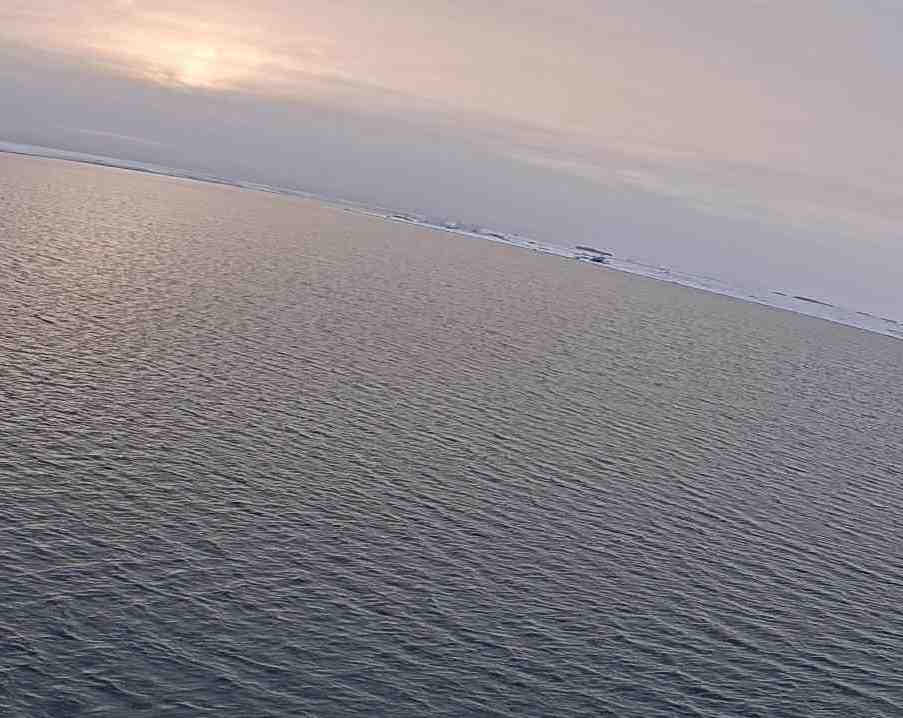
As Amundsen prepares to begin his voyage to the DarkEdge, here’s a watery sun setting over Cambridge Bay last night:
[Edit – October 11th]
Here’s the eighth video in Christian’s Sea Ice Stories series and the first from Amundsen itself, whilst moored in Cambridge Bay:
[Edit – October 12th]
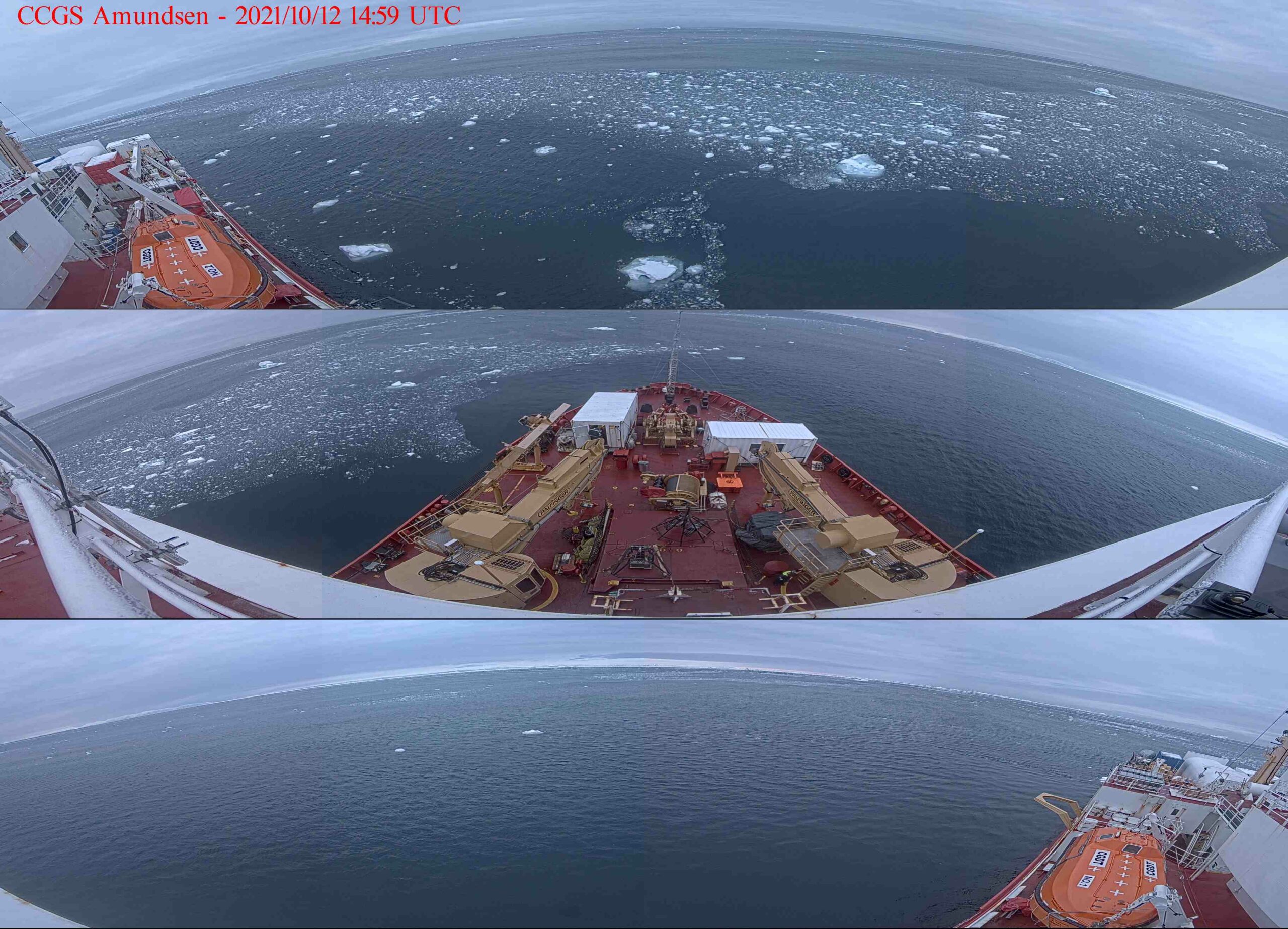
Amundsen has finally located a smidgen of sea ice in Baffin Bay, at approximately 76.10 N, 77.10 W. Click to enlarge:
[Edit – October 13th]
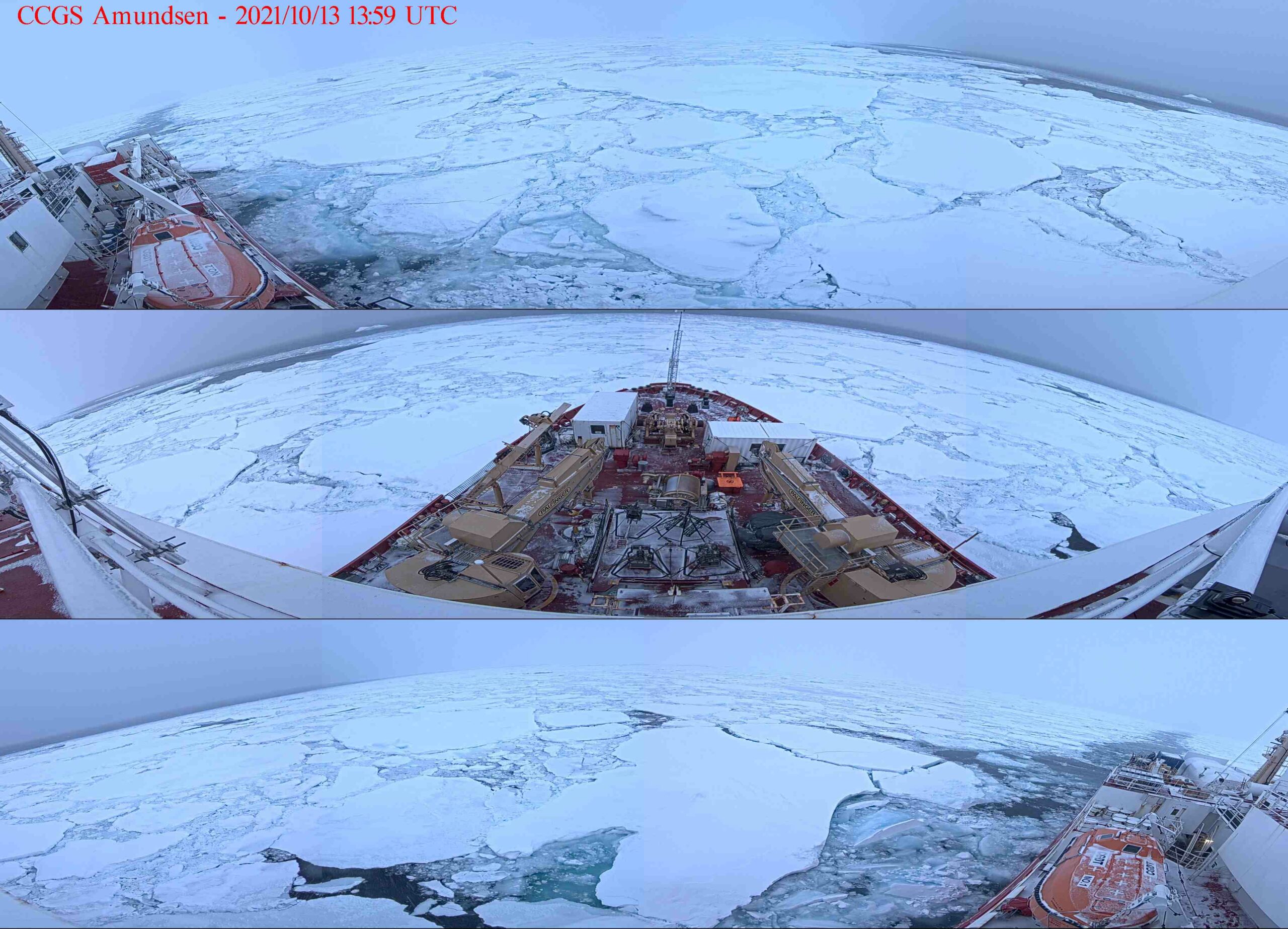
Amundsen has managed to find some more significant sea ice, this time located at around 76.30 N, 78.70 W:
Watch this space!
This website uses cookies to improve your experience. We'll assume you're ok with this, but you can opt-out if you wish. Cookie settingsACCEPT
Privacy & Cookies Policy
Privacy Overview
This website uses cookies to improve your experience while you navigate through the website. Out of these, the cookies that are categorized as necessary are stored on your browser as they are essential for the working of basic functionalities of the website. We also use third-party cookies that help us analyze and understand how you use this website. These cookies will be stored in your browser only with your consent. You also have the option to opt-out of these cookies. But opting out of some of these cookies may affect your browsing experience.
Necessary cookies are absolutely essential for the website to function properly. This category only includes cookies that ensures basic functionalities and security features of the website. These cookies do not store any personal information.
Any cookies that may not be particularly necessary for the website to function and is used specifically to collect user personal data via analytics, ads, other embedded contents are termed as non-necessary cookies. It is mandatory to procure user consent prior to running these cookies on your website.