Monthly Archives: August 2016

Northabout Braves the Northwest Passage

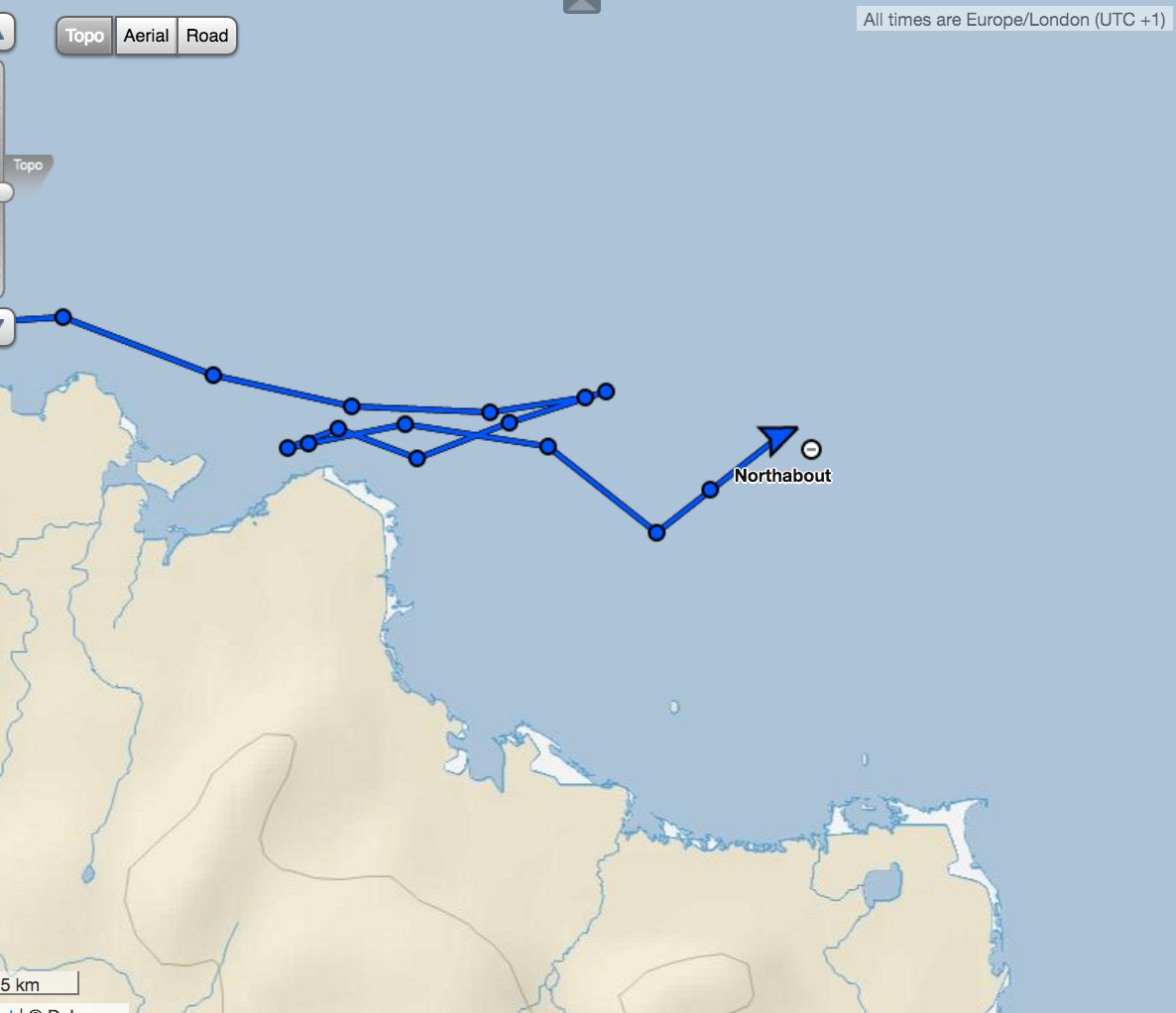
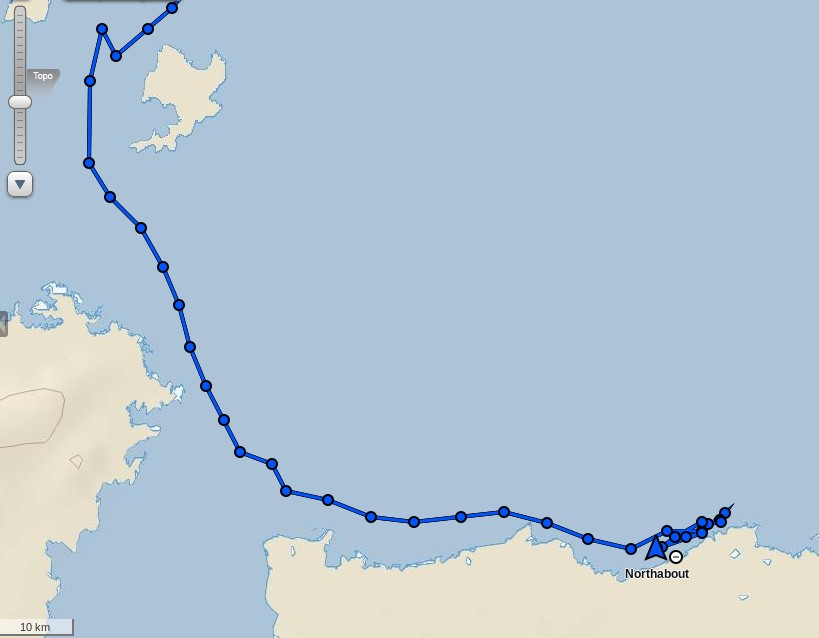
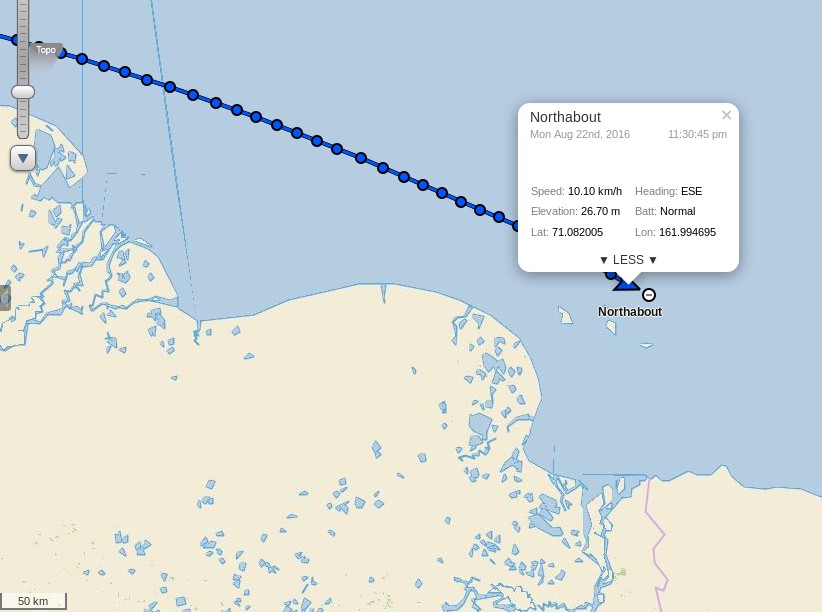
After the briefest of stops in Elson Lagoon behind Point Barrow Northabout is on the move once again:
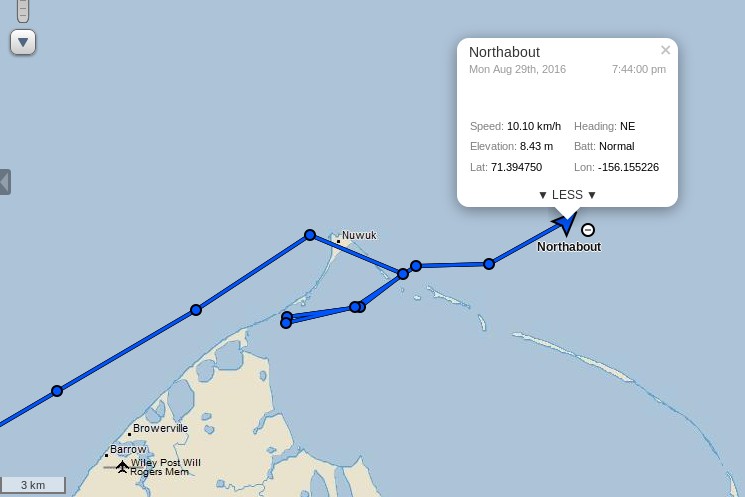
Northabout-20160829-2000

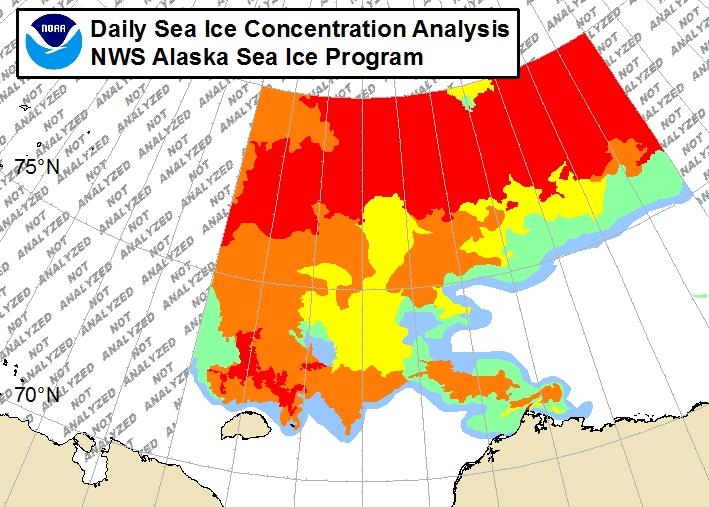
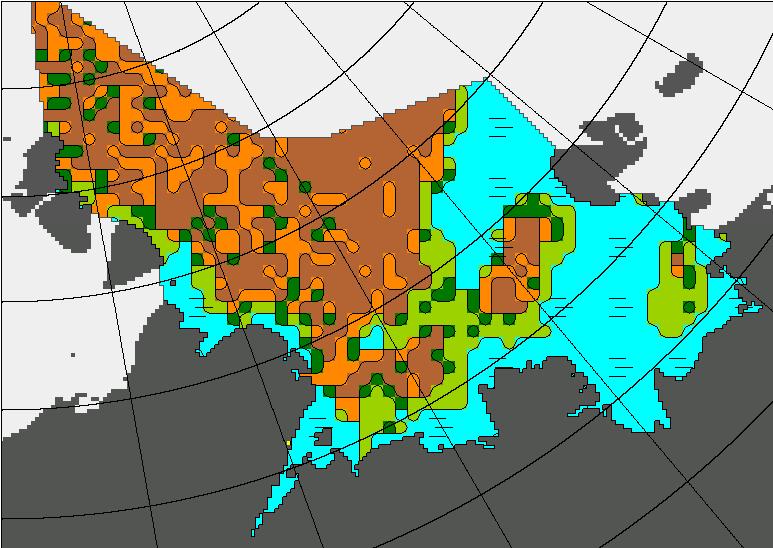
She’s currently heading out into the Beaufort Sea before following in the giant footsteps of the cruise liner Crystal Serenity in the direction of the Amundsen Gulf and the Canadian Arctic Archipelago. Here’s the United States National Weather Service’s current ice chart for Alaskan waters:
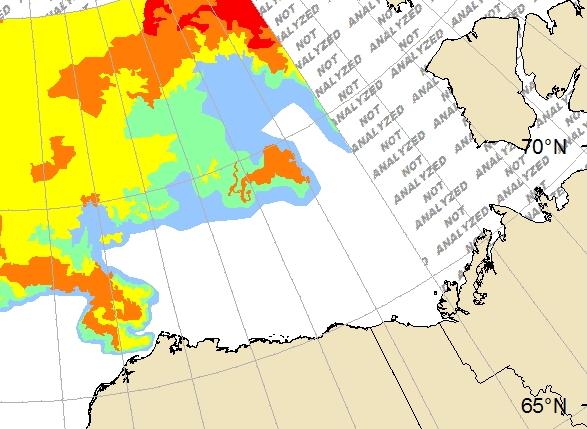
NWS-Alaska-20160828

There looks to be far less to worry about ice wise on the next leg of the Polar Ocean Challenge than on the previous one! The weather forecast isn’t too bad either, with high pressure over the Beaufort Sea and a fair bit of sunshine. Here’s the Weather Underground forecast for Ulukhaktok, Crystal Serenity’s first port of call in the CAA:
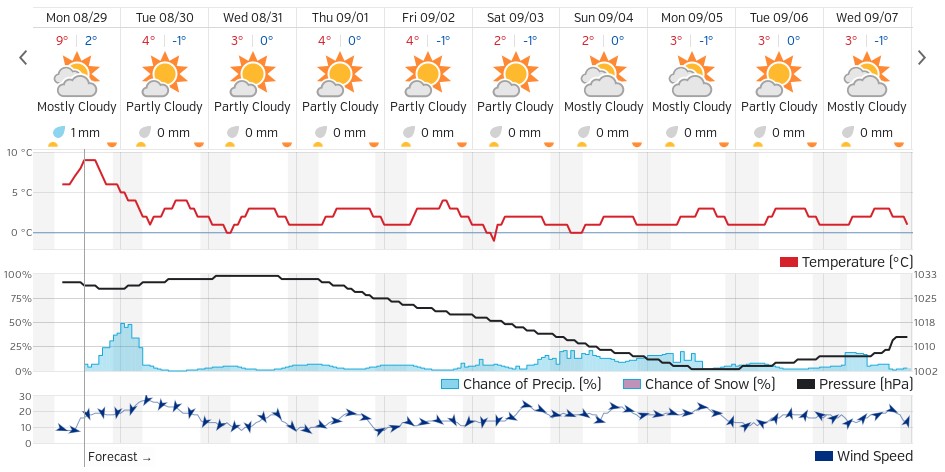
Wunderground-Ulukhaktok-20160829

There is currently a “small craft advisory” warning in effect for the Beaufort Sea coast:

CAPE HALKETT TO FLAXMAN ISLAND-
207 PM AKDT MON AUG 29 2016

…SMALL CRAFT ADVISORY IN EFFECT FROM TUESDAY MORNING THROUGH
TUESDAY AFTERNOON…

TONIGHT
E WINDS 20 KT. SEAS BUILDING TO 4 FT.

TUE
E WINDS 25 KT. SEAS 5 FT.

TUE NIGHT
E WINDS 20 KT. SEAS 6 FT.

WED
E WINDS 20 KT. SEAS 6 FT.

WED NIGHT
E WINDS 20 KT. SEAS 5 FT.

THU
NE WINDS 20 KT. SEAS 4 FT.

THU NIGHT
NE WINDS 15 KT. SEAS 4 FT.

FRI
N WINDS 10 KT. SEAS 2 FT.

SAT
N WINDS 15 KT. SEAS 3 FT.

All in all it looks like fairly plain sailing for the foreseeable future, with only occasional moderate headwinds to contend with.


[Edit – August 30th]

It seems my “fairly plain sailing” conclusion was overly hasty. According to the latest “Ship’s Log“:

The weather forecast is pants. A 30/35 knot headwind along the coast . No one has the appetite for it, so we are heading North, slacker winds, staysail out, still a choppy sea and uncomfortable, but not as bad as 30 knots. Hopefully no ice tonight on my watch.

This is the end result:
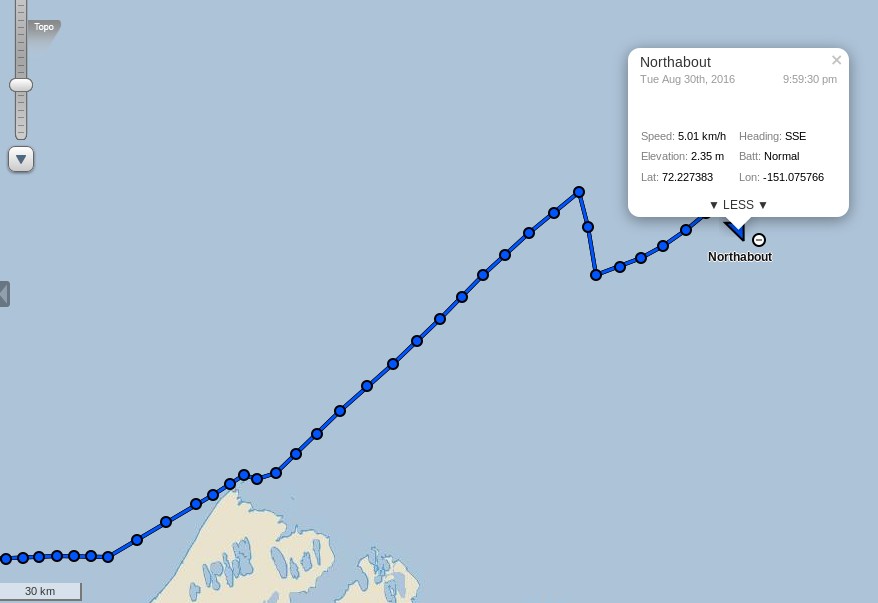
Northabout-20160830-2200

As Phil points out below:

Our next stop along the North West Passage is Tuktoyaktuk. That’s when we can use a pontoon, get rid of our rubbish, fill the tanks, do the laundry and have a shower. 500nm away.


[Edit – August 31st]

The Polar Ocean Challenge team report via Twitter:


[Edit – September 3rd]

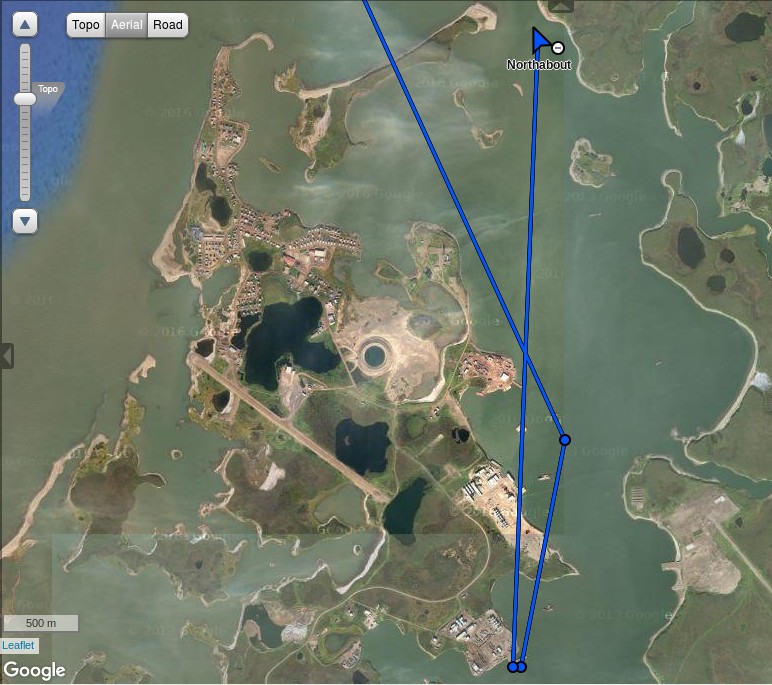
Last night Northabout reached Tuktoyaktuk near the delta of the great Mackenzie River:
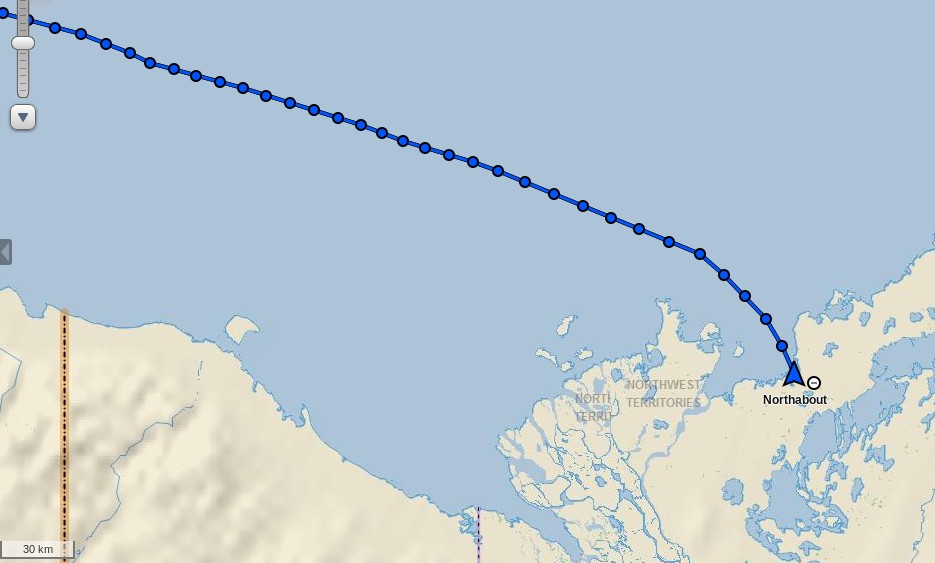
Northabout-20160903-1000

The Polar Ocean Challenge team have had some repairs to do after the stormy start to their trip from Barrow:

They have some more to carry out in Tuk too. Despite the great “groove” displayed above Ben Edwards reports that:

Joy of joys, the auto-helm’s stopped working. Dad (Steve Edwards, crew), thinks he knows why so we’ll hopefully be able to fix it in Tuk. In the meantime we’re back to helming by hand. This is a mixed blessing, on the one hand it’s really irritating to have to helm in large swells and with a strong headwind because any movement you make is at first ignored, and then exaggerated by, the wind. So it’s hard to keep a decent track and it makes it harder to look out for ice. On the other hand, moving and putting effort into the steering keeps you warm which is nice and it means you don’t have to put as many clothes on which is also nice because when you go down stairs and it’s twenty four degrees it can get quite uncomfortable.


[Edit – September 4th]

Northabout has just left Tuktoyaktuk:

Northabout-20160904-1445

Her crew have been refreshed and her auto-helm has been repaired with the assistance of numerous people from Tuk:

We all had our job lists, ice lights, bilge pumps, laundry, shopping but the man who gets the Vodka Salute is unquestionably Steve.

I dropped him off wth Willard. Two peas in a pod. They made a broken Pilot Spigot. That sounds quite easy but it took the whole day in a machine shop in a container, working to fine tolerances, and many modifications. Fitting it in the bowels of the Lazzerette in cold weather and driving rain. It worked first time. Brilliant effort.

Here’s the current weather forecast for the area:

Issued 07:00 AM MDT 04 September 2016
Today Tonight and Monday

Wind – Northwest 15 knots diminishing to light late this morning then becoming northwest 15 Monday morning.
Waves

Seas – 1 metre.

Weather & Visibility – Chance of showers changing to periods of rain near noon then to chance of showers tonight and Monday. Fog patches dissipating early this evening.

My famous last words? Plain sailing by the look of it!


[Edit – September 5th]

Northabout has just rounded Cape Bathurst, the northernmost point of mainland Northwest Territories:
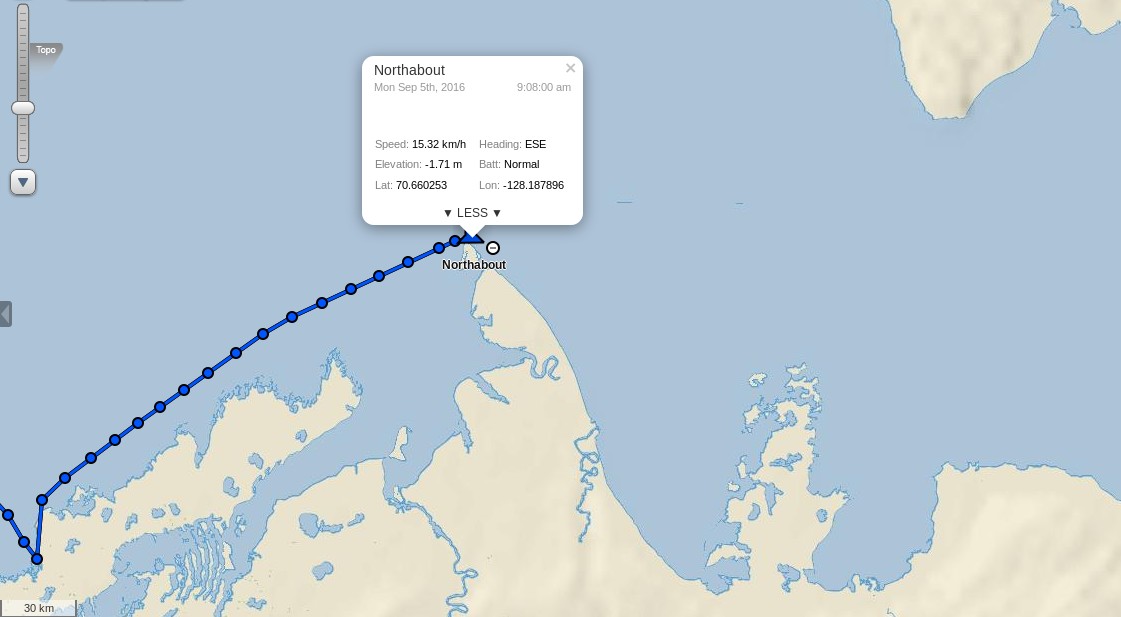
Northabout-20160905-0930

I wonder if her crew will take a close look at the nearby Smoking Hills?


[Edit – September 6th]

Northabout gave the Smoking Hills a miss and headed strait for Cape Parry. She has already crossed the Amundsen Gulf and is heading into the Dolphin & Union Strait:
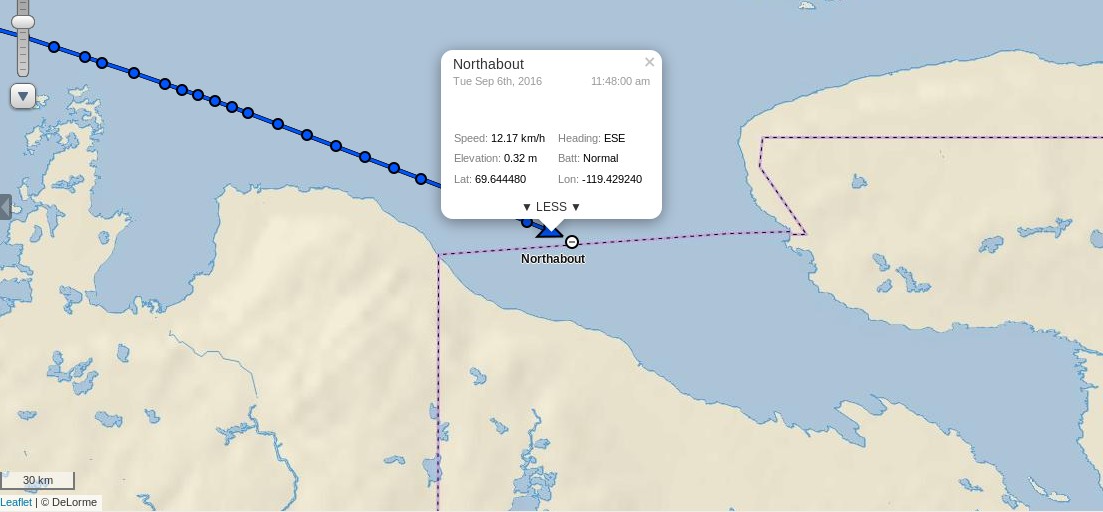
Northabout-20160906-1200

According to Ben Edwards’ latest blog post:

In light of the lack of ice and in the spirit of saving time we’ve decided not to stop in Cambridge Bay or Pond Inlet and go straight on to Upernavik in Greenland before doing our crew change. Looking at the ice maps at the moment it seems we’ll be able to get through with little or no trouble, though this is almost bound to change, if it stays that way we’ll reach Upernavik in about fourteen days. I’m looking forward to it!


[Edit – September 7th]

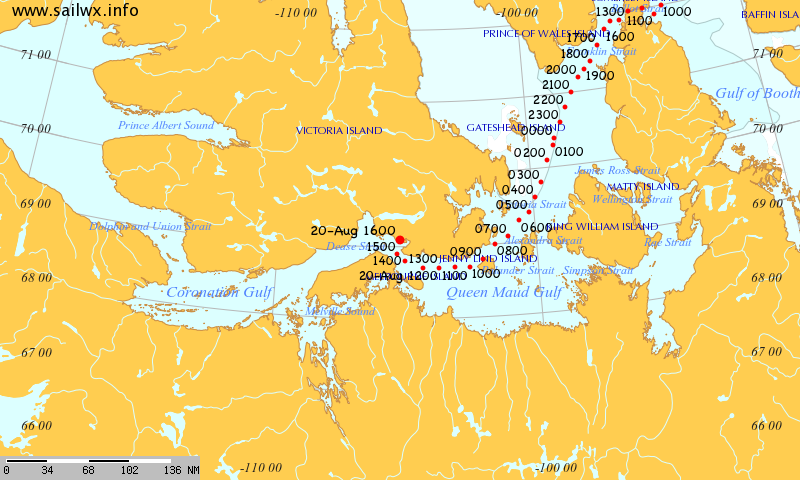
Northabout has reached Coronation Gulf this morning (UTC):
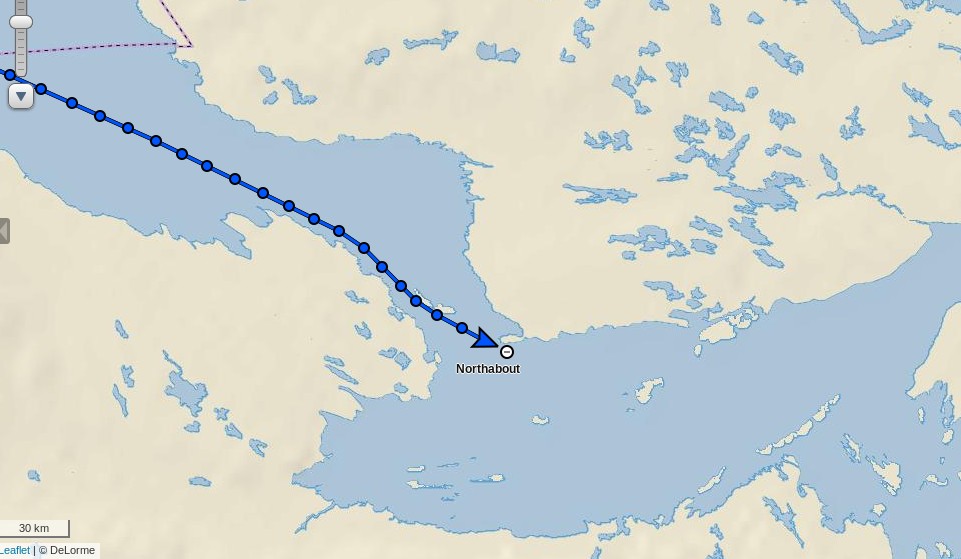
Northabout-20160907-0930

According to their recent reports the plan is to pass Pond Inlet without stopping. The weather up there is starting to look rather wintry:
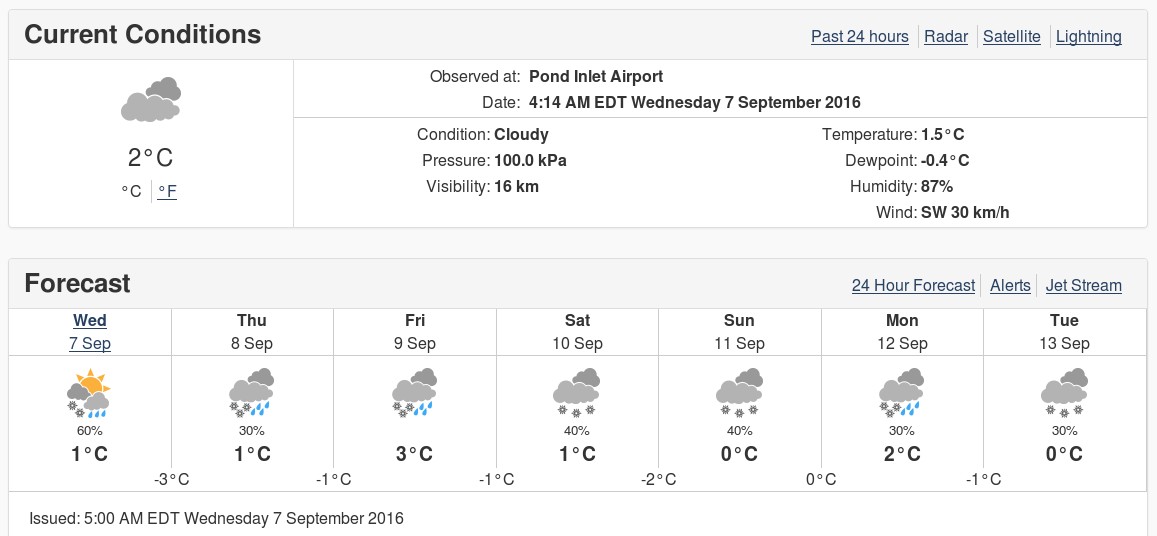
PondInlet-20160907


[Edit – September 9th]

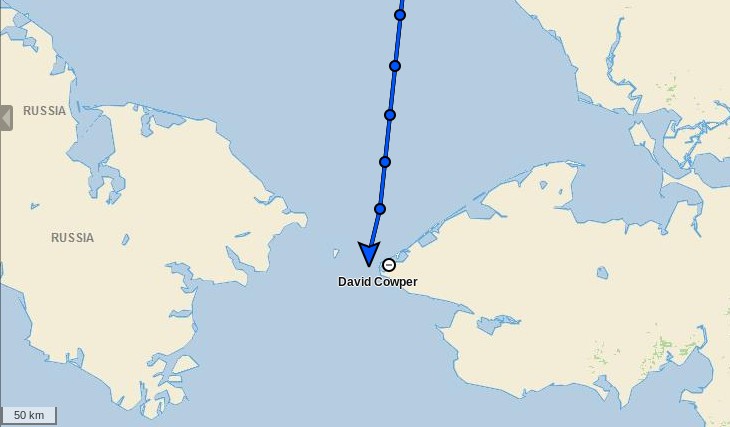
The Polar Ocean Challenge team report via Twitter that they have seen and chatted to David Scott Cowper:

as well as spotting some more ice:


[Edit – September 10th]

This morning Northabout is rapidly approaching the western entrance to Bellot Strait:
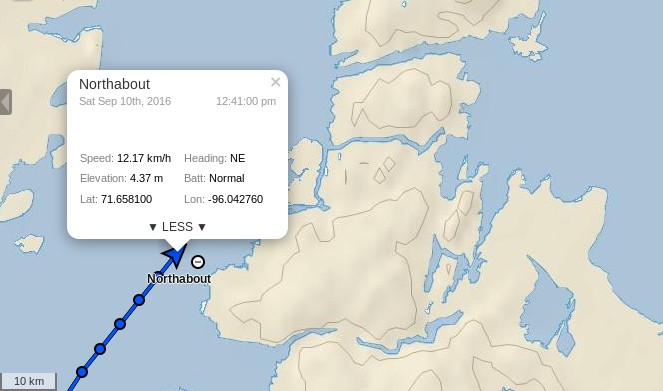
northabout-20160910-1300

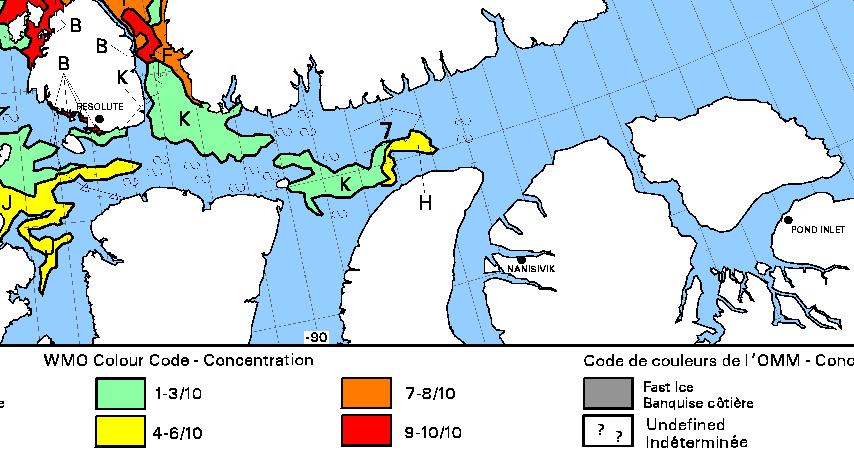
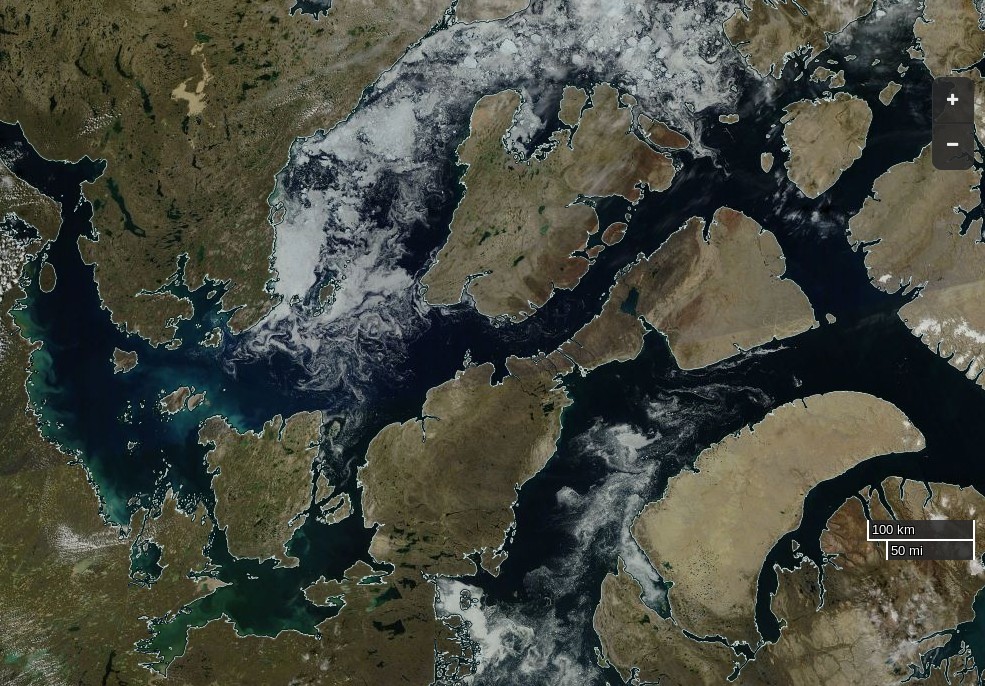
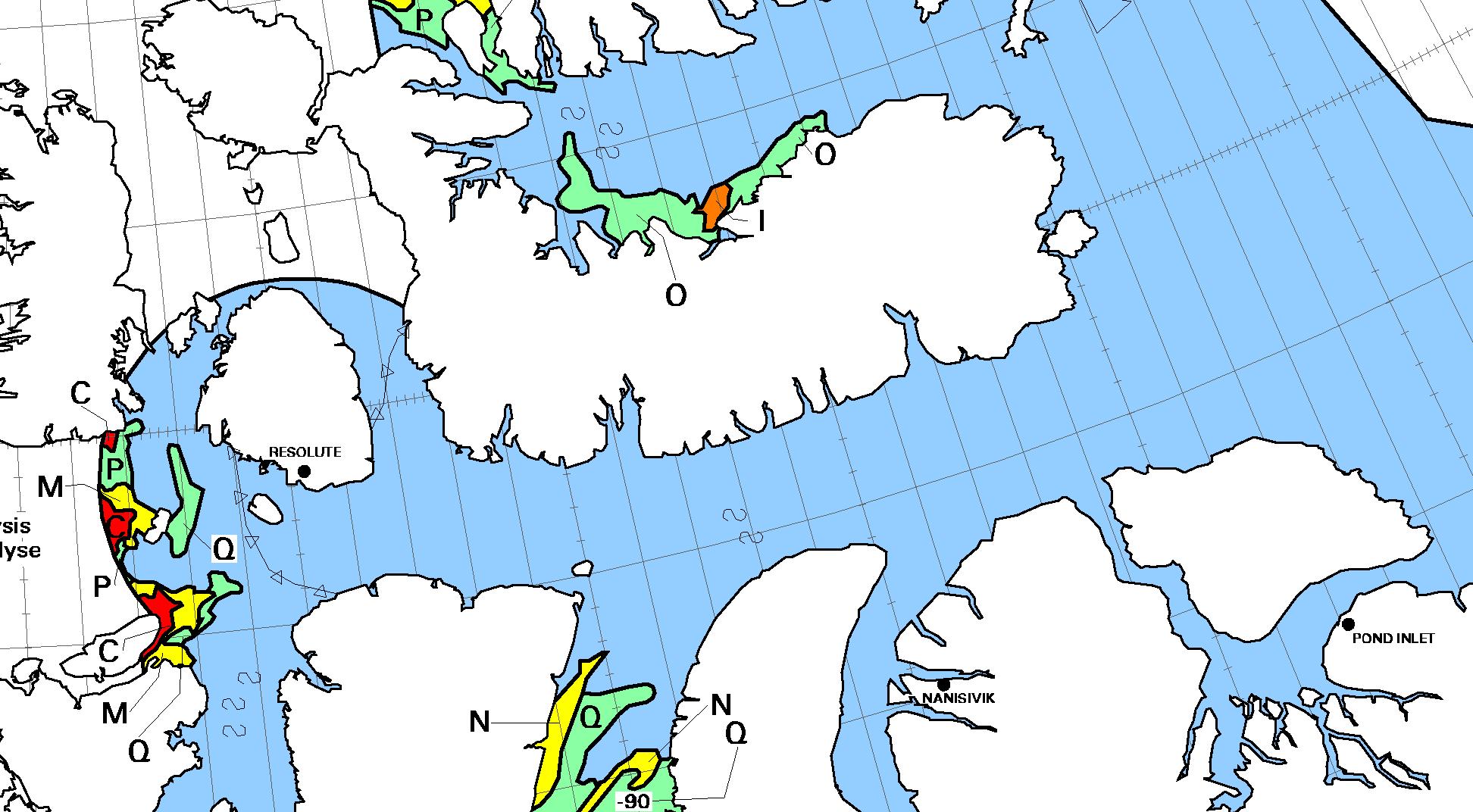
Their stated intentions are to head past Pond Inlet and across Baffin Bay to Upernavik in Greenland. Assuming they initially follow the same route as Crystal Serenity they will soon to need to pick their way past some bergy bits in Prince Regent Inlet before negotiating some currently “wispy” areas of sea ice as they enter Lancaster Sound. Here is the current Canadian Ice Service chart for the area:
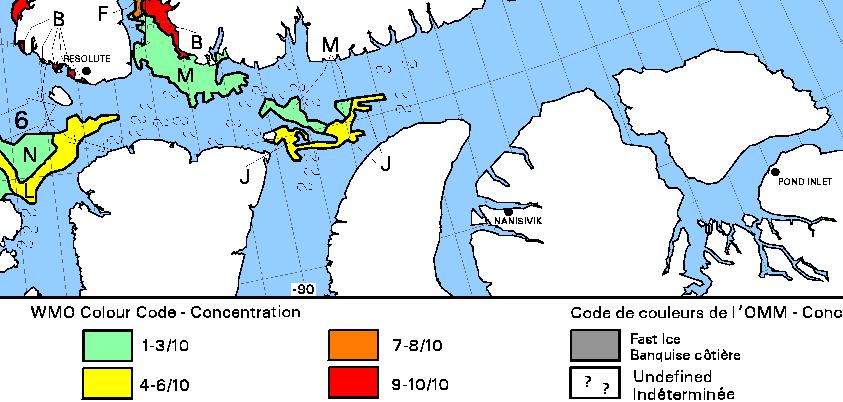
resolute-20160909-1800

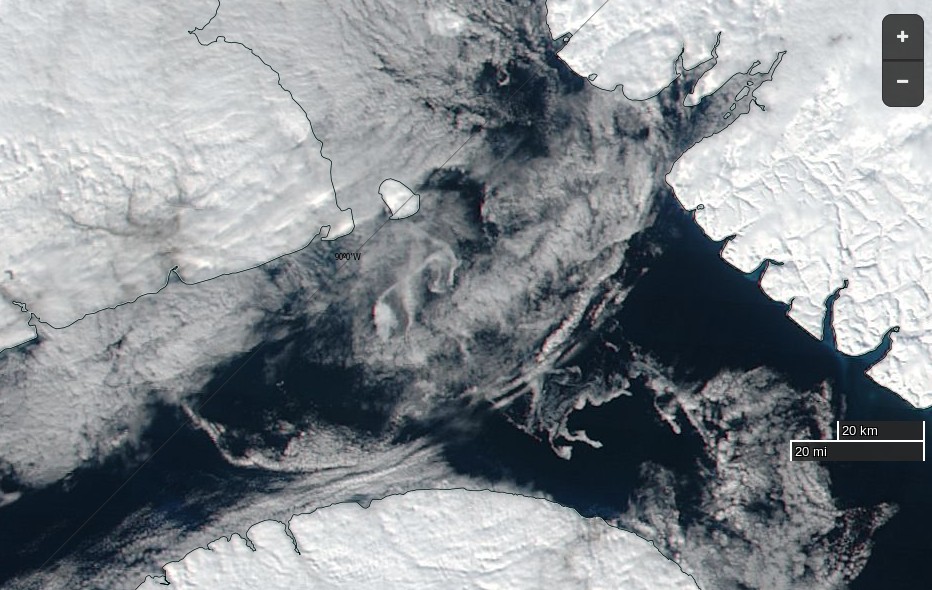
plus a rather cloudy “visual” image:

lancaster-suomi-20160909

The current weather forecast for Pond Inlet doesn’t suggest the parts of the Northwest Passage still on Northabout’s route are going to start refreezing just yet:
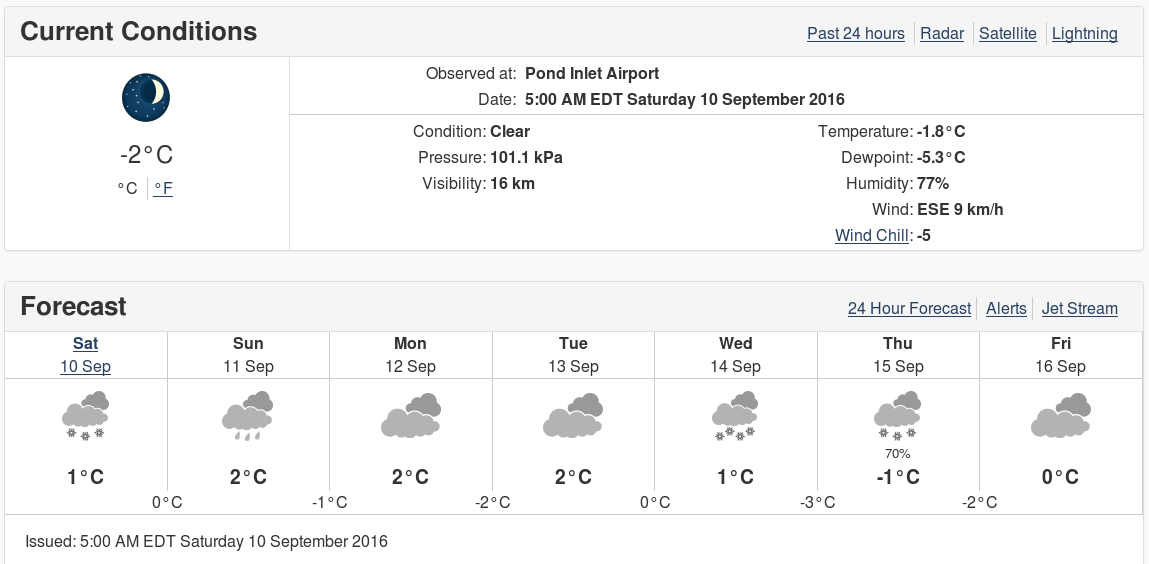
pondinlet-20160910

Currently there is an obvious passage past the existing ice, but that may of course have changed by the time Northabout gets there.


[Edit – September 10th PM]

Northabout has just emerged safely from the eastern end of Bellot Strait:
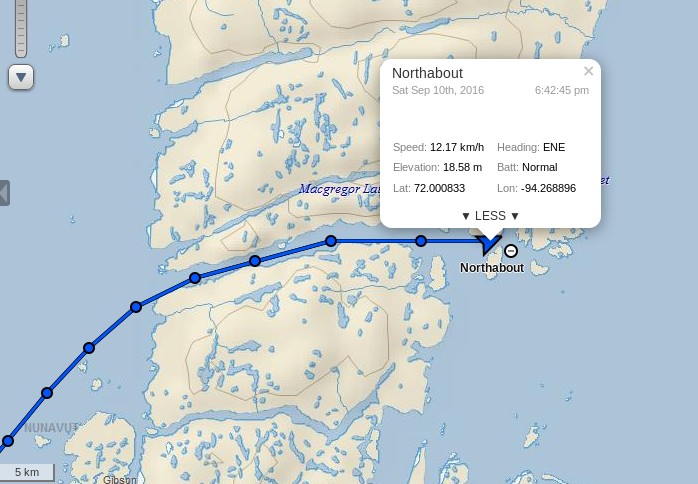
northabout-20160910-1900

I wonder if her crew will stop to make a new entry in the visitors book at Fort Ross?


[Edit – September 11th]

Here’s the latest CIS ice chart:

resolute-20160910-1800

The gap between the coast and the yellow area of 4-6/10 concentration ice has closed considerably, and there’s now a broad expanse of 1-3/10 ice which Northabout may be forced to try and wend her way through. A change in wind direction would come in very handy, and that’s just what the ECMWF forecast at Windyty is suggesting for Sunday 11th:
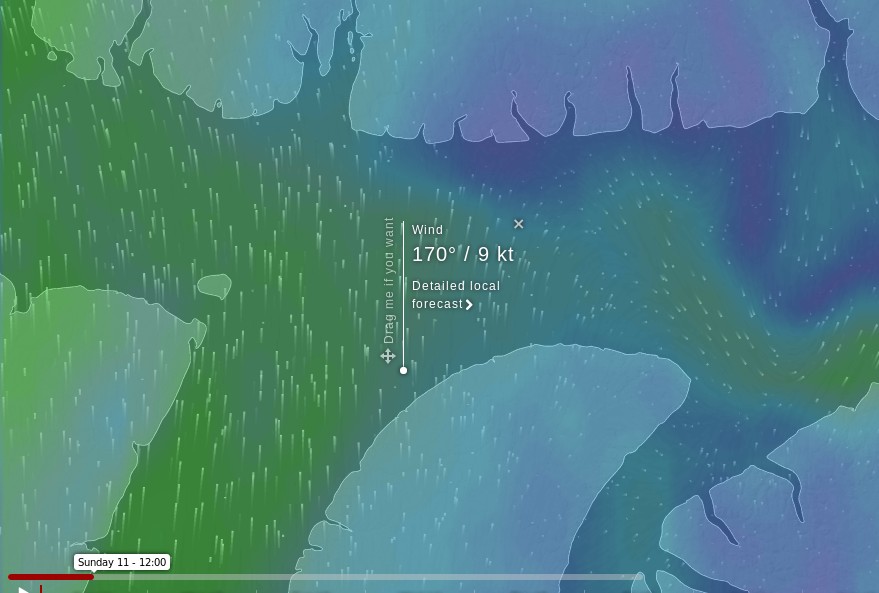
ecmwf-20160911-1200

Just what the doctor ordered?


[Edit – September 11th PM]

Video shot from Northabout’s drone of her ice-free passage through Bellot Strait:

However the passage from Prince Regent Inlet into Lancaster Sound has not proved to be ice-free!


[Edit – September 11th 20:30 UTC]

Northabout is obviously endeavouring to skirt around the eastern edge of the 4-6/10 old ice in her path:
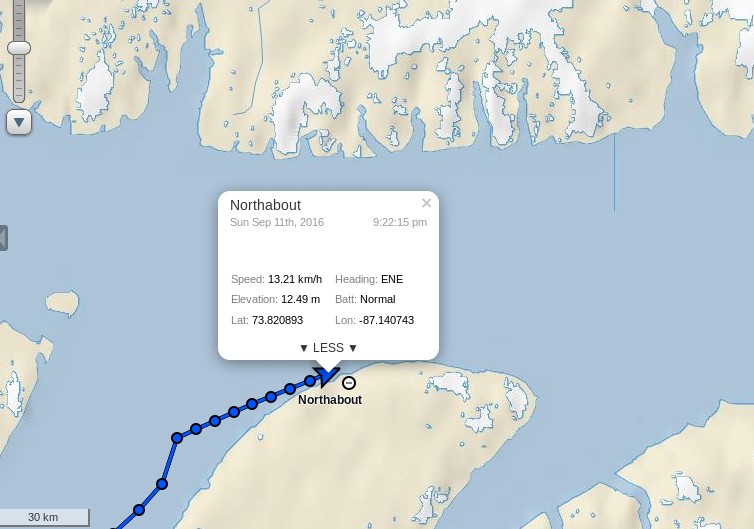
northabout-20160911-2130

Today’s CIS ice concentration chart suggests there isn’t much room to spare:
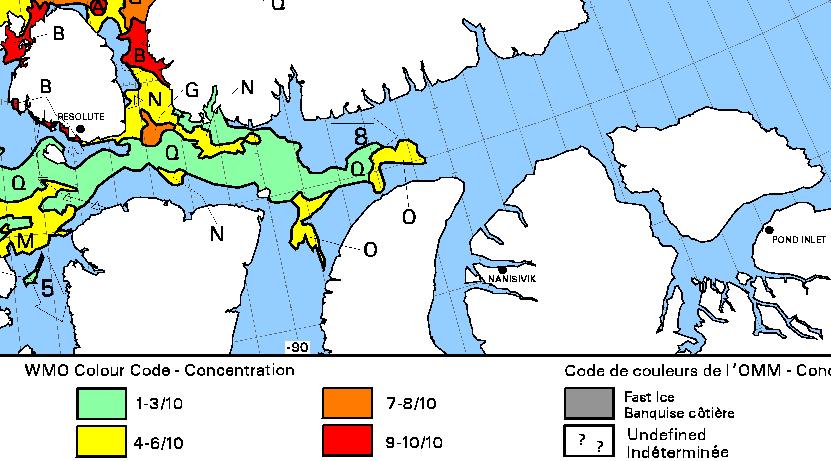
resolute-20160911-1800

The stage of development chart does reveal some new ice, but it’s well to the north of Northabout’s route through Lancaster Sound to Pond Inlet:
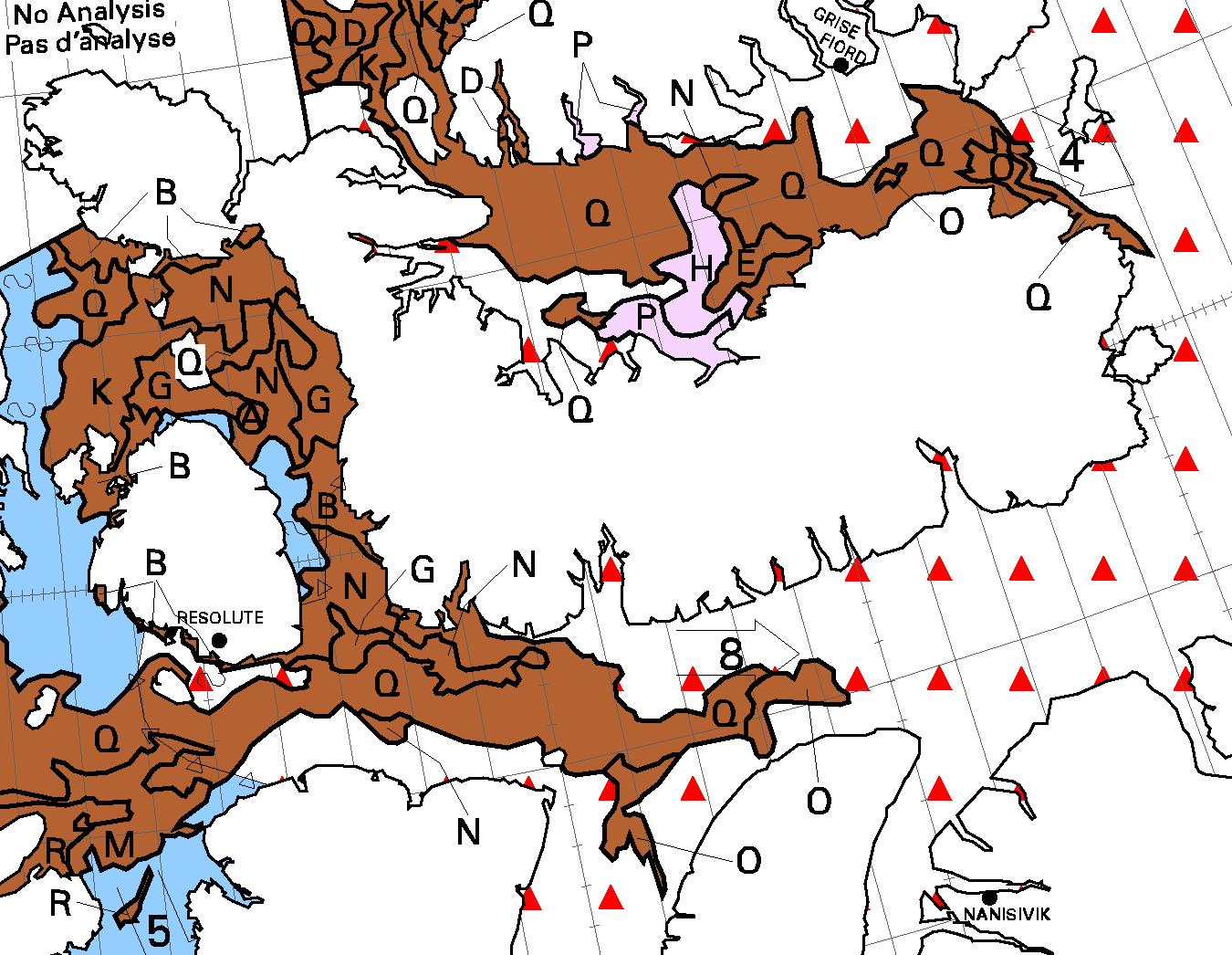
resolute-devel-20160911-1800

Somewhat belatedly, here’s a Sentinel 1A synthetic aperture radar image of the sea ice Northabout is squeezing past as we speak:
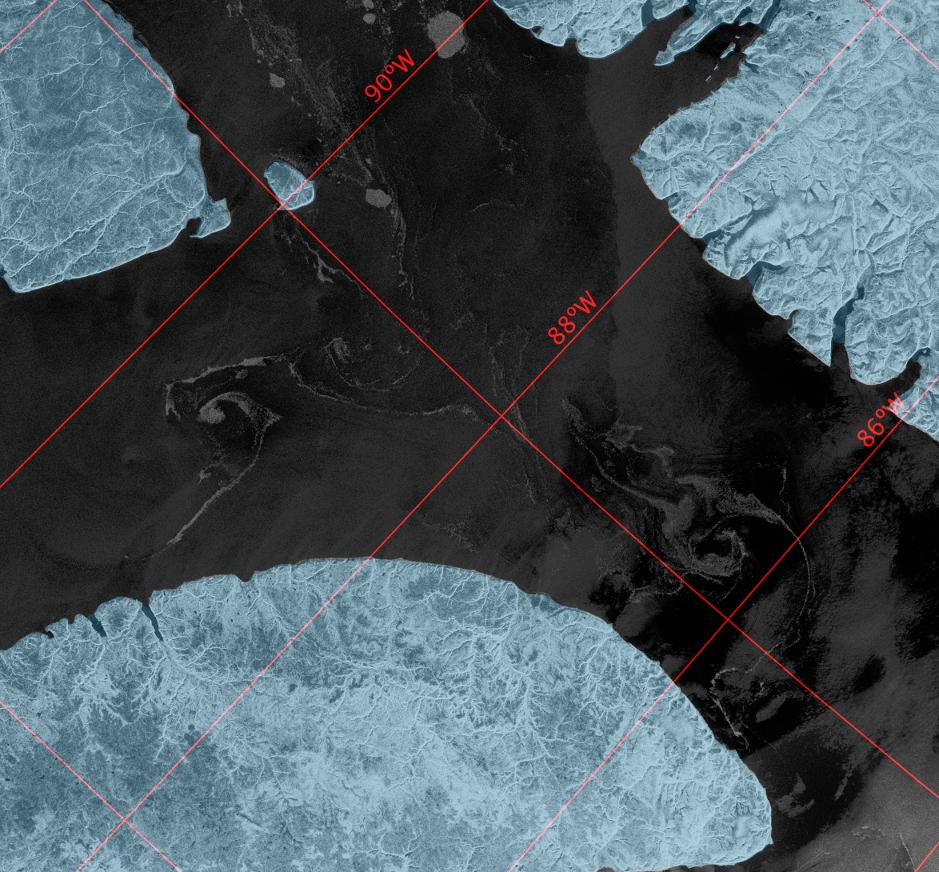
s1a_ew_grdm_1sdh_20160911t125111_c6c8


[Edit – September 12th]

Northabout has emerged safely into Lancaster Sound, and is bypassing Pond Inlet in order to head strait across Baffin Bay:
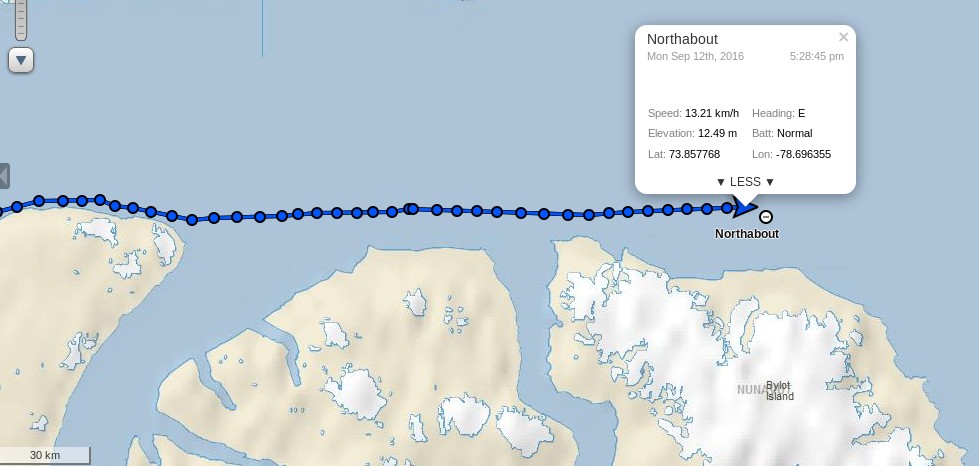
northabout-20160912-1800

Here are a couple of videos of some remnants of sea ice on her once again eastward travels:

There are several more on the Polar Ocean Challenge web site.

With all that ice now safely behind her Northabout has new dangers to face. Wind and waves! Let’s take a look at the WaveWatch III “surf forecast” for Baffin Bay over the next few days. A low pressure area is heading in Northabout’s direction from across the Canadian Arctic Archipelago. By Wednesday morning (UTC) the resultant wind field looks like this:
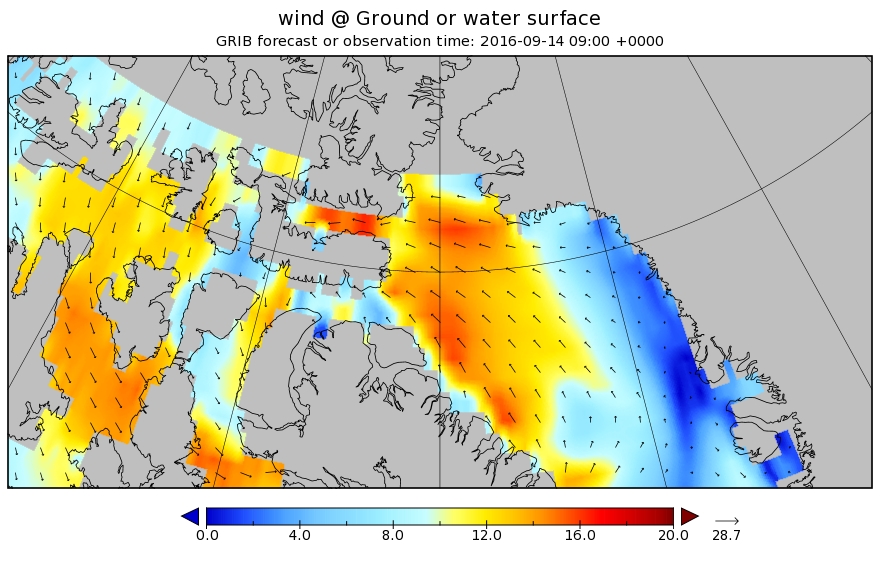
u-component_of_wind_surface-in-multi_2-glo_30m-20160912_00058

By Wednesday afternoon those winds of around 15 m/s will have produced waves in Baffin Bay that are forecast to have reached over 3 meters high:
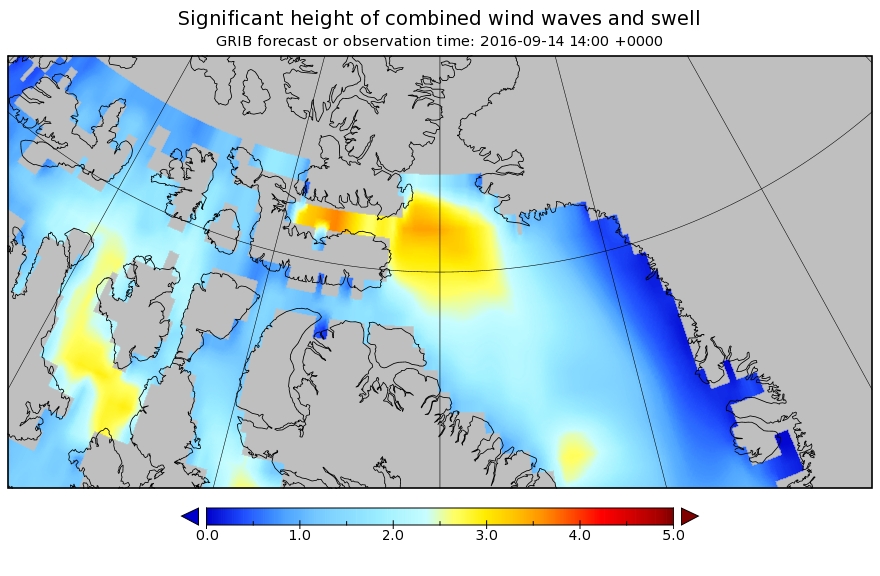
significant_height_of_combined_w-in-multi_2-glo_30m-20160912_00063

and what’s more they won’t be just wind waves. A modest swell with a period of over 12 seconds is predicted too:
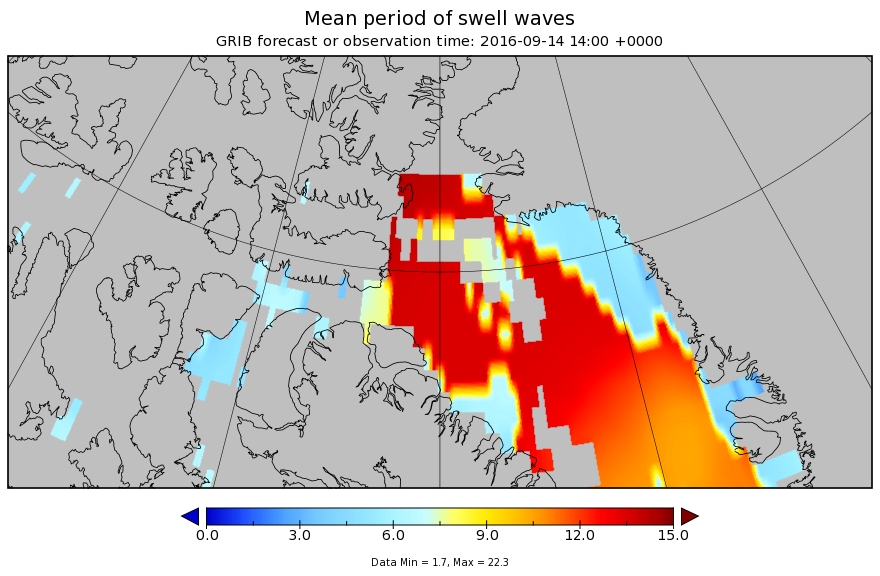
mean_period_of_swell_waves_order-in-multi_2-glo_30m-20160912_00063

I’m sure the Polar Ocean Challenge team will be doing their level best to be safely on the opposite side of Baffin Bay by the time the worst of the weather arrives!


Previous Polar Ocean Challenge articles:

Non Fiction:

Northabout Races for the Date Line

Northabout Meets Some Serious Sea Ice

Northabout Bides Her Time

Northabout’s Great Adventure

Satire:

Could Northabout Sail to the North Pole?

Fiction:
Is the Polar Ocean Challenge About to End in Disaster?

David Scott Cowper Makes History – Again

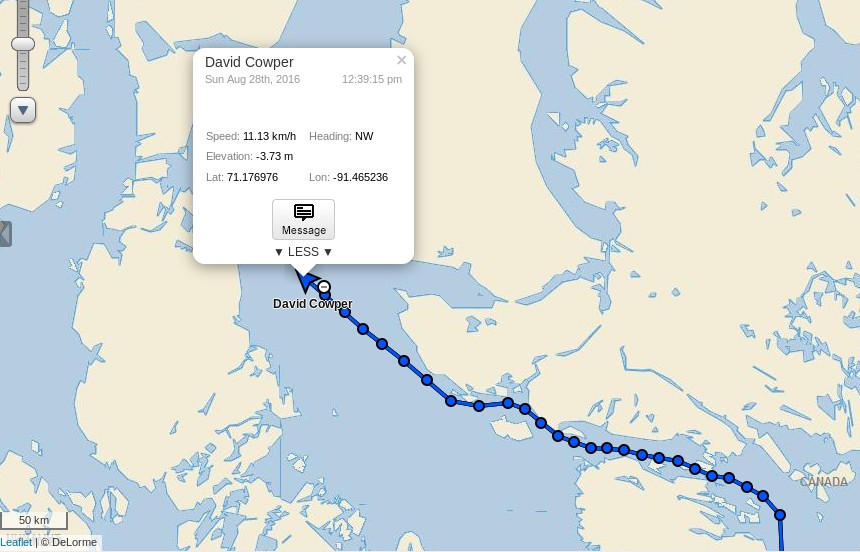
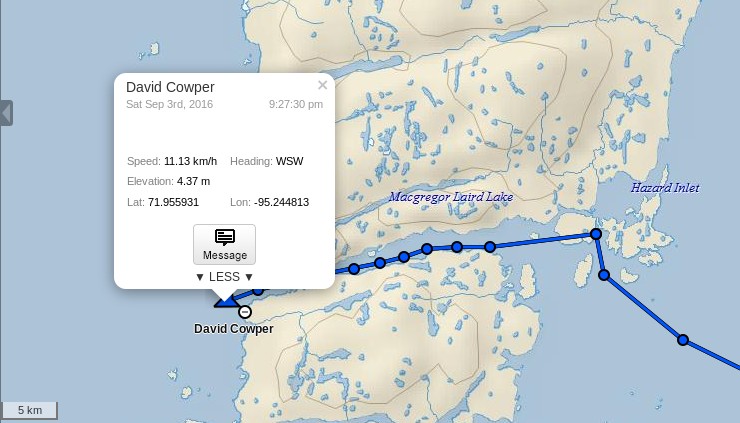
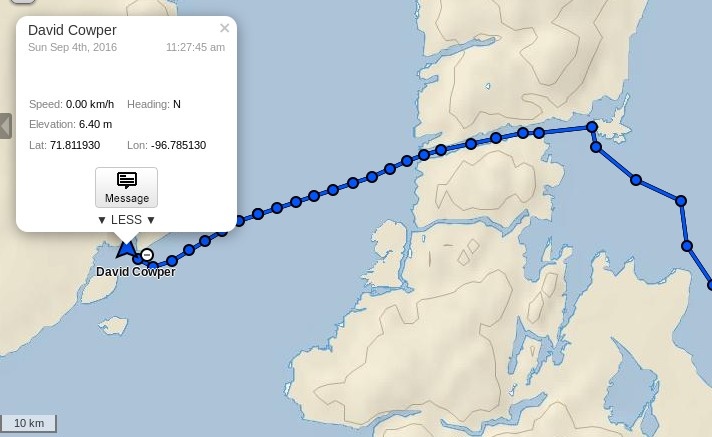
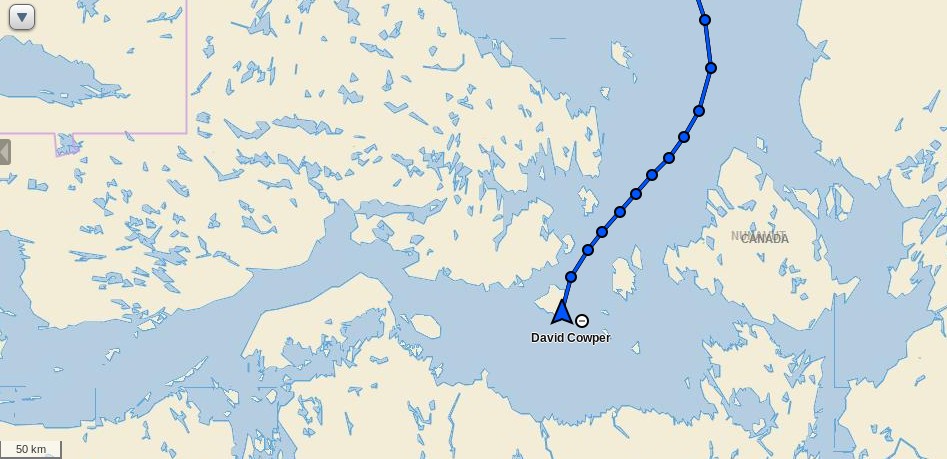
David Scott Cowper in Polar Bound is currently approaching the eastern entrance to Bellot Strait in the heart of the Northwest Passage. There’s nothing unusual in that in this day and age, you may think, but take a look at how he got there:

PolarBound-20160828-1300

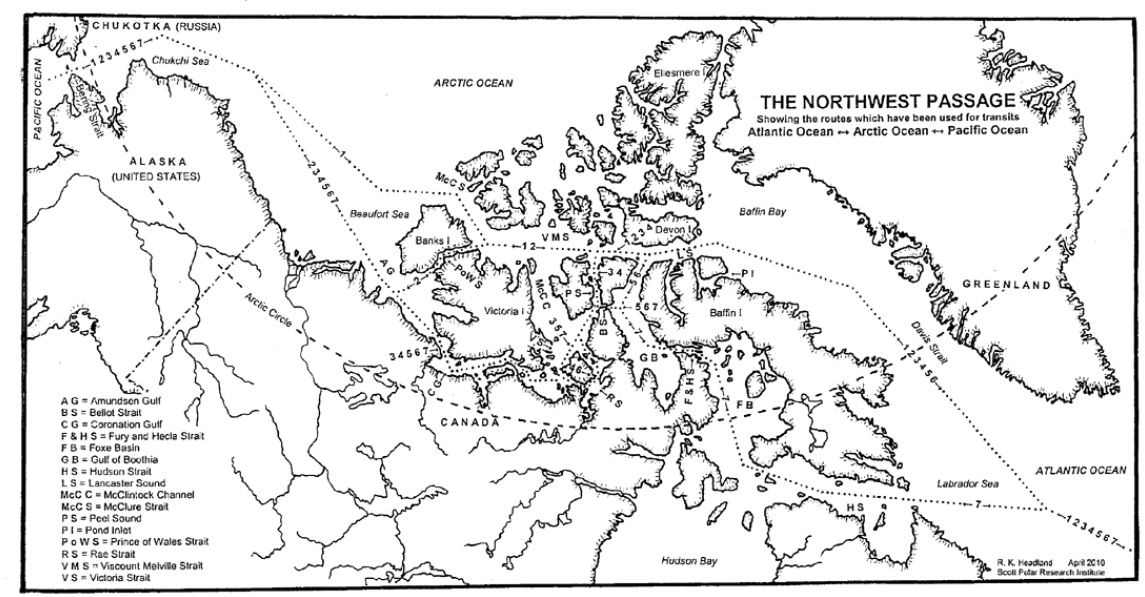
We speculated about this possibility earlier this year, and Polar Bound has now travelled in a westerly direction through Fury and Hecla Strait rather than taking the usual route via Lancaster Sound. According to the definitive reference on such matters by Bob Headland of the Scott Polar Research Institute she is the first vessel ever to do so using route West 7:

NWP-Routes

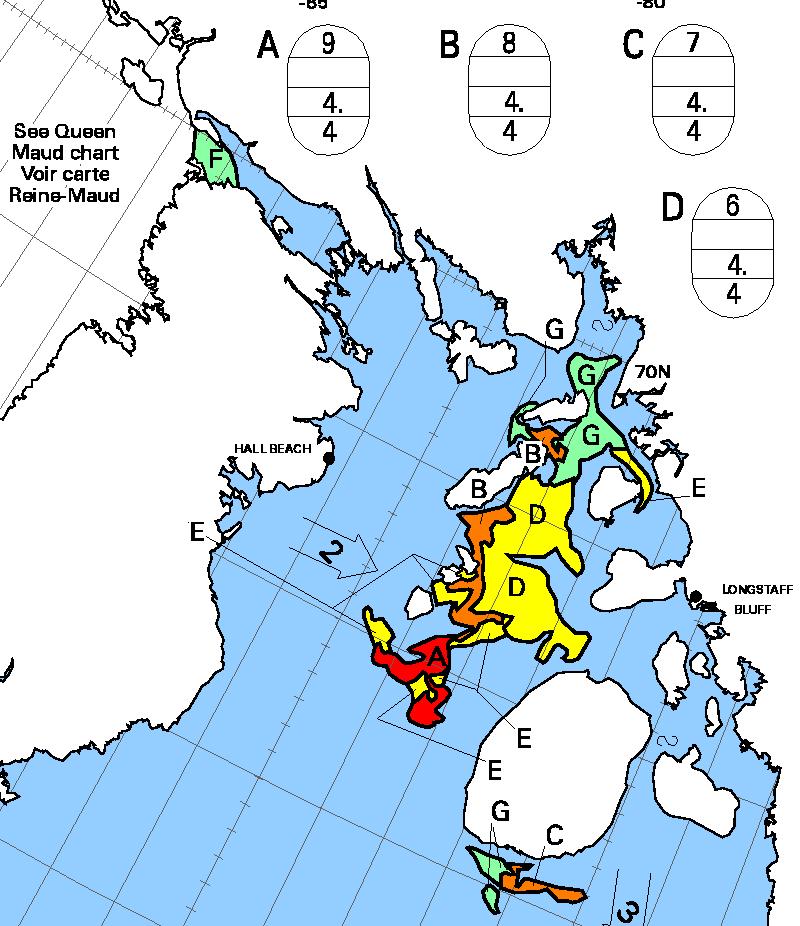
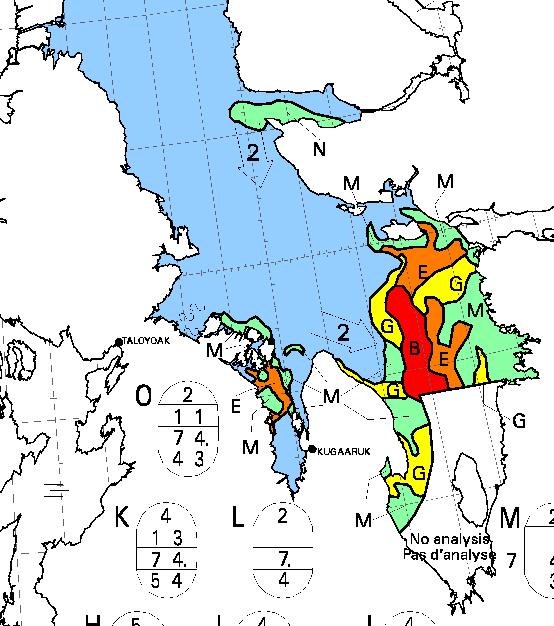
According to the Canadian Ice Service charts Polar Bound will only have needed to negotiate a short stretch of 1-3 tenths concentration sea ice to achieve her latest Northwest Passage “first”:

Foxe_20160828180000

Maud_20160828180000

David Scott Cowper is already mentioned several times in the SPRI list of successful Northwest Passage transits:

1986-89
Mabel E. Holland (12·8 m lifeboat), Britain, David Scott Cowper, West 6, Single-handed voyage, vessel wintered at Fort Ross twice, and at Inuvik

2003-04
Polar Bound (14·6 m motorboat), Britain, David Scott Cowper, East 5, Single-handed voyage, wintered in Cambridge Bay, assisted by CCGS Louis S. St Laurent in Prince Regent Inlet

2009
Polar Bound (14·6 m motorboat), Britain, David Scott Cowper, West 5, Single-handed voyage

2011
PolarBound (14·6 m motorboat), Britain, David Scott Cowper, East 3

2012
PolarBound (14·6 m motorboat), Britain, David Scott Cowper, West 1

2013
PolarBound (14·6 m motorboat), Britain, David Scott Cowper, East 5, Traversed Pond Inlet

It looks as though there will be another addition real soon now, but for the moment note in particular the entry for 2012. Route 1 is the northernmost of the potential paths through the Northwest Passage and involves negotiating the usually ice bound McClure Strait. Polar Bound was the first ever small vessel to do so! At the moment it looks like that will be a difficult feat to repeat this year. Whilst many of the assorted channels through the Northwest Passage melted out early this year the recent recurring cyclones have ensured that McClure Strait remains firmly blocked:


[Edit – September 3rd]

Polar Bound has just emerged from the western end of Bellot Strait:

PolarBound-20160903-2130

The $64,000 question is where is she headed next?


[Edit – September 4th]

The short term answer is a sheltered spot between Hobday Island and Prince of Wales Island:

PolarBound-20160904-1330


[Edit – September 7th]

Polar Bound is taking the most obvious exit from the Canadian Arctic Archipelago, and is currently heading for Coronation Gulf via Dease Strait:

PolarBound-20160907-1200

Northabout is currently travelling in the opposite direction. Perhaps they’ll soon meet there?


[Edit – September 8th]

It seems they did!


[Edit – September 17th]

David Scott Cowper is currently approaching Barrow in Polar Bound, but the weather forecast is more than a bit blustery. According to today’s National Weather Service forecast, here’s what he should expect:

POINT FRANKLIN TO CAPE HALKETT-
405 AM AKDT SAT SEP 17 2016

…SMALL CRAFT ADVISORY IN EFFECT FROM LATE THIS MORNING THROUGH
EARLY SUNDAY MORNING…

TODAY
SW WINDS 25 KT. SEAS BUILDING TO 5 FT. SNOW AND RAIN.

TONIGHT
W WINDS 30 KT. SEAS 9 FT. FREEZING SPRAY.

SUN
W WINDS 30 KT. SEAS 10 FT. FREEZING SPRAY.

SUN NIGHT
W WINDS 30 KT. SEAS 11 FT.

Let’s hope Polar Bound finds some shelter before the worst of it arrives on Sunday night.


[Edit – September 21st]

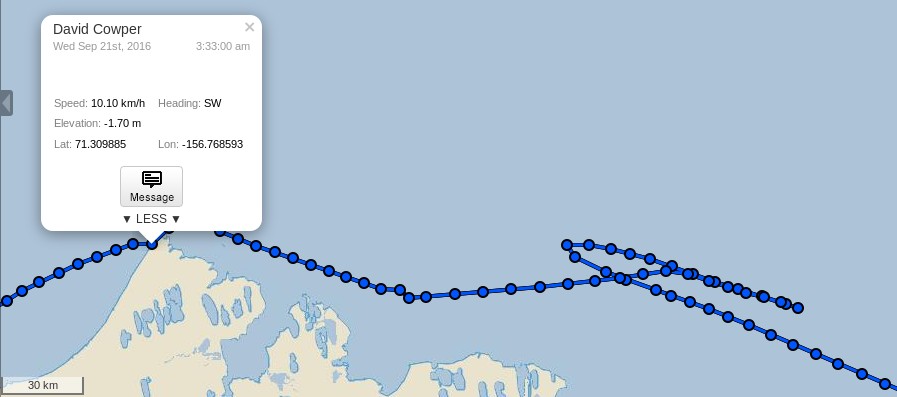
It seems Polar Bound didn’t find shelter, and instead reversed course during the worst of the storm:

polarbound-20160921-1100

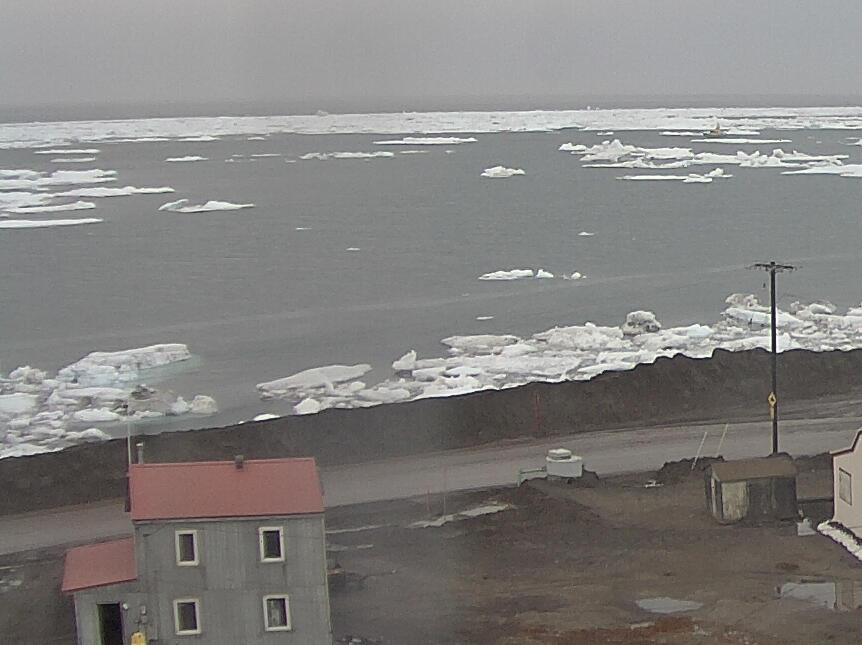
However, as you can see, she has now passed Point Barrow and is Heading south towards the Arctic Circle via the Bering Strait:

polarbound-barrowcam_20160921_024500

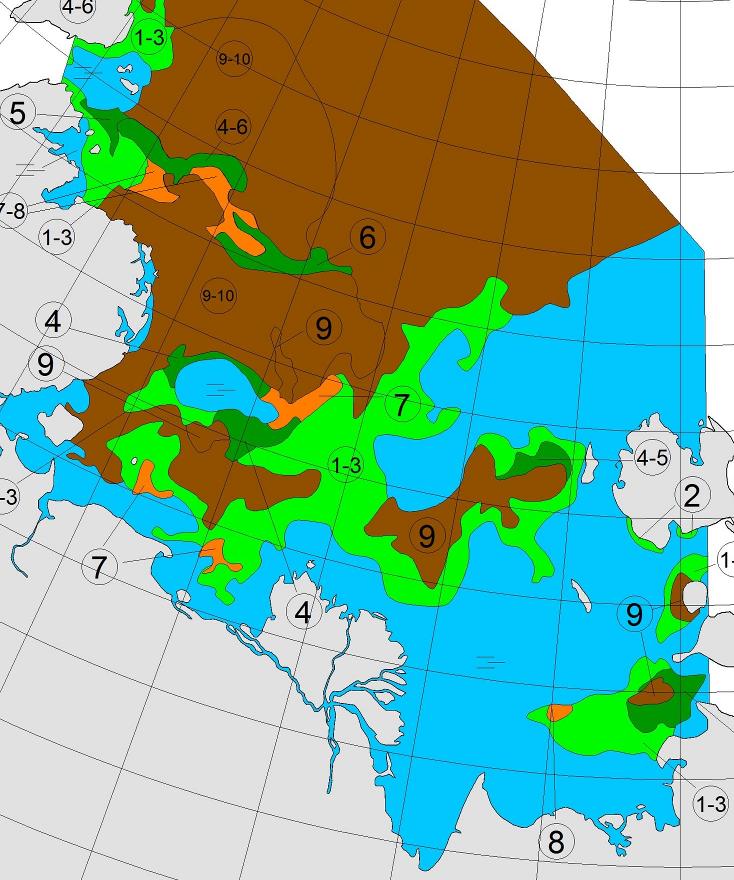
Can you spot the yellow needle in the icy haystack? There is currently much “debate” in the cryodeinialosphere to the effect that Northabout nearly became “trapped by ice”, so let’s also take a quick look at the National Weather Service ice chart covering Barrow shall we?

nws-alaska-20160921

It seems Polar Bound somehow managed to wend her way through 7-8/10 concentration sea ice, does it not?


[Edit – September 24th]

Polar Bound has now crossed the Arctic Circle and is heading south through the Bering Strait:

polarbound-20160924-1030

David Scott Cowper has therefore now “officially” completed his record breaking route West 7 transit of the Northwest Passage.

Very well done sir, and bon voyage!

Crystal Serenity Sets Sail for the Northwest Passage

We first mentioned the cruise ship Crystal Serenity in our initial musings about prospects for the Northwest Passage in 2016. Since then the sea ice has melted on a variety of the “southern” routes through the Northwest Passage, and the Crystal Serenity has now set sail for the Arctic. Amongst the over 1000 passengers there is even a blogger:

We’re thrilled to have travel journalist Katie Jackson “joining the crew” for this voyage. Katie, an acclaimed writer and avid traveler, will be providing dispatches from the ship…or tundra, or zodiac, to help all of you indulge your wanderlust.

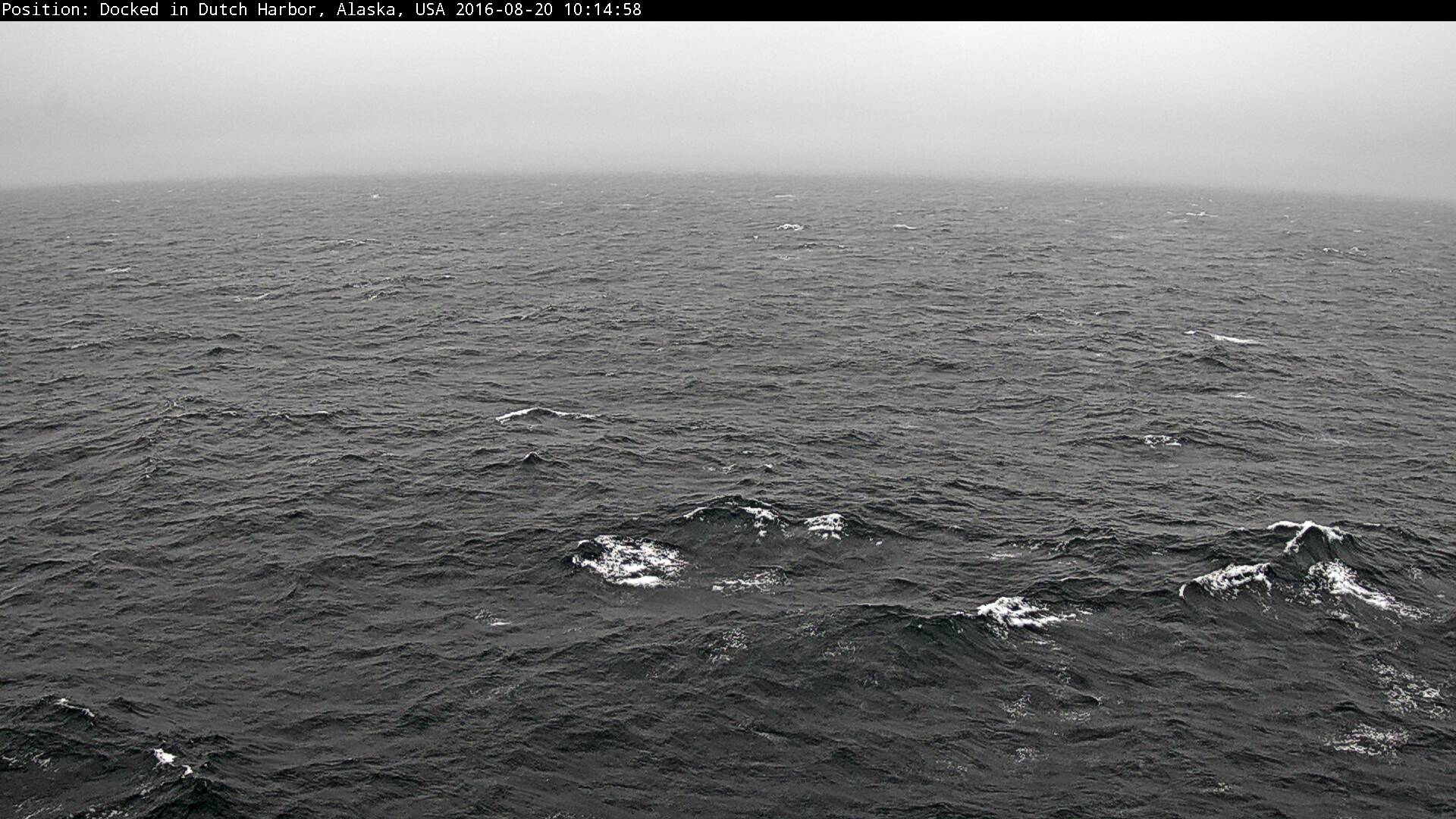
The Crystal Serenity is equipped with a number of webcams. Here’s the current view from one as the Crystal Serenity is en route to Nome Alaska:

serenity-star-20160820

It looks a bit breezy up there at the moment, but nothing to trouble the 68,000 ton Crystal Serenity. However Crystal Cruises do seem to be anticipating some potential problems. Accompanying the Crystal Serenity will be the British Antarctic Survey icebreaker Ernest Shackleton, which is already making its way through the Northwest Passage from the direction of the Atlantic Ocean:

Shackleton-20160820

According to a Crystal Cruises press release:

The RRS Ernest Shackleton, operated by British Antarctic Survey, is an ICE 05 classed icebreaker (exceeding the more common 1A Super class) that will provide operational support to Crystal Serenity, including ice breaking assistance should the need arise and carry additional safety and adventure equipment.

The RRS Ernest Shackleton will carry two helicopters for real-time ice reconnaissance, emergency support and flightseeing activities. In addition to its robust ice navigation and communications equipment, the RRS Ernest Shackleton will have on board supplemental damage control equipment, oil pollution containment equipment, and survival rations for emergency use.

Hopefully none of that emergency equipment will need deploying over the next two weeks or so, but that is far from certain. Listen to what Admiral Charles Michel, Vice Commandant of the United States Coast Guard, had to say in testimony before the House Subcommittee on Coast Guard and Maritime Transportation in answer to questions from Congresswoman Janice Hahn:

I don’t want to underestimate the challenges of that area. There is almost no logistics up there. For example if we needed to get another helicopter up there they’re only bringing a very small helicopter with them. If we needed to get a big helicopter up there it’s estimated it would take between 15 and 20 hours, if the weather’s good, in order to get that up there. Fixed wing aviation may be available, but even there you’ve got very limited landing areas, very environmentally sensitive areas, things change up there dramatically even during the summer. The weather is an incredible challenge, so this is not an easy category for a voyage.

If you’re interested in US Arctic policy in general you may wish to watch the whole 2+ hours of the hearing instead. In which case, here it is!

[Edit – August 23rd]

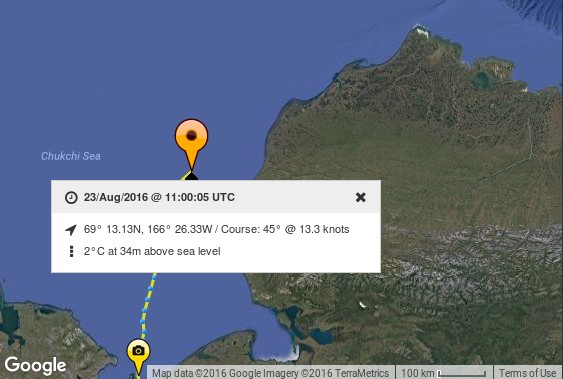
Crystal Serenity is now inside the Arctic Circle, and rapidly approaching her first potential problem:

Serenity-20160823-1100

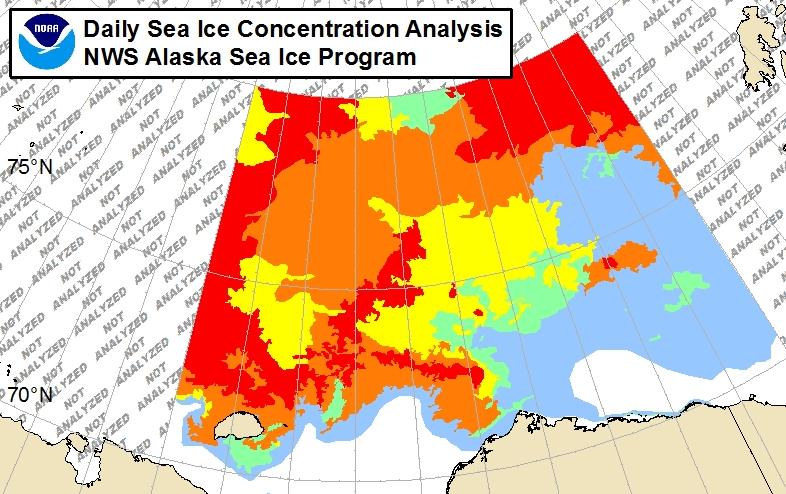
Here is the latest National Weather Service ice chart for Alaskan waters:

NWS-Alaska-20160822

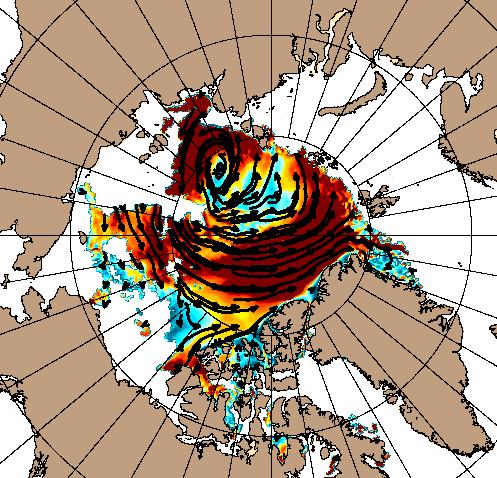
It shows 1-3 tenths coverage all the way to shore at Point Barrow. What’s more with the Great Arctic Cyclone still raging the current US Navy forecast is for continuing onshore ice drift:

ACNFS-Drift-2016082118_2016082300

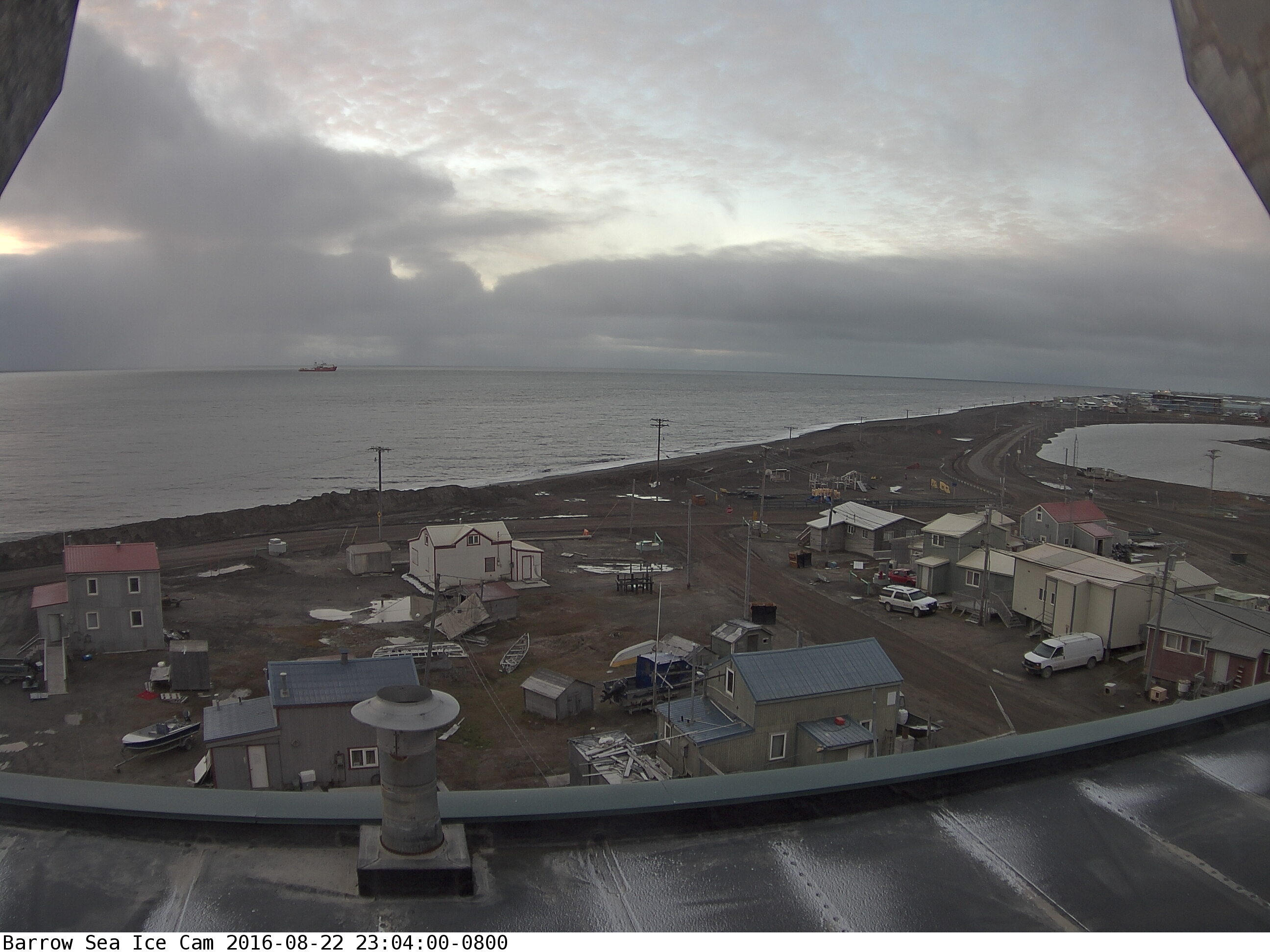
Maybe that’s why there seems to be an icebreaker patiently waiting offshore at Barrow as we speak?

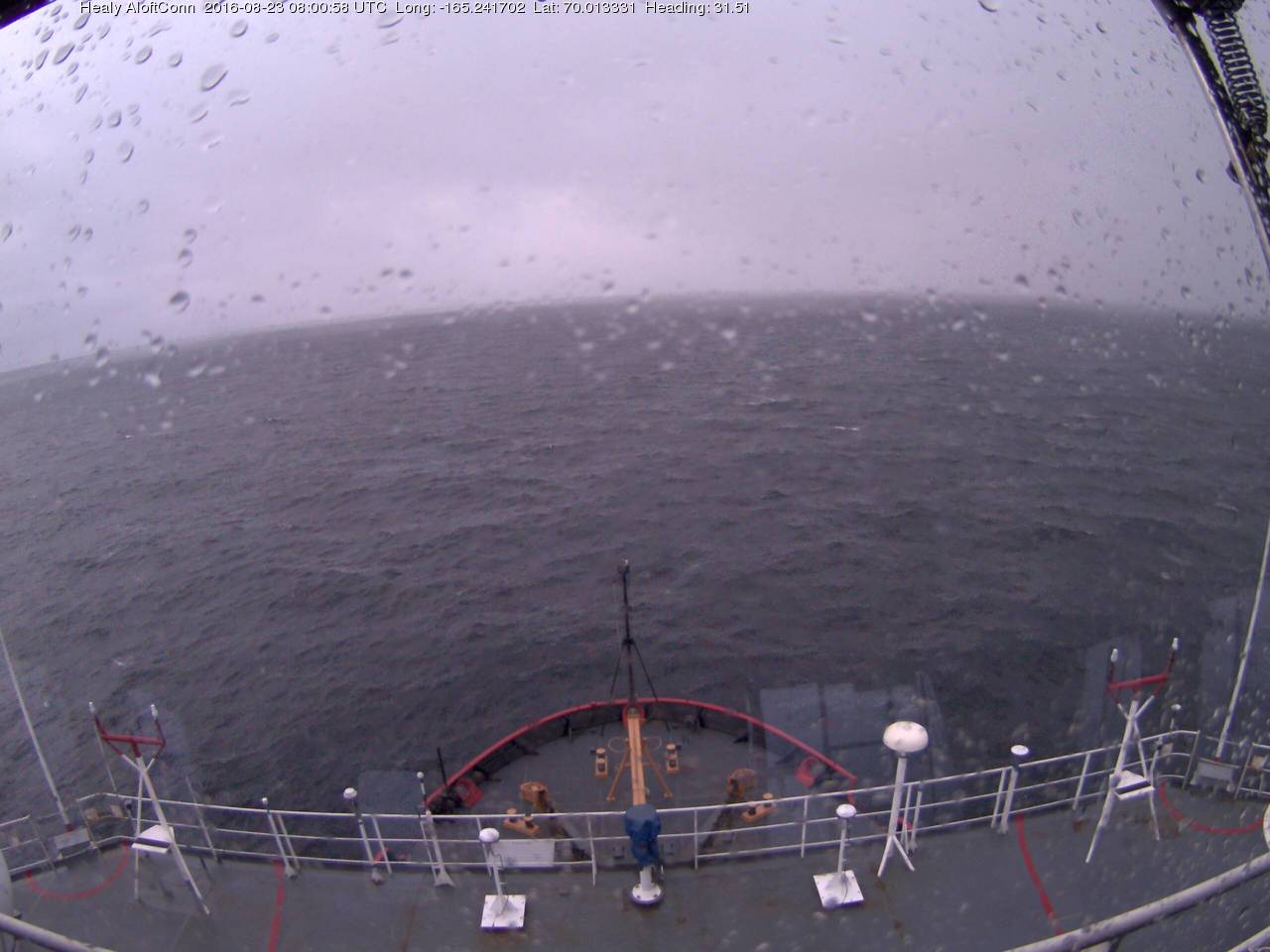
As luck would have it USCGC Healy is in the vicinity too, albeit slightly south of Barrow. The weather in the Chukchi Sea doesn’t look too good at the moment:

[Edit – August 24rd]

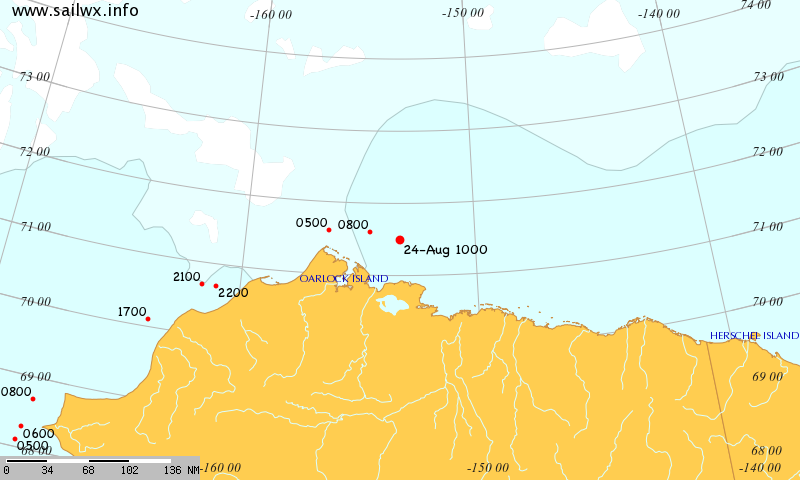
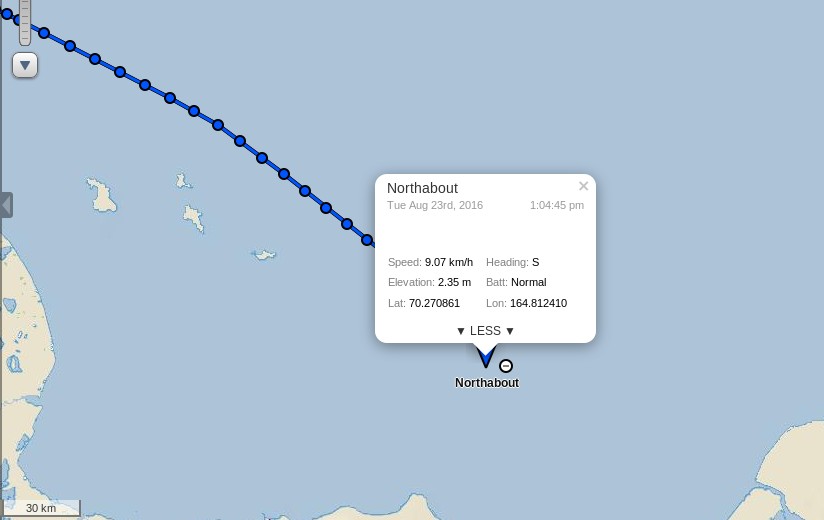
Crystal Serenity has rounded Point Barrow, apparently without incident. Here’s her tracking map from SailWX:

Serenity-20160824-1000

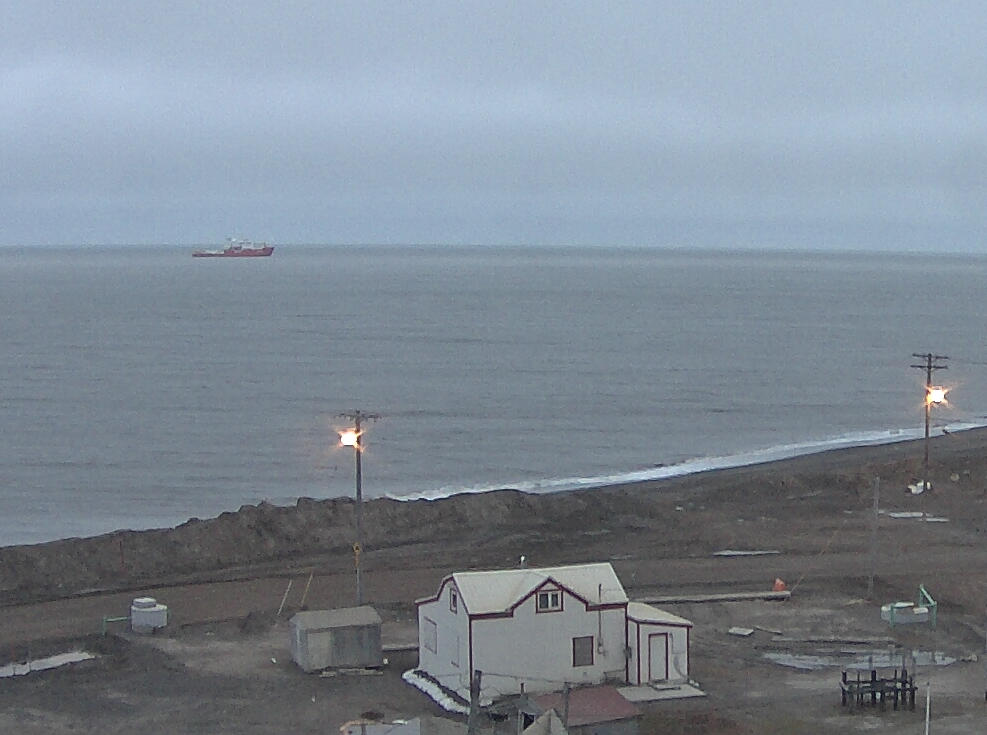
Apparently icebreaker assistance was not required since the ship anchored off Barrow, which looks a lot like the Korean icebreaker Araon, seems not to have moved:

Araon_Barrow_20160824_0714

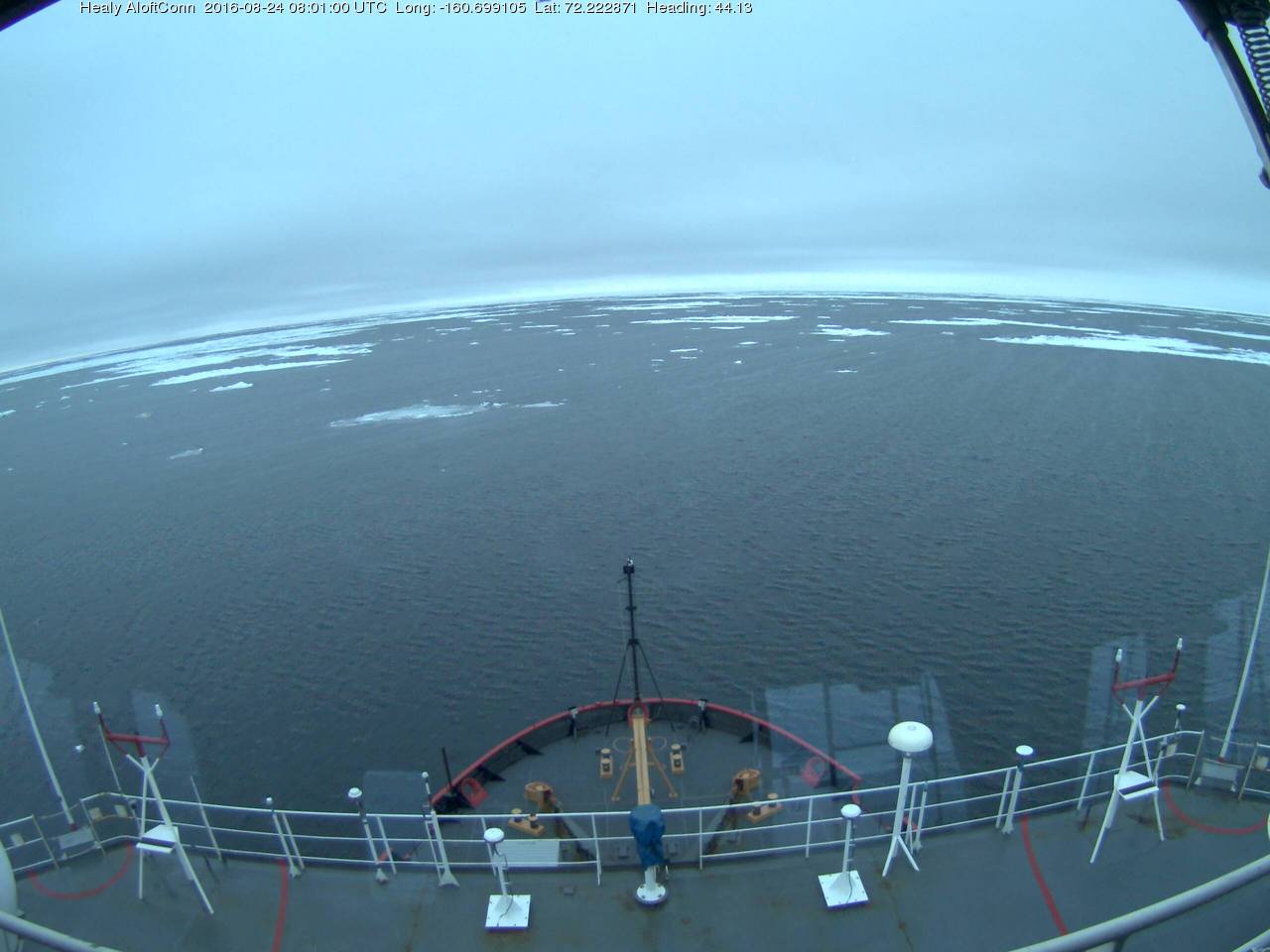
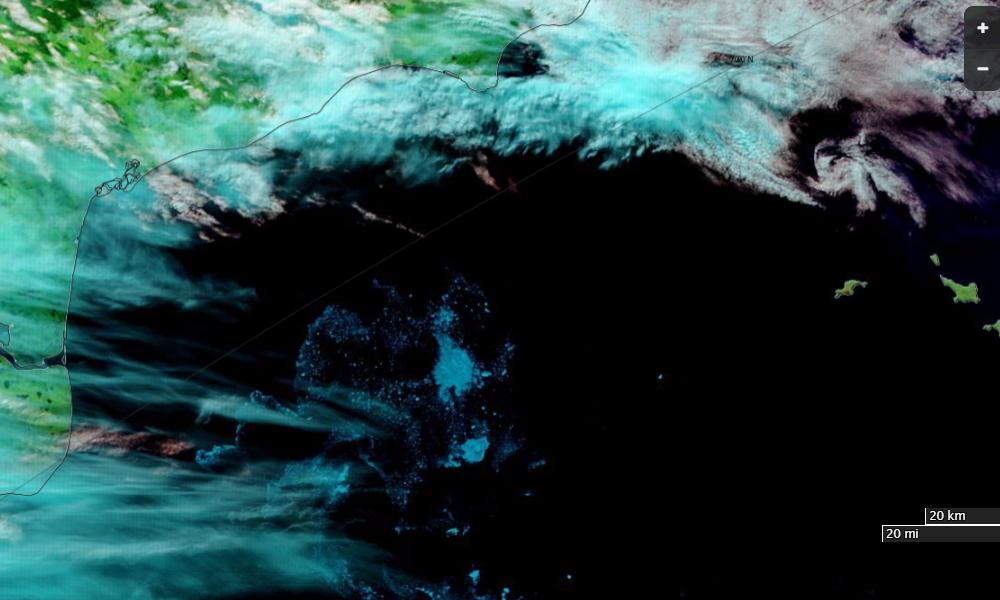
Rather disappointingly the Crystal Serenity’s webcams seem to update infrequently and have yet to reveal any sea ice. The Healy aloftcon camera, however, recorded this image from 72 degrees north:

[Edit – August 27th]

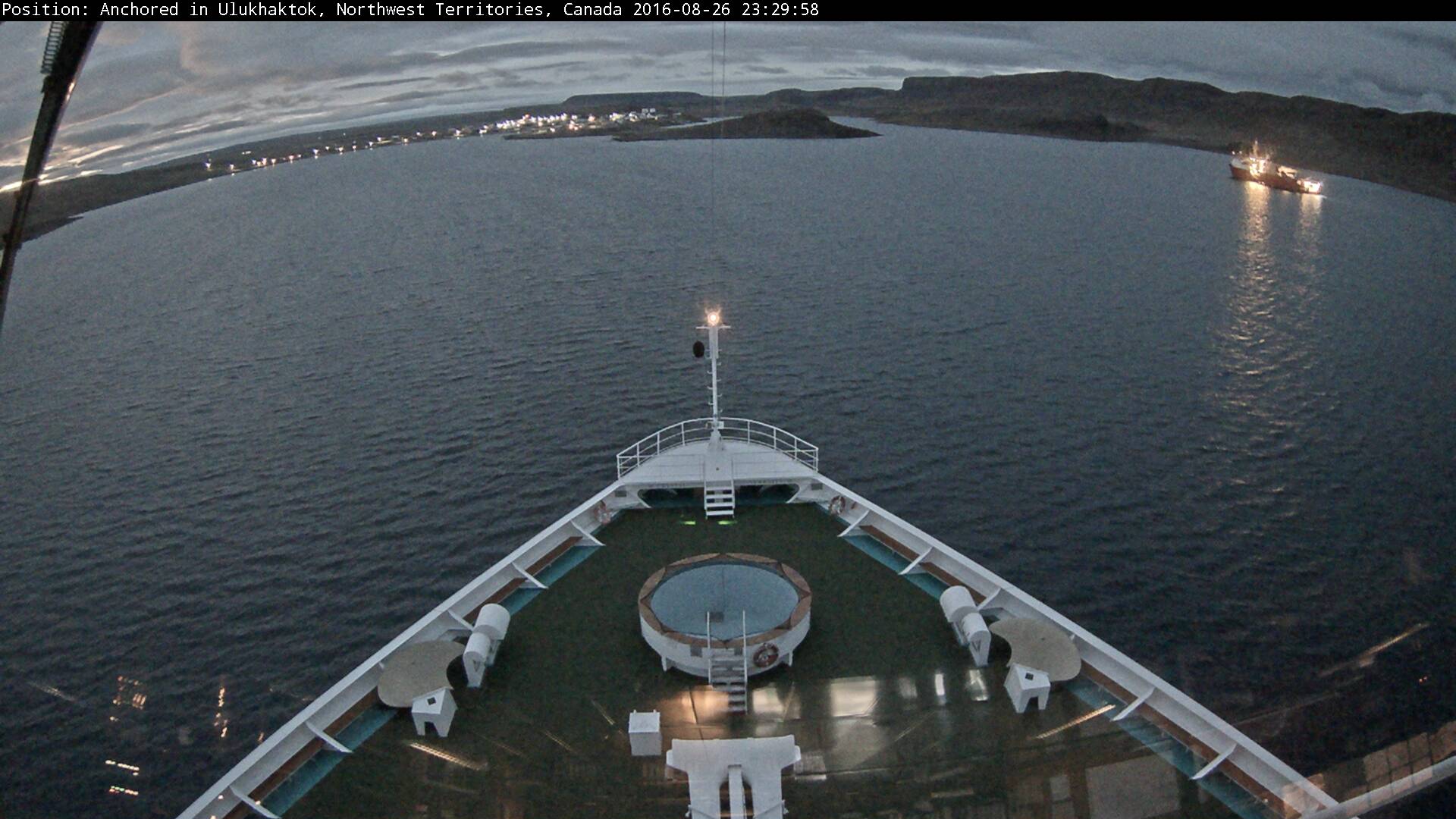
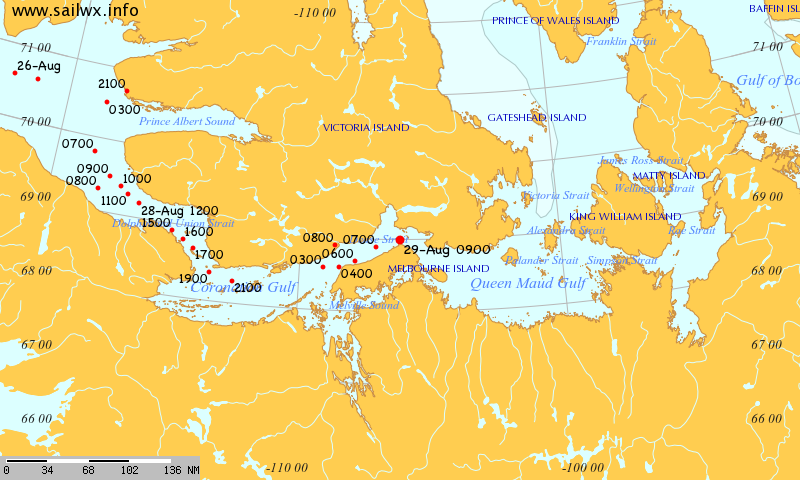
Crystal Serenity has reached Ulukhaktok on the west coast Victoria Island, and met up with the Ernest Shackleton:

Serenity-Ulukhaktok-20160826

It doesn’t look as though any ice breaking will be required in the near future!

[Edit – August 29th]

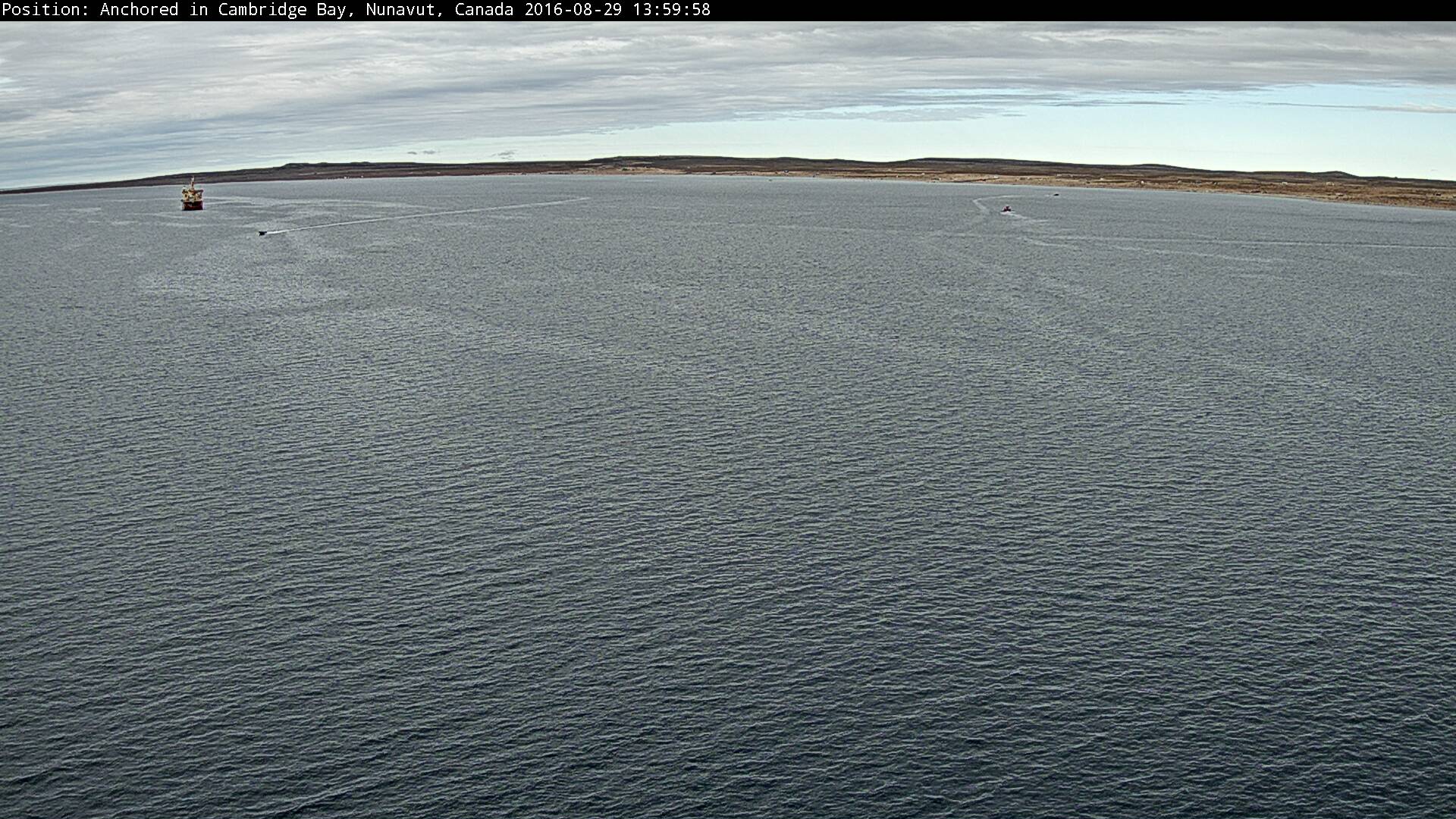
Crystal Serenity and Ernest Shackleton are both now in Cambridge Bay:

Serenity-20160829-1500

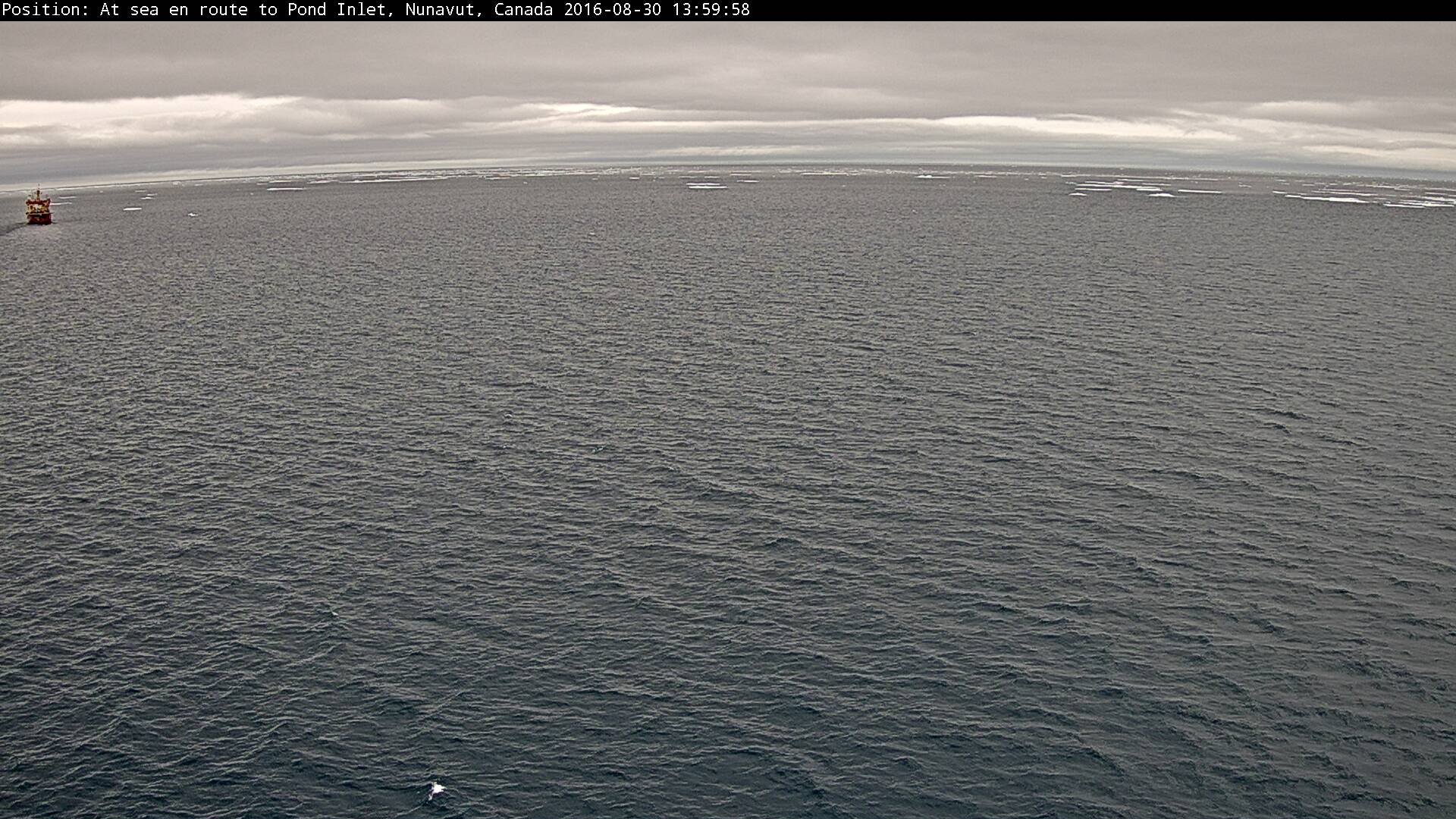
There is no ice to be seen!

Serenity-Star-Cambridge-20160829-1359

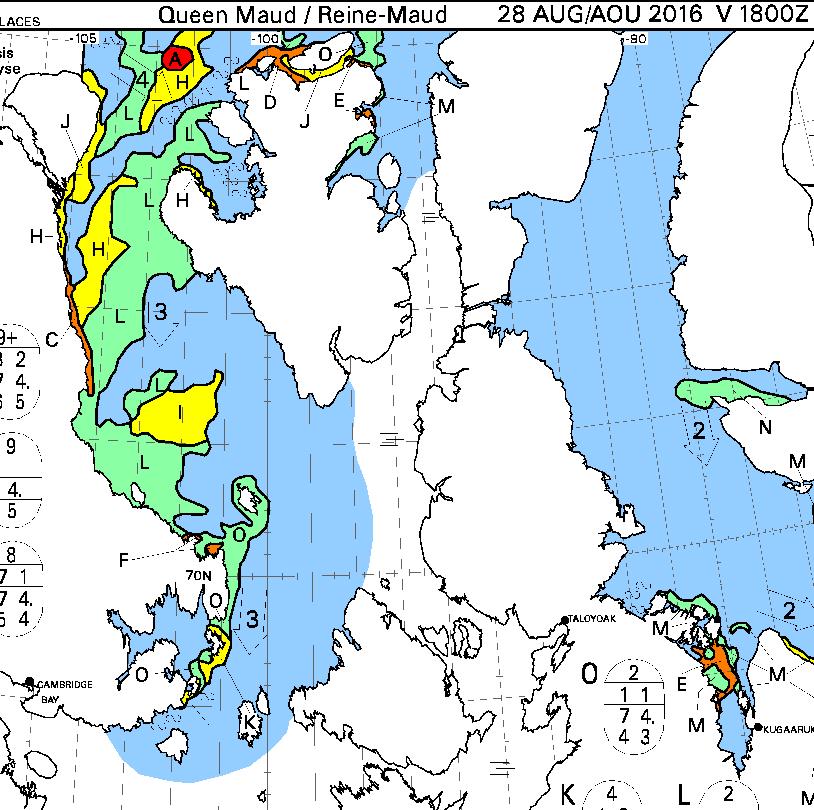
The next stage of Crystal Serenity’s itinerary involves “Cruising Peel Sound or The Bellot Strait”. I wonder which option she’ll take?

Peel_Bellot_201608281800

Judging by the Canadian Ice Service charts both seem feasible at the moment.

[Edit – August 30th]

Crystal Serenity has found some sea ice in Victoria Strait!

Serenity-Star-Victoria-20160830-1359

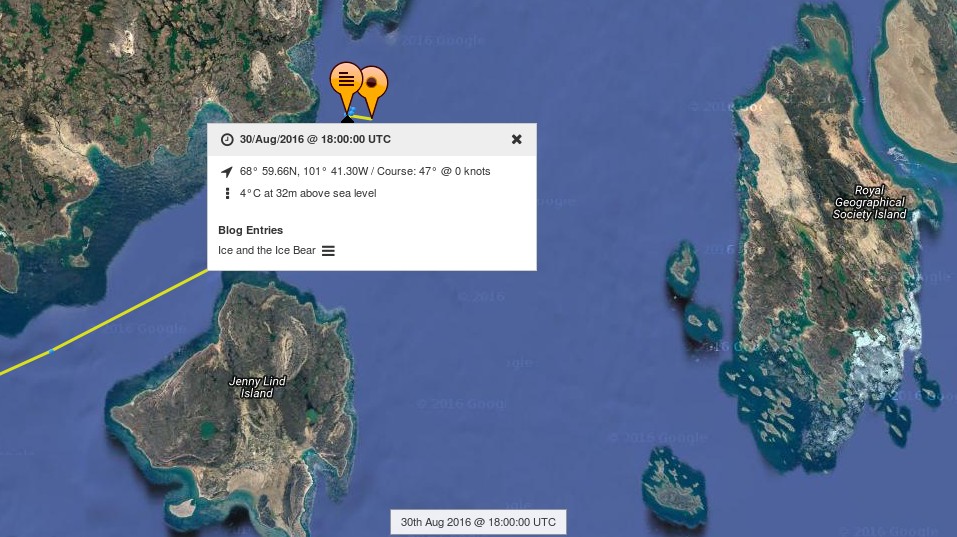
A polar bear has been spotted too:

Serenity-20160830-2000

The early morning paid off quickly with our first Polar bear sighting! And what an experience it was. This apex predator patrolled calmly on an ice floe, and put on quite a show stretching, scanning and keeping watch for any potential prey.

[Edit – August 31st]

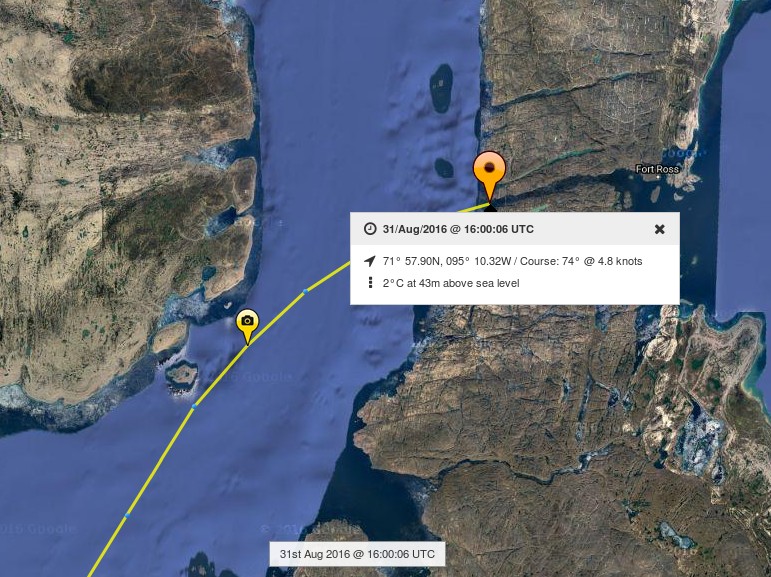
Crystal Serenity has evidently decided to cut through Bellot Strait:

Serenity-20160831-1730

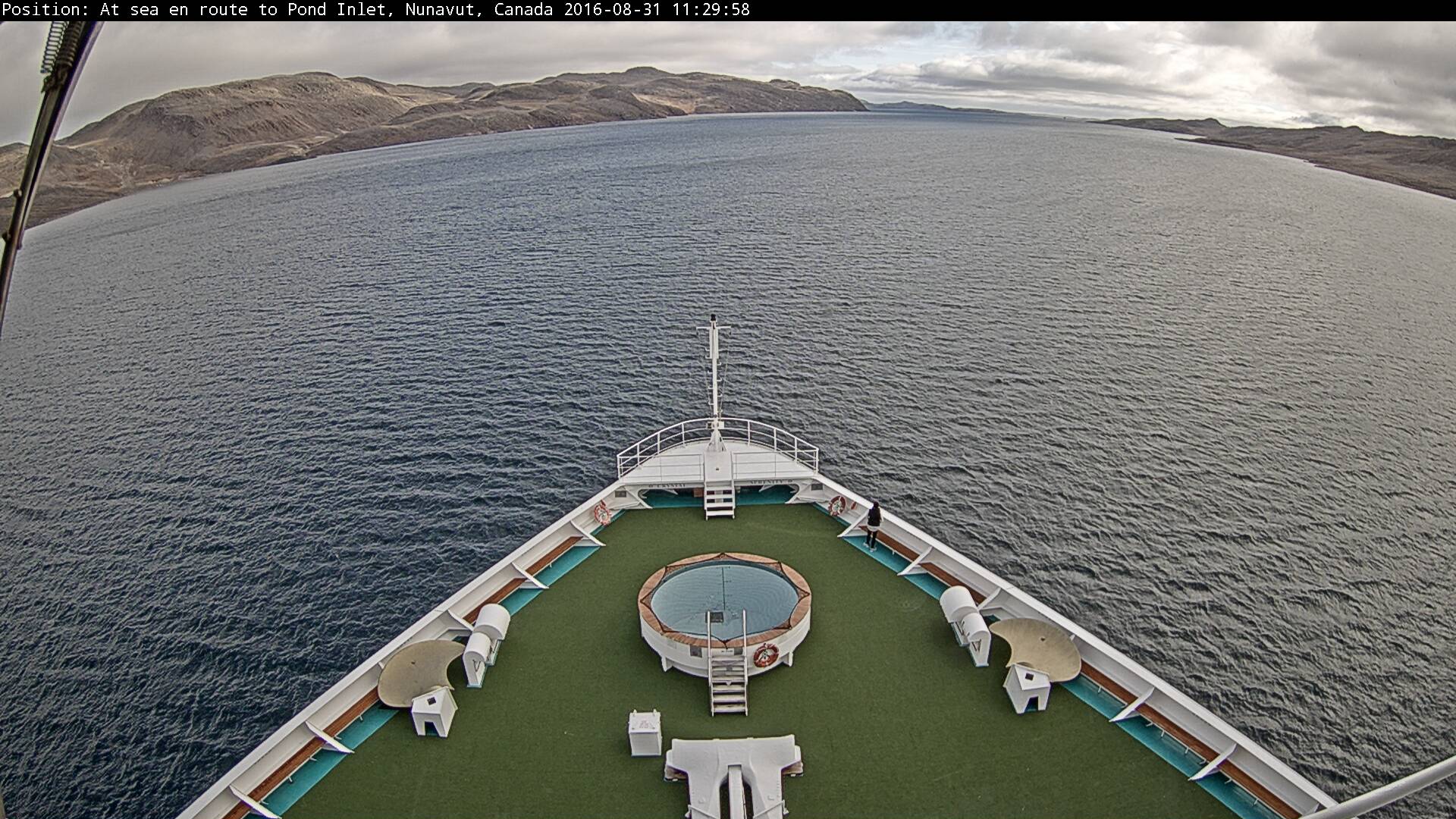
Here’s the view from the bridge:

Serenity-Bridge-20160830-1129

No sea ice to be seen!

P.S. Having emerged from the eastern end of Bellot Strait some bergy bits could be seen in the Gulf of Boothia:

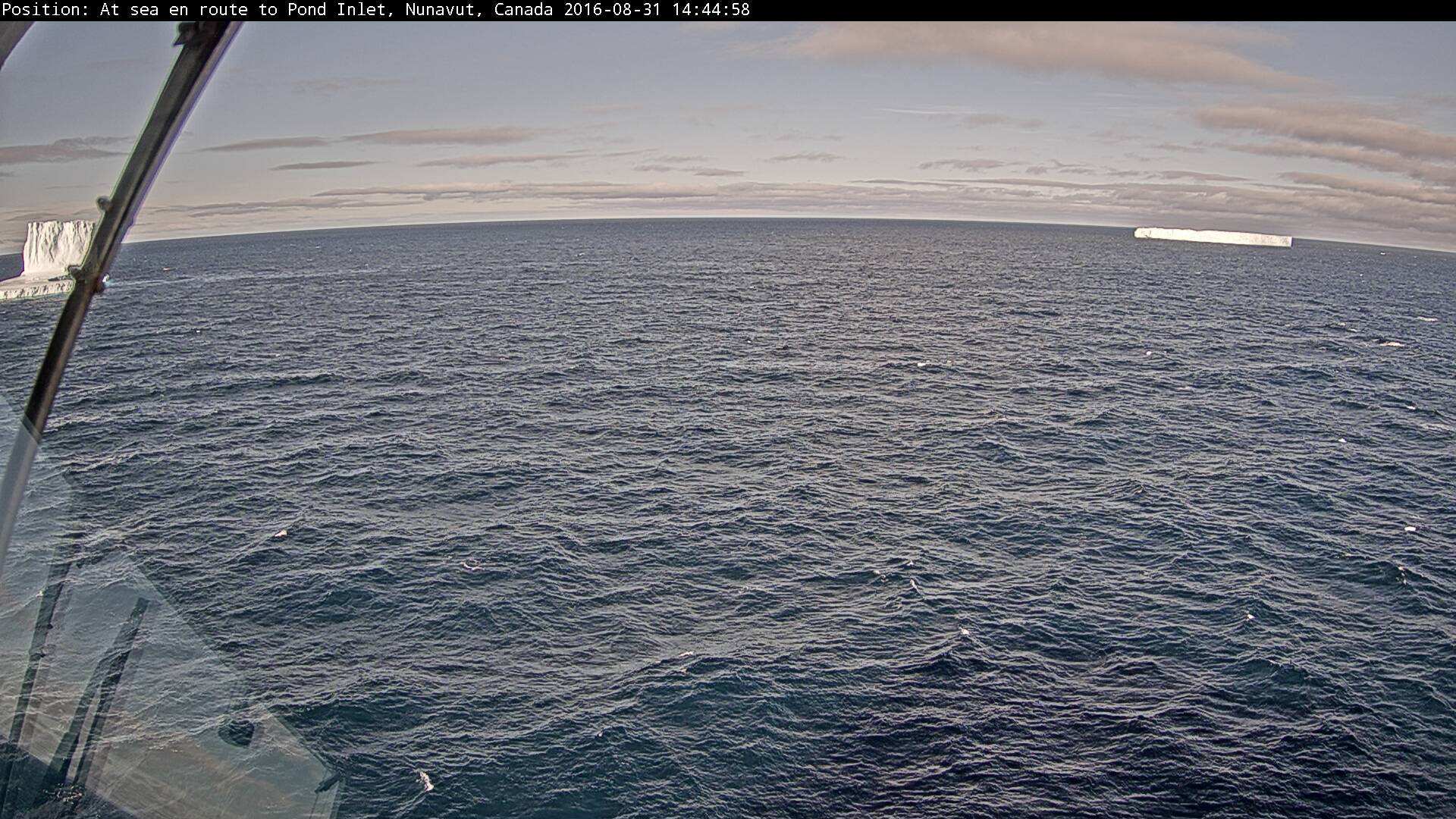
Serenity-Port-20160831-1444

[Edit – September 2nd]

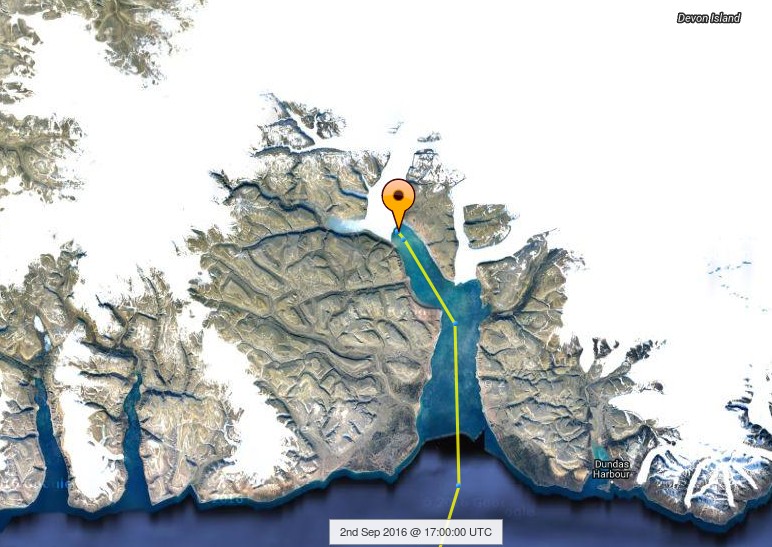
Crystal Serenity has been taking a good long look at a glacier today:

Serenity-Star-20160902-1029

Judging by her tracking map it’s the North Croker Bay Glacier on Devon Island:

Serenity-20160902-1700

I wonder if that’s where those bergy bits came from?

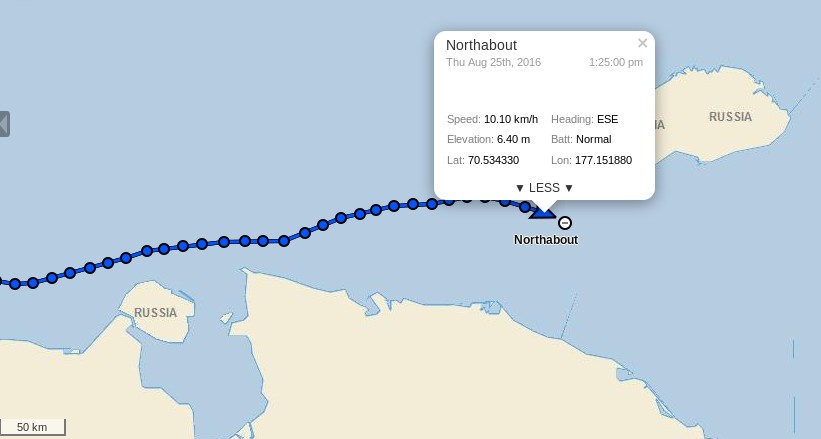
Northabout Races for the Date Line

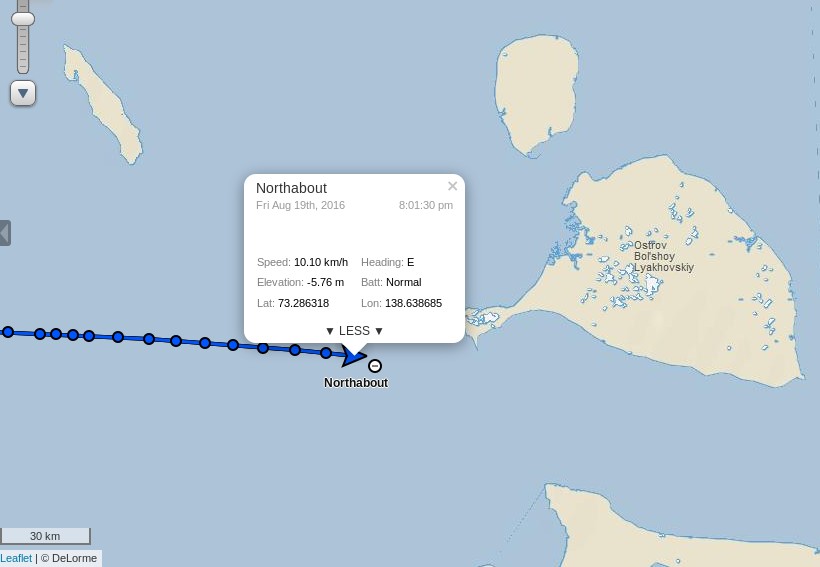
It’s time to open another chapter in the continuing adventures of Northabout. The Polar Ocean Challenge team have been plagued by sea ice along their route across the Laptev Sea, but currently they are hurrying towards the exit into the East Siberian Sea via the Dmitry Laptev Strait:

Northabout-20160819-2000

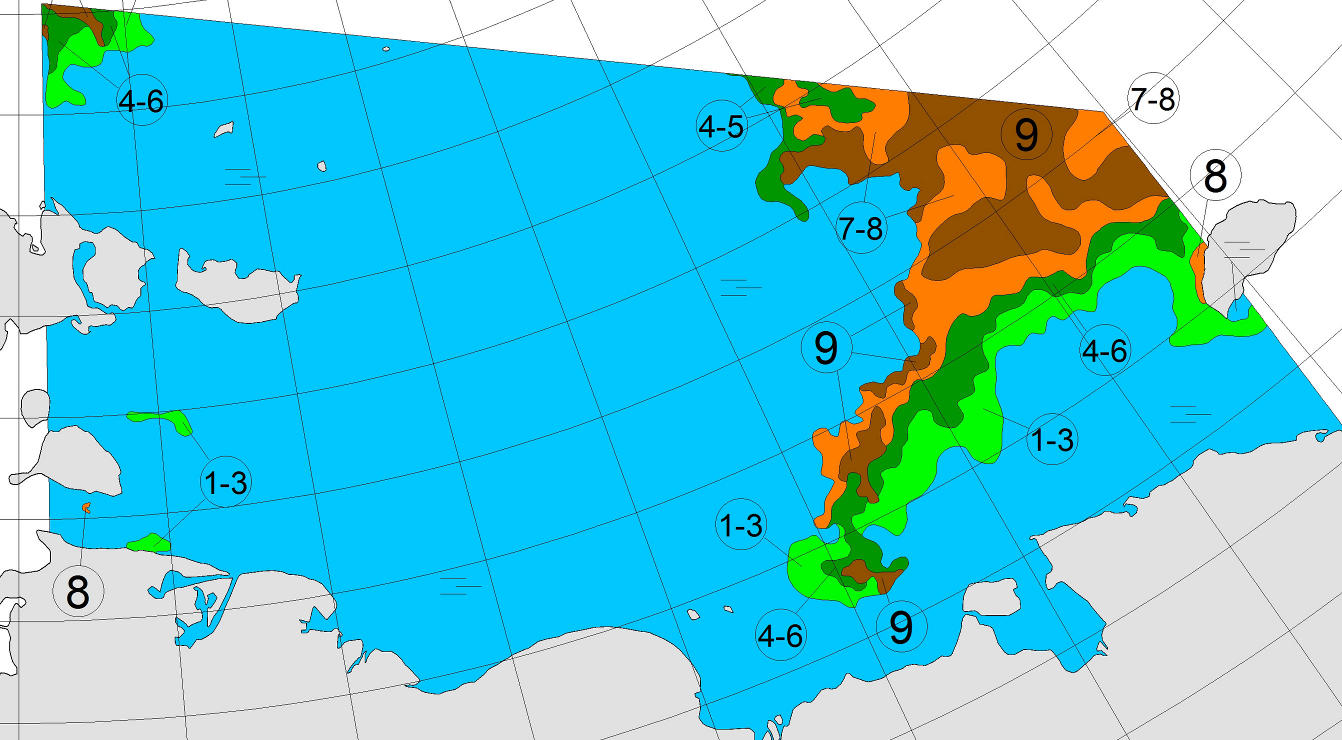
The latest chart of sea ice in the East Siberian Sea from the Arctic and Antarctic Research Institute suggest they should now have plenty of (comparatively!) plain sailing ahead of them:

AARI-ESS-20160819

Certain quarters of the cryodenialosphere have been questioning the plucky little yacht’s ability to make it through the Northwest Passage before it freezes up once again in the Autumn. As a crude reality check on that assertion let’s see how previous successful single season polar circumnavigations fared in that regard. The international date line runs through the Bering Strait, and effectively defines a boundary between the Northern Sea Route and the Northwest Passage. In 2010 Børge Ousland and Thorleif Thorleifsson in the catamaran Northern Passage crossed the date line on September 3rd:

http://www.ousland.no/reflections-from-the-chukchi-sea/

Then in 2013 the yacht Tara achieved a similar feat on September 10th:

http://oceans.taraexpeditions.org/en/jdb/the-date-line-off-wrangel/

Let’s wait and see when Northabout manages to pass that milestone, before heading to their next scheduled port of call at Barrow in Alaska.


[Edit – August 21st]

Northabout has spotted some more sea ice, this time in the Dmitry Laptev Strait. Presumably the small area shown in the AARI chart above? According to the latest “Ship’s Log”:

Well slowly making progress, and now into a new sea, East Siberian, Looks the same to be honest. Saw a ship,on the AIS , but couldn’t see it with the fog. Went between the Islands. We had a large patch of 8/10ths ice in the middle, but managed to keep north of it. Along the coast you could again see the remnants of an old Polar station. What a vast coast to look after.

Just as things were getting into a rhythm, the engine is over revving. We are so close but so far out here. My stomach is sometimes in my mouth, Comrades trying to work it out. If not, is a slow sail from here to Alaska.

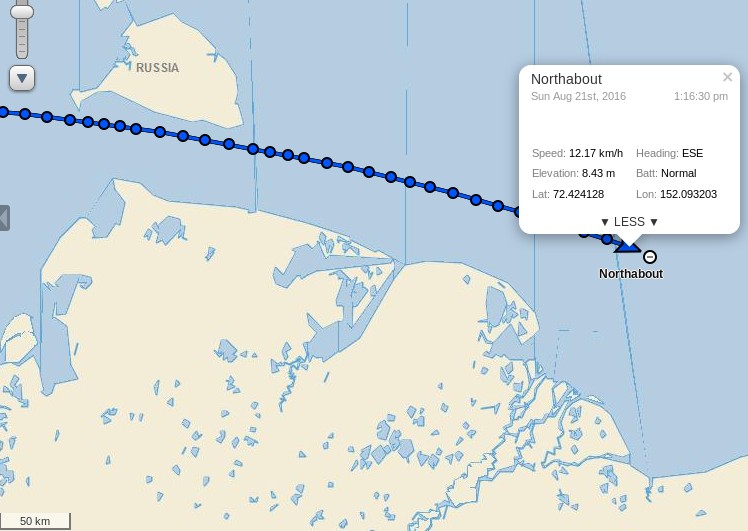
The reported engine trouble doesn’t seem to have slowed Northabout down. She crossed 150 east earlier this morning and is now passing the delta of the Indigigirka River:

Northabout-20160821-1400


[Edit – August 22nd]

Her engine has been serviced, and Northabout continues to make good progress. She’s crossed 160 east, and is now passing the delta of the Kolyma River:

Northabout-20160822-2330

According to Ben Edwards’ latest blog post:

We’ve got enough wind to put the staysail out and the skies are clear. I think quite a lot of how I was feeling may have been that I hadn’t got any sunshine for over two weeks, the last couple of days however have been warm(ish) and bright. I at least am coming dangerously close to feeling actually happy, I don’t know about anyone else… Provided we continue like this we should be in Point Barrow in under a week.


[Edit – August 23rd]

Northabout looks to be turning south:

Northabout-201608223-1300

Presumably that is to skirt the patch of high concentration sea ice in their path, rather than try to break through the lower concentration area to the north (which is towards the bottom of this image!):

ESS-Terra-721-2016-08-23


[Edit – August 25th]

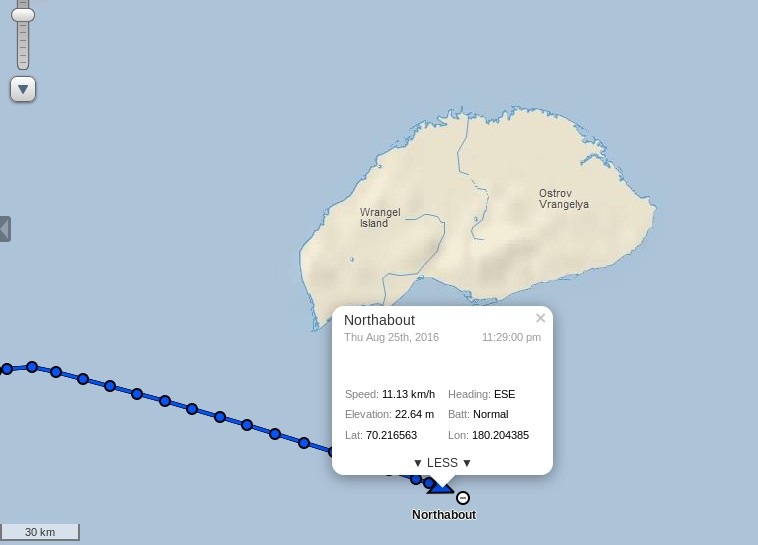
Northabout is currently closing in on “the edge of the world” at 180 degrees east and/or west:

Northabout-201608225-1330

Her crew aren’t entirely happy with the speed at which that is happening at present though:

A long slog of a day. Very choppy seas which makes living onboard difficult, especially sleeping, when you can be fast asleep and suddenly wake up in mid air.

The wind we had was a head wind, so slow going. Getting to the edge of the World is proving tiresome.

Our track to get the best wind is towards the ice, and north east, hoping this will change during the night, and bring us back south to our waypoint.

A new day tomorrow, and hopefully better winds.


[Edit – August 25th 22:40 UTC]

Need I say more?

Northabout-201608225-2330


[Edit – August 27th]

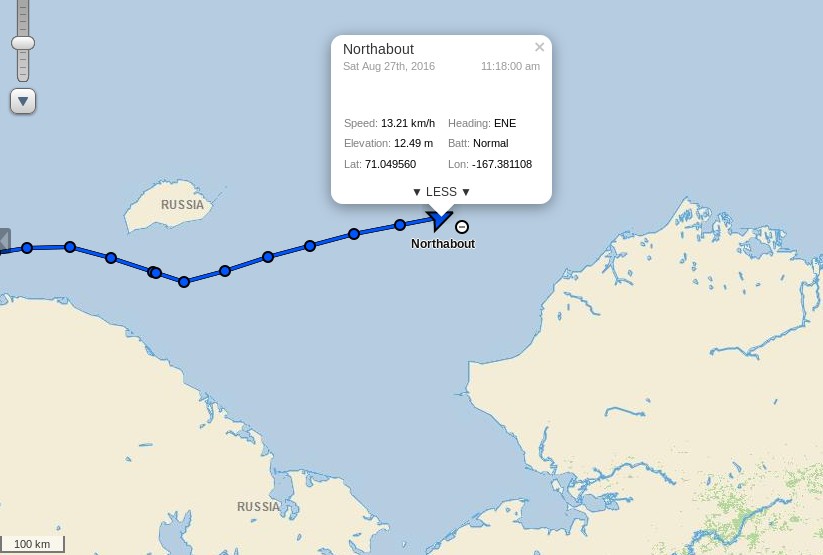
Overnight Northabout crossed the international date line and officially completed the Northern Sea Route and left Russian waters:

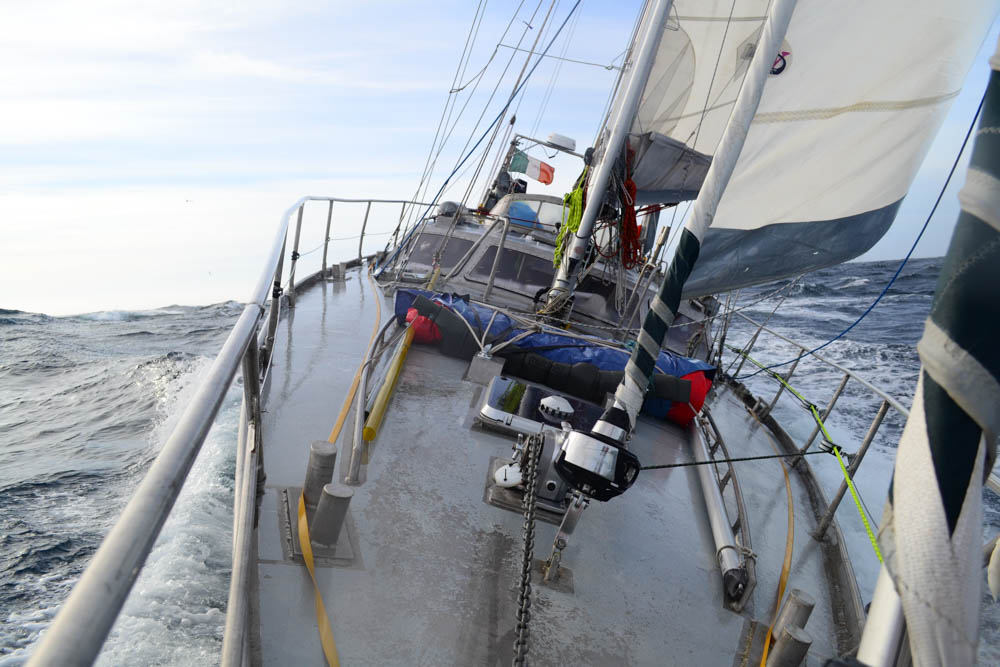
A long slog in the Chukchi Sea. Its renown for its wild weather and seas. With rising winds now in the 25/30 knots, we have had a bumpy ride, but fast and in the right direction.

Well, well, we passed the date line and the W 168 58 .620 at 16.57 boat time, that is the point we can inform the Russian Authorities that we have finished their Northern Sea Route, and we no longer have to report to them daily. I will celebrate this milestone when we get to Point Barrow. It’s only just sinking in what we have all done.

Northabout-201608227-1130

Next stop Barrow, and after that Northabout takes on one of the Southern routes through the NorthWest Passage. It looks like she’ll have much more difficulty spotting some sea ice than on the first half of her polar circumnavigation!


[Edit – August 29th]

After a “wet and wild” crossing of the Chukchi Sea:

Northabout-Chukchi-20160827

followed by a last minute detour to avoid a bit more sea ice:

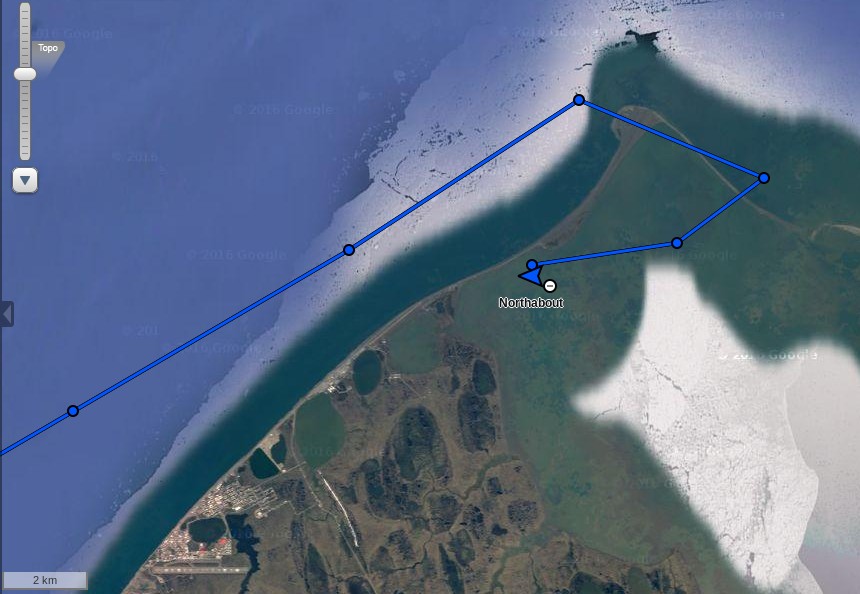
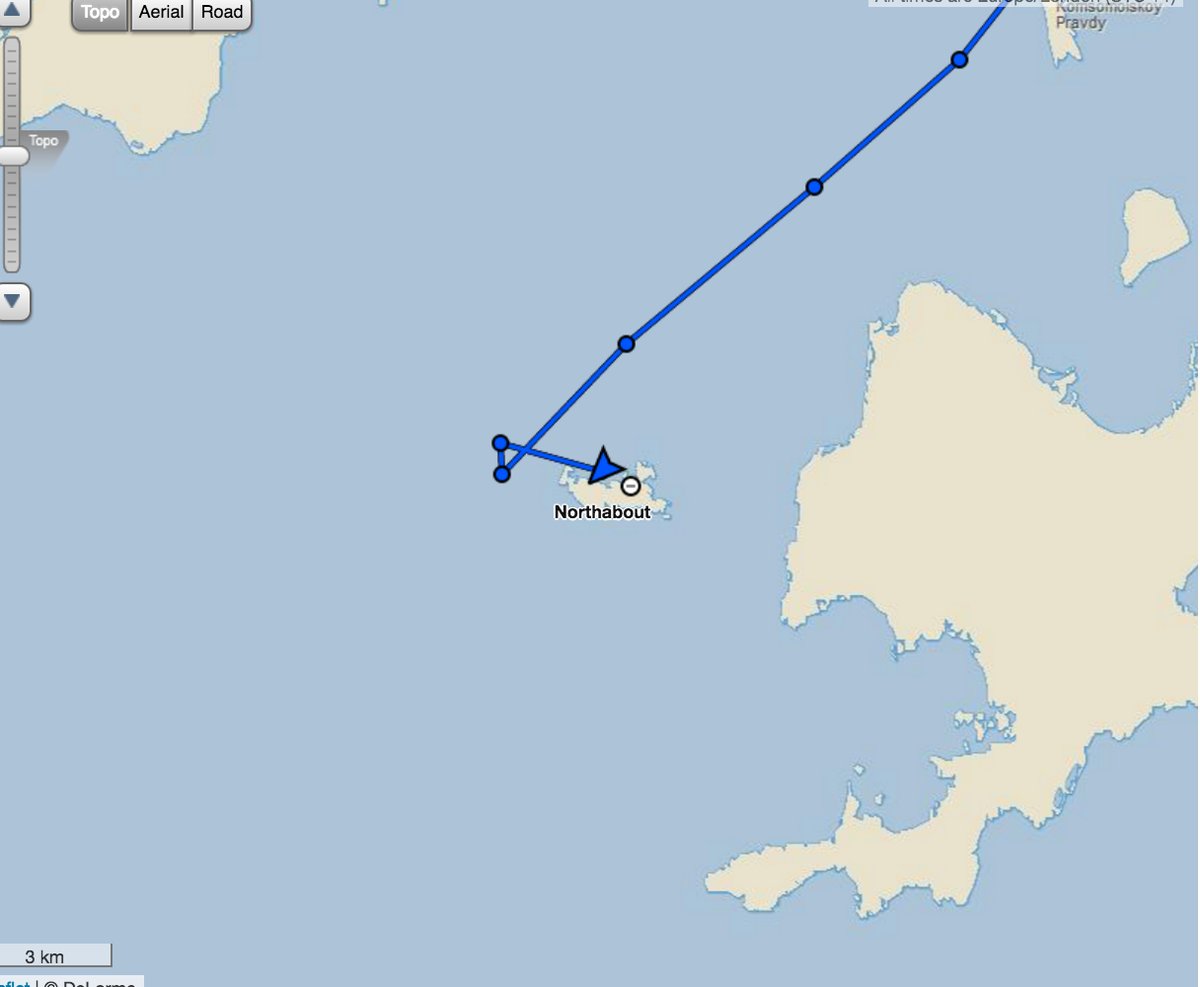
Northabout is now safely secured in Elson Lagoon north of Barrow:

Northabout-201608229-1130

Next comes the Northwest Passage, after a couple of days of rest and recuperation!


Previous Polar Ocean Challenge articles:

Non Fiction:
Northabout Meets Some Serious Sea Ice

Northabout Bides Her Time

Northabout’s Great Adventure

Fiction:
Is the Polar Ocean Challenge About to End in Disaster?

The Great Arctic Cyclone of 2016

A storm is brewing in the Arctic. A big one! The crew of the yacht Northabout are currently sailing along the western shore of the Laptev Sea and reported earlier today that:

The sea is calm. Tomorrow a gale 8. But this moment is perfect.

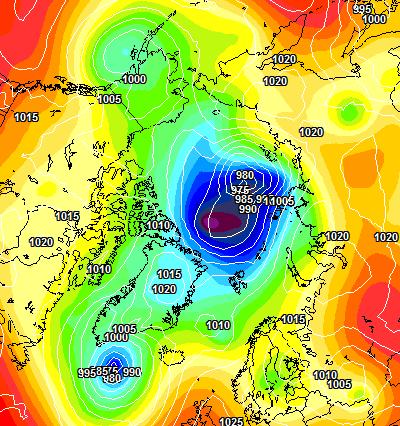
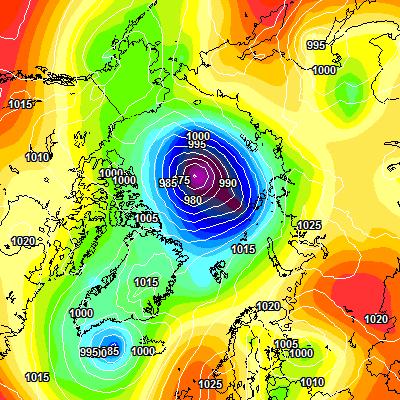
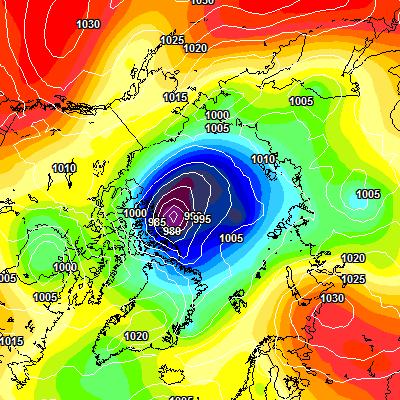
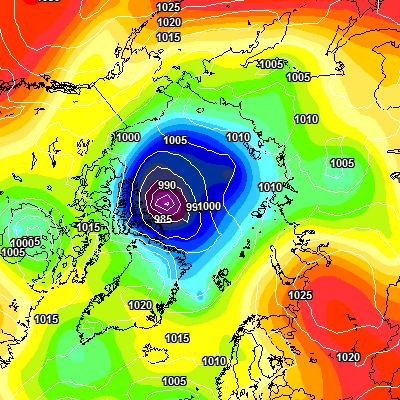
That perfect moment will not last long. Here is the current ECMWF forecast for midnight tomorrow:

ECMWF-20160813+48

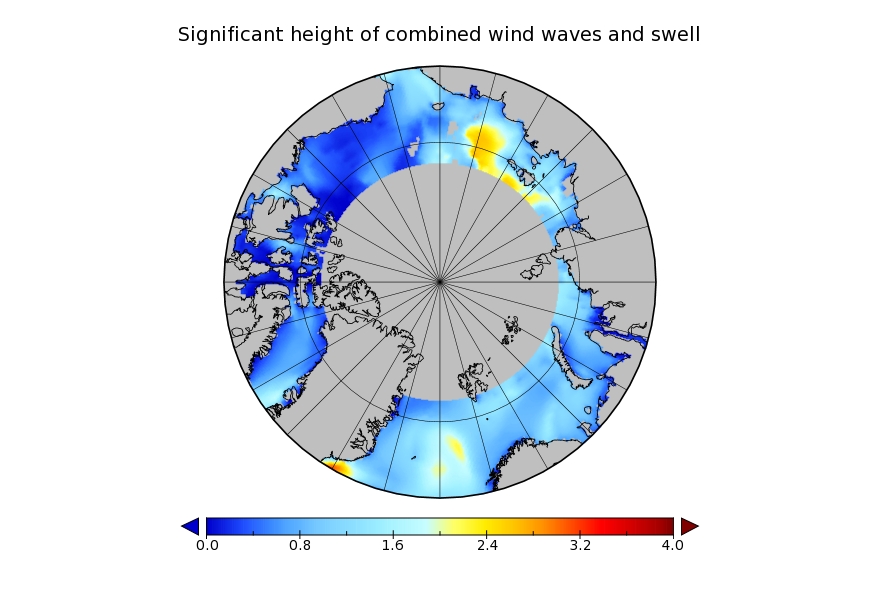
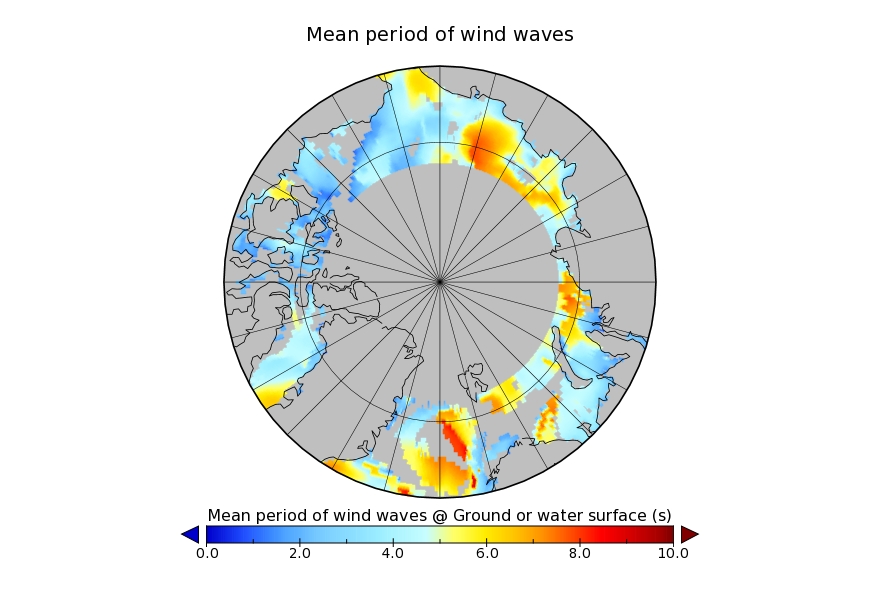
and here is the current Arctic surf forecast for 06:00 UTC on Monday:

height_20160813+55h

period_20160813+55h

A 975 hPa low pressure system will be creating 3 meter waves with a period of around 8 seconds heading across the East Siberian Sea in the direction of the ice edge. By midnight on Monday the cyclone is forecast to have deepened to a central pressure below 970 hPa:

ECMWF-20160813+3d

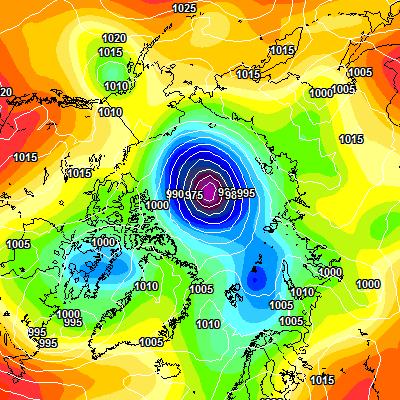
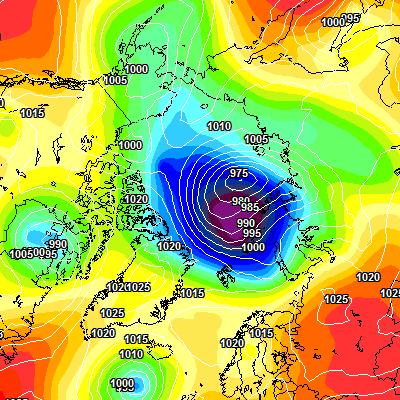
All of this is rather reminiscent of the “Great Arctic Cyclone” in the summer of 2012, which looked like this on August 7th:

ECMWF-20120807

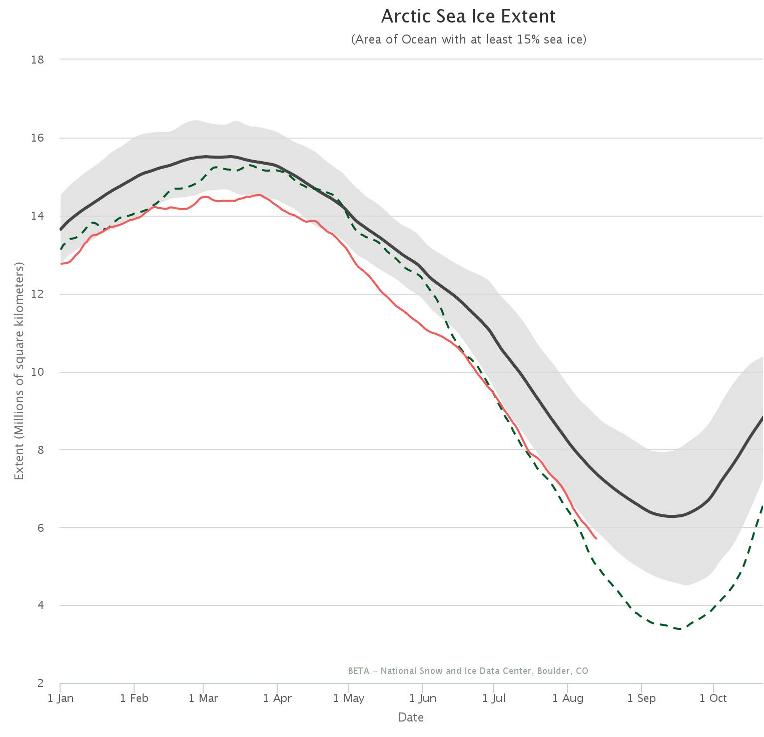
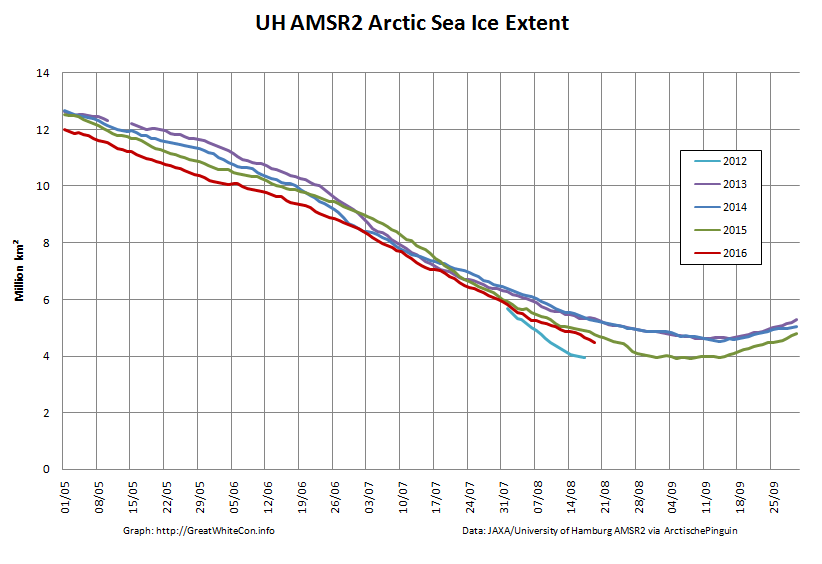
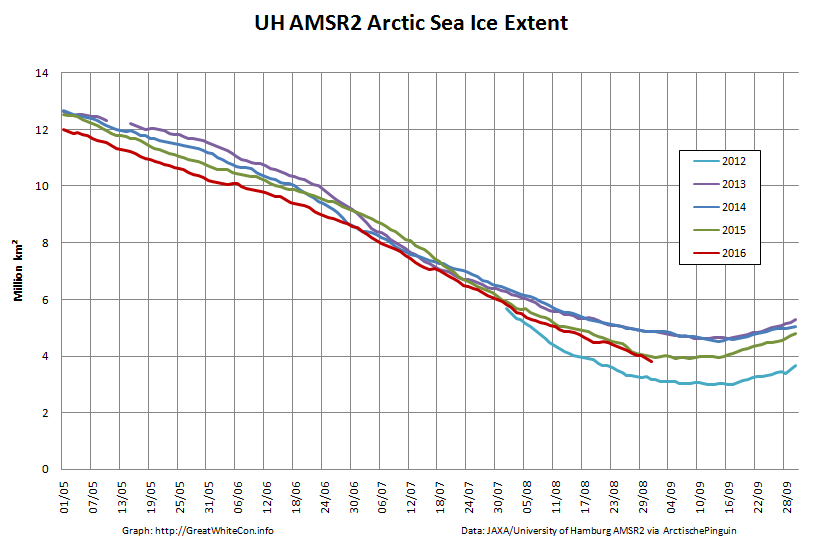
and which ultimately led to the lowest Arctic sea ice extent in the satellite record. Using the National Snow and Ice Data Center’s numbers that was 3.41 million square kilometers on September 16th 2012. Here’s the NSIDC’s current graph comparing 2012 with this year:

Charctic-20160813

I wonder what the minimum for 2016 will be, and on what date?


[Edit – August 14th]

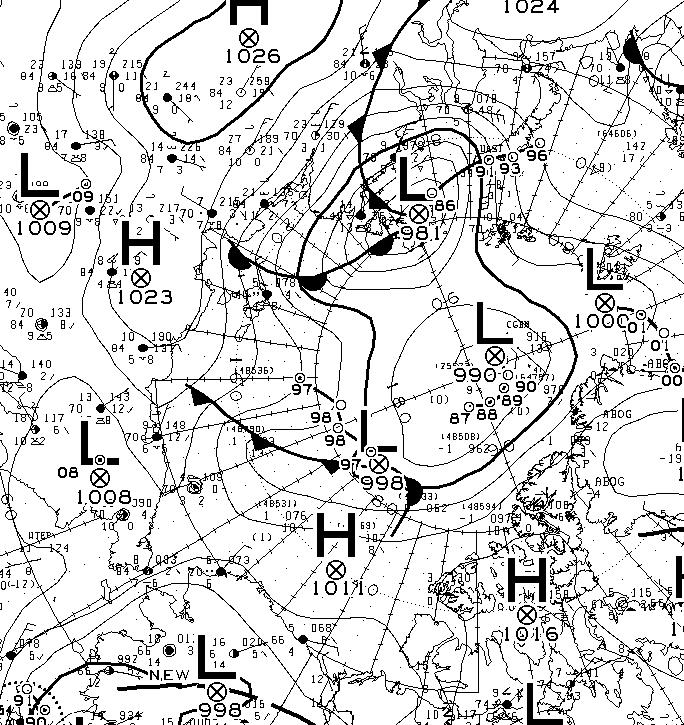
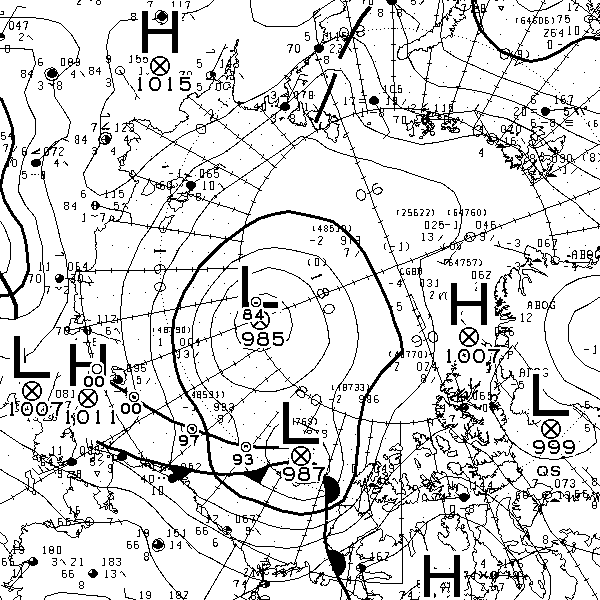
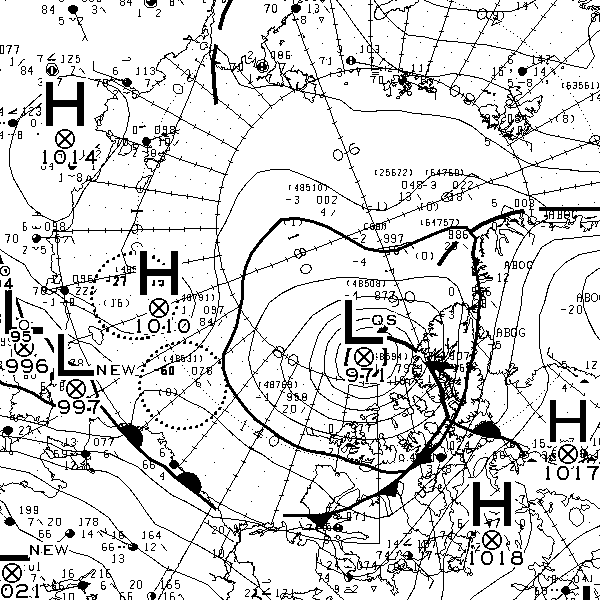
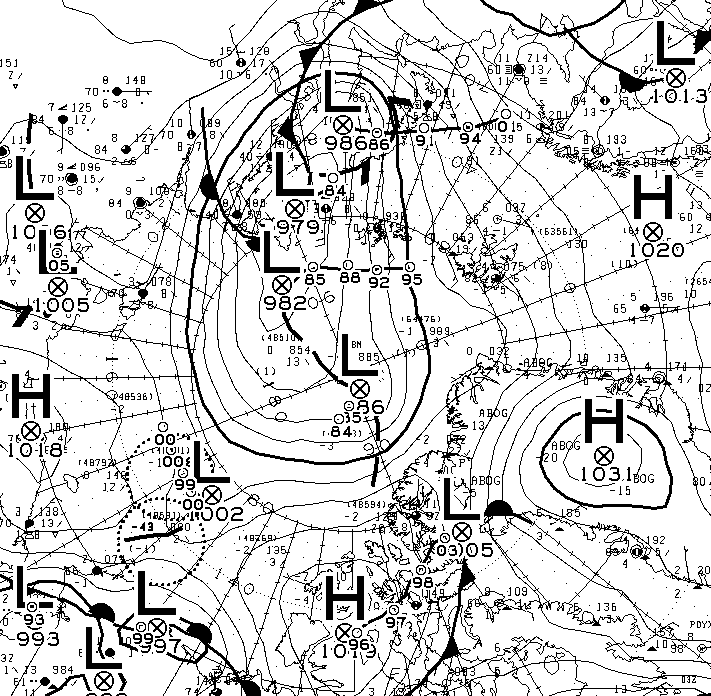
The cyclone is currently centred near Severnaya Zemlya, and the central pressure is down to 981 hPa according to Environment Canada:

Synopsis-20160814-06Z

Northabout is sheltering from the storm.


[Edit – August 15th]

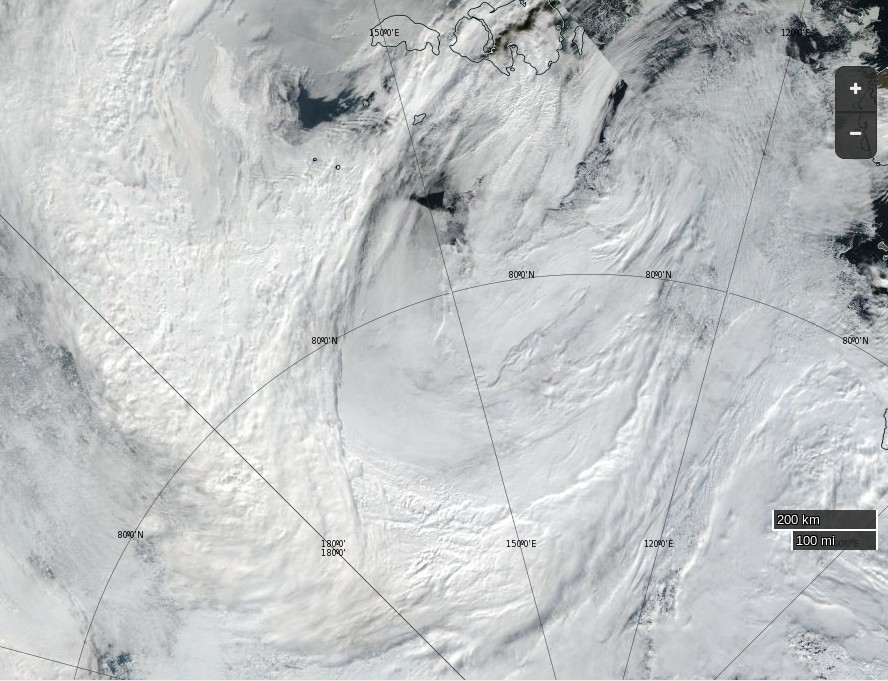
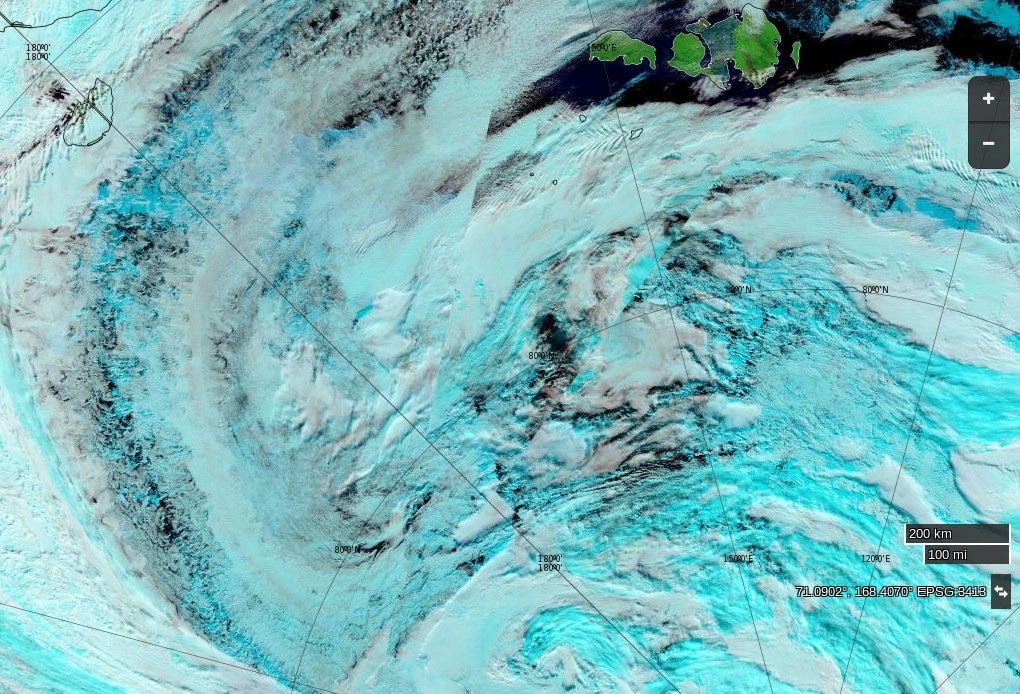
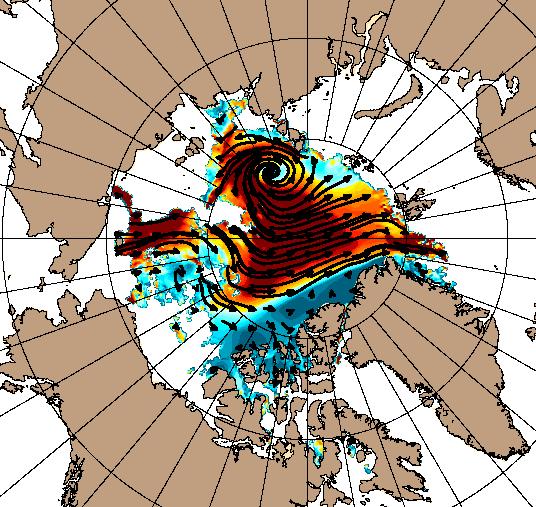
Here’s how the Great Arctic Cyclone of 2016 looks from on high this morning:

NASA Worldview “true-color” image of the 'Great Arctic Cyclone' on August 15th 2016, derived from the VIIRS sensor on the Suomi satellite
NASA Worldview “true-color” image of the ‘Great Arctic Cyclone’ on August 15th 2016, derived from the VIIRS sensor on the Suomi satellite

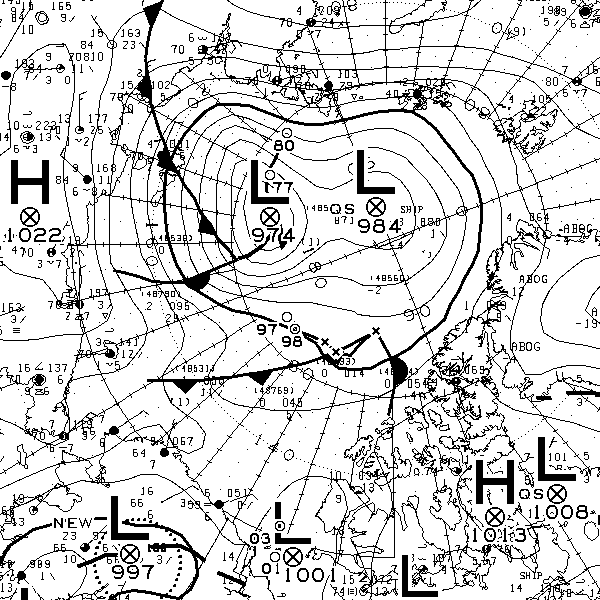
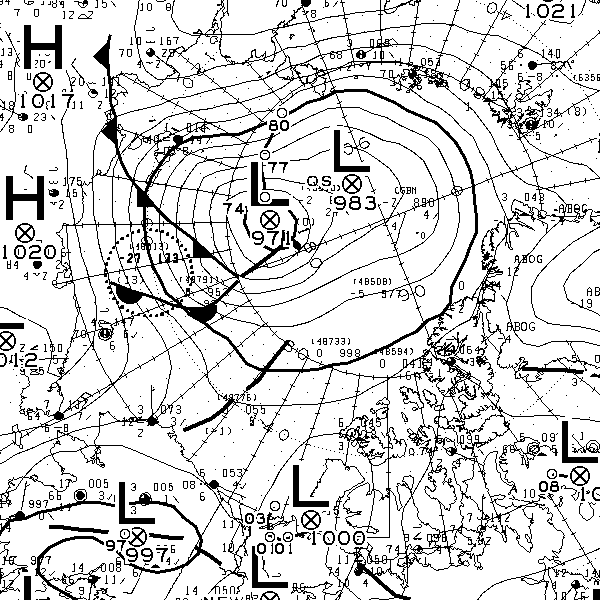
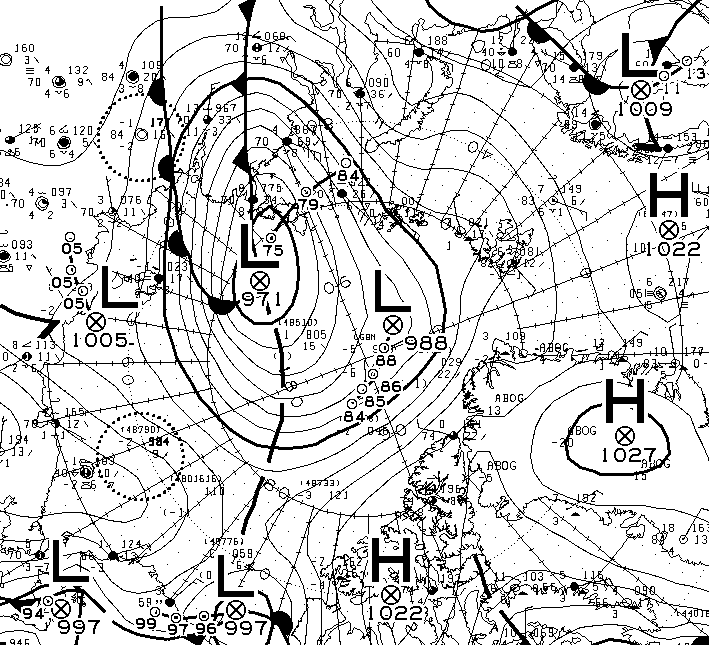
The latest synopsis from Environment Canada shows that the central pressure of the cyclone is now down to 974 hPa:

Synopsis-20160815-00Z

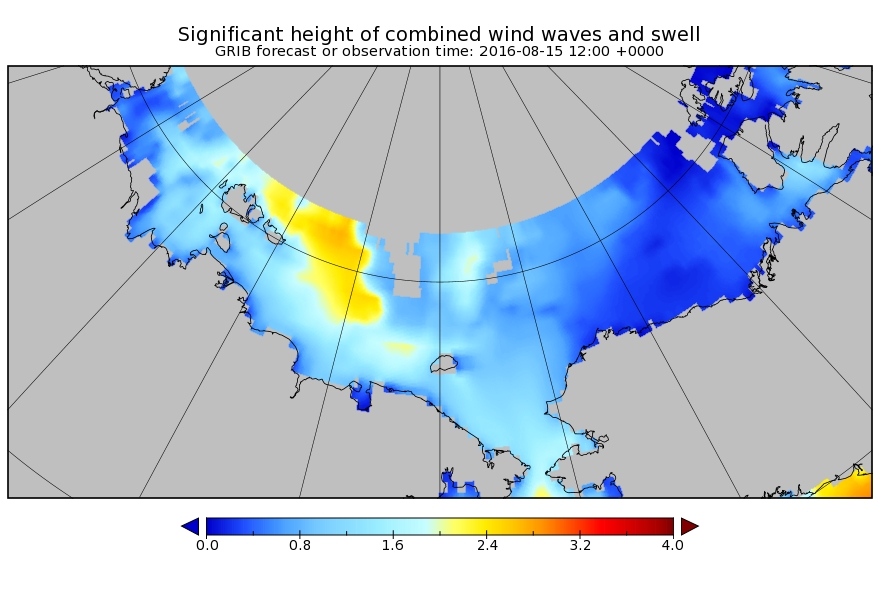
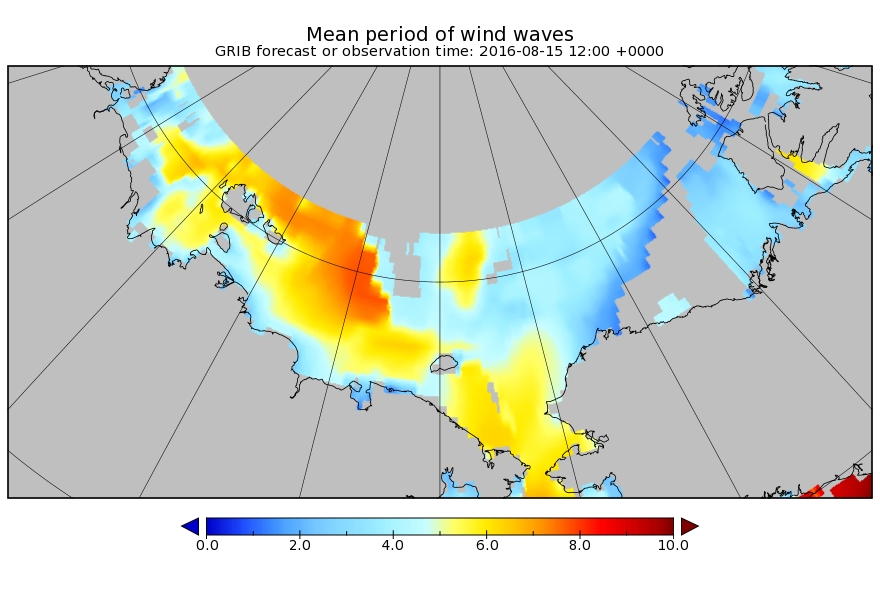
The WaveWatch III forecast for noon today UTC confirms the forecast of two days ago:

Significant_height_of_combined_w in multi_2.glo_30m.20160815_00013

Mean_period_of_wind_waves_surfac in multi_2.glo_30m.20160815_00013

u-component_of_wind_surface in multi_2.glo_30m.20160815_00013

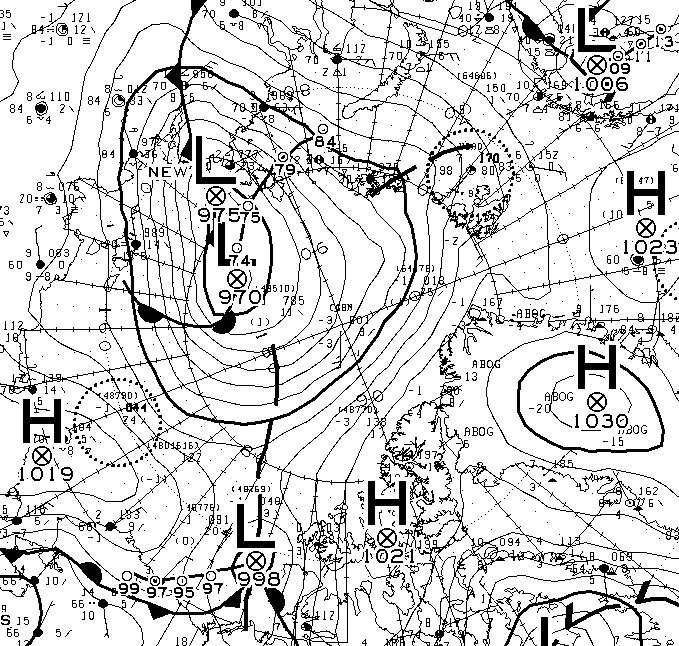
P.S. The Canadian 0600Z synopsis has the cyclone’s SLP down to 971 hPa:

Synopsis-20160815-06Z


[Edit – August 16th]

This morning the cyclone’s SLP is down to 969 hPa:

Synopsis-20160816-00Z

and the clouds over the Central Arctic are parting:

NASA Worldview “false-color” image of the Arctic Basin on August 16th 2016, derived from the MODIS sensor on the Terra satellite

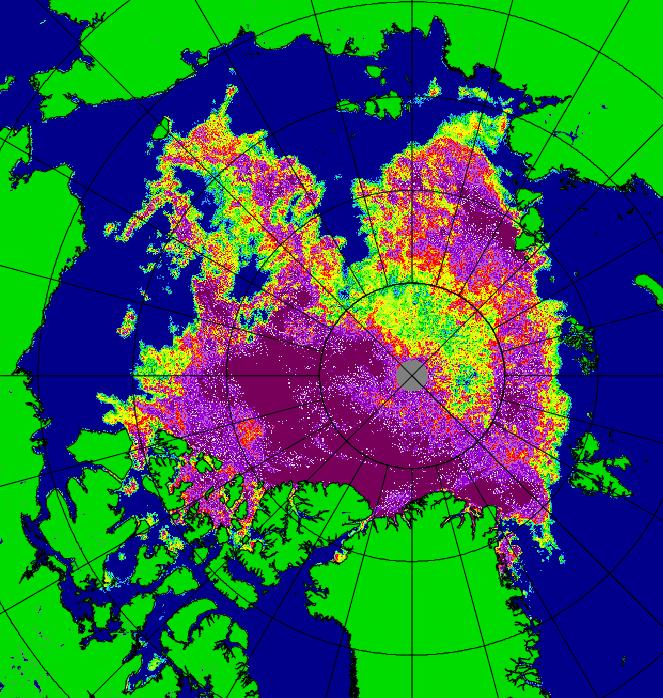
Our favourite method of seeing through the clouds using the AMSR2 maps from the University of Hamburg doesn’t seem to working at the moment, so here’s one from the University of Bremen instead:

asi-AMSR2-n6250-20160815-v5_nic

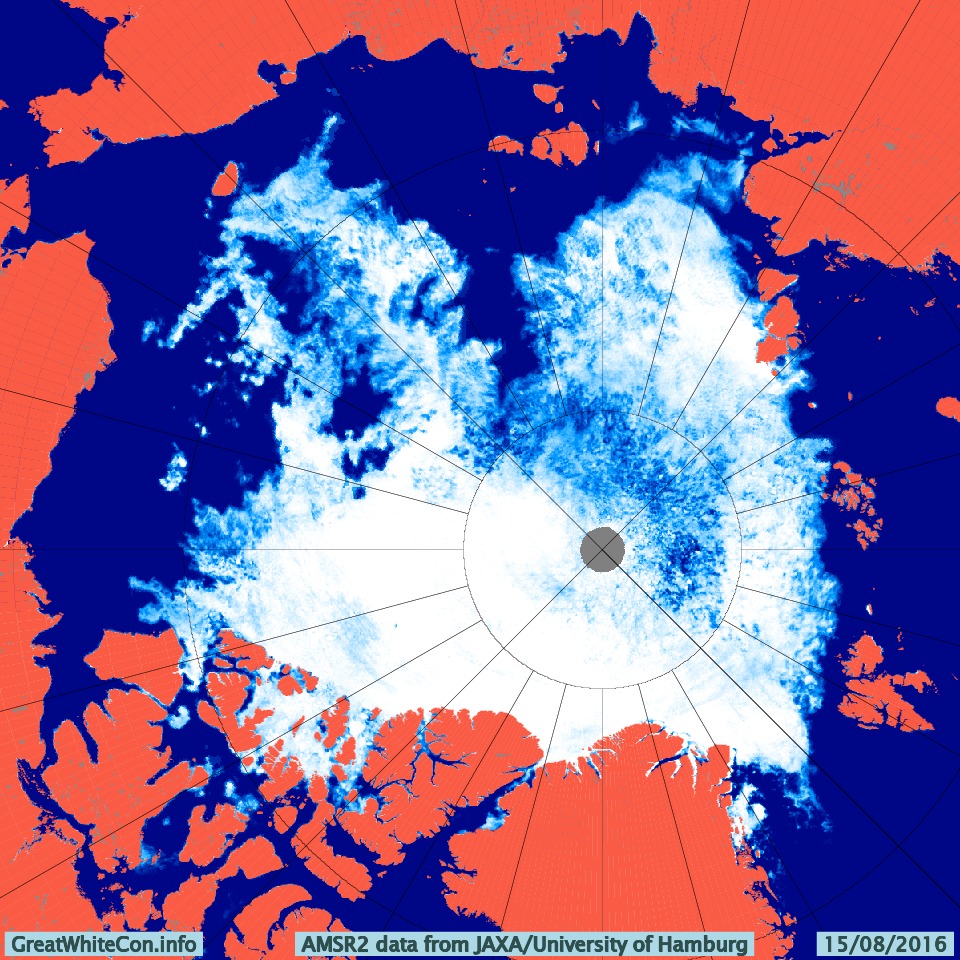
P.S. The University of Hamburg high resolution AMSR2 maps are up and running again:

Arc_20160815_res3.125


[Edit – August 17th]

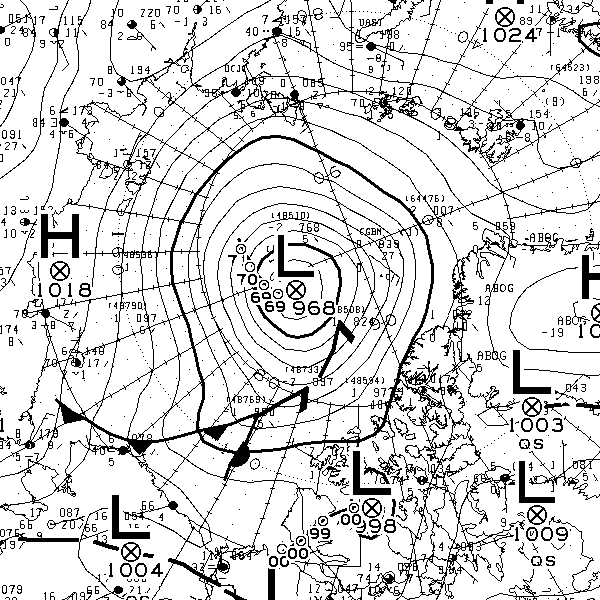
According to Environment Canada the cyclone central pressure bottomed out at 968 hPa yesterday:

Synopsis-20160816-06Z

However, over on Twitter there is this:


[Edit – August 18th]

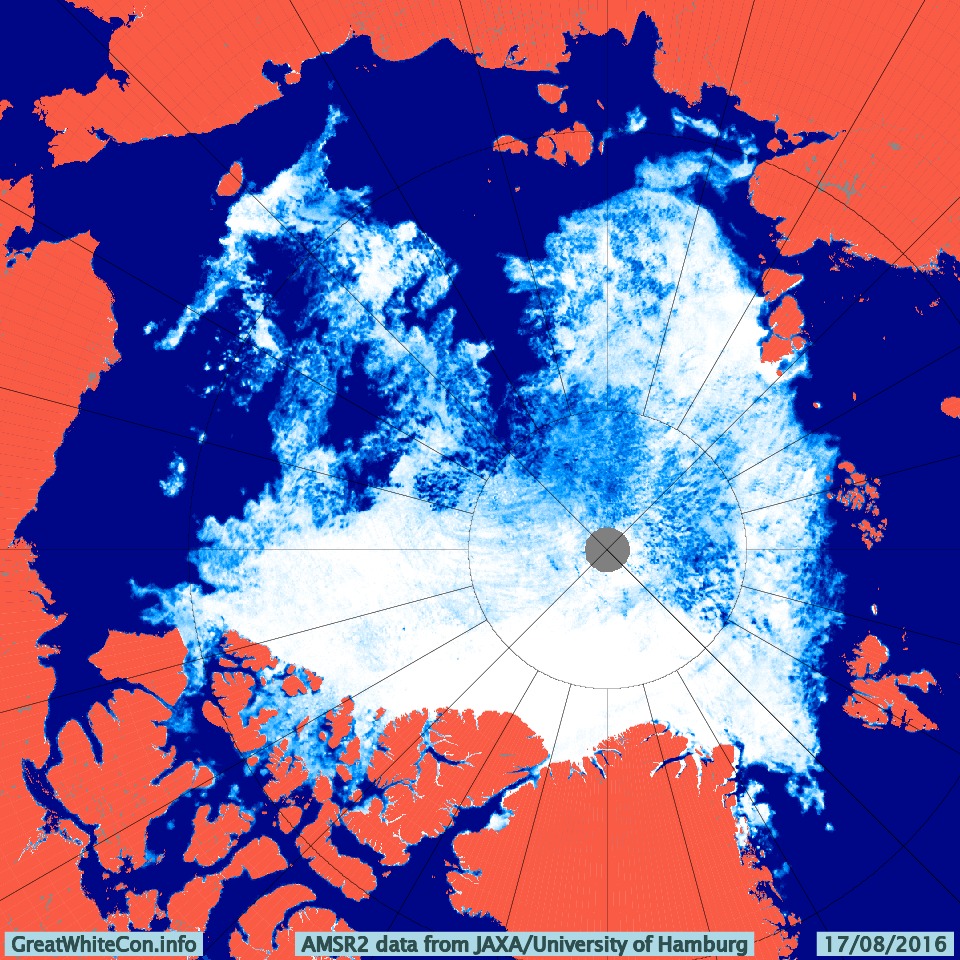
The cyclone central pressure is now up to 983 hPa, and some indications of the effect it has had on the sea ice in the Arctic are being revealed:

Arc_20160817_res3.125

UH-Arctic-Area-2016-08-17


[Edit – August 19th]

According to Environment Canada the cyclone’s central pressure rose to 985 hPa earlier today:

Synopsis-20160819-00Z

However the 987 hPa low near the Canadian Arctic Archipelago is currently forecast to deepen below 980 hPa over the next 24 hours. Here’s the ECMWF forecast for first thing tomorrow morning:

ECMWF-20160719+1d

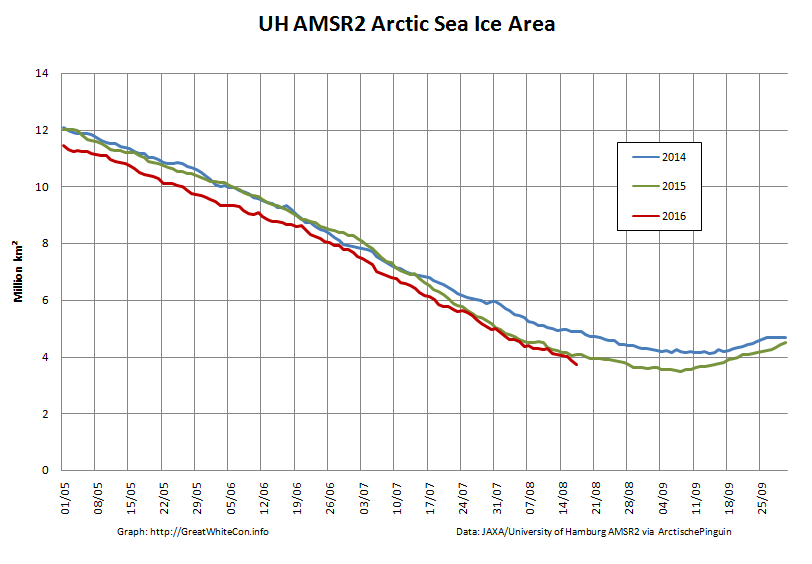
The high resolution AMSR2 Arctic sea ice area has reduced by another 133.5 thousand square kilometers since yesterday. A similar drop tomorrow will take us below the 2015 minimum.


[Edit – August 19th PM]

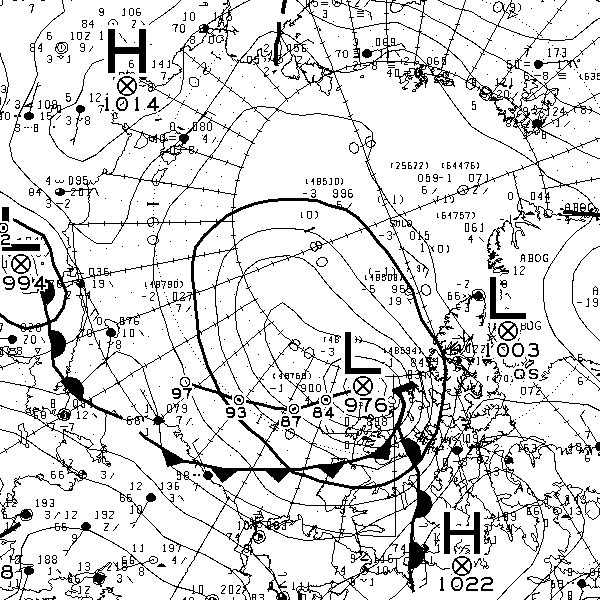
The MSLP of the rejuvenated cyclone had dropped to 976 hPa by 12:00 UTC today:

Synopsis-20160819-12Z

The ECMWF forecast for lunchtime tomorrow is for something similar:

ECMWF-20160719-12Z+1d


[Edit – August 20th]

The current incarnation of the cyclone bottomed out at 971 hPa near the Canadian Arctic Archipelago:

Synopsis-20160820-00Z

The 72 hour forecast from ECMWF for the next phase of GAC 2016 is beginning to enter the realms of plausibility. Here’s what it reveals:

ECMWF-20160720+3d

“Wipneus” reports on the Arctic Sea Ice Forum that:

BREAKING NEWS: Uni Hamburg is releasing AMSR2 sea ice concentration data from 2012. August 1-13 until now.

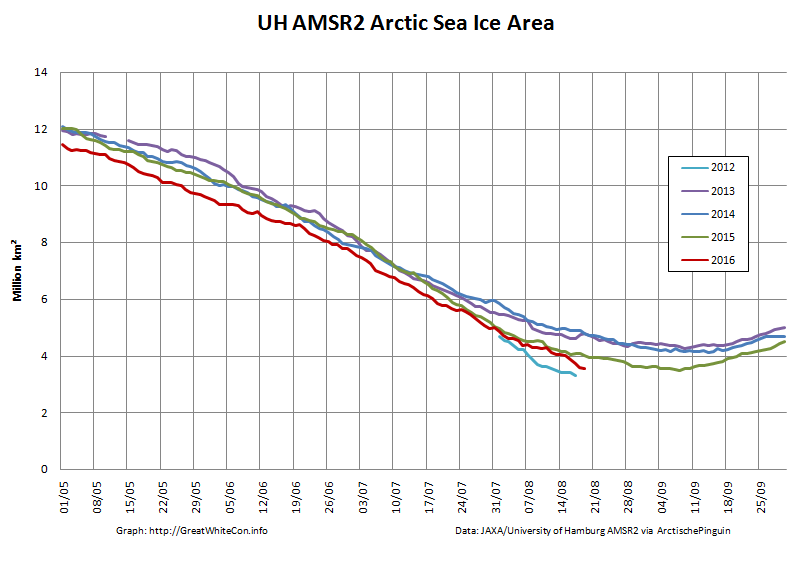
so here are the latest high resolution AMSR2 metrics, now with added 2012!

UH-Arctic-Area-2016-08-19

UH-Arctic-Extent-2016-08-19

The effect on area of the Great Arctic Cyclones of 2012 and 2016 is evident, but 2016 extent looks to have a lot of catching up to do.


[Edit – August 22nd]

Phase 3 of GAC 2016 started with 4 lows in a row this morning:

Synopsis-20160822-06Z

which have now resolved into a cyclone with 971 hPa MSLP:

Synopsis-20160822-18Z

Note also the high pressure area over Greenland, and Reggie’s developing dipole. I wonder what tomorrow will bring?


[Edit – August 23rd]

MSLP is down to 970 hPa this morning, and the CAB Low / Greenland High dipole is still evident:

Synopsis-20160823-00Z

Hence the GFS forecast of a “blowtorch” on the Pacific side of the Arctic by the weekend:

CCI-T2-20160823+4d

and the US Navy’s ACNFS ice drift forecast for today:

ACNFS-Drift-2016082118_2016082300

The University of Hamburg have been processing more AMSR2 data from 2012. You can argue until the cows come home about which is the best metric to peruse at this time of year, but try this one for size:

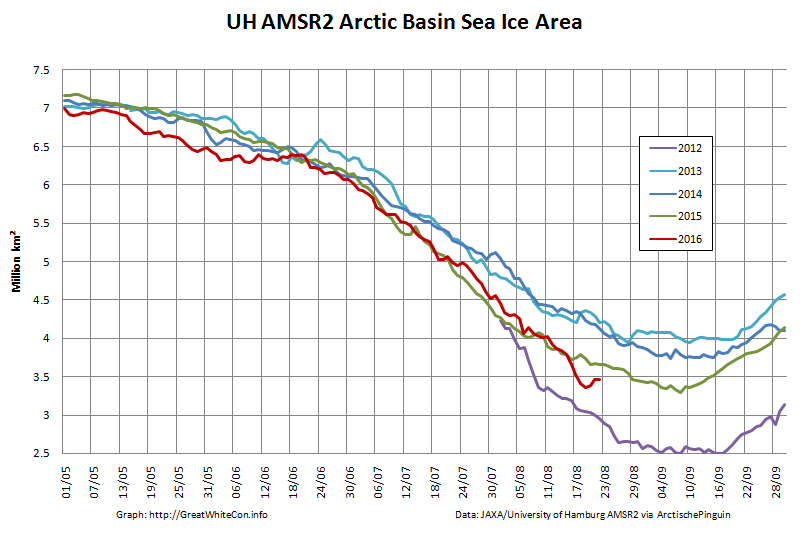
UH-Basin-Area-2016-08-22

That’s the high resolution AMSR2 sea ice area for the Arctic Basin, comprising the CAB plus Beaufort, Chukchi, East Siberian and Laptev Seas.


[Edit – August 25th]

There’s a bit of a gap in the clouds over the Central Arctic today:

NASA Worldview “true-color” image of the Central Arctic Basin on August 25th 2016, derived from the MODIS sensor on the Terra satellite

This is merely the calm before the next storm. Here is the current ECMWF forecast for Saturday lunchtime (UTC):

ECMWF-20160825-12Z+2d

Low pressure on the Siberian side of the Arctic and high pressure on the Canadian side producing an impressive dipole with lots of sea ice “drift” towards the Atlantic:

ACNFS-Drift-2016082518_2016082700


[Edit – August 27th]

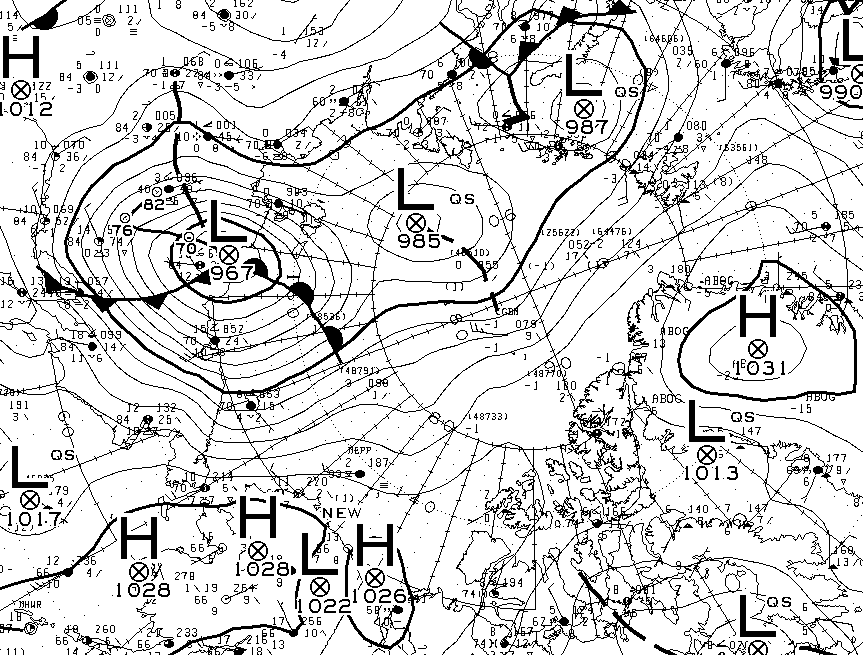
Saturday morning has arrived, and so has the predicted storm. As the centre of the cyclone crossed the coast of the East Siberian Sea its central pressure had fallen to 967 hPa, whilst the high pressure over Alaska had risen to 1028 hPa:

Synopsis-20160827-00Z

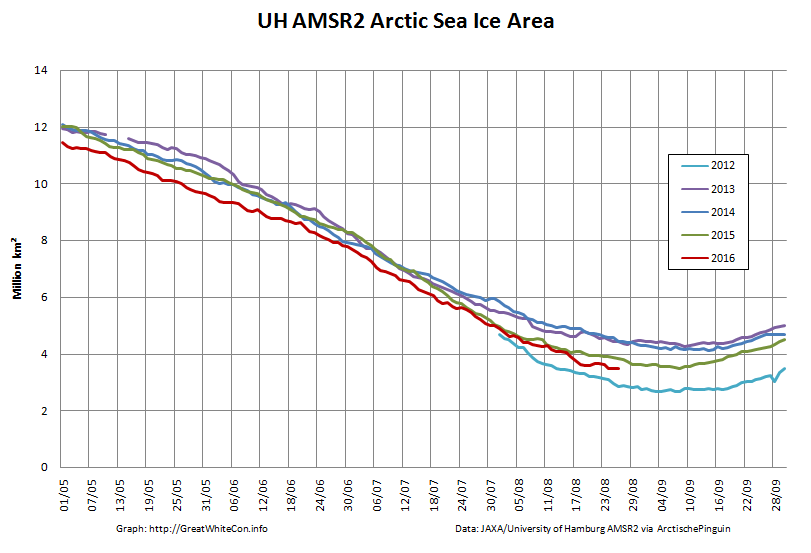
The effect of the earlier bursts of high wind is apparent in the high resolution AMSR2 sea ice area graph:

UH-Arctic-Area-2016-08-26

However they are not as apparent in the corresponding extent graph:

UH-Arctic-Extent-2016-08-26


[Edit – August 28th]

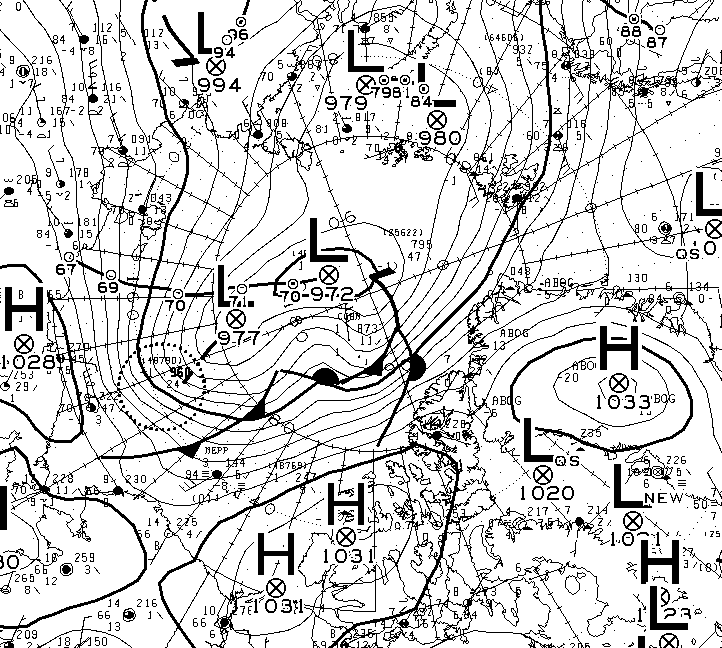
As the centre of the cyclone heads for the North Pole the isobars are tightening across the last refuge of multi-year sea ice north of the Canadian Arctic Archipelago and Greenland:

Synopsis-20160828-06Z

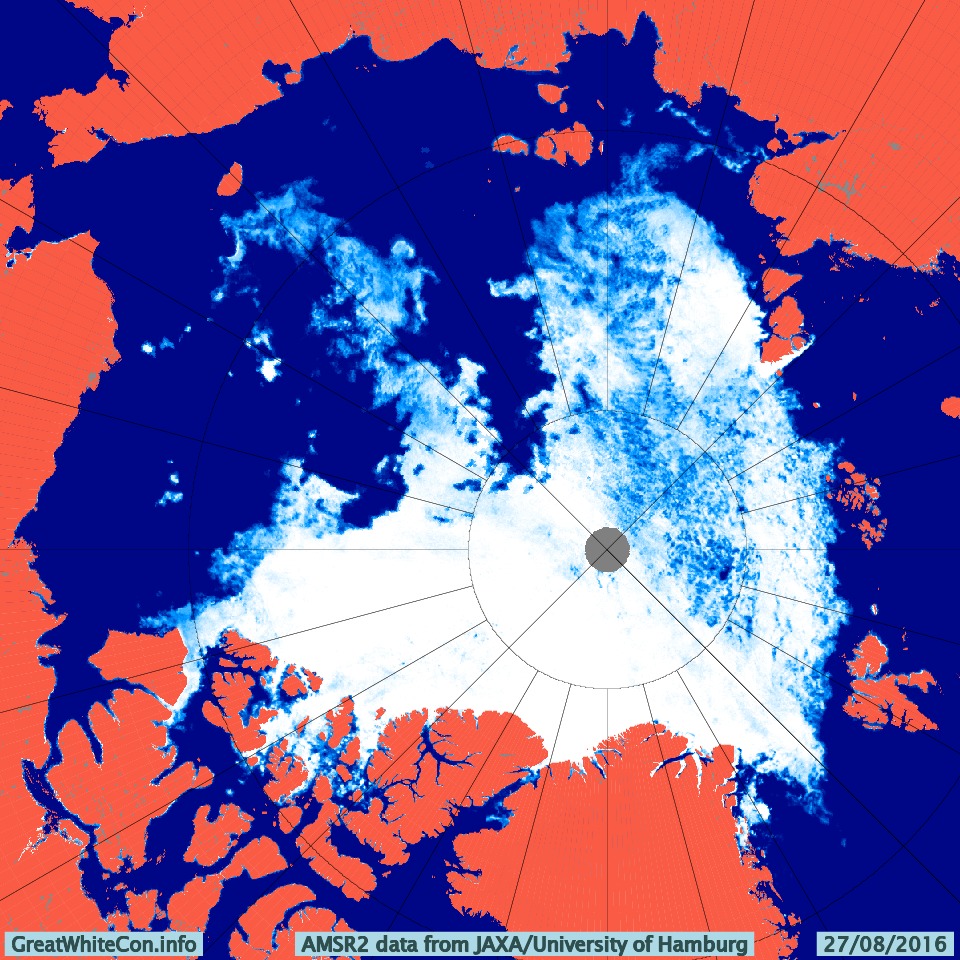
The area north of the East Siberian Sea that was predicted to bear the brunt of the wind and waves overnight is still covered in cloud. However the latest AMSR2 update from the University of Hamburg suggests that open water now stretches as far as 86 degrees north:

Arc_20160827_res3.125

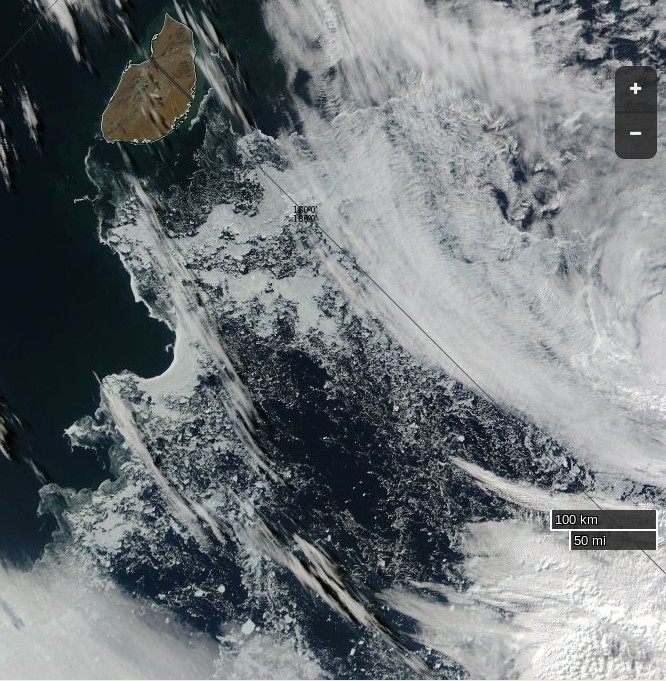
The skies over the northern Chukchi Sea have cleared to reveal this:

NASA Worldview “true-color” image of the northern Chukchi Sea on August 28th 2016, derived from the MODIS sensor on the Aqua satellite


[Edit – August 29th]

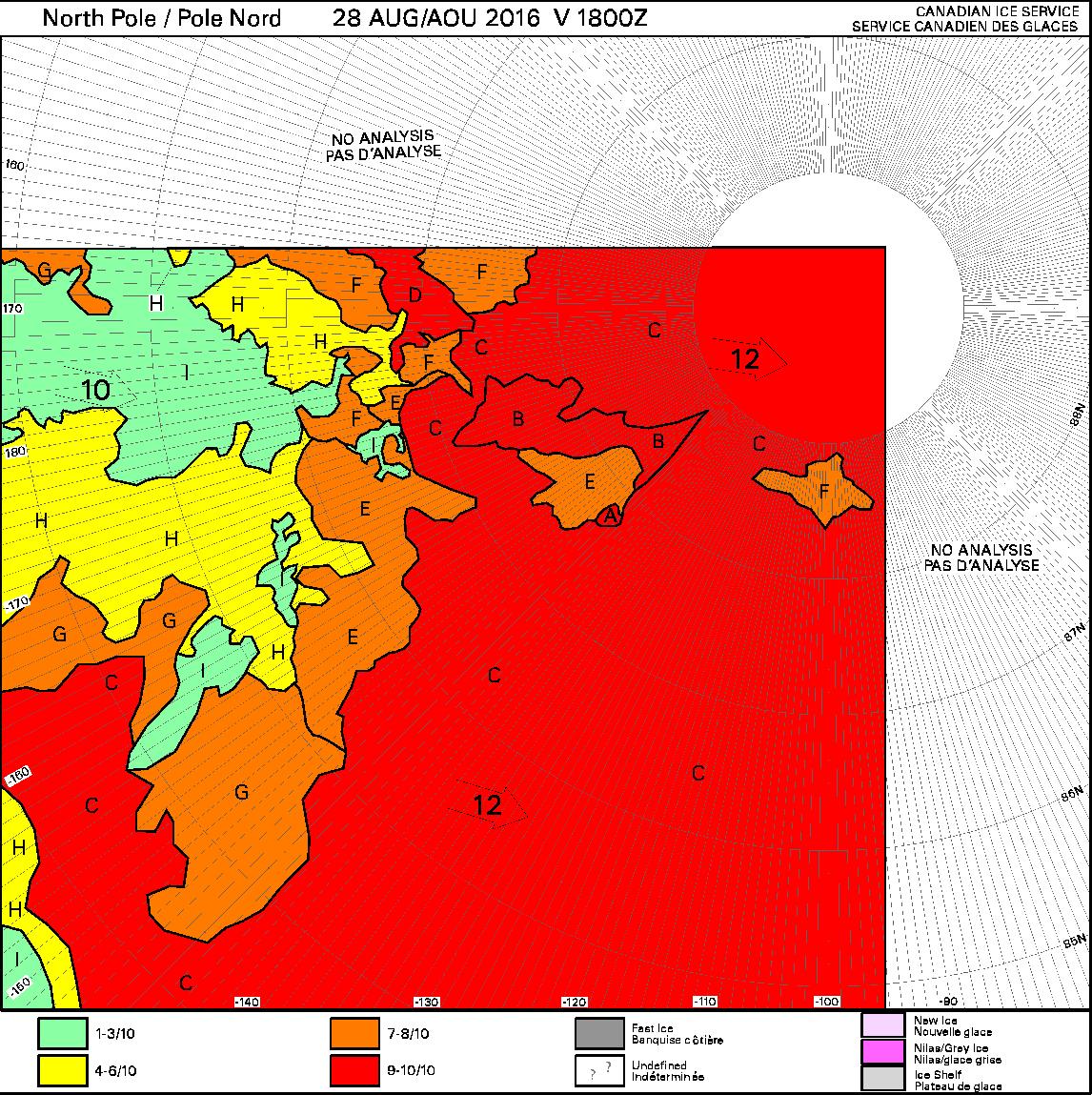
Some of the effects of the recent high winds can be judged by this Canadian Ice Service chart of ice concentration near the North Pole:

Pole_20160828180000


[Edit – September 1st]

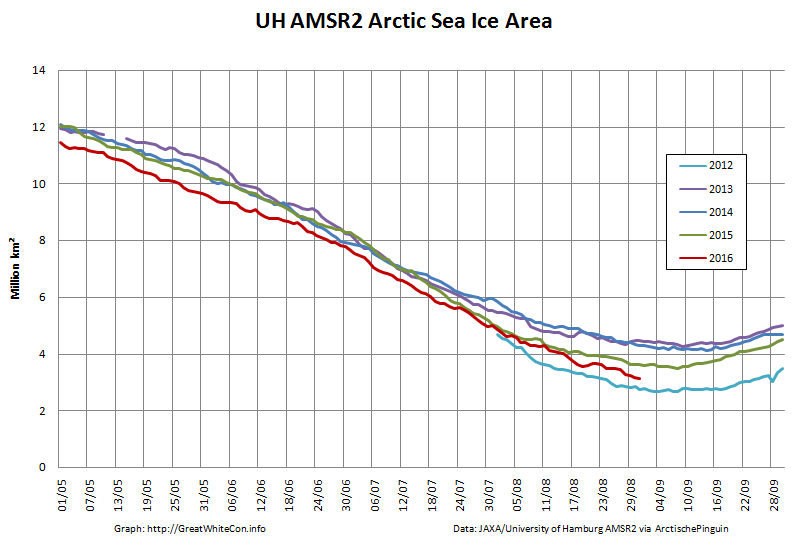
Arctic sea ice area continues to fall quickly for the time of year:

UH-Arctic-Area-2016-08-31

The recent dipole has finally caused some compaction of the scattered sea ice. Hence the high resolution AMSR2 extent is following suit and is now below last year’s minimum:

UH-Arctic-Extent-2016-08-31

Northabout Meets Some Serious Sea Ice

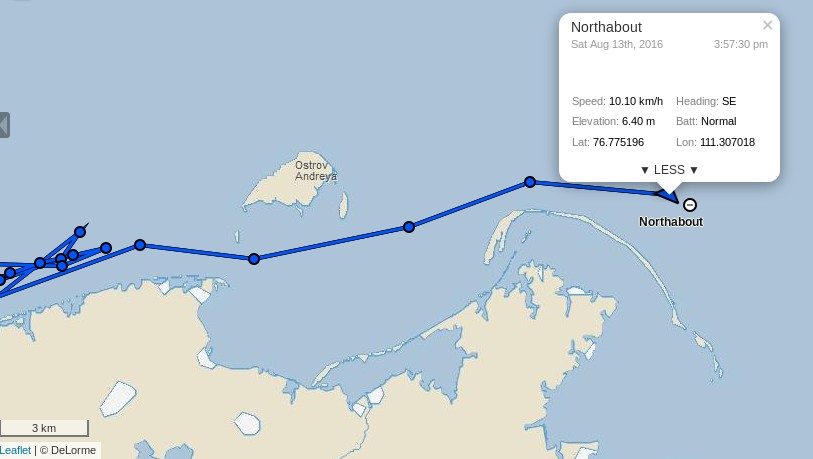
Having rounded Cape Chelyuskin yesterday Northabout has now come across some serious sea ice in the Laptev Sea. The crew are posting regular updates on conditions. Here’s a recent example:

DSC_1030

Having anchored against some land-fast ice overnight Northabout is on the move once again:

Northabout-20160810

Not before indulging in some strenuous early morning exercise though!


[Edit – August 11th]

Northabout made further progress yesterday and anchored last night in the shelter of Ostrov Volodarskiy:

Northabout-20160811

There seems to have been less sea ice in attendance than the night before!

Northabout-Anchorage-20160810

Northabout is now approaching the area in which the most recent AARI forecast suggests there will be sea ice all the way to the coast:

ICEFRC_LAP_20160809_72

Will the hoped for winds have done their work by tomorrow?


[Edit – August 13th]

Northabout spent yesterday trying to find a way south. Ultimately they failed, reporting that:

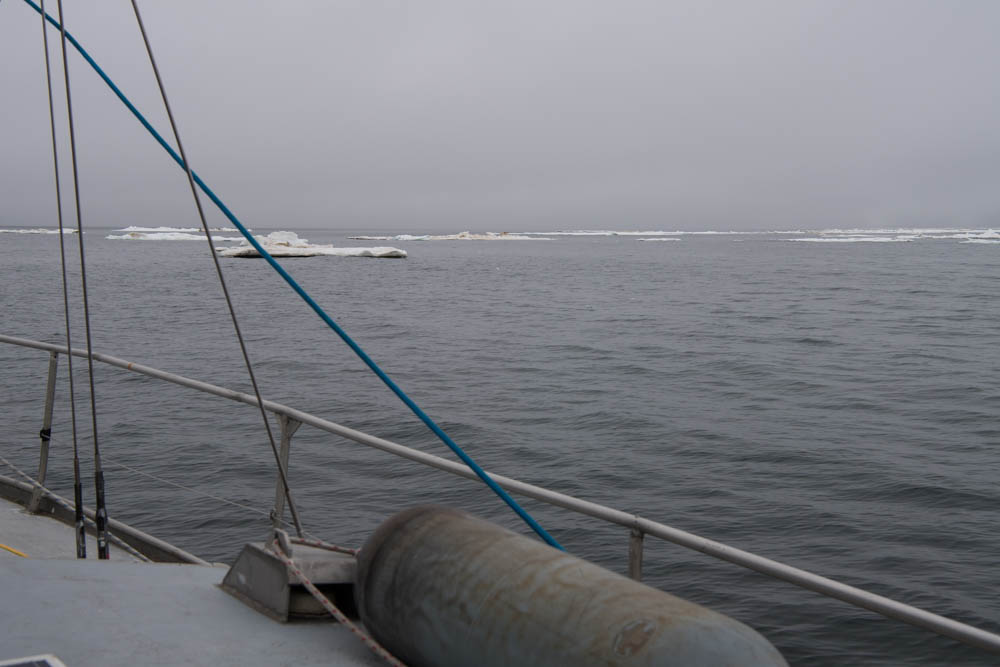
The wind and sea state were really picking up. Our options were few. Wind and tide against us, really shallow water of 5m , small bergy bits in the water to miss. NO shelter whatsoever. Do we make our way back the 40 miles where we knew a good anchor spot ? At this rate it would take us 11 hours, using up precious diesel. In the end a nice large floe came into sight, so we gingerly approached, and my comrades made the boat secure. It would protect us from the sea state like a pontoon, and protect us from the mass of ice coming our way. My watch finishes at 12 and I got into my pit at 3.30am.

To our surprise, the floe was moving at 1.3 knots, so up again to move. The strong winds were driving huge belts of pack ice our way, we didn’t want to be caught up against the shore. So, off towards our anchorage, and then a nice large ‘Stamukha’ appeared. Russian for ice that has grounded on the bottom, so not moving. Another mooring. This time it felt safe, so a good couple of hours sleep,

This morning it looks like they are still anchored to that Stamukha:

Northabout-20160813-1000

Here’s a picture of their anchorage the previous night:

and moving pictures of Northabout mooring to the “stamukha”.

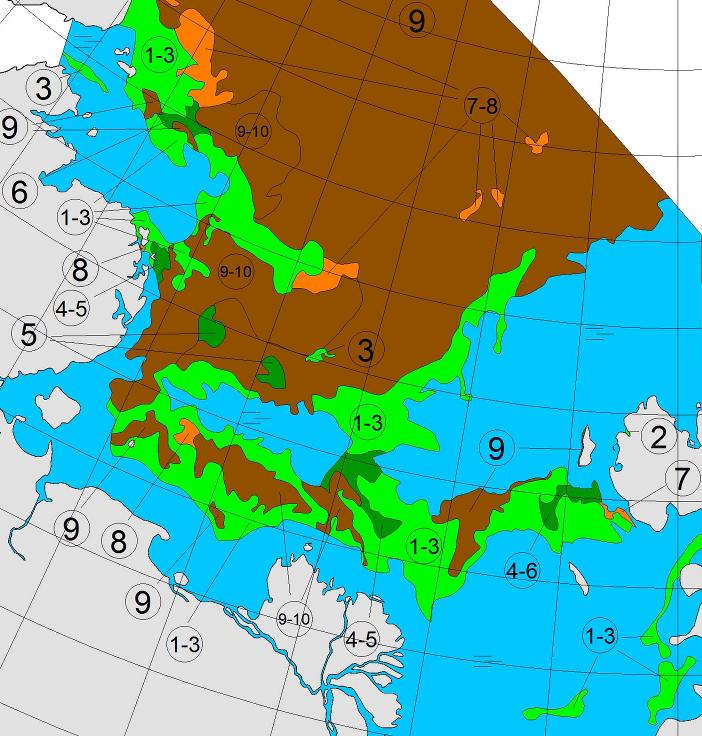
Here’s the latest AARI sea ice chart:

AARI-Laptev-20160812

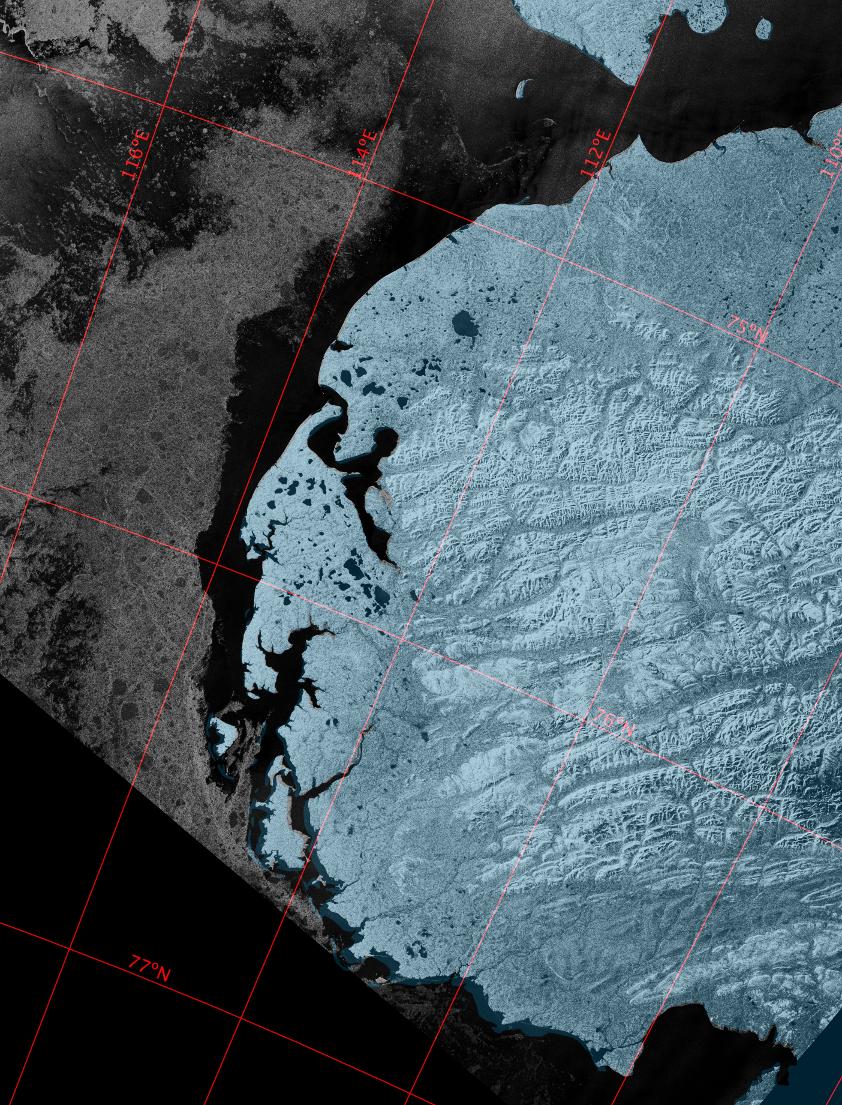
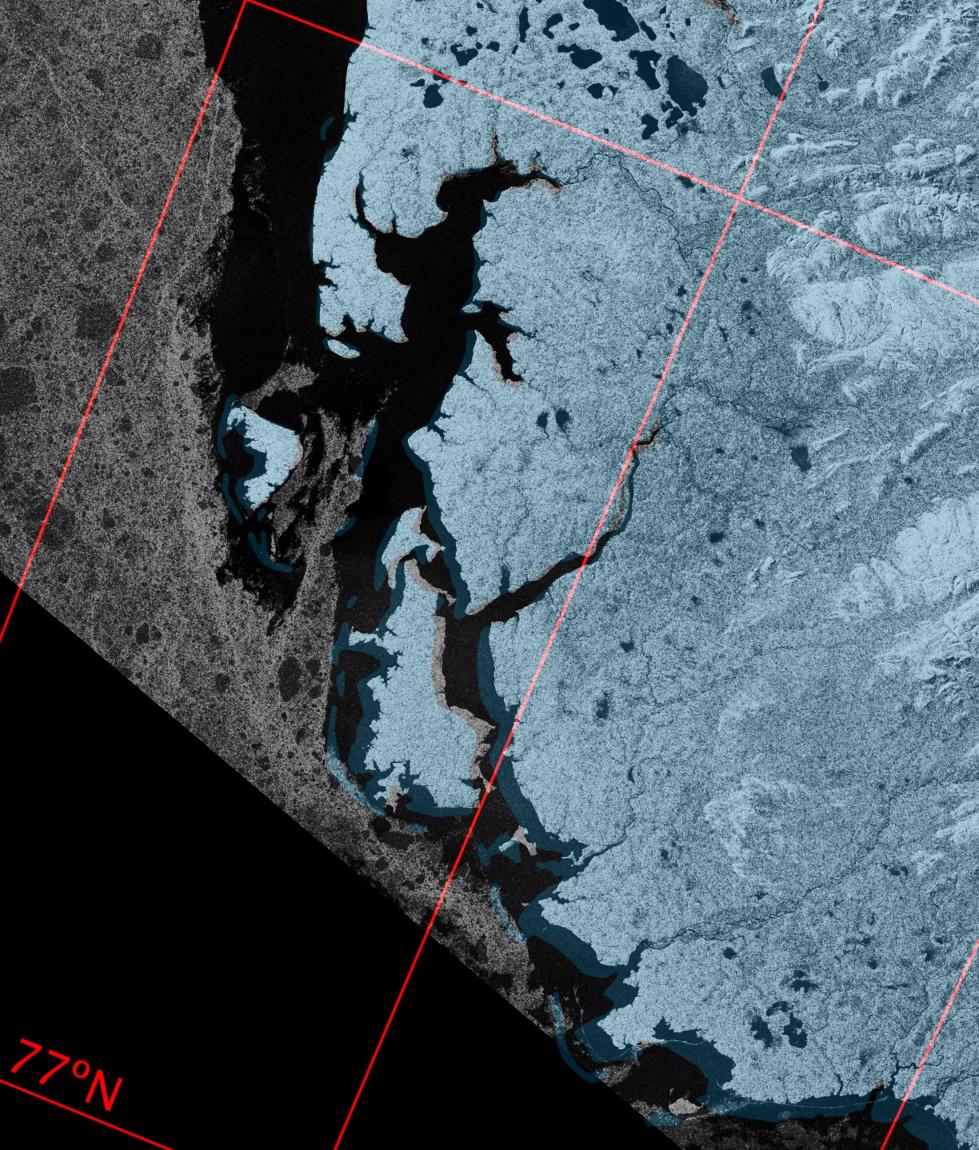
which still shows a considerable length of the coast of the Taymyr Peninsula beset by 9/10 concentration sea ice. However Sentinel 1A imaged that coast just before midnight last night. Here’s what it revealed:

S1A_20160812T233250_Overview

S1A_20160812T233250_Closeup

So near and yet still so far for Northabout?


[Edit – August 13th PM]

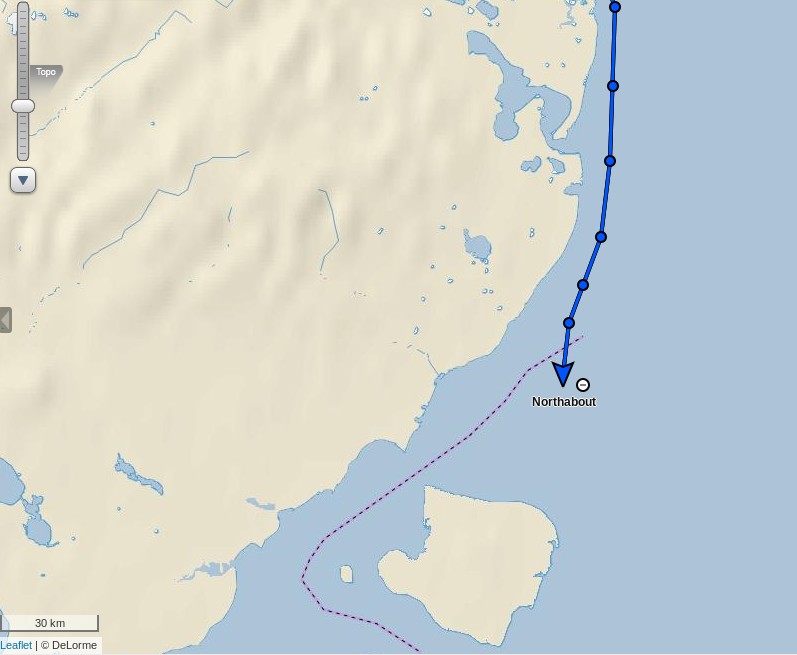
Stop Press! Northabout has now passed Ostrov Andreya and turned south:

Northabout-20160813-1600

If last night’s Sentinel 1A images are to be believed the worst is now behind the Polar Ocean Challenge team, until the winds of the forthcoming “Great Arctic Cyclone” of 2016 arrive at least? Here’s the current ECMWF forecast for early Monday morning, courtesy of MeteoCiel:

ECMWF-20160813+48


[Edit – August 14th]

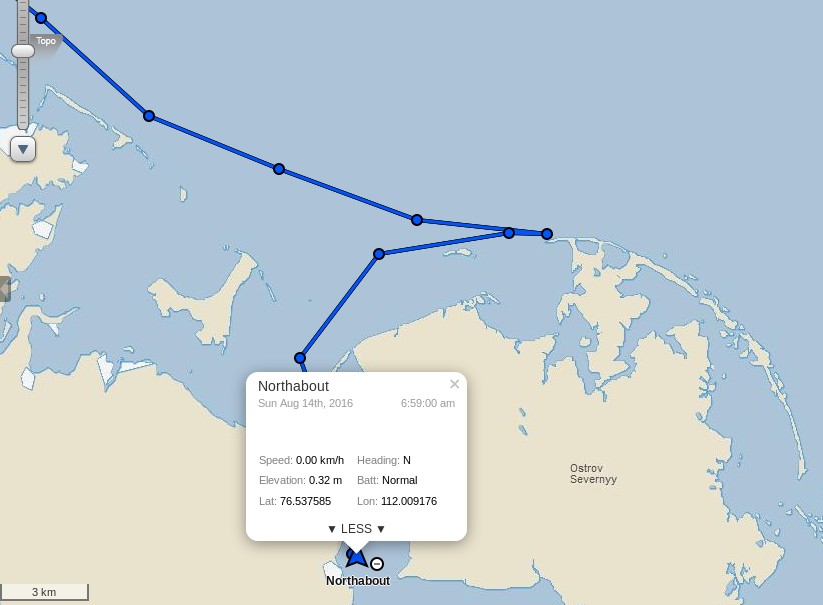
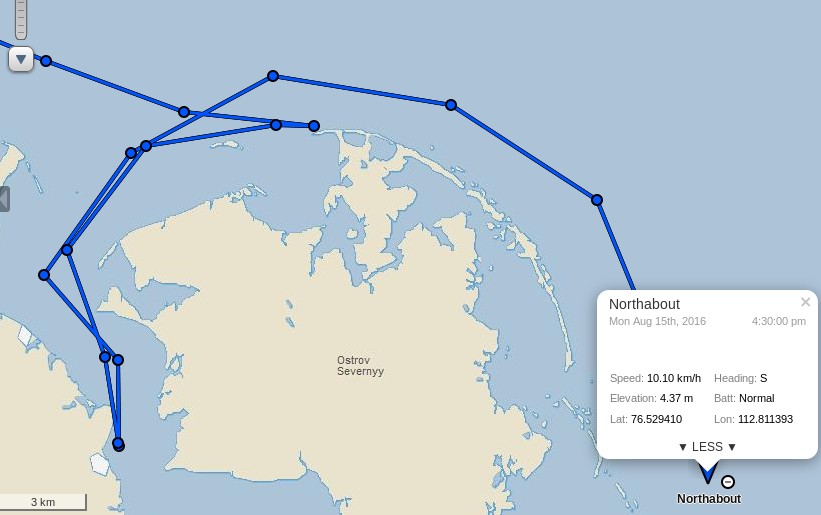
After inspecting a possible route to the east of Ostrov Severnyy, the crew of Northabout have decided that:

We have had to go and find shelter tonight. A huge storm on the way, and high wind, in shallow waters with masses of ice driving your way, is no place to hang around to see what might happen.

So, now at anchor, all tired, excited after today, and looking forward to the next hurdle – I think! As I write, the wind is gusting 30 knots, so clever to run for shelter.

Northabout-20160814-1000


[Edit – August 15th]

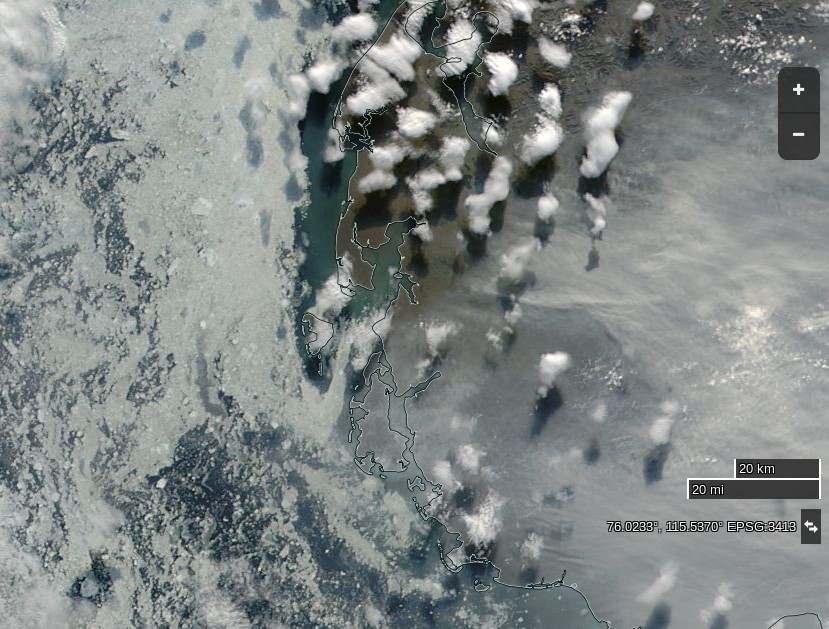
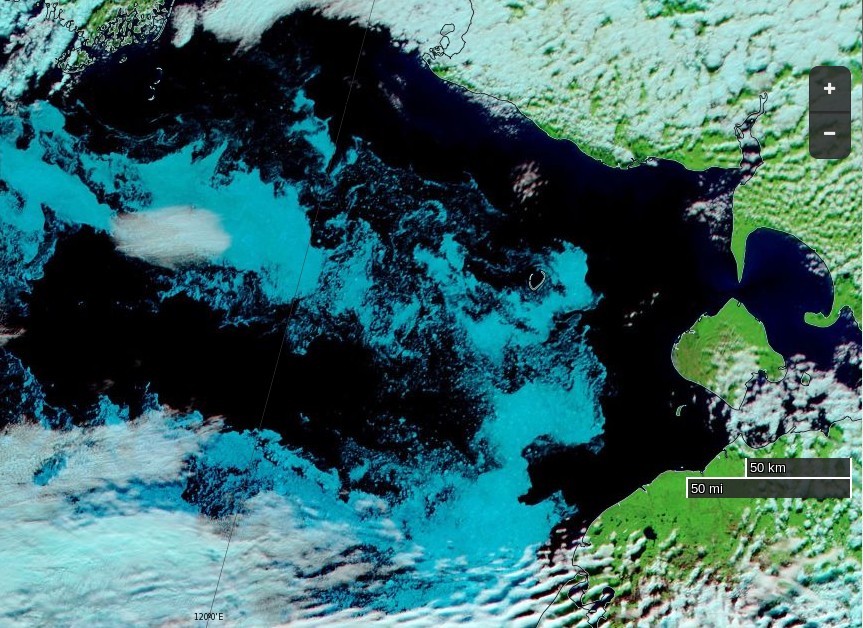
The Sentinel image from last night isn’t very clear, and today’s MODIS images are rather cloudy so here’s one from yesterday:

NASA Worldview “true-color” image of the western Laptev Sea on August 14th 2016, derived from the MODIS sensor on the Aqua satellite

It shows that the winds had already opened up a fairly ice free channel past Ostrov Severnyy, and also the smoke that Northabout’s crew reported smelling yesterday:

Staying at Anchor for another night behind Ostrov Severnyy – Air 9C water 5C 76 53N 112 E 30 knot winds from SW 15.40 UTC 22.40 local time

Well, as predicted from the Grib files, winds slowly increased throughout last night to 35 and gusting much higher. Also, as predicted, the temp rose to an amazing 17 degrees today! In the morning, I also got the distinct smell of wood smoke. Maybe a forest fire 500 miles south and the smell drifted with the wind. At one point, we slipped the anchor, so good we had an anchor watch and wise to find shelter, no ice, 7m of depth, surrounded by land but still bouncing about like a cork.

In the wake of the cyclone they are sailing south again today, apparently unhindered by sea ice:

Northabout-20160815-1630


[Edit – August 16th]

Northabout has made good progress overnight:

Northabout-20160816-1130

The skies are clear this morning over the south-west Laptev Sea:

NASA Worldview “false-color” image of the south-western Laptev Sea on August 16th 2016, derived from the MODIS sensor on the Terra satellite

The next question is which side of Ostrov Bol’shoy Begichev will Northabout pass? All the indications are that the answer will be to the east.

Whilst we wait for that to be confirmed, here is some video footage of Northabout passing Ostrov Andreya on August 13th:

P.S. Here’s the latest AARI ice chart for the Laptev Sea:

AARI-Laptev-20160815


[Edit – August 18th]

Northabout has encountered yet more sea ice. According to the “Crew Blog” of Ben Edwards:

Over night we’d sailed into ice. I know, I said we shouldn’t be troubled by ice for a bit, I was wrong. The ice on its own wasn’t too bad, the thing was we had fog as well. The fog was terrible, we could barely see five meters in front of the prow and the ice just kept on coming. After a bit the fog went, thankfully, the ice didn’t. Eight hours later when I’m back on watch we still had ice and even better, we had to divert to avoid a sandbank. Then the fog came back, typical. Luckily after another two and a half hours the ice began to clear a bit, for now.

Despite the ice, fog and sandbank Northabout is still making good progress across the Laptev Sea, and is currently sailing past the delta of the Lena River:

Northabout-20160818-1630


Previous Polar Ocean Challenge articles:

Non Fiction:
Northabout Bides Her Time

Northabout’s Great Adventure

Fiction:
Is the Polar Ocean Challenge About to End in Disaster?

Is the Northwest Passage Open Yet?

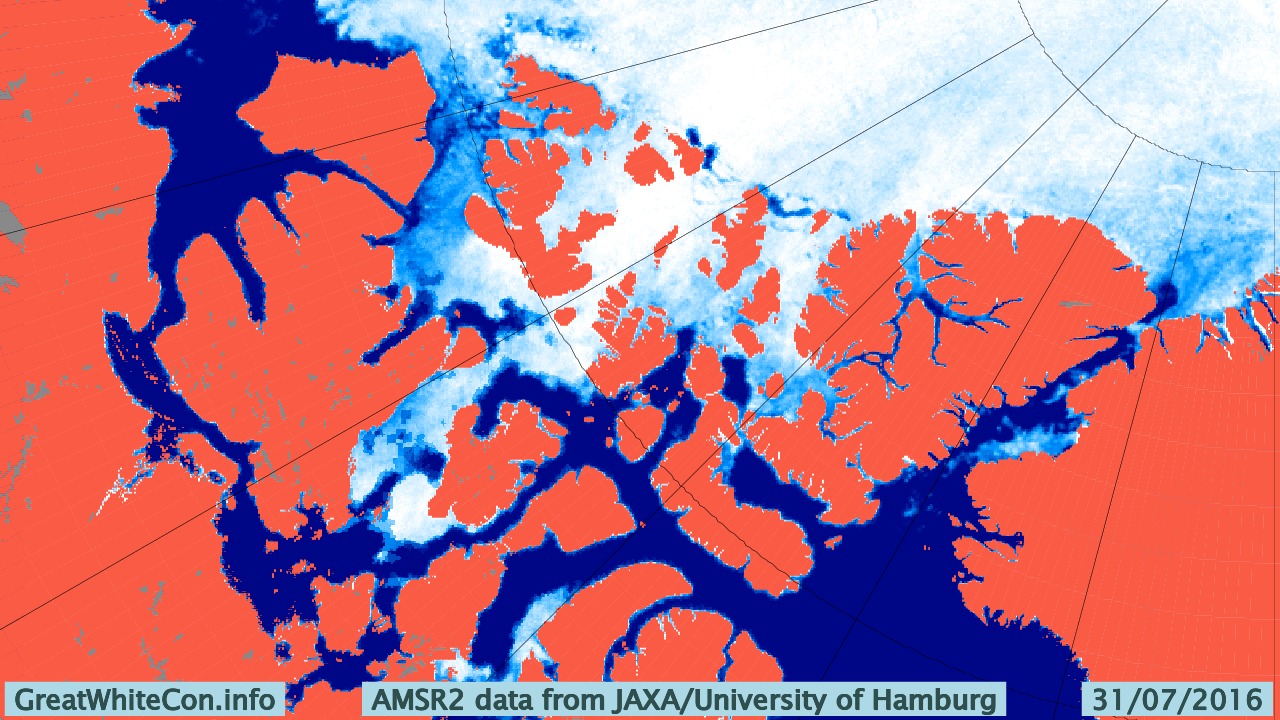
We asked this question last year, albeit a couple of weeks later. It looks like it is if you only peruse passive microwave visualisations such as this one:
Arc_20160731_res3.125_LARGE

However if you were the captain of a yacht attempting to sail through the Northwest Passage this year you might well have some reservations. For example, the Barrow webcam (currently stuck on July 31st) reveals this:
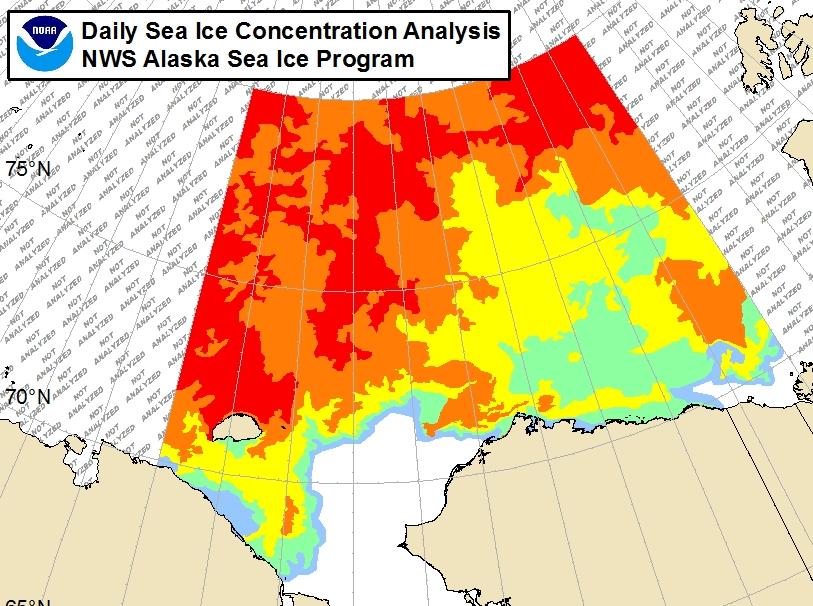
Here’s the associated National Weather Service ice chart:

NWS-Alaska-20160801-Crop

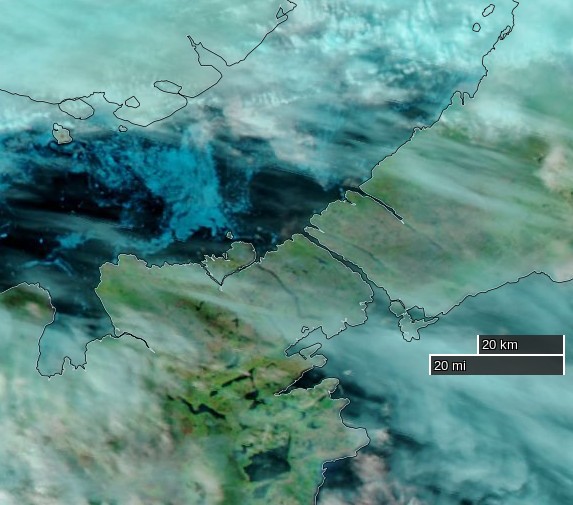
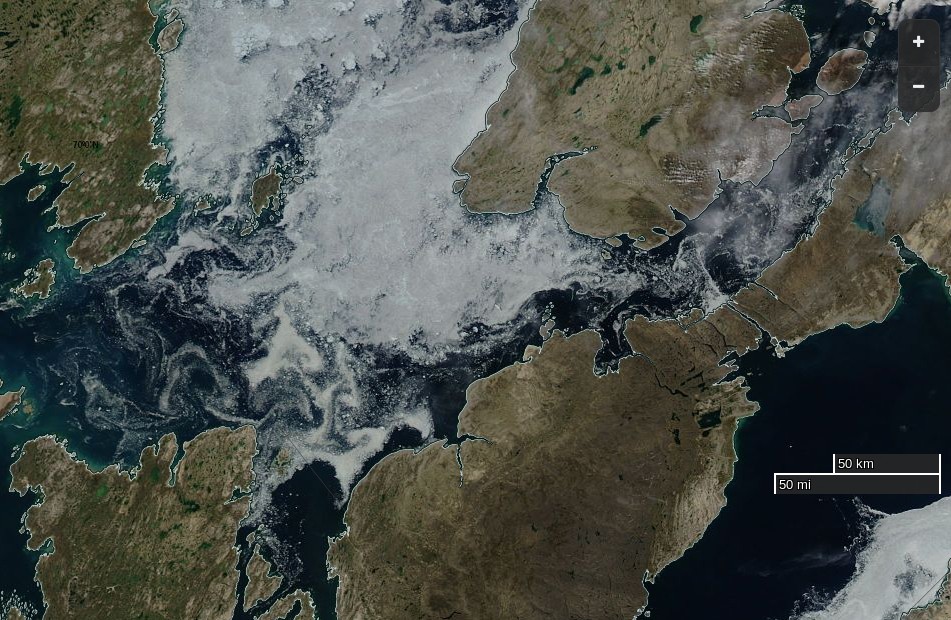
Meanwhile further east the approach to the often troublesome “choke point” of Bellot Strait looks like this from the Suomi satellite:

NASA Worldview “false-color” image of the Bellot Strait on August 1st 2016, derived from the VIIRS sensor on the Suomi satellite

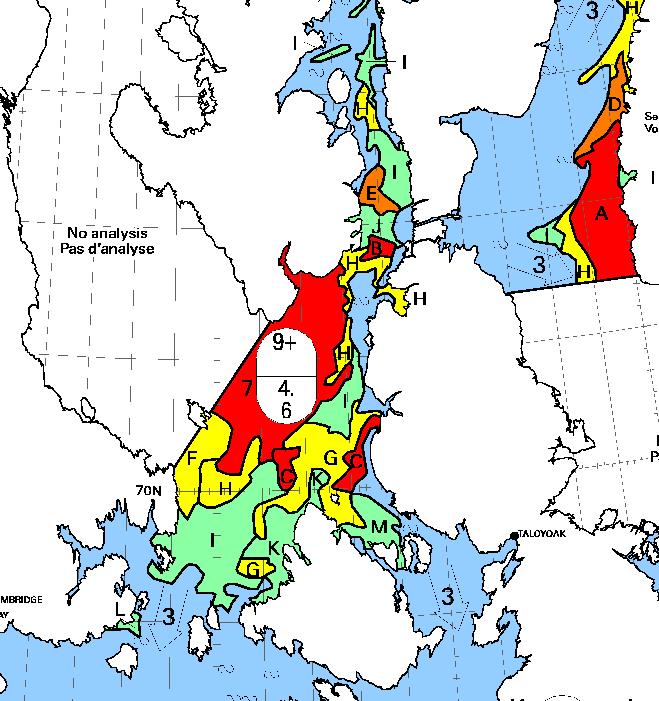
whilst the associated Canadian Ice Service ice chart looks like this:

QueenMaud-201608011800

Discretion being the better part of valour, in all the circumstances waiting a day or two longer before casting off might prove prudent:

Arc_20160801_res3.125_LARGE


[Edit – August 3rd]

Clearer skies over the Northwest Passage yesterday reveal the remaining ice:

NASA Worldview “true-color” image of Larsen Sound on August 2nd 2016, derived from the MODIS sensor on the Aqua satellite

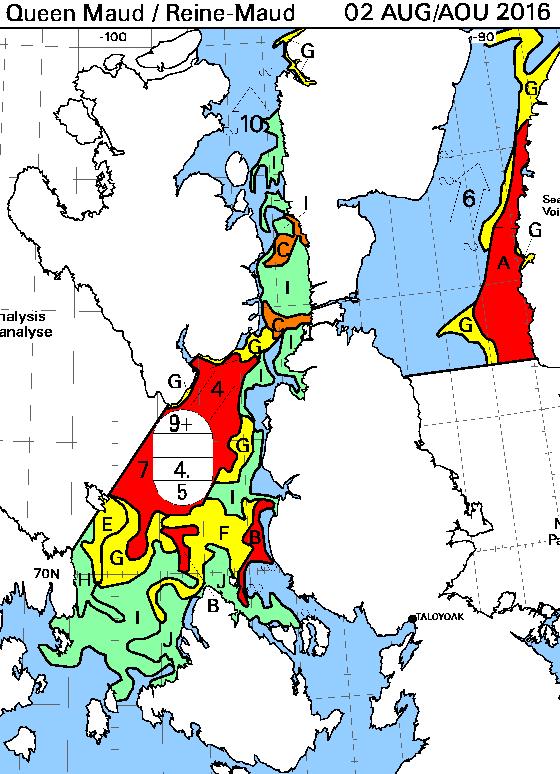
Here’s the CIS chart of the area from yesterday evening:

QueenMaud-201608021800


[Edit – August 7th]

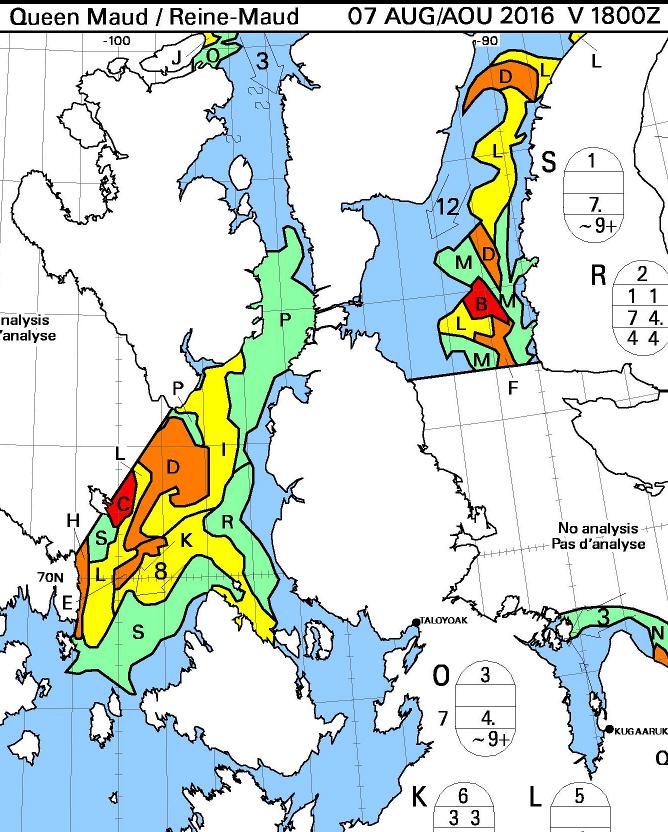
Here’s the August 7th CIS chart for the Queen Maud Gulf and points north:

QueenMaud-201608071800

Today there looks to be a route past Gjoa Havn and through Bellot Strait that doesn’t involve negotiating more than 3/10 concentration sea ice. The ice has been pushed back from Point Barrow too, so by my reckoning we can now declare one route through the Northwest Passage “open”, for the moment at least.


[Edit – August 10th]

A nice clear MODIS image of the Northwest Passage yesterday:

NASA Worldview “true-color” image of the Northwest Passage on August 9th 2016, derived from the MODIS sensor on the Terra satellite

backed up by the CIS ice charts:

Resolute-201608091800

QueenMaud-201608091800