Tag Archives: Thickness

New Year 2016 Arctic Meltdown Update

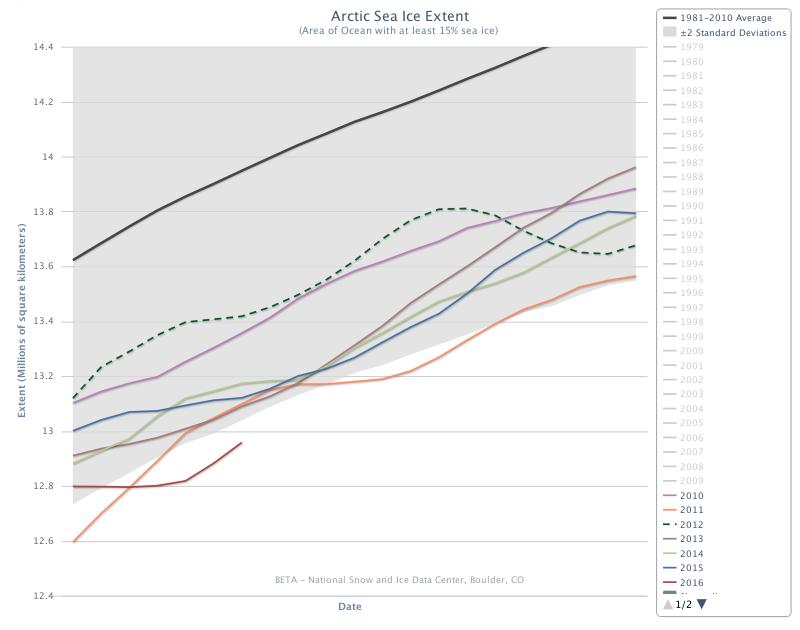
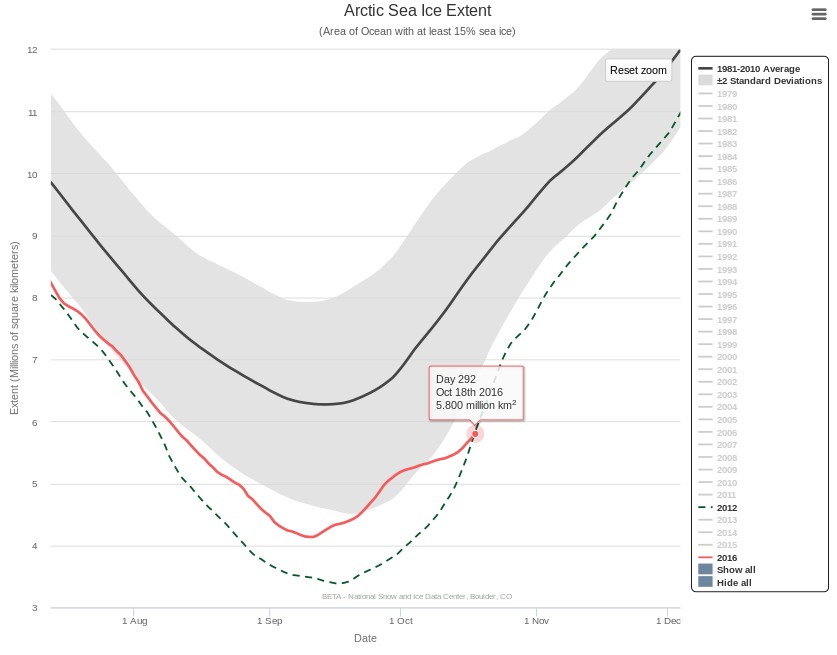
On January 1st 2016 the 15% concentration threshold daily Arctic sea ice extent metric reported by the United States National Snow and Ice Data Centre reached the lowest ever level for the first day of any year since their satellite derived records began in 1979. A couple of days later the more familiar 5 day trailing averaged extent also reached the lowest ever level for the date:

Charctic-20160107

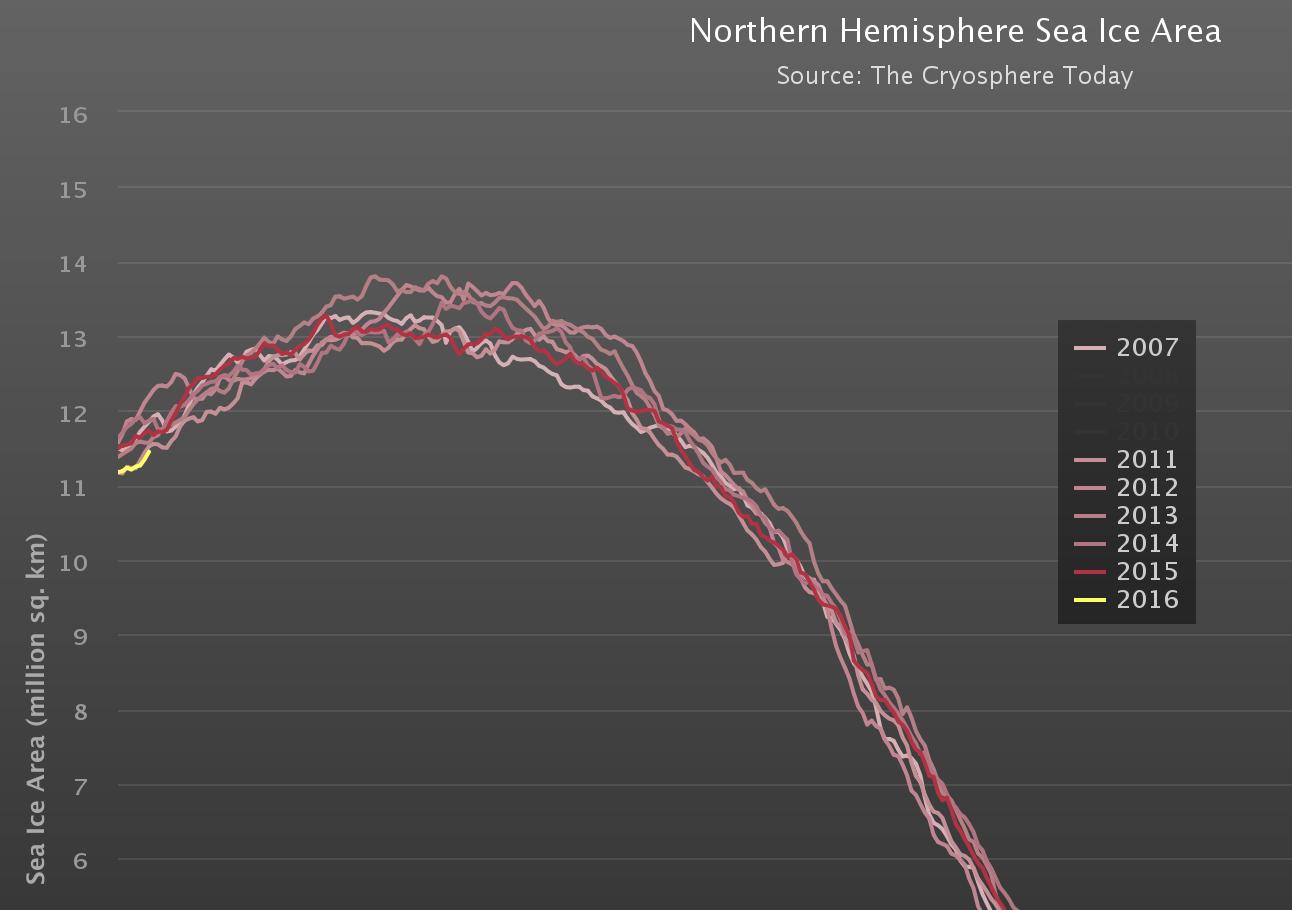
Cryosphere Today have been somewhat sluggish about updating their records of Arctic sea ice area, but have at long last revealed that their metric is now also at the lowest ever level for the date:

CT-NH-20160107

Meanwhile Great White Con commenter “Just A Thought” states that:

I find it hard, with what I do have access to, to see why everyone is so worried that the Arctic is melting.

He or she has evidently only had access to the propaganda perpetrated by Tony Heller (AKA “Steve Goddard”) on his so called “Real Climate Science” blog. Mr. Heller’s latest Arctic pronouncement on December 31st 2015 is entitled “Arctic Meltdown Update” and claims that:

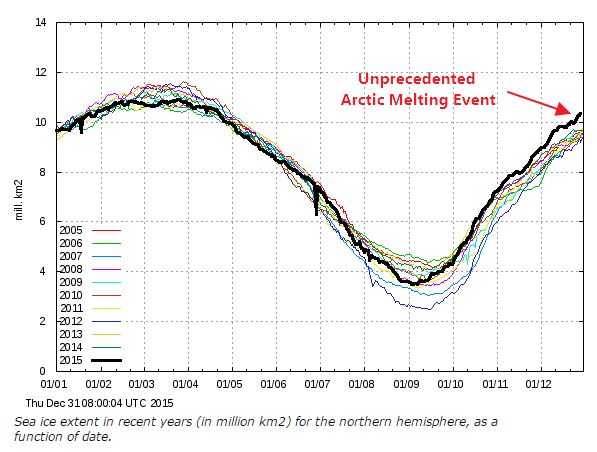
Experts say that a terrifying storm melted the North Pole yesterday. This unprecedented melting event has caused Arctic ice to reach its highest December extent in over a decade.

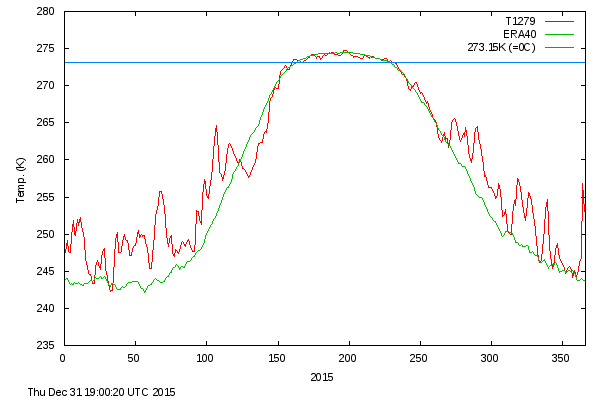
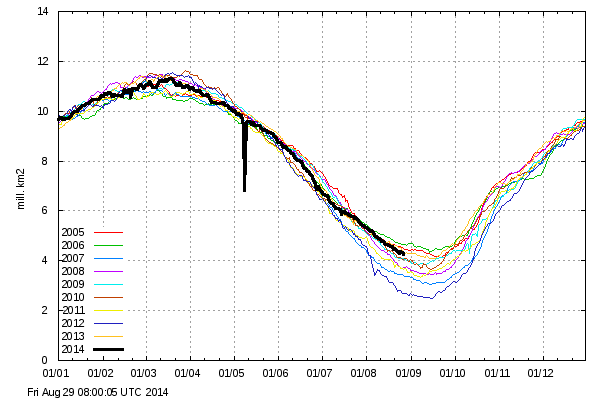
justifying that comment with the following graph of his beloved (albeit deprecated) 30% concentration threshold DMI extent metric:

DMI-30-2015-12-31-

Here’s a video revealing the effect of the recent “terrifying storm” on the sea ice on the North Atlantic side of the Arctic:

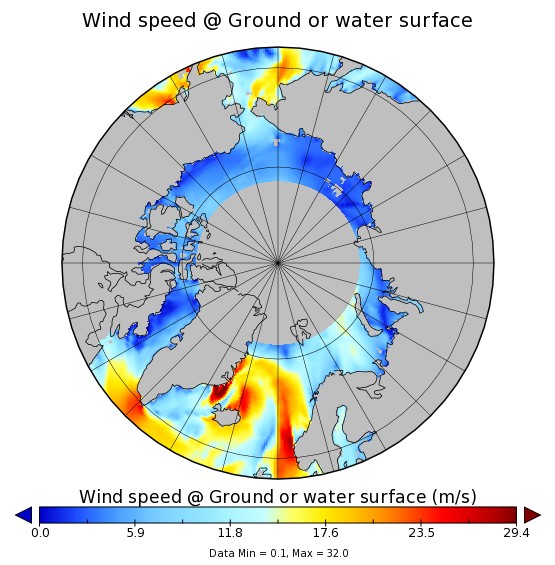
As you can see the ice at the North Pole didn’t melt away. However the ice edge did retreat in the immediate aftermath of what is referred to here in the United Kingdom as “Storm Frank“. Frank led to lots of flooding in the North of the nation, and also to some strong winds inside the Arctic Circle:

WW3Wind-20151230-1400

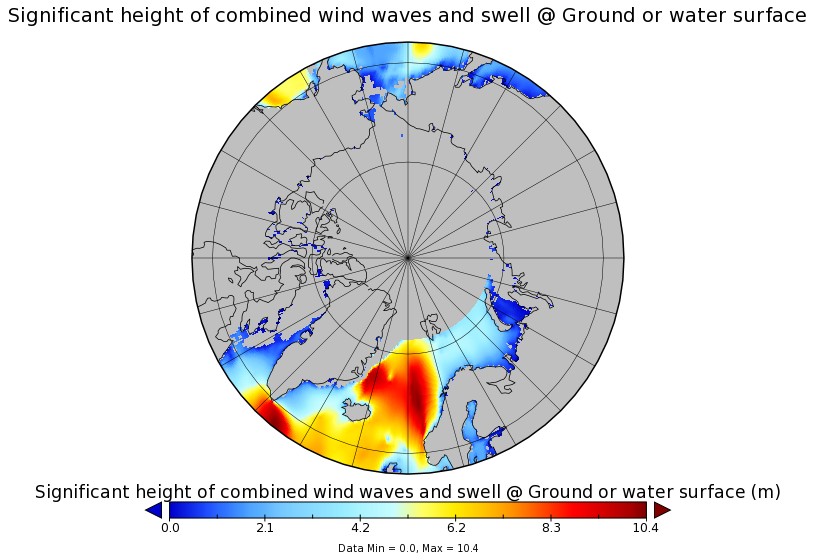
Those winds, travelling over a long stretch of open ocean, produced some pretty significant waves, speeding in the direction of the sea ice edge:

WWIII-20151231-0000

Meanwhile temperatures near the North Pole did briefly rise above the freezing point of sea ice in the middle of the Arctic winter. Here’s the Danish Meteorological Institute’s view of the air temperatures in the central Arctic:

meanT_20151231

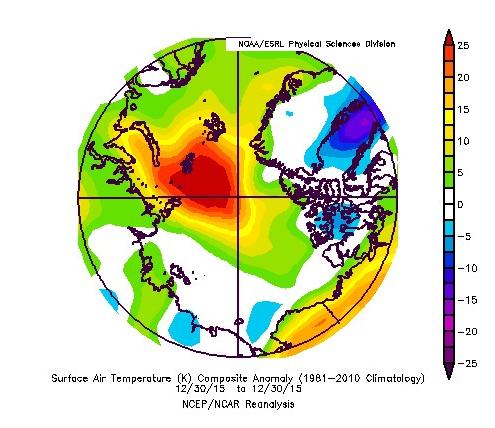
and here is NOAA’s temperature anomaly reanalysis for December 30th 2015:
NOAA-anomT_20151230

Personally I reckon the 25 m/s winds and resulting 10 meter waves had more effect on the sea ice metrics than the 25 °C above normal air temperatures, but your mileage may of course vary, especially if your pseudonym is “Steve Goddard”!

Trouble Looming for the Arctic?

Once again our title for today is inspired by the indefatigable “Steven Goddard”. His latest Arctic themed article on his so called “Real Science” blog is entitled “Trouble Looming For Arctic Alarmists“, and he’s following his usual formula of showing an image or two interspersed with unrelated text. Here’s Tony’s textual take on things, interspersed with our graphic retorts:

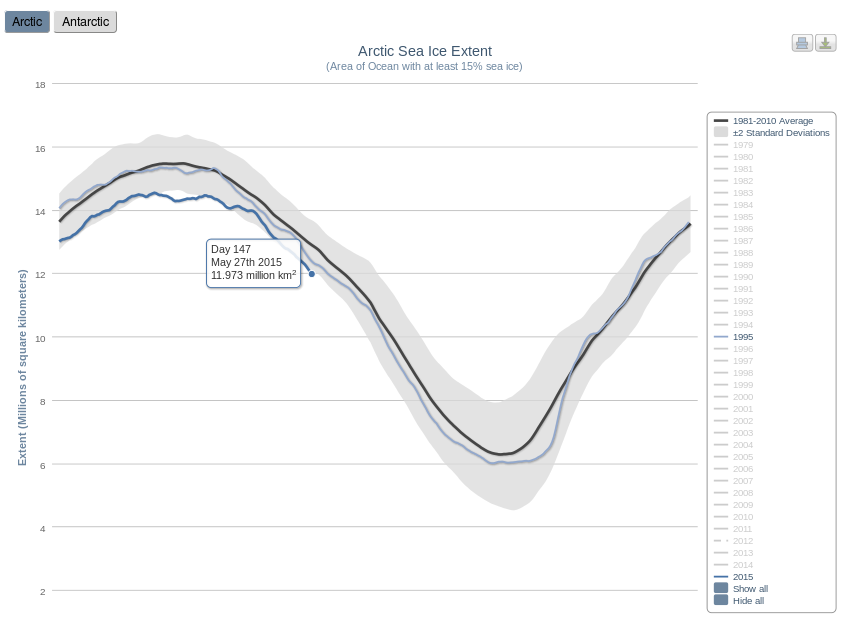
Arctic sea ice coverage is nearly identical to 20 years ago:

Not according to the NSIDC it isn't!
Not according to the NSIDC it isn’t!

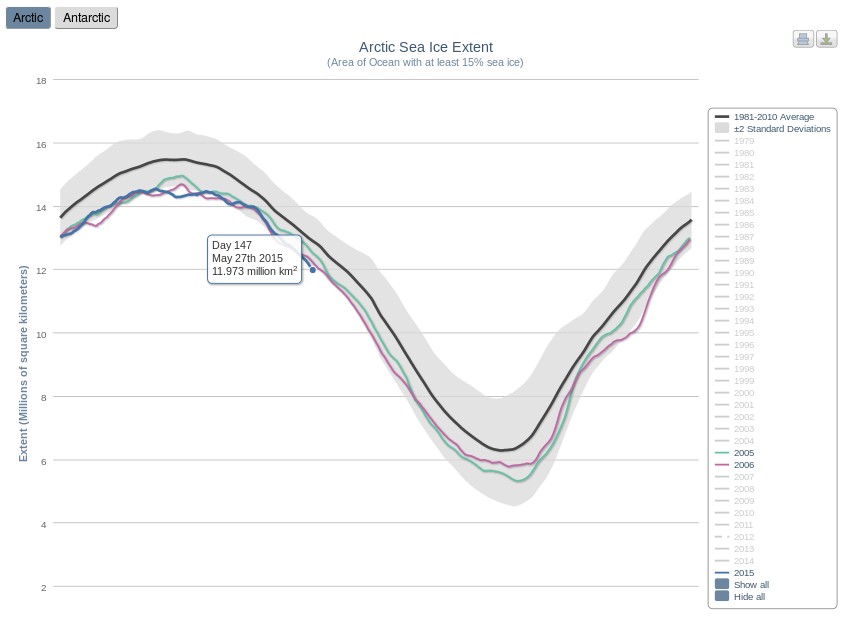
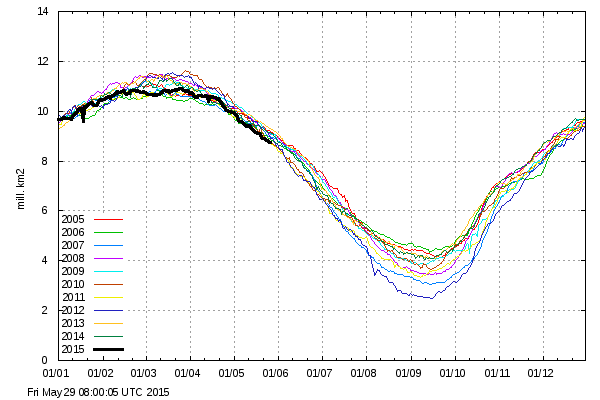
Arctic sea ice is following almost the exact trajectory of 2006, which had the highest summer minimum of the last decade.

Not according to the NSIDC it isn't!
Not according to the NSIDC it isn’t!

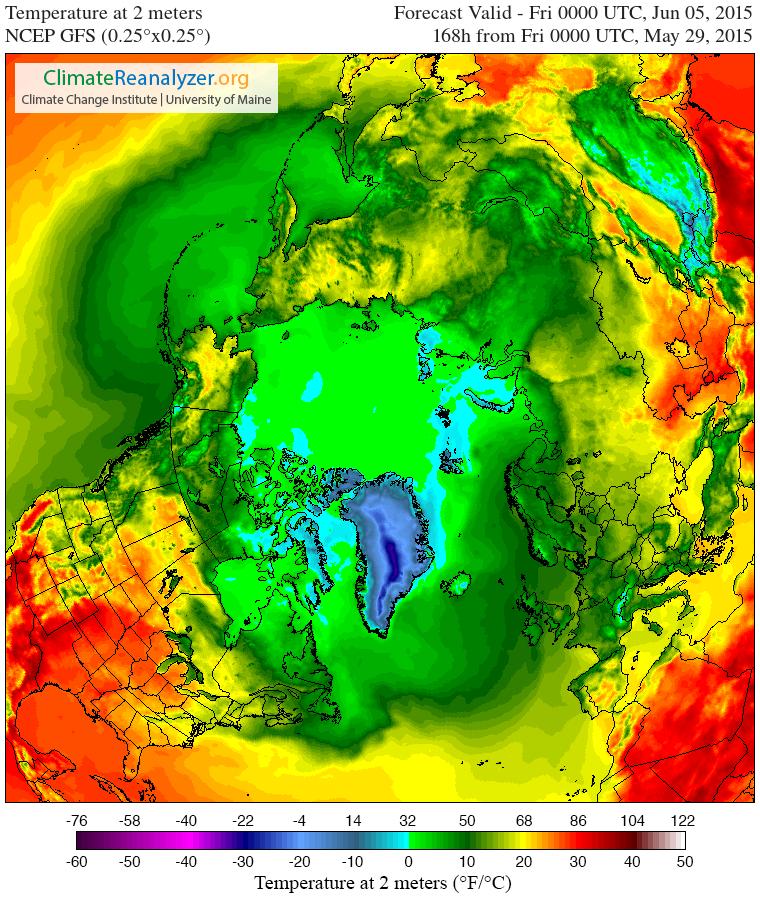
Not according to GFS they're not, and look at the North Pole!
Not according to GFS they’re not, and look at the North Pole!

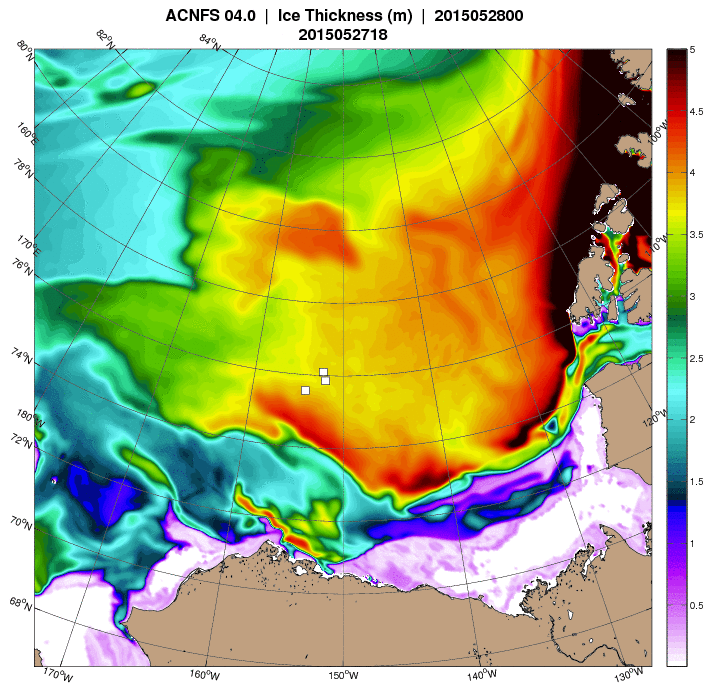
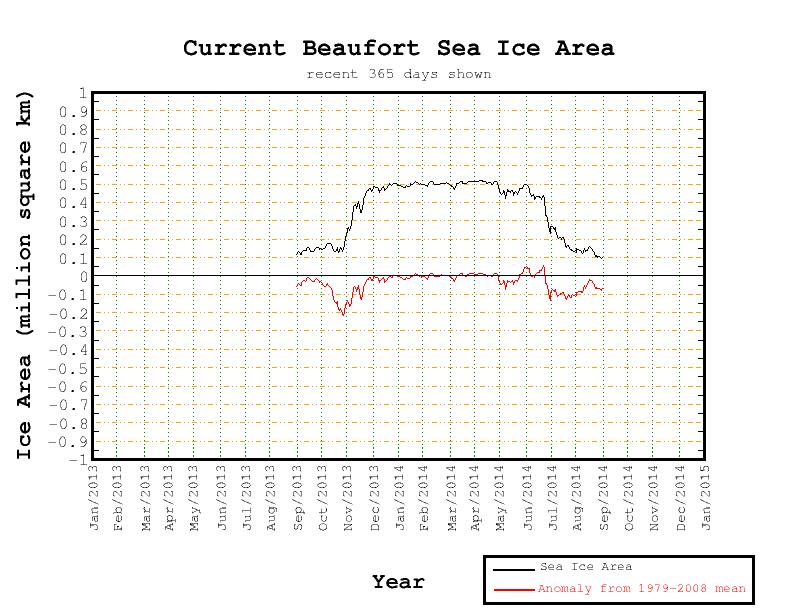
The Beaufort Sea is full of very thick ice.

Not according to the US Navy it isn't!
Not according to the US Navy it isn’t!

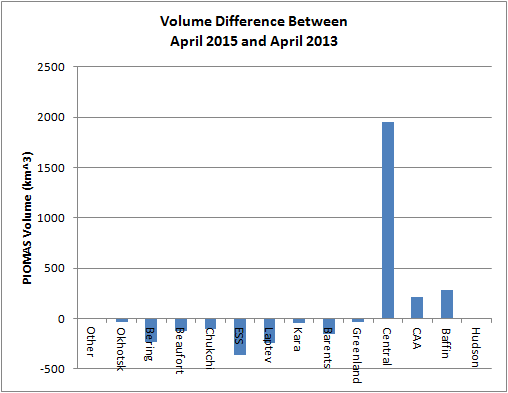
Arctic sea ice is the thickest it has been in a decade.

According to PIOMAS it's thin in the Beaufort, and most other areas too!
According to PIOMAS it’s thin in the Beaufort, and most other areas too!

As we summarised matters for “Steve”/Tony’s loyal readership:

The Gish Gallop continues! Just for the record:

  1. Arctic sea ice coverage is currently NOT nearly identical to 20 years ago
  2. Arctic sea ice is currently NOT following almost the exact trajectory of 2006
  3. Arctic sea ice is currently NOT the thickest it has been in a decade in Ron’s beloved Beaufort/Chukchi/East Siberian Seas (BCE for short)
  4. Renowned Arctic sea ice expert “Steve Goddard” predicted last year that.”The minimum this summer will likely be close to the 2006 minimum, which was the highest minimum of the past decade”. That’s not how things eventually turned out!

The Greatest Arctic Sea Ice Prophet on the Planet?

The unedited version of "Steve's" extent graph
The unedited version of “Steve’s” DMI extent graph earlier today

Has the Arctic Ice Cap Expanded for the Second Year in Succession?

According to David Rose’s latest article in the Mail on Sunday it has. This came as shock news to me, because only a couple of days ago I was discussing with “Steve Goddard” how Arctic sea ice extent (using “Steve’s” patent pending personal “DMI 30% clone” metric) had actually decreased since the same time last year!

Before we delve deep into the data, and before the Mail on Sunday makes any “corrections” to David’s misleadingly purple prose, here’s how things look over there at the moment:


Them:
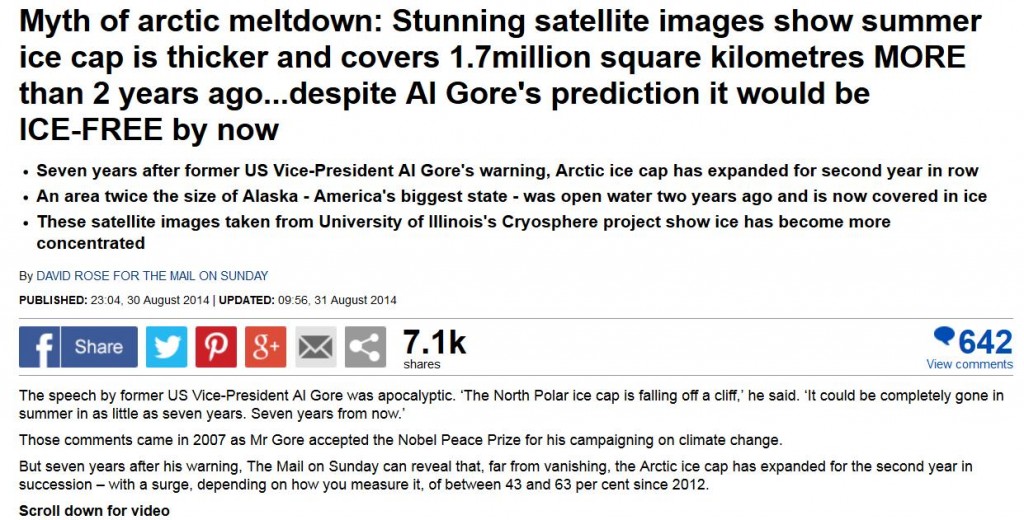
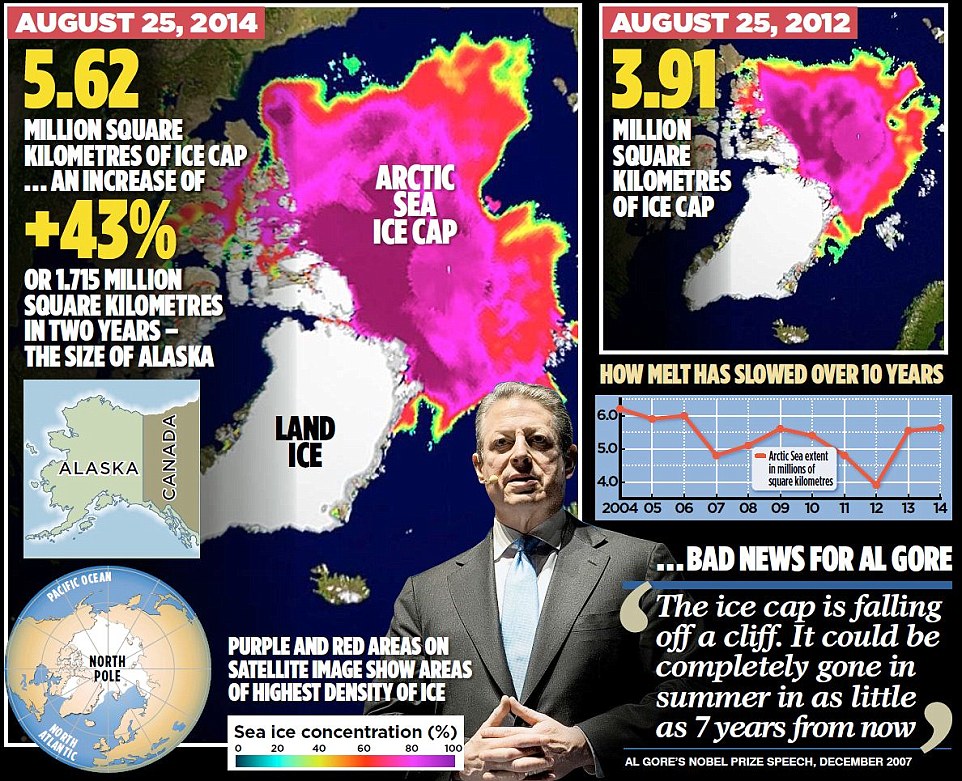
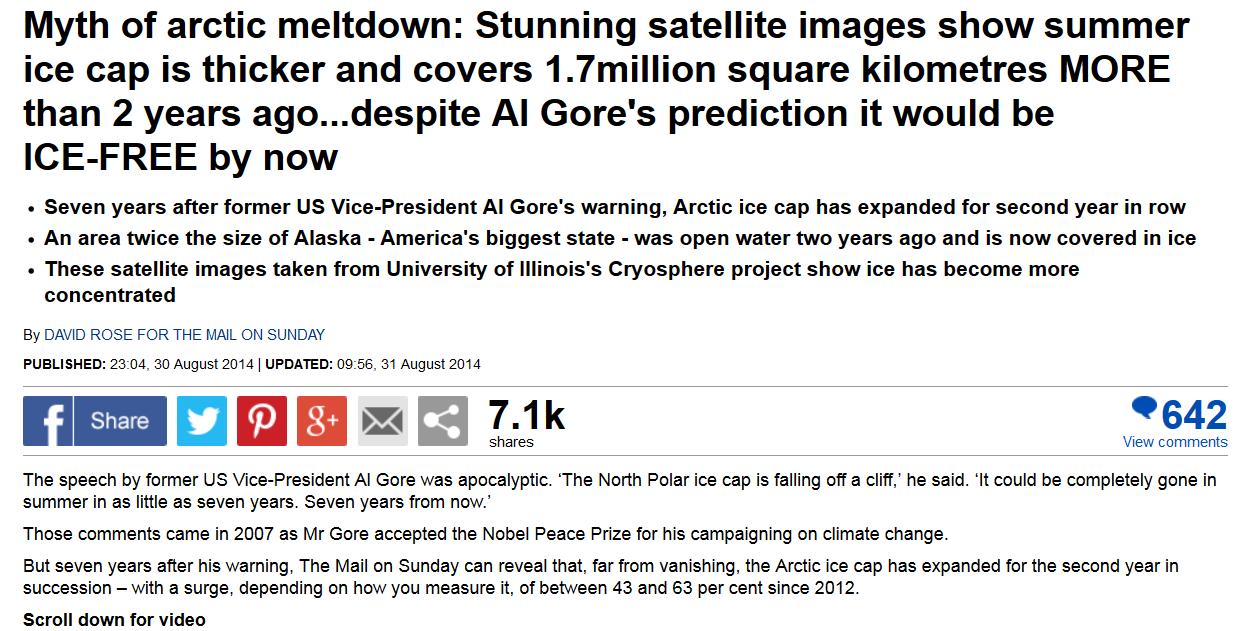
2014-08-31_MoS RoseMoS-20140831

As you can see, the Mail’s main claims are:

  • Seven years after former US Vice-President Al Gore’s warning, Arctic ice cap has expanded for second year in row
  • An area twice the size of Alaska – America’s biggest state – was open water two years ago and is now covered in ice
  • These satellite images taken from University of Illinois’s Cryosphere project show ice has become more concentrated

not to mention that:

The Mail on Sunday can reveal that, far from vanishing, the Arctic ice cap has expanded for the second year in succession – with a surge, depending on how you measure it, of between 43 and 63 per cent since 2012.

For some strange reason David neglects to include any numbers for 2013, so….


Us:

A quick telephone call revealed that John Wellington doesn’t work at the Mail on Sunday’s, so I sent him an email instead:

Hello again John,

David Rose is at it again, hence so am I. According to his latest words of wisdom:

“The Mail on Sunday can reveal that, far from vanishing, the Arctic ice cap has expanded for the second year in succession”

I don’t suppose David and/or the Mail on Sunday can provide any data to back up that assertion can they?

Best wishes,

Jim Hunt


Them:

Hello Jim,

I did wonder if we would be corresponding, again.
I will be in touch after the weekend.

Best regards

John


Us:

Hi Tessa,

I’m working on the assumption that you are still responsible for this subject. If not perhaps you can pass this email on to the relevant person?

David Rose is talking about the Arctic on the Mail Online again, so I’m attempting to comment again. Yet again I can’t see my comments (under the nom de guerre “SoulSurfer”) anywhere underneath the article in question. Can you look into it please, and let me know what the problem is?

To make things easier for you I’ve just commented for the third time this morning, as per the enclosed attachment.

Thanks,

Jim Hunt
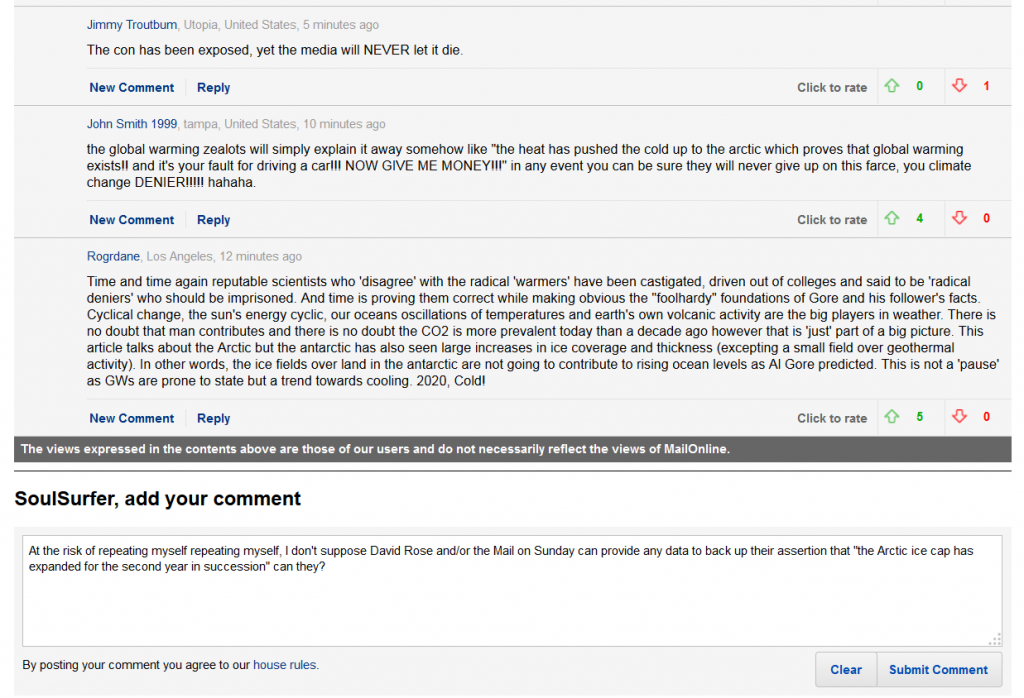
2014-08-31_1347_MoS

Them:

In an email dated September 6th 2014:

Dear Jim,

Sorry not to reply sooner. The article relied on data from the US National Snow and Ice Data Centre comparing ice cover on the same date, August 25. In 2012 the figure was 3.91m sq miles, in 2013 it was 5.59m and in 2014, 5.62m. You may wish to note that the article did point out that the long-term trend is still downward.

Best regards

John


Us:

In an email dated January 24th 2015:

Dear John,

Sorry not to reply sooner. The PCC decided to laboriously mutate into something called IPSO right around the time of the 2014 Arctic sea ice minimum extent. Hence the brief hiatus. However David Rose is at it again, and he’s now even discussing tricky things like “probabilities”! IPSO do now seem to be getting their act together as well. Did you see their “open letter to publishers” last month?

No doubt I will have more than a few bones to pick with David’s article last weekend, not to mention the subsequent one by Victoria Woollaston. Is that one your responsibility too? For the moment though, perhaps we can pick up where we left off last summer?

Thanks for your information about the long term Arctic sea ice trend and the NSIDC extent numbers. However the article in question also states:

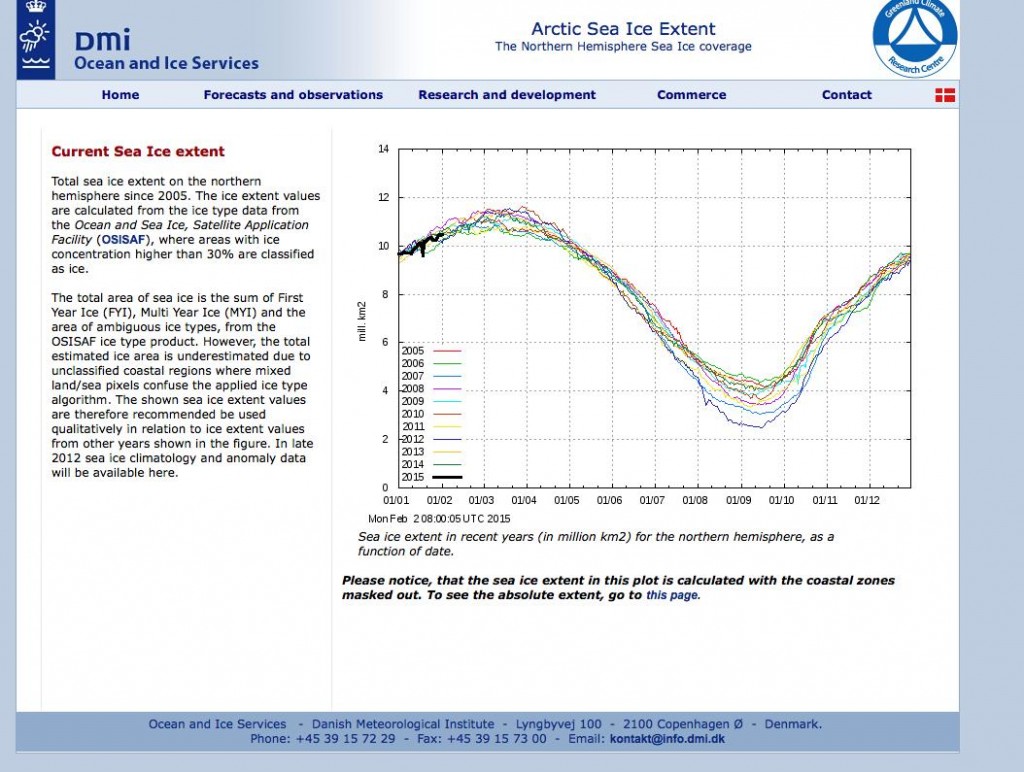
“Figures from the Danish Meteorological Institute suggest that the growth has been even more dramatic. Using a different measure, the area with at least 30 per cent ice cover, these reveal a 63 per cent rise – from 2.7 million to 4.4 million square kilometres”.

Where did David get those DMI numbers from? I asked the DMI, and even they didn’t seem to know!

Best wishes,

Jim Hunt


Them:

In the absence of any response from John I called the Mail offices on January 26th 2015. It seems John is out of the office for the next two weeks. His PA is now looking into matters for me.


Us:

I sent a further email to John and Poppy on February 2nd 2015:

Them:

Dear Jim,

If you have a complaint about last Sunday’s article, you should set out exactly what it is. If you disagree with any opinions expressed you are welcome to write a letter that we will consider for publication.

You mention that you have sent us a number of inquiries recently. The only other, to my knowledge is that you wanted to know the source of some data that David Rose mentioned in an article some months ago. David Rose told me it came from the official website. Perhaps my colleague Poppy Hall can find it for you since David is probably unwilling to help after your insult.

Best regards,

John


Us:

Dear Poppy (and John)

Please would you ask David to let me know where exactly, and on which “official website”, he obtained the DMI extent numbers he quoted in his article last Summer?

FYI John, at Poppy’s suggestion I have also emailed the editorial team @MailOnline. They have yet to even acknowledge receipt of my email of January 26th.

Best wishes,

Jim Hunt


Them:

Dear Jim,

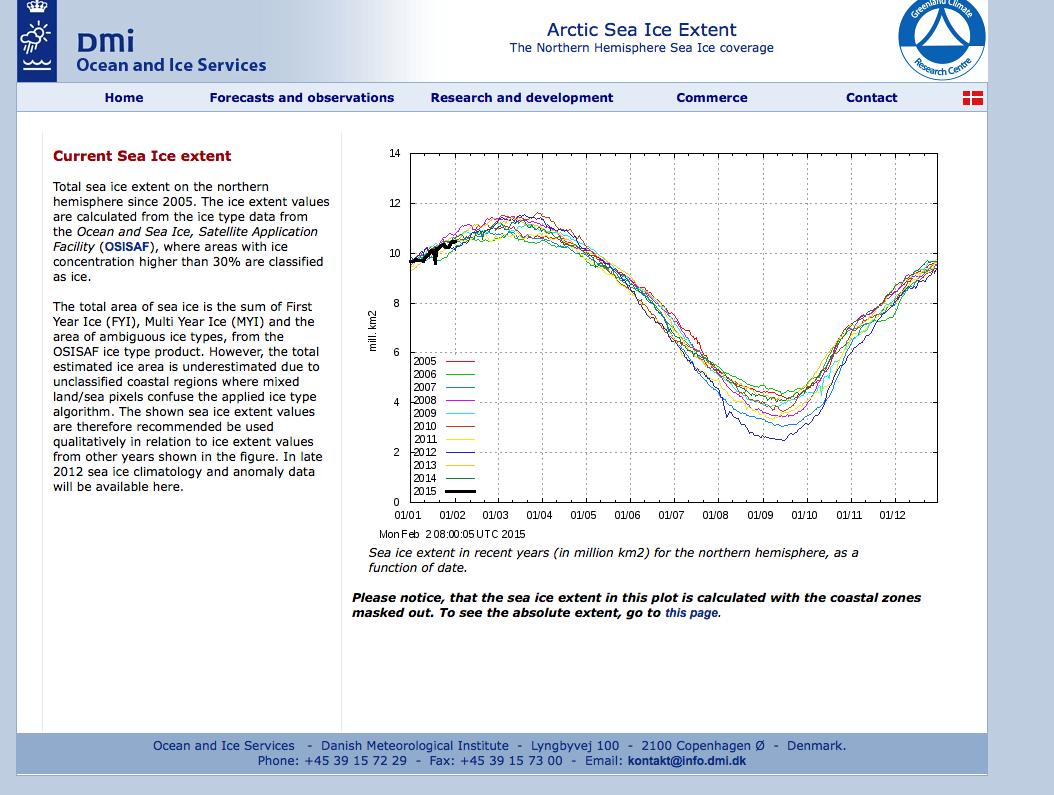
David is unable to find the table with the numerical data. But he says that the graph here from the DMI website makes it clear that if you look at 30% concentration, the figures he gave were correct.

I hope this answers your query.

Kind regards,

Poppy
MailRoseDMI-001
 

Us:

Dear Poppy,

Just to clarify, the facts of the matter are that David Rose did NOT obtain the DMI numbers he quoted last summer from a “table with the numerical data” on an “official website”?

Best wishes,

Jim Hunt


Them:

We’ll keep you posted!
Is Arctic Sea Ice Extent Up Because the Ice is Thicker?

Over on the (un)Real Science blog this morning Steve/Tony proudly explains “Why Arctic Ice Extent Is Up Over 60% In The Last Two Years“.

Needless to say we are unimpressed by the following explanation:

Them:

The Danish Meteorological Institute shows a 63% increase in Arctic sea ice extent since the same date in 2012, and an increase of 76% since the 2012 summer minimum. Current extent is 4.4 million km², up from 2.7 million km² on August 28, 2012.

icecover_current_20140829

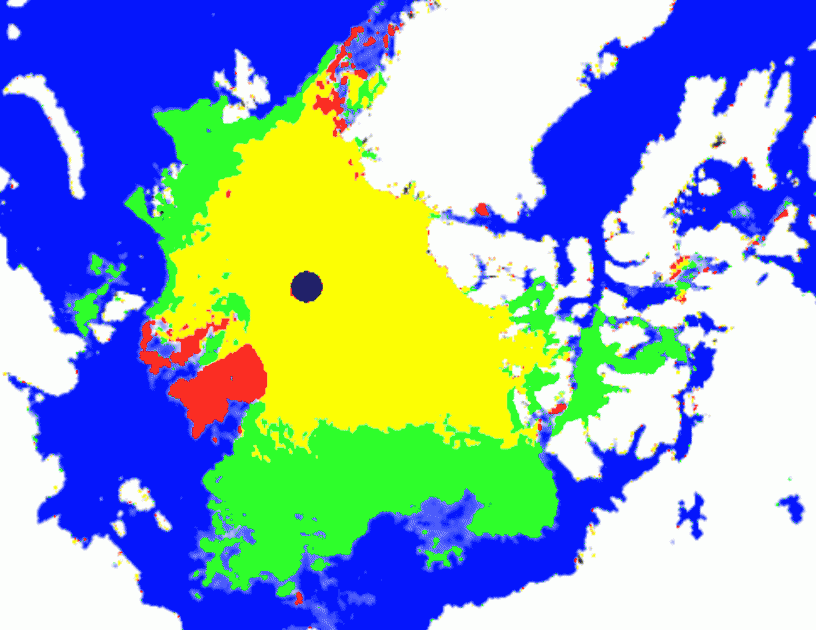
My methodology is similar numerically to DMI’s, I used maps from the Japan Aerospace Exploration Agency to generate the map below. Green shows ice gain since the same date in 2012, and red shows ice loss. My calculation shows a 64% increase in ice, almost identical to the calculations from DMI.

screenhunter_2359-aug-27-19-30

A favorite comment from alarmists is “the increase in ice extent is meaningless, because the ice is getting thinner

They have it exactly backwards. The reason why ice extent is up, is because the ice is thicker.

Us:

At the risk of repeating myself:

Where’s your evidence that “the ice is thicker”? Thus far such evidence is conspicuous only by its absence in these hallowed halls.


Them:

Where’s your evidence that it isn’t?


Us:

At the risk of repeating myself repeating myself:

Mind you I’m not the one proudly proclaiming “ice extent is up, because the ice is thicker.”. Steve/Tony is, but for some strange reason he provides visualisations of extent and age but not thickness!


Them:

Lets put it another way. Age of the ice is a proxy for ice thickness. But, if you don’t believe in proxies, just tell us.


Us:

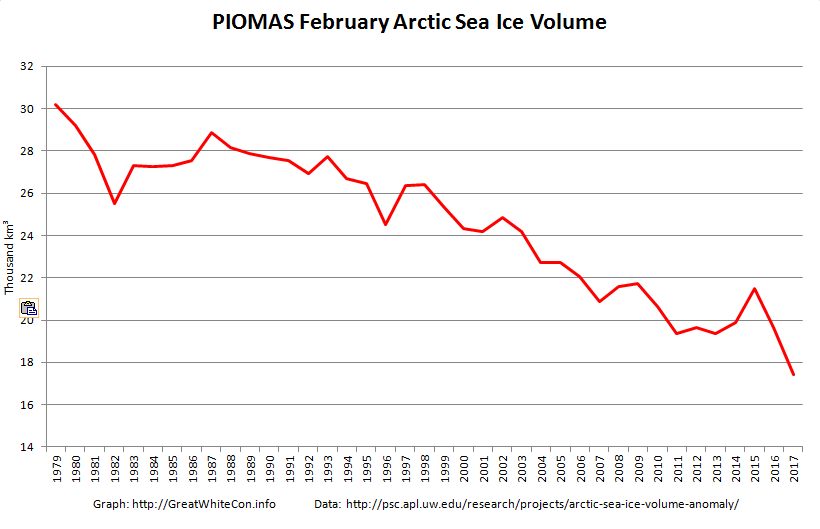
Les – If you believe in proxies then PIOMAS Arctic sea ice volume for April 2014 was less than April 2012.

If instead you prefer the evidence of your own eyes then perhaps you can explain where all that red stuff in the Beaufort Sea in Steve/Tony’s animation has gone?

CTBeaufort-20140829

If “older, thicker ice is moving towards Alaska” then it looks like it’s melting there, not “accumulating”.


Them:

Mr. Hunt’s evidence…..

“NRL does not warrant or represent this INFORMATION is fit for any particular purpose,”


Us:

Anything/Gail/Sophie – Do you have any idea what this is?

HycomVol


Them:

Here’s a quick summary for people who aren’t following.

SG makes a post comparing 2012 and 2014. Jim argues with SG’s claim of thicker ice by comparing 2013 extent to 2014. When that gets called out, he shows the same silly 2014 plot that has no 2012 plot to compare to…still no valid comparison. After some back-and-forths and tangents, he brings up PIOMAS. When asked to compare thickness in PIOMAS 2012/2014, he avoids the question (twice).

Is there a single metric out there showing 2014 to be worse than 2012?

– Scott


Us:

Here’s a quick summary for you Scott:
 

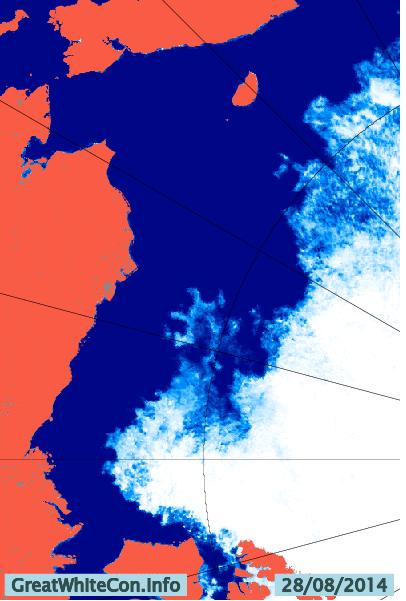
2014-08-28-Beaufort

Where’s all the “older, thicker ice in the western Arctic” that SG keeps referring to hiding?


Them:

Nice image, Jim. You have chosen a metric. So that’s half the story. Where’s the 2012 equivalent of that image so we can see if SG is wrong about 2014 vs 2012?

-Scott


Us:

Thank you for your kind words Scott.

I haven’t “chosen a metric”. I have nonetheless already shown you one comparison with 2013, using TH’s very own “metric”. To complete the story, and at the risk of repeating myself once again, perhaps you can explain where all the “older, thicker ice accumulating on the Pacific side” that TH keeps referring to is hiding?

 
Them:

We’ll keep you Posted!

Forecasting Sea Ice Extent in the Dark

My title today refers to the fact that the summer Arctic sea ice forecasting season is with us once again. The ARCUS Sea Ice Outlook (SIO for short) started in 2008, with the aim of gathering together and publishing “community predictions of the September sea ice extent”.  The SIO is now part of the recently created Sea Ice Prediction Network, and the deadline for submission for the first set of forecasts of 2014 was June 10th.

I have a professional interest in UK and international energy policy, and as a consequence I have been commenting on the recent attempts of  Professor Richard Tol to debunk the so called “97% climate change consensus” elsewhere in the blogosphere. As luck would have it I allowed myself to become engaged in what was supposedly a conversation about that very topic on the What’s Up With That blog.  Feel free to read all about it if you’d like to see a pseudo-skeptical gish gallop in full swing:


Whilst over there I couldn’t help but notice that Anthony Watts had left things until the eleventh hour before asking his faithful followers to contribute to the Sea Ice Outlook June survey. I also couldn’t help but notice that despite assurances to the contrary a few short weeks ago (and even after my recent “extra heads up“!)  the  WUWT “Sea Ice Reference Page” is still sadly lacking in a wide range of  information about Arctic sea ice thickness and volume. Consequently I figured I would be performing a valuable public service by bringing this to the attention of Anthony and his readers. Here’s what happened after that:

Us:

2014-06-10_1654_WUWT

Them:

June 10, 2014 at 8:55 am

[snip no, we are not going to have you thread-jack again by pushing your own website and own views – Anthony]

Us:

June 10, 2014 at 9:32 am

Re: @Anthony says: June 10, 2014 at 8:55 am
It’s not my “own views” Anthony. In fact it’s a long list of useful facts and figures for anybody attempting to forecast the future of Arctic sea ice. A long list of useful information still noticeable only by its absence from the WUWT sea ice reference page.
 

Them:

REPLY: We aren’t forecasting volume, we are forecasting extent, so again, your views that we should pay attention to volume graphs on your website (your favorite hobby horse) in this extent forecasting exercise are irrelevant. Don’t clutter up this thread further – Anthony.

Them & Us:


Them:

In the absence of a wide range of scientific information concerning the current thickness distribution of sea ice in the Arctic, and after due deliberation about the likely value of the NSIDC Arctic sea ice extent metric in September 2014, Anthony concluded:

A value of 6.12 million sq km will be sent to ARCUS.

Us:

We’ll keep you posted!


North Pole Webcam Begins Transmissions

Construction of Ice Camp Barneo 2014 began close to the North Pole at the beginning of April, and now the first scientific data has started flowing  from the sea ice near the Pole. The first of three webcams has been successfully  installed on the ice, and the slightly noisy initial images are available from the North Pole Environmental Observatory 2014 web site:

NPEO webcam 1 image from April 14th 2014

Data is now also arriving from ice mass balance buoy 2014E, which as you can see if you click on the pushpins on the map below, has been drifting at the rate of 16 km / day during its brief lifetime on the Arctic sea ice so far:

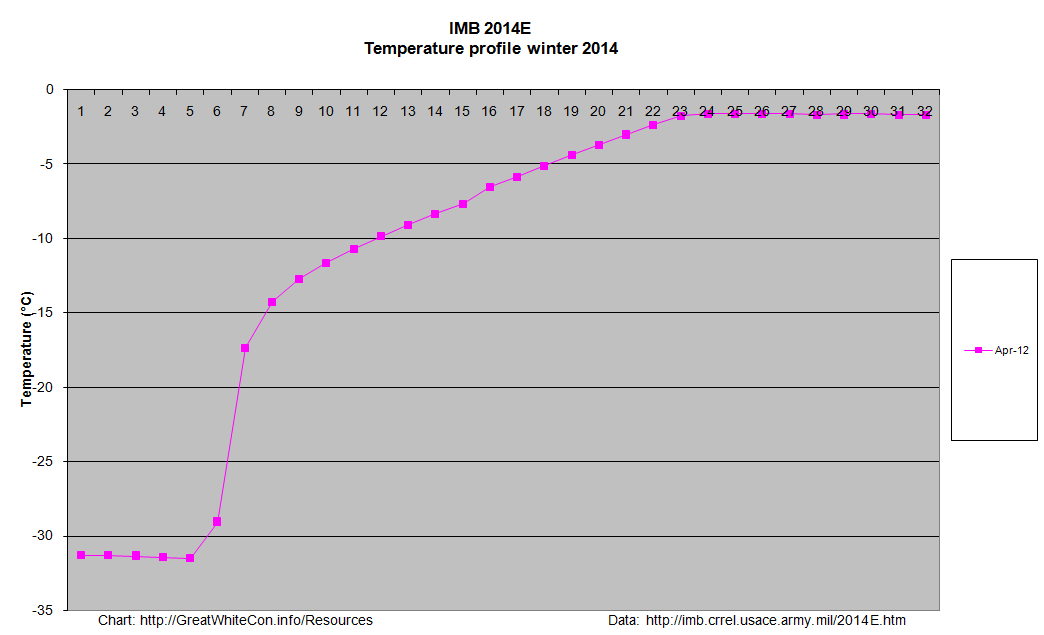
Here’s the initial temperature profile for 2014E:

Temperature profiles for ice mass balance buoy 2014E from April to May 2014At present the ice on the floe is 1.7 m thick, covered with 19 cm of snow. As you can see, temperatures were a touch chilly when the buoy was installed on April 12th, at around -32 degrees Celsius. A variety of expeditions have already set off from Barneo in various directions. Expedition Hope are heading in the direction of Cape Discovery on Ellesmere Island, and here Bernice Nootenboom illustrates the effects of such low temperatures on the human body:

Bernice Nootenboom near the North Pole. Photo: Martin Hartley

You can also view data from IMB 2014E and the other active ice mass balance buoys on our IMB overview page.


New Arctic Sea Ice Resources

Stung by some unusually constructive criticism from Anthony Watts we have (somewhat hurriedly) added several new pages to the Great White Con “Resources” section of this web site. They contain the sort of information that is rather tricky to update automatically on a daily basis, and concentrate on resources that help the interested searcher after truth get a handle on the thickness and hence volume of the sea ice in the Arctic, on a regional as well as pan Arctic scale.

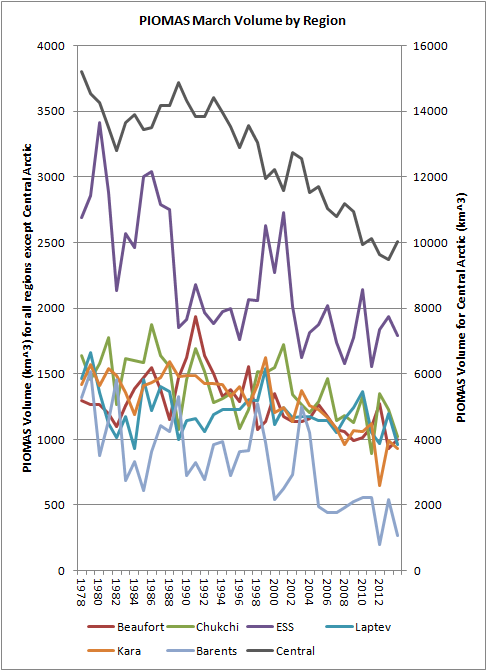
The first section is entitled “Arctic Sea Ice Graphs“, and here’s an example of one graph which reveals the ice volume in various regions of the Arctic, based on the output of the PIOMAS model:

PIOMAS regional volume breakdown for March 2014

[Graph by Chris Reynolds on the Dosbat blog]

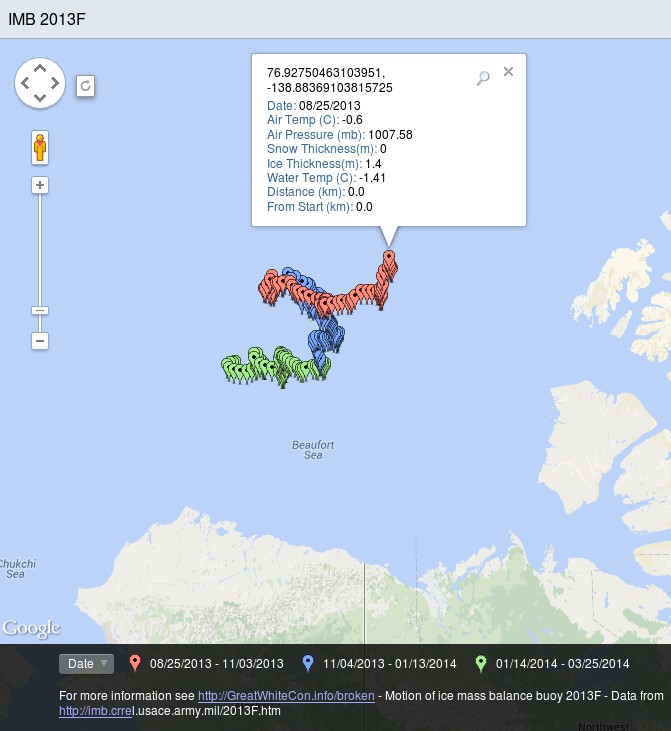
The second section is entitled “Ice Mass Balance Buoys“. As the name hopefully suggests, this section displays data reported by the Cold Regions Research and Engineering Laboratory’s currently active ice mass balance buoys in a variety of novel formats. These buoys are deployed on a regular basis at selected locations across the Arctic, and report on a number of different parameters including snow depth, ice thickness and temperature. By way of example here’s a couple of reports from IMB 2013F, which was originally deployed last August on what was then classified as “first year” ice in the Beaufort Sea. First of all here’s the Google Maps/Earth view that reveals how the buoy has moved around the Arctic since then, and shows how clicking on one of the “pushpins” reveals the values of a variety of interesting metrics on a daily basis:

Google map of the movement of IMB 2013F

As you can see, last August the thickness of the ice floe that the buoy is located upon was 1.4 metres thick. If you click through to the live map and experiment you will discover, amongst a variety of other things, that the ice under the buoy is now 1.68 meters thick, with an additional 49 cm of snow on top of that.

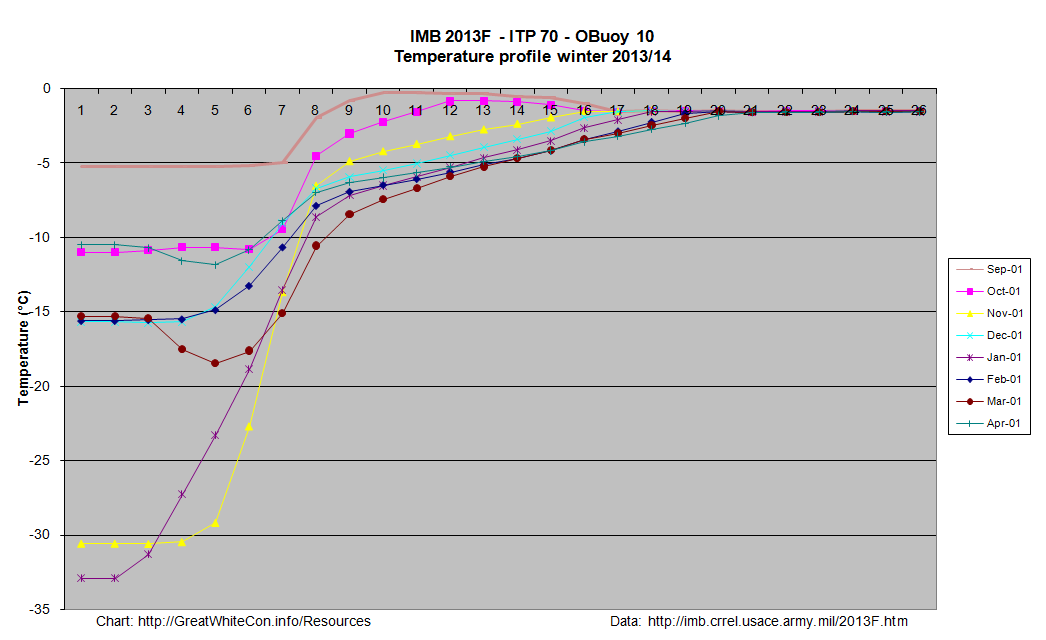
A second set of images shows graphs revealing the temperature above, below and within the ice, currently on a monthly basis:

2013F-Temp-20140401

Click on the graph to view a larger version. This one requires a certain amount of interpretation, but the first thing to note is that the numbers across the top represent the position of thermistors spaced 10 cm apart on a pole that is mounted vertically through the ice floe. Number 1 is in the air above the floe, the rightmost side of the graph (number 26 in this case) is in the water below the ice floe, and somewhere in between those extremes the temperature sensors can also be in the midst of either ice or snow.

At the end of March the interface between ice and snow in this case was somewhere between sensors 8 and 9, and hence at a temperature of around – 7 degrees Celsius, by which time the buoy had moved from the Canadian waters where it started into the area of the Beaufort Sea north of Alaska.

For further discussion about the interpretation of our new resources please use the comment section on the “About Our Arctic Sea Ice Resources” page. For technical observations and suggestions for improvements feel free to comment below!


The Truth About Arctic Sea Ice Thickness

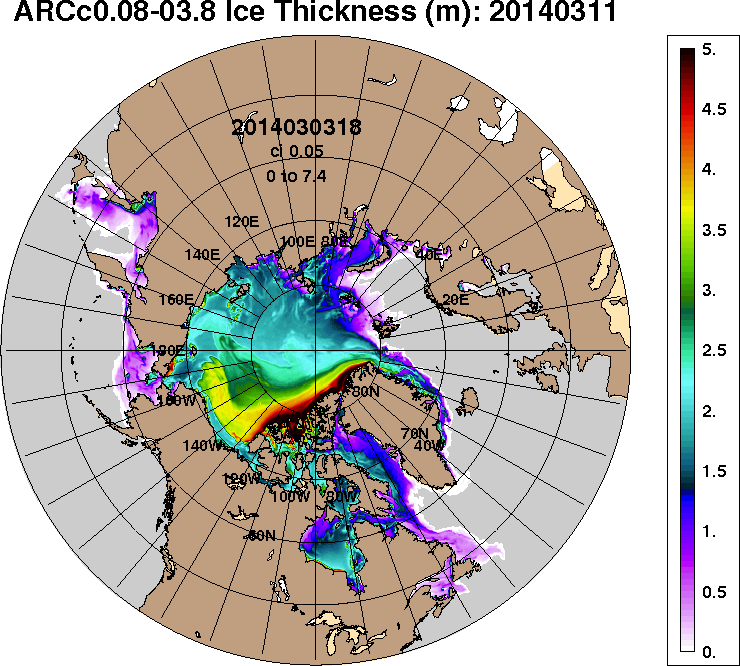
Shock News! According to Steven Goddard last week “The Arctic continues to recover“. However some fresh new evidence has been uncovered today:

Them:

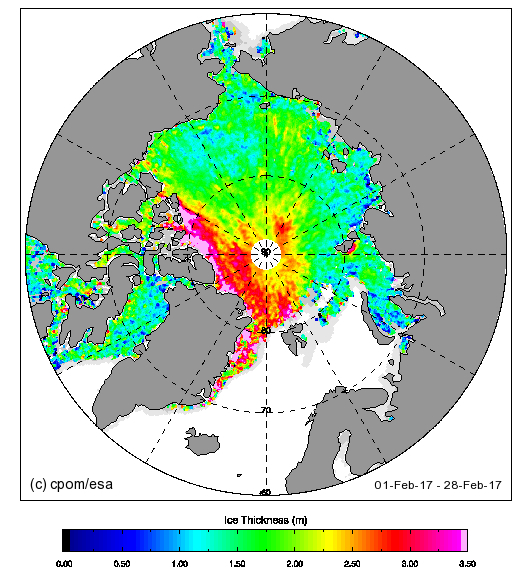
ACNFS forecast for Arctic sea ice thickness on March 11th 2014, from the March 3rd model run
ACNFS forecast for Arctic sea ice thickness on March 11th 2014

[Image from the 1/12° Arctic Cap HYCOM/CICE/NCODA archive]

Meanwhile over on Twitter:

Us:


 Them:


 Us:

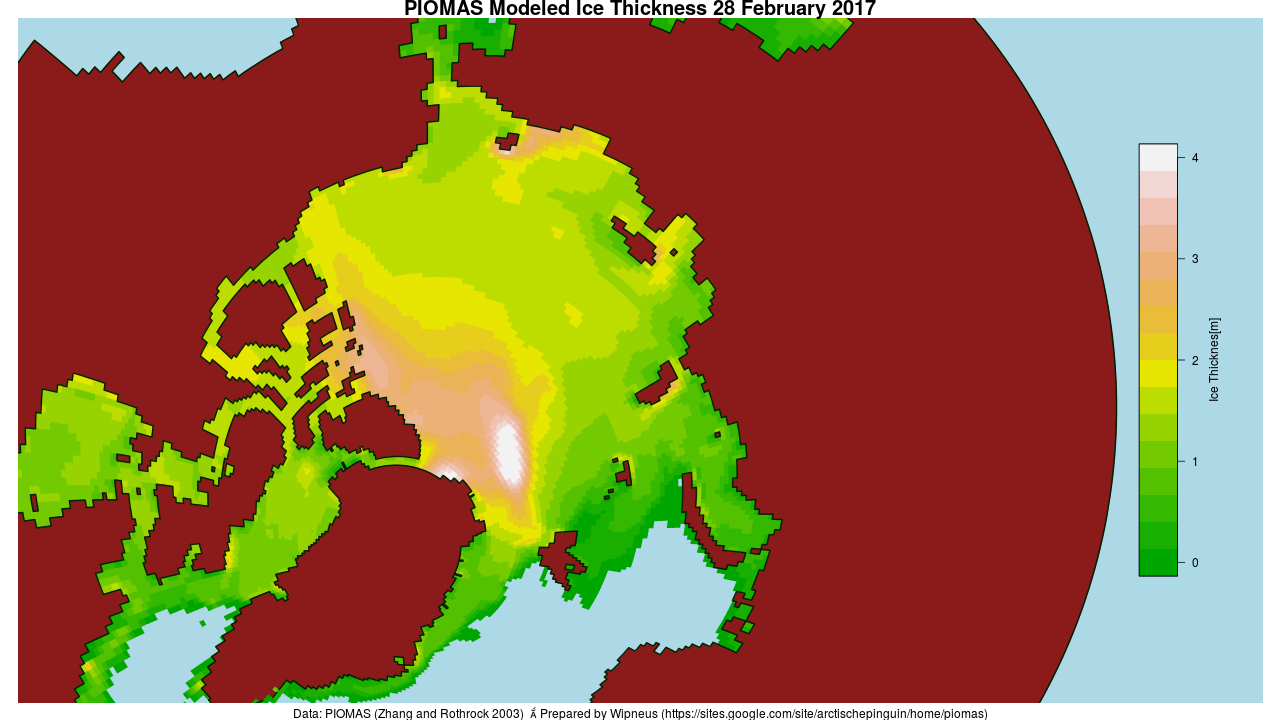
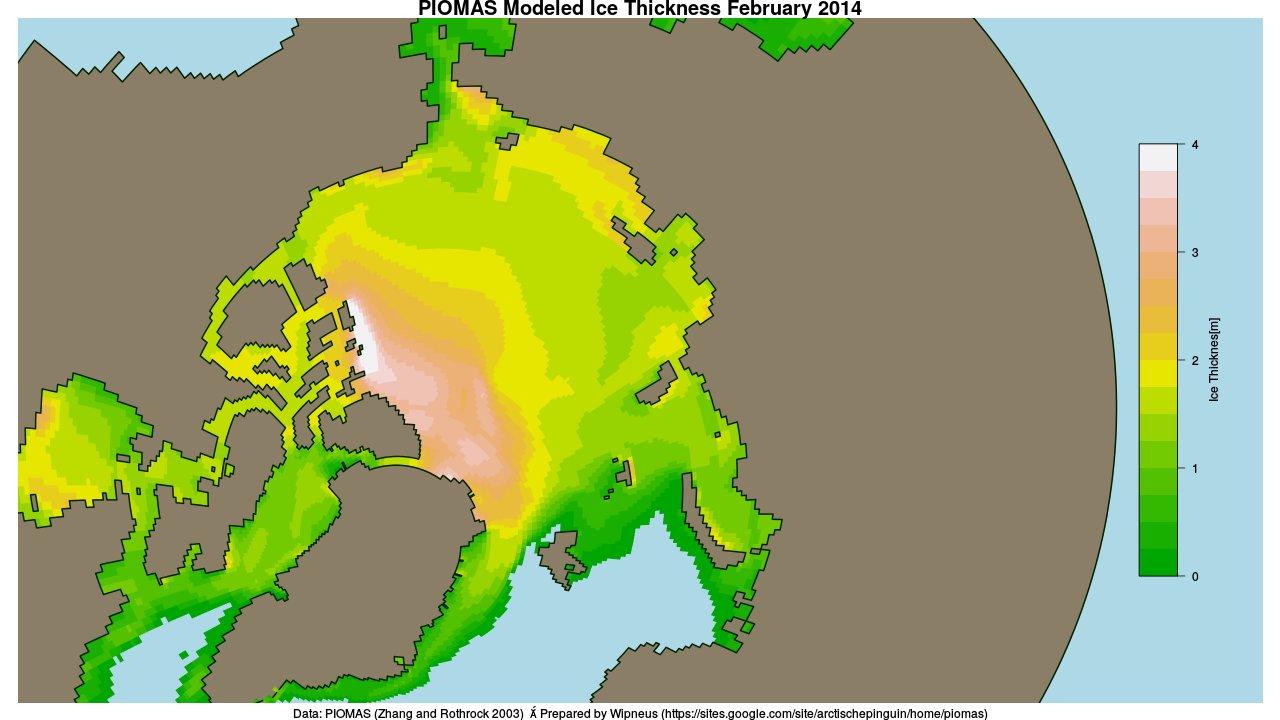
PIOMAS gridded Arctic sea ice thickness for February 2014
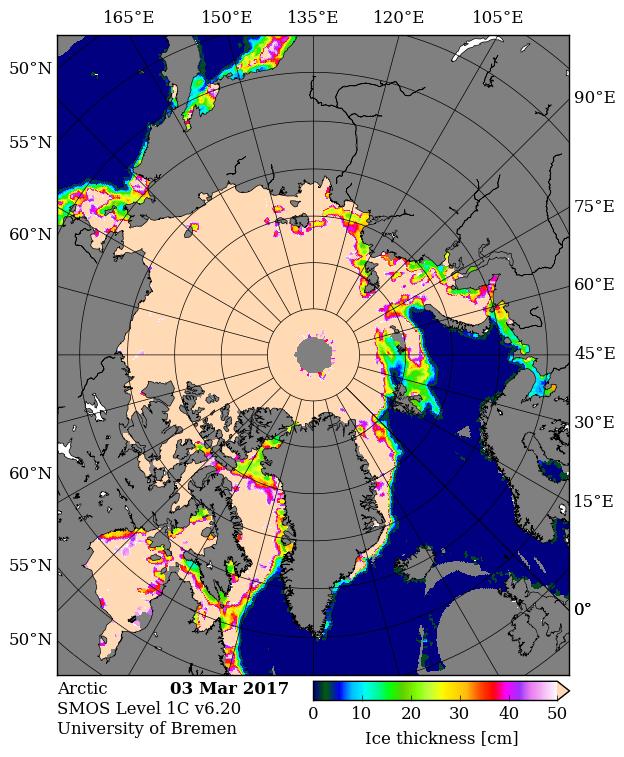
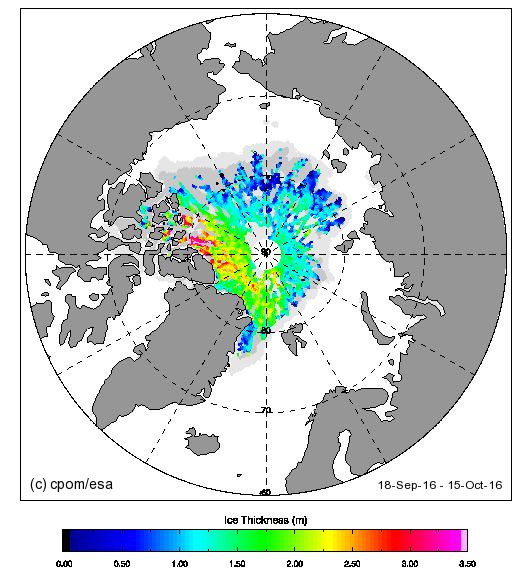
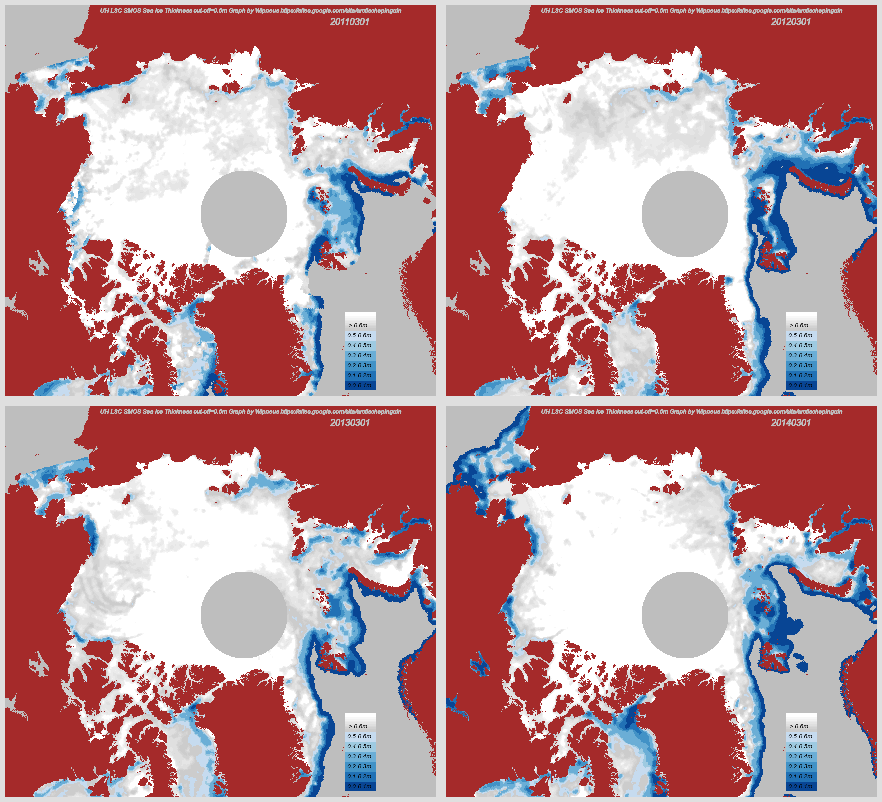
SMOS Arctic sea ice thickness comparison for March 1st 2011-14

[Images courtesy of Wipneus on the Arctic Sea Ice Forum]