The JAXA/ViSHOP web site is currently undergoing maintenance, but here is how their 2 day average extent graph looked for June 2nd:
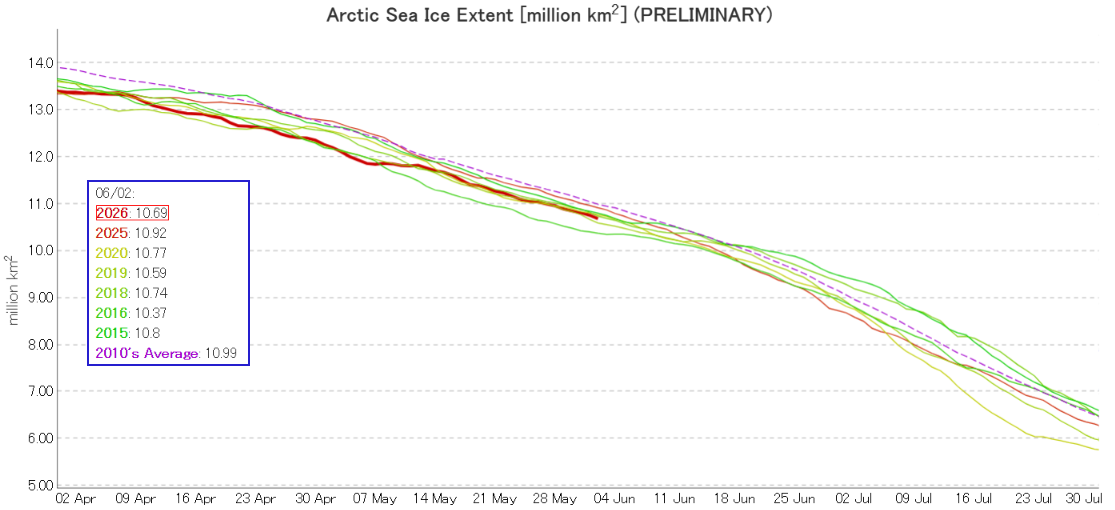
Extent was 3rd lowest in the JAXA record, behind 2016 and 2019.
The Alfred Wegener Institute’s sea ice concentration data shows that the Bering Sea is now largely free of sea ice, and the areas of open water in the Beaufort, Chukchi, East Siberian and Laptev Seas continue to expand:
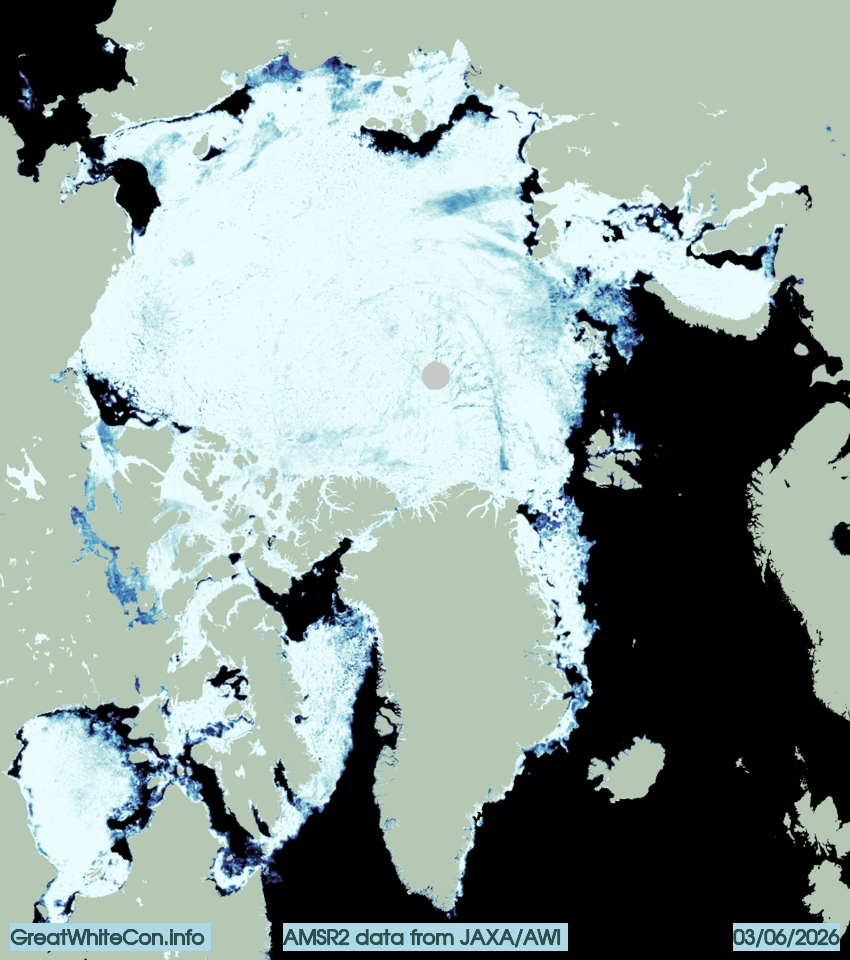
The sea ice concentration map also shows open water in much of Lancaster Sound. Also apparent is the widespread presence of melt ponds along the southern part of the Canadian Arctic Archipelago. Here’s a closer, albeit somewhat cloudy, look:
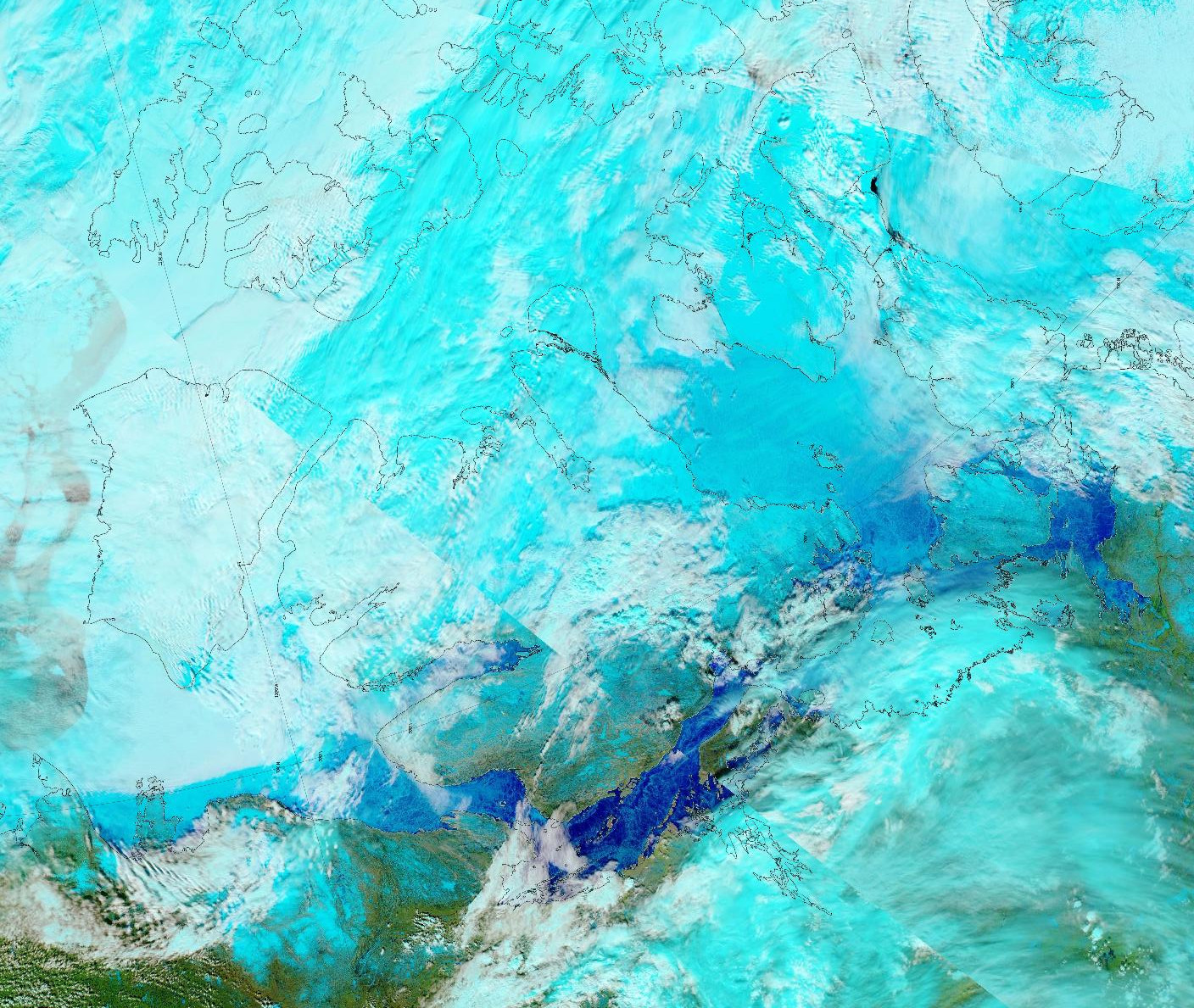
Water is now flowing onto the fast ice covering the Laptev Sea off the delta of the River Lena:
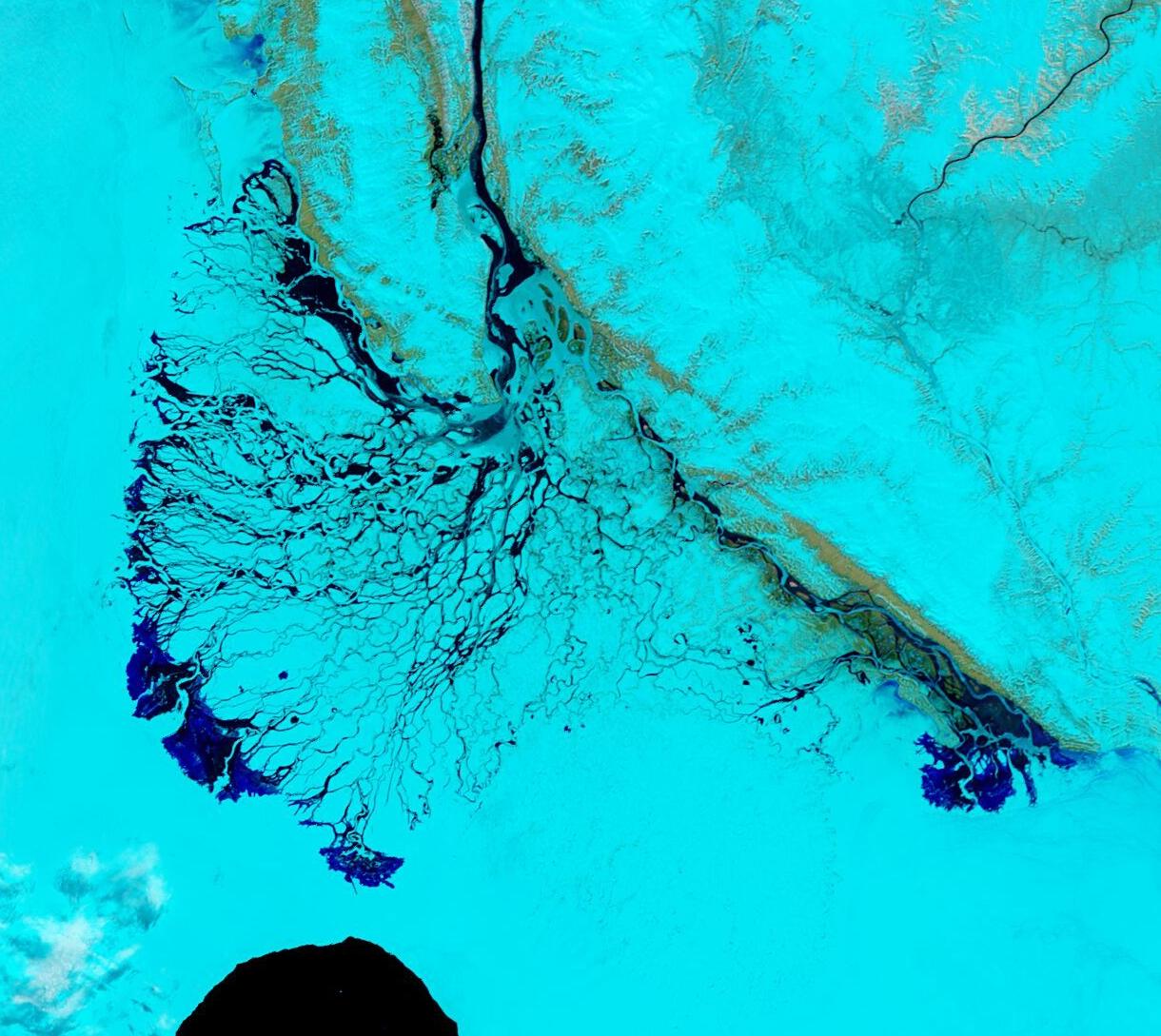
Melt ponds are also starting to form on the fast ice further south.
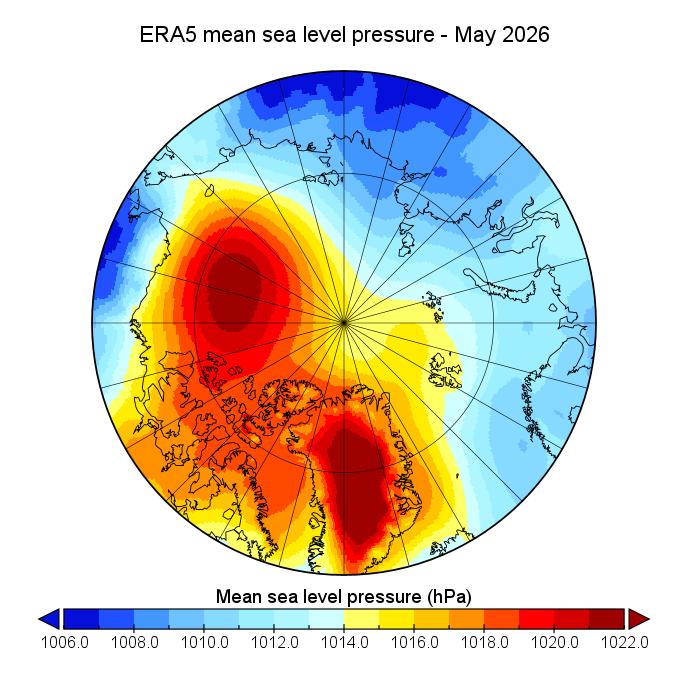
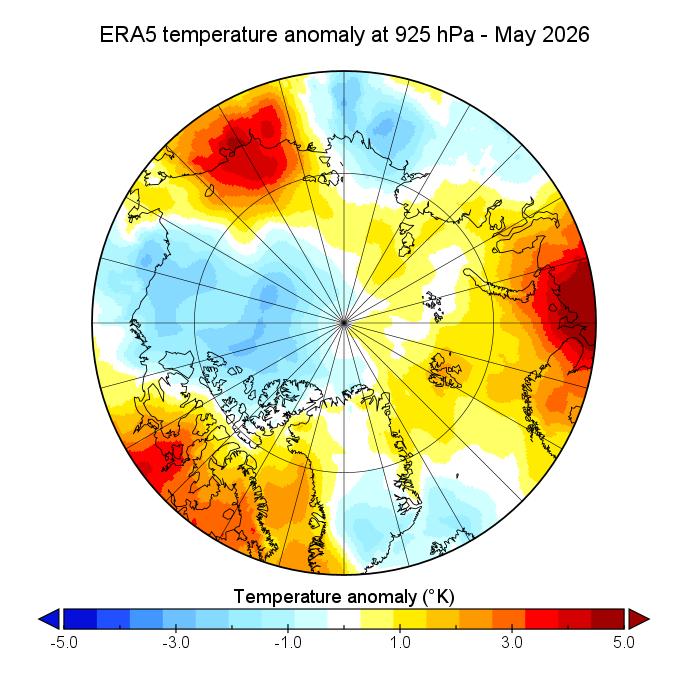
[Update – June 8th]The monthly summary of atmospheric conditions over the Arctic during May 2026 shows a continuing Beaufort high pressure area. Temperatures across the Arctic basin have been generally on the cool side, with “hotspots” in the Canadian Arctic Archipelago and East Siberian Sea:
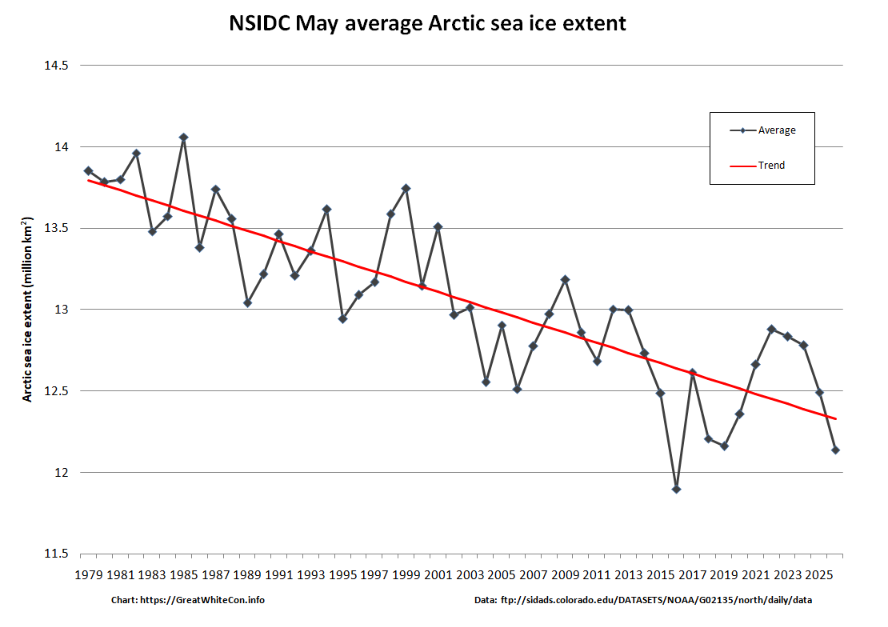
The NSIDC monthly average extent graph for May shows 2026 second lowest once again, this time behind 2016:
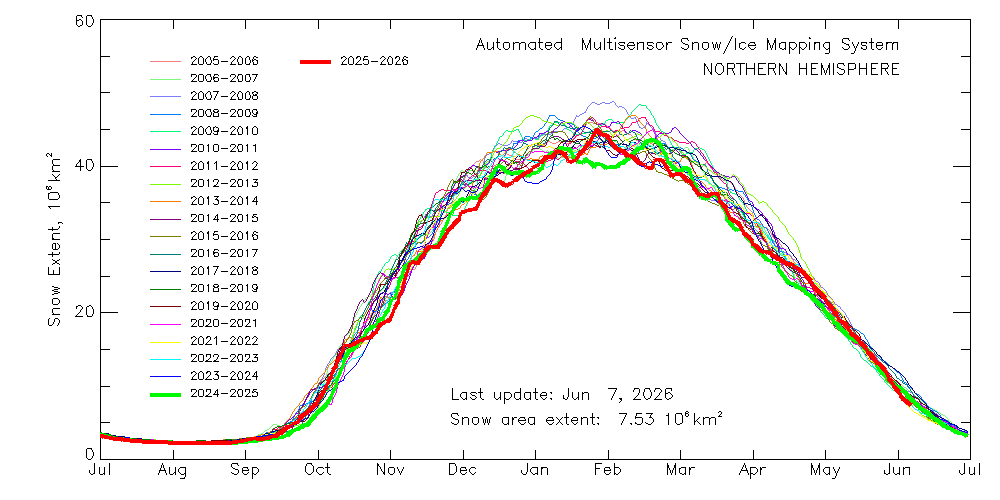
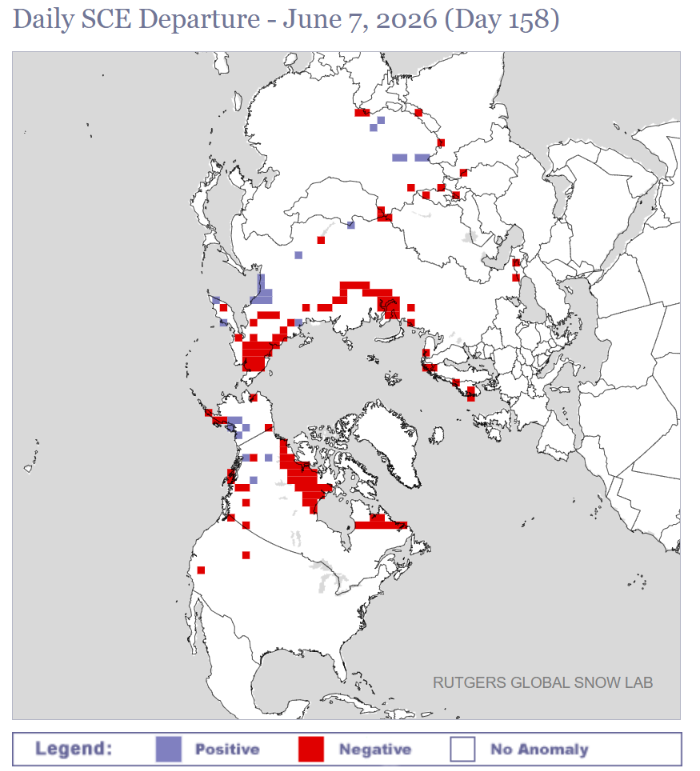
It’s time to start taking a closer look at snow cover across the Arctic. Northern Hemisphere snow extent at a historical low for the date:
The Rutgers Snow Lab map shows negative anomalies across Siberia and northern Canada
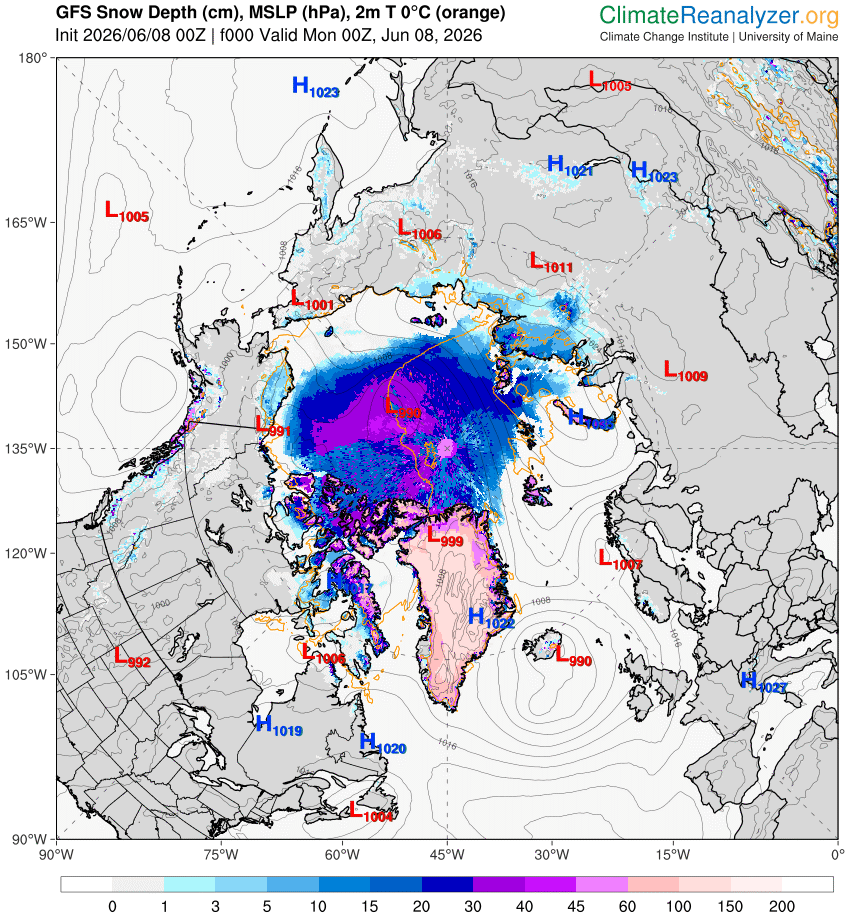
Here too is the current GFS snow depth map:
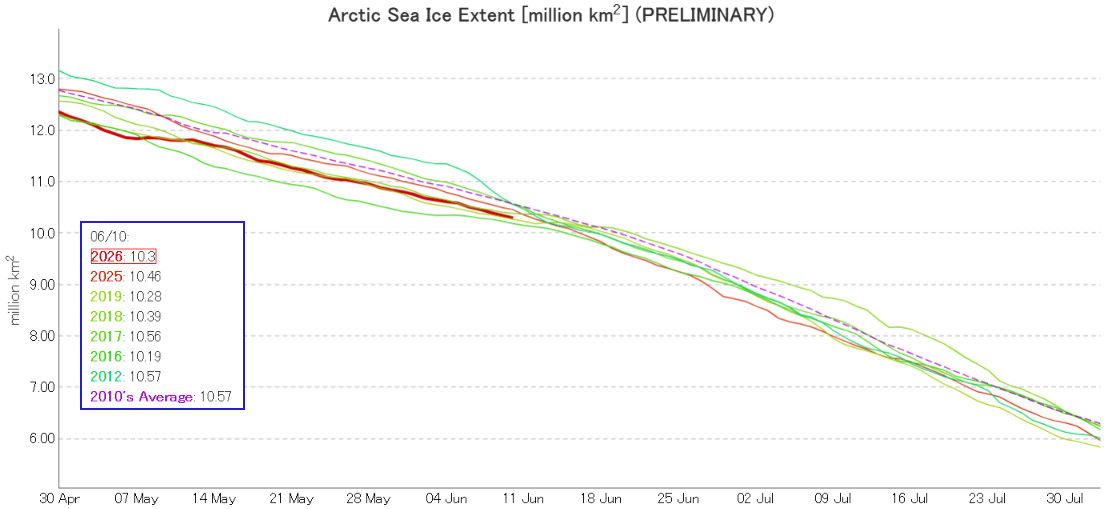
The JAXA/ViSHOP web site is finally back in action. Two day averaged extent is currently 3rd lowest for the date:
In other news, bottom melt seems to have started at the location of both the ice mass balance buoys which have been drifting across the Beaufort Sea since last autumn:
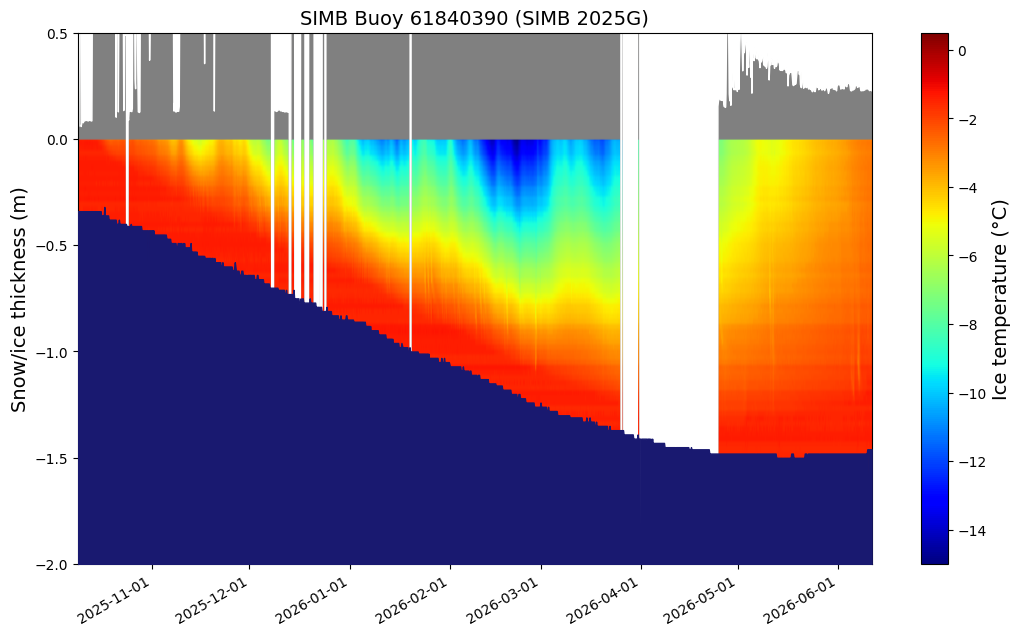
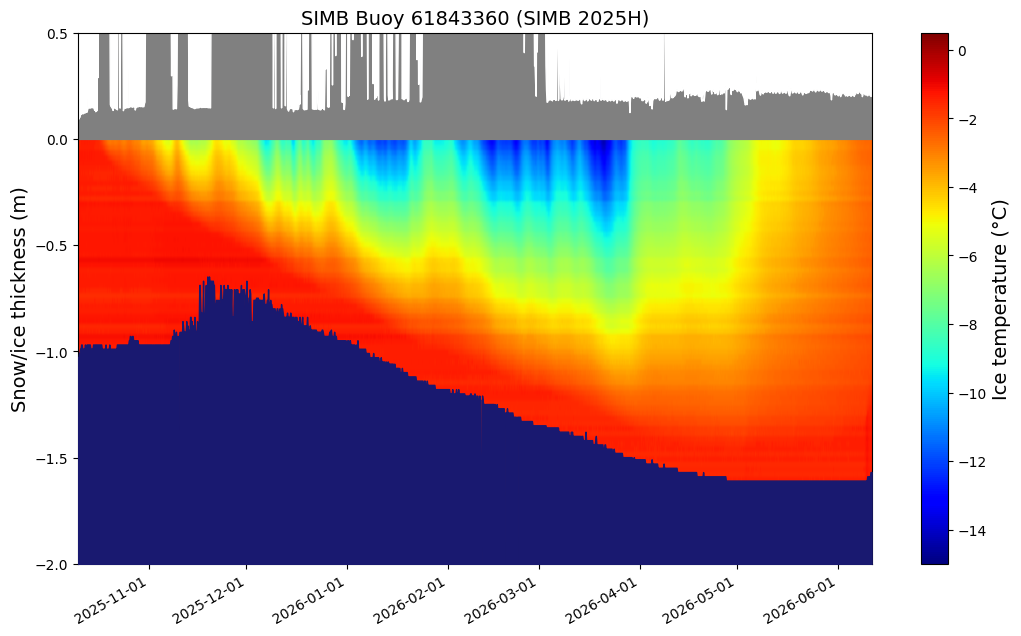
In both cases the maximum ice thickness reached over the winter was around 1.5 meters.
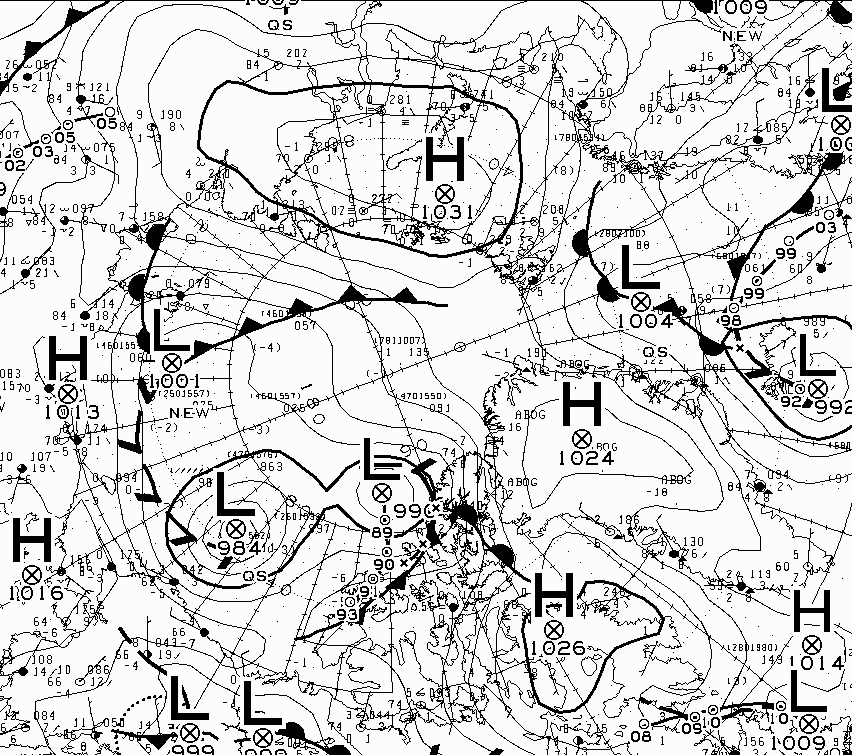
The Beaufort high pressure regime seems to be changing. In addition to the two cyclones at the end of last month, on June 9th another cyclone reached a minimum central pressure of 984 hPa over the Beaufort Sea:
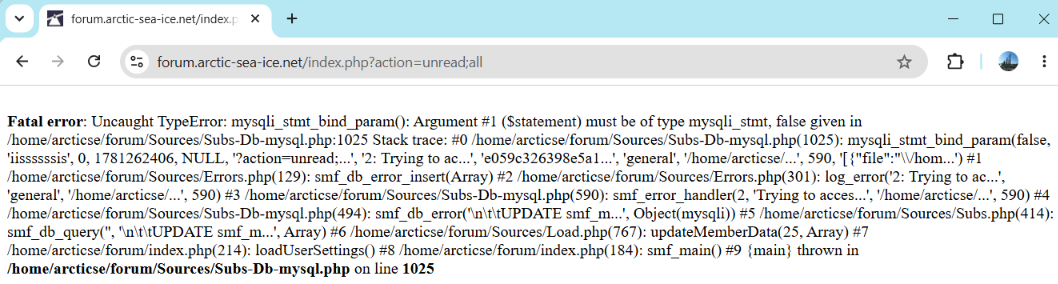
P.S. Heading over to the Arctic Sea Ice Forum to impart some of the above news I was greeted by this curious error message:
The latest in the sequence of Arctic cyclones has entered the Kara Sea:
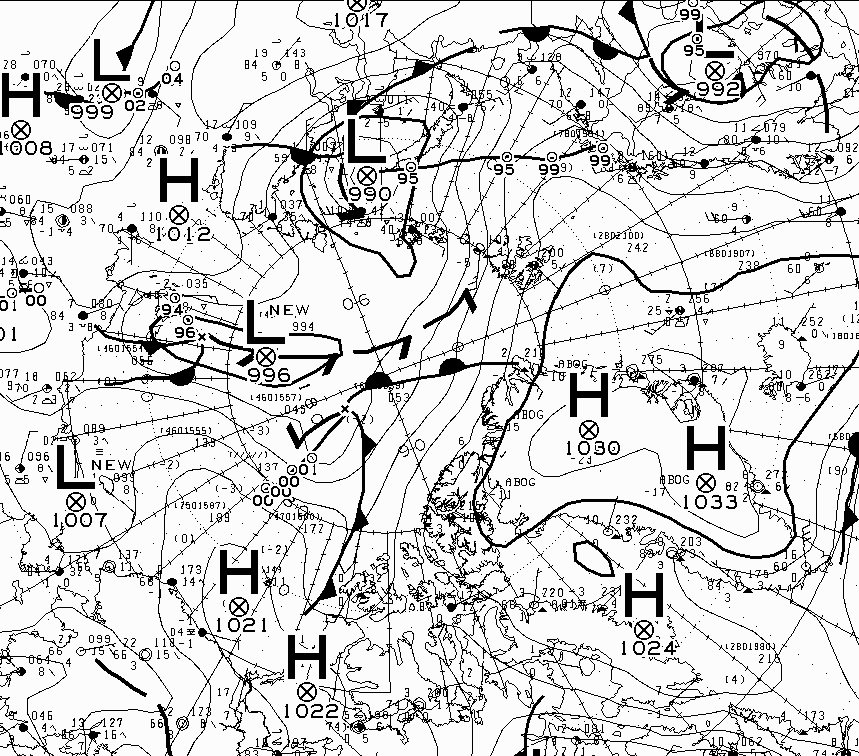
It is currently forecast by GFS to bottom out at 966 hPa over the Laptev Sea tomorrow evening UTC:
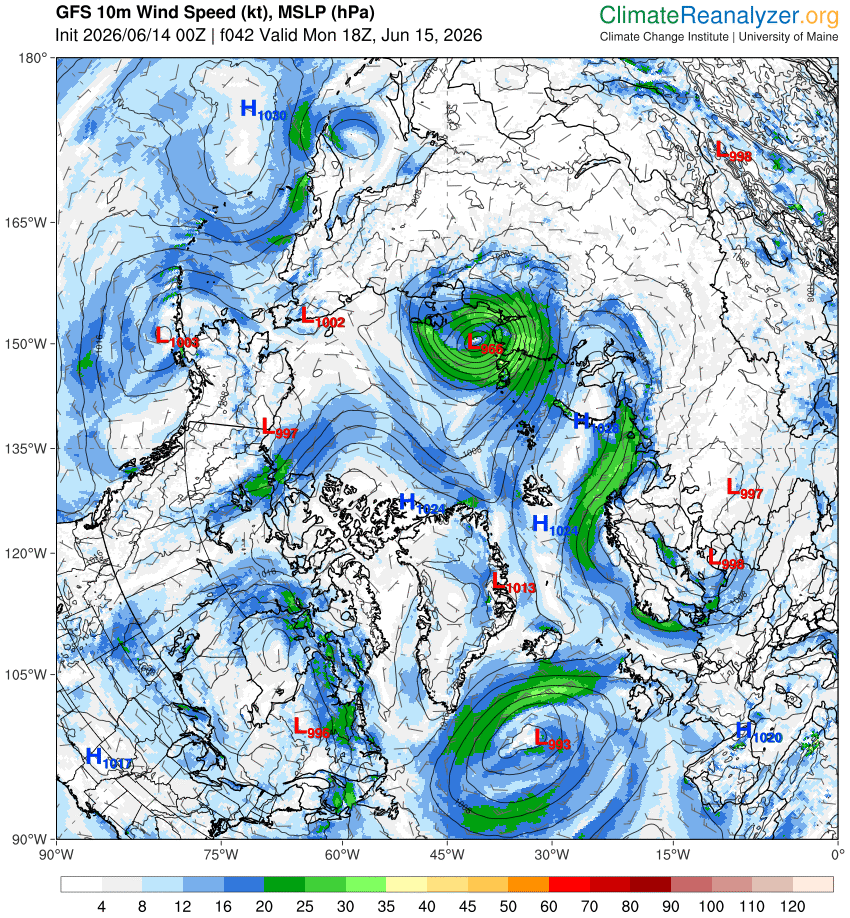
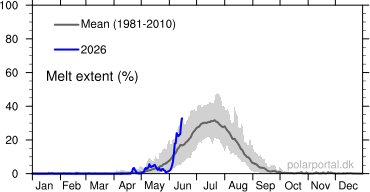
After a slow start to 2026, Greenland ice sheet melt area reached a new maximum for the date yesterday:
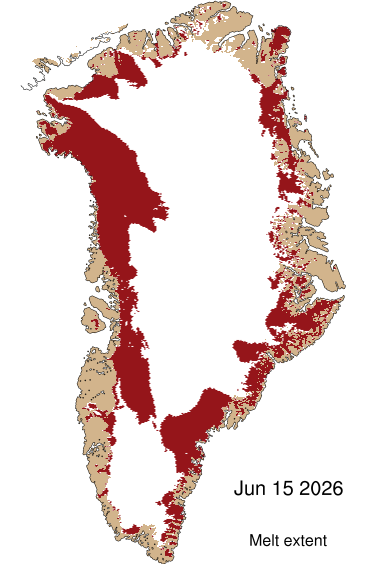
The current Arctic cyclone bottomed out at 970 hPa at midnight UTC:
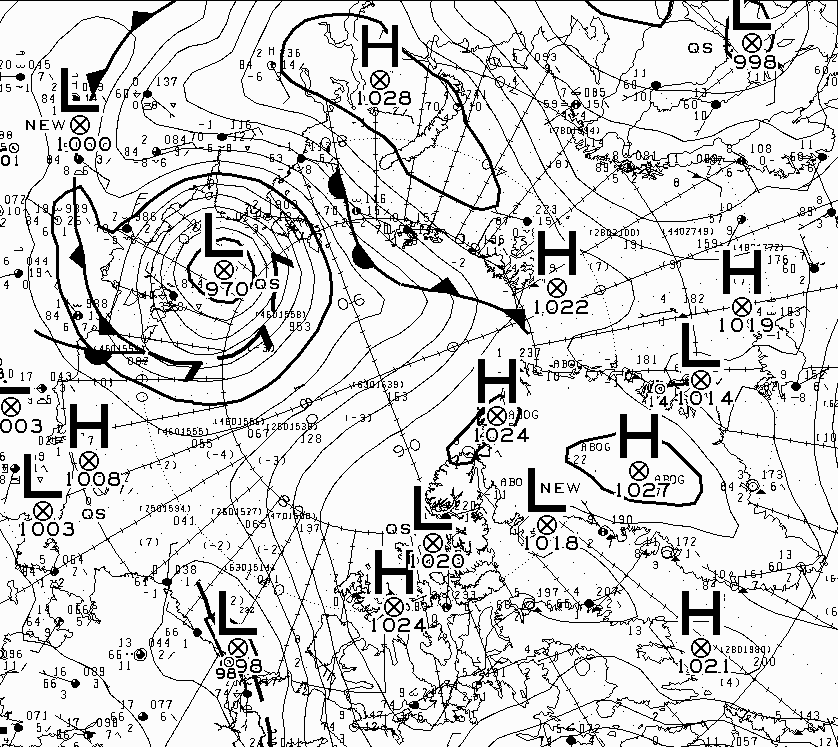
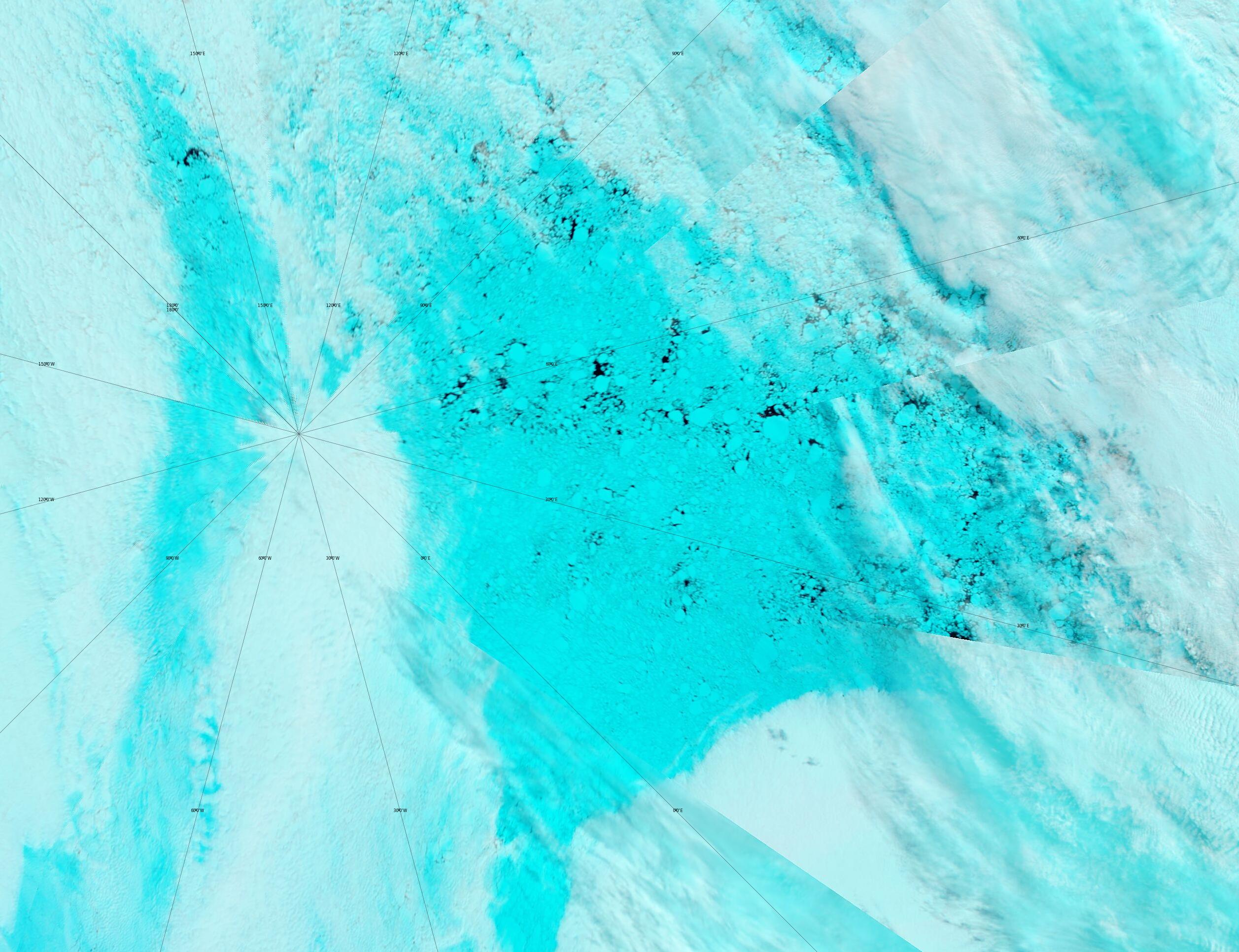
It is forecast to slowly fill in whilst wandering across the Central Arctic Basin for the rest of this week. Here’s a “false colour” image of the swirl of cloud caused by the cyclone this morning:
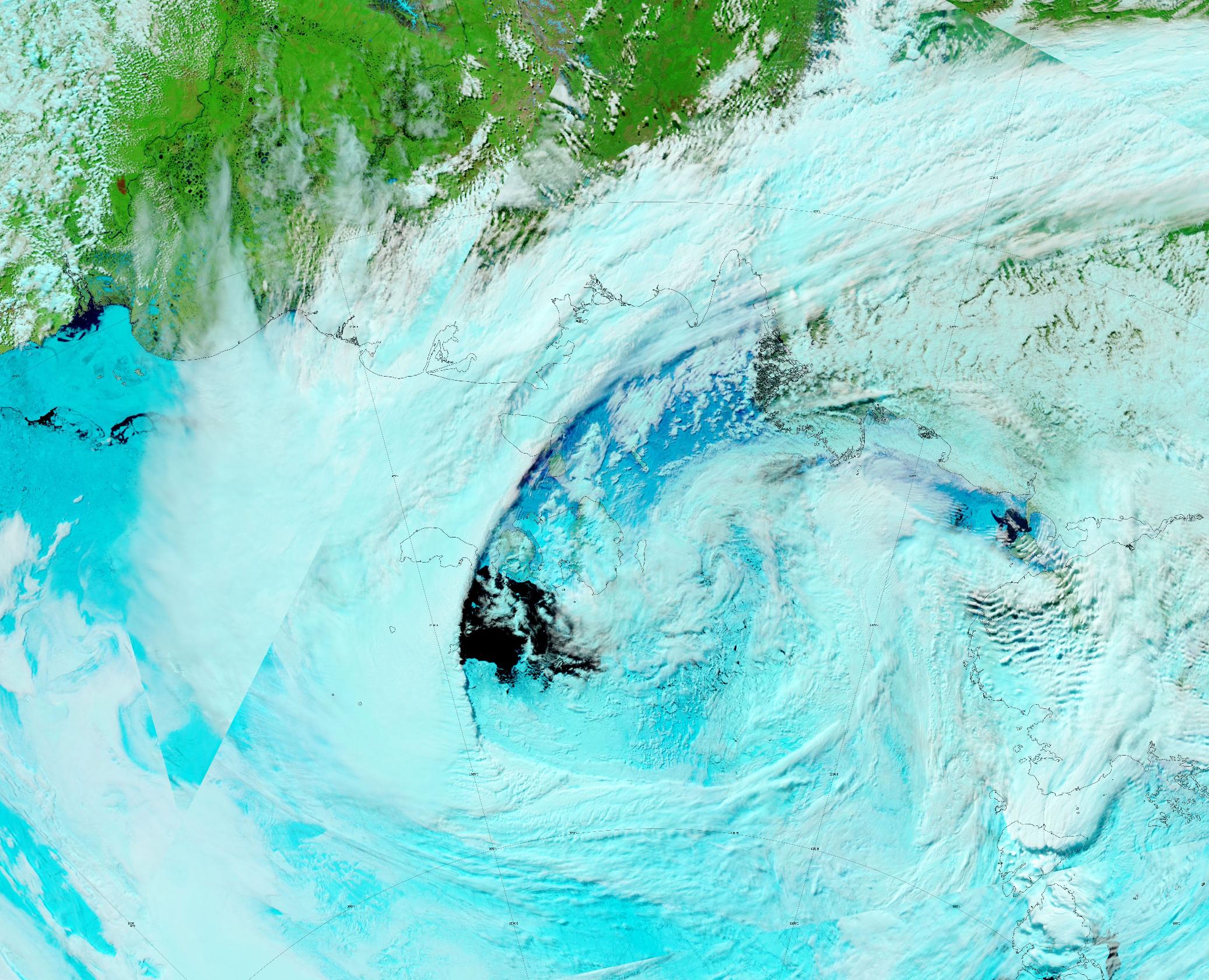
The choice of frequencies makes it easier to distinguish clouds from snow and ice. It also reveals extensive melt ponding on the fast ice in the Laptev Sea, and plenty of open water north of the New Siberian Islands.
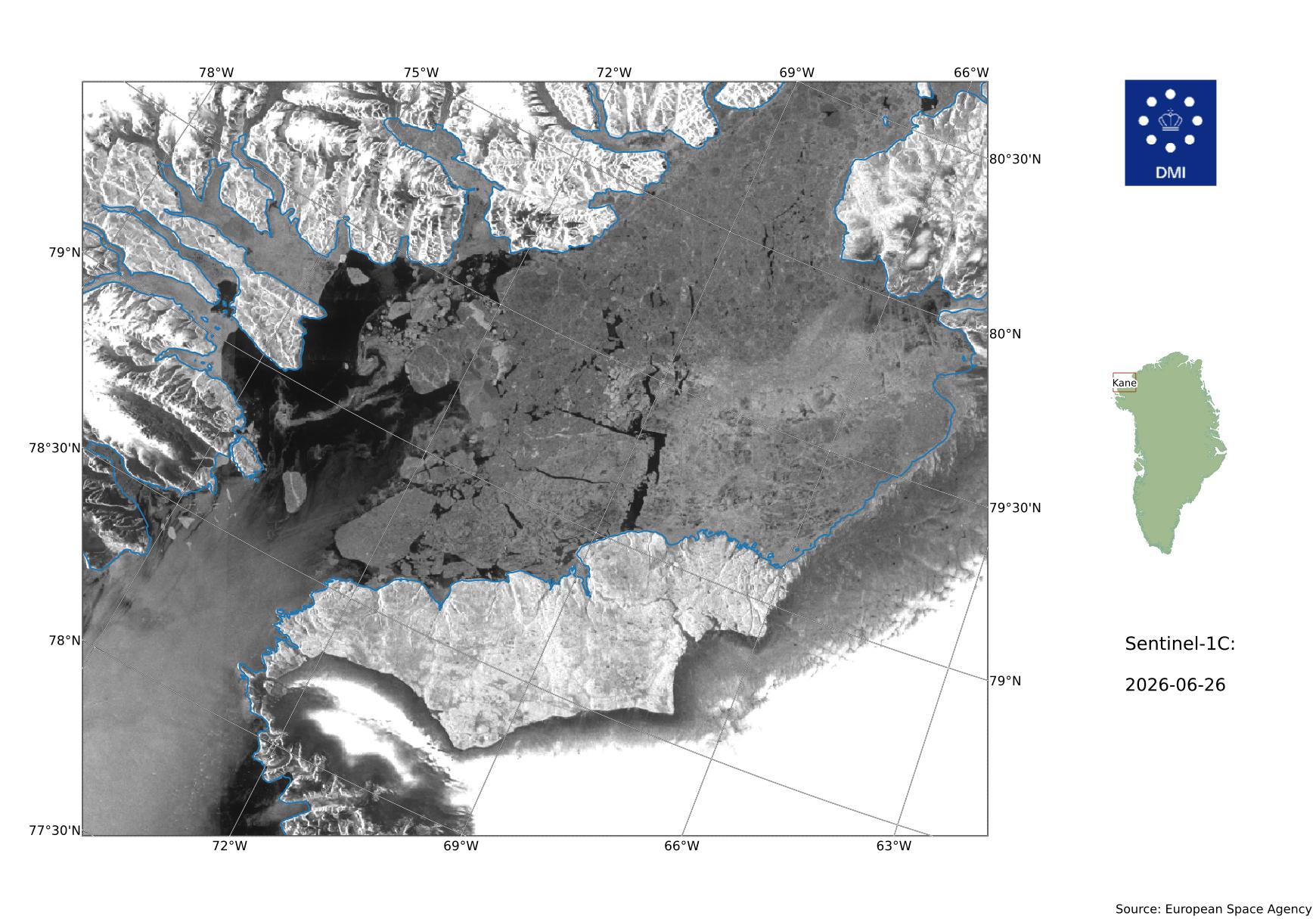
[Update – June 21th]Sentinel 1 and MODIS imagery suggest that the Kane Basin arch in the Nares Strait is breaking up:
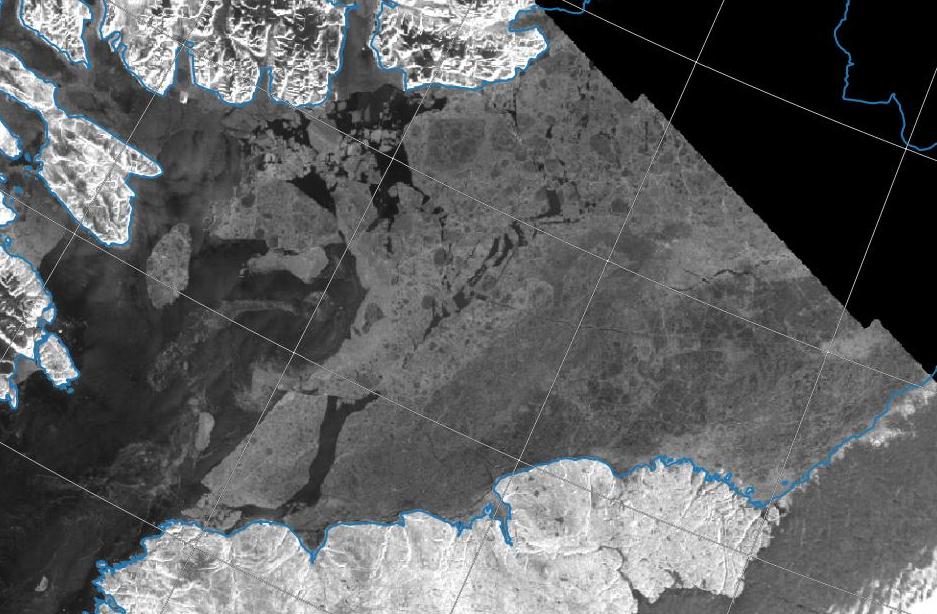
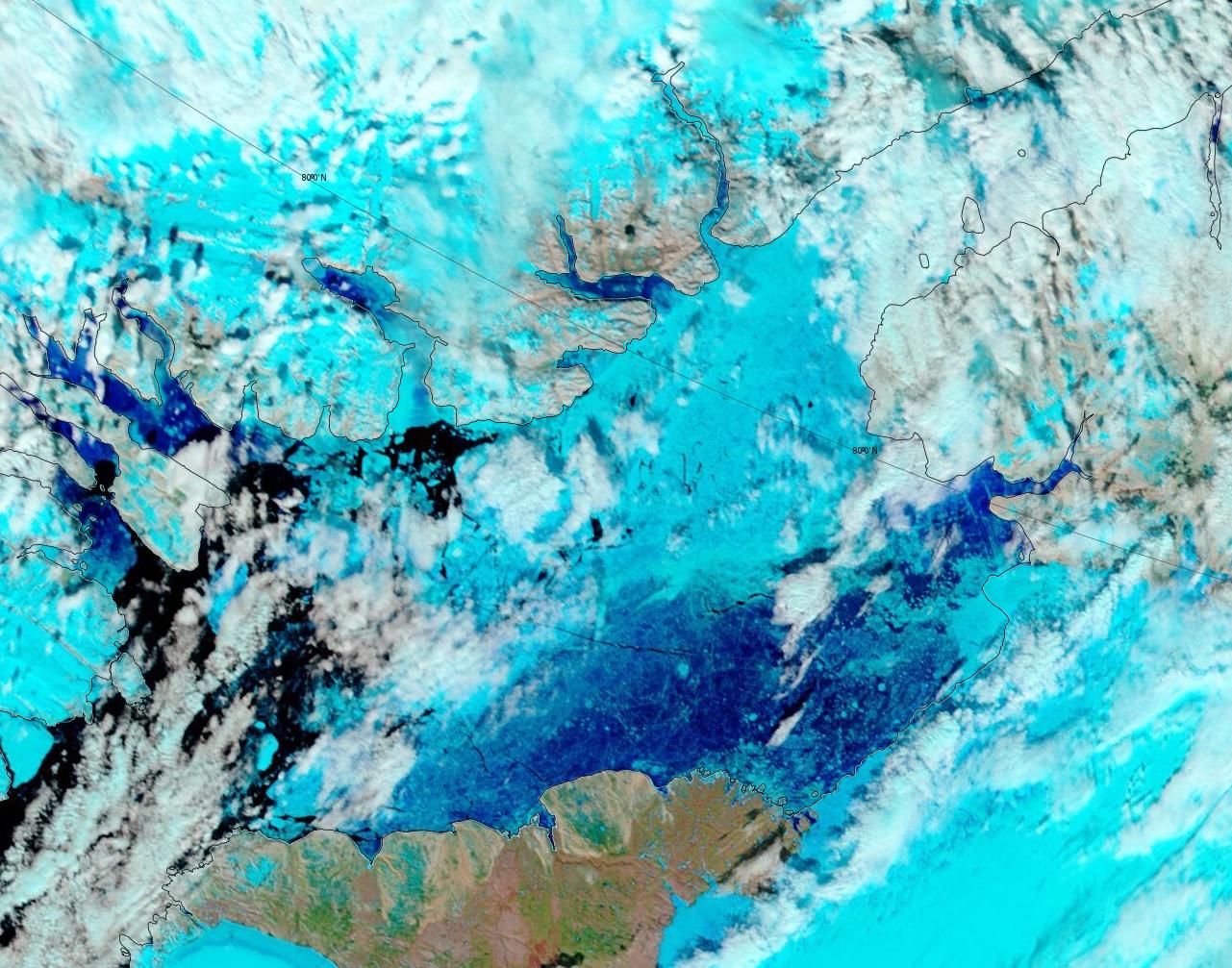
Southerly winds have kept the Nares Strait arch intact thus far. However dispersion of the ice in the Kane Basin has now started again:
Meanwhile a glimpse through the clouds reveals the fragmentation of the sea ice near the North Pole on the Atlantic side of the Central Arctic:
Watch this space!
This morning the Arctic Sea Ice Forum is still down, but the error message is now more informative:
Hi Jim
The Arctic Sea Ice Forum seems to have vanished
Any ideas / reason ?
Hi Charles,
The ASIF is still AWOL this morning (UTC). The initial error message suggested a possible problem with the MySQL database underlying the Simple Machines Forum software, but beyond such idle speculation I have no further insight into what’s gone wrong.
Thanks – wait and see I guess.
There’s still the vestiges of NSIDC for a quick look!
Plenty of maps of the ice, and weather here.
Check out Polar python for what data is available
Check out https://GreatWhiteCon.info/resources/arctic-sea-ice-graphs/ too!
Perhaps I should finally get around to fixing all the broken links?!
NSIDC 5 day averaged extent is now “lowest for the date”:
JAXA has yet to follow suit.
Gemini is now on the ASIF case:
But is easily confused!
Regarding the absent Arctic Sea Ice Forum, I am reliably informed that:
“There’s a problem with the database. It’s full, and it’s not clear why”.
The ASIF tech guru has been otherwise engaged this weekend, but hopefully the issue will be resolved in the near future.
The Arctic Sea Ice Forum sprang back into action earlier today, albeit with little by way of explanation for the outage: