Monthly Archives: July 2020

The Northwest Passage in 2020

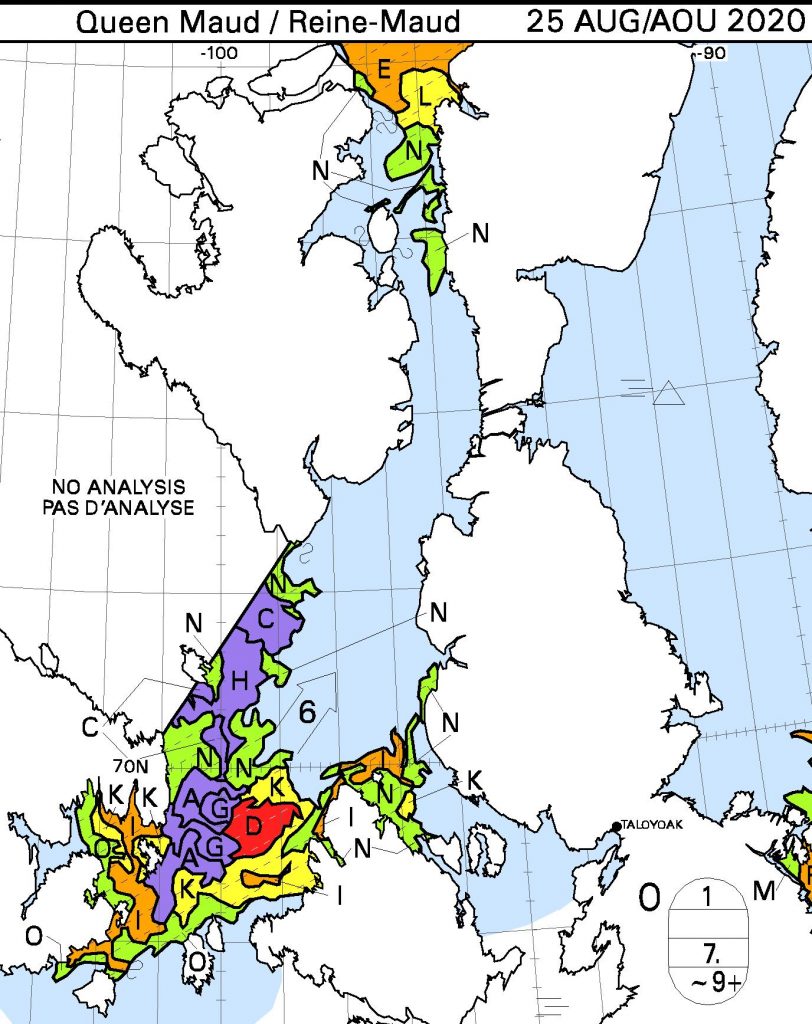
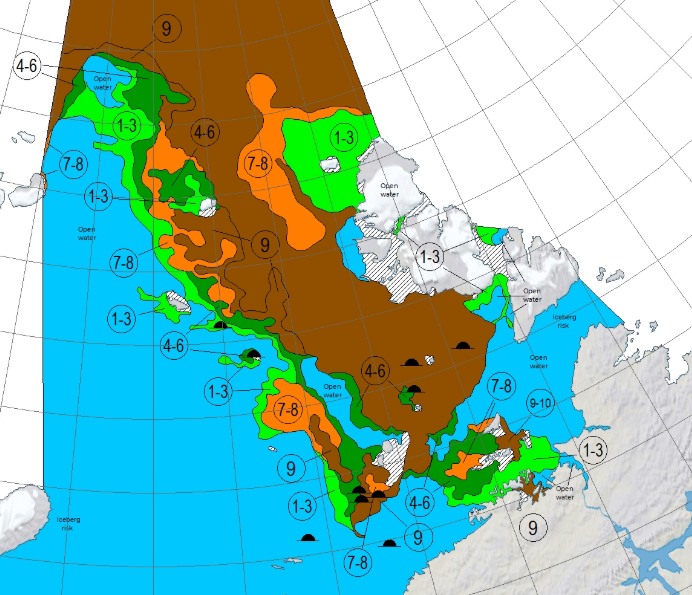
Whilst the Northern Sea Route has opened up early this year, it will be be quite some time before the Northwest Passage follows suit. Nevertheless our old friend Northabout is currently sailing in the direction of Baffin Bay, so now seems as good a time as any to start speculating about the prospects for the Summer of 2020. The passage through Lancaster Sound is already navigable:
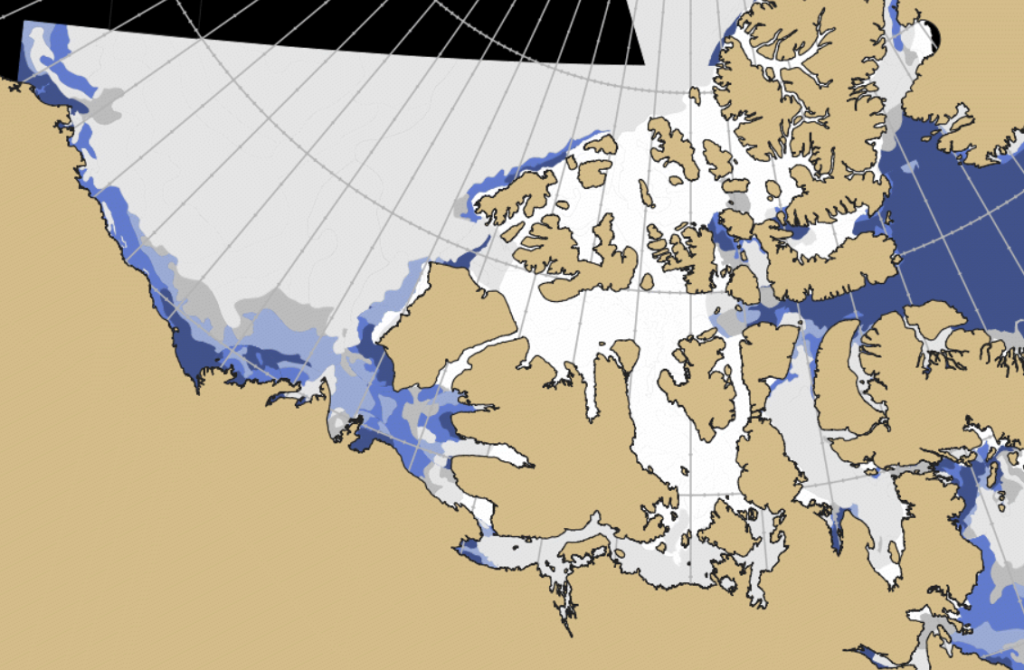
However as the Canadian Ice Service chart also shows, there are still some areas of 7-8/10 concentration along the Beaufort Sea coast en route to the Bering Strait. The central Canadian Arctic Archipelago is solid 9-10/10 at present, but what’s the prognosis? Here’s the final CryoSat-2/SMOS merged thickness map of the winter, from April 15th:
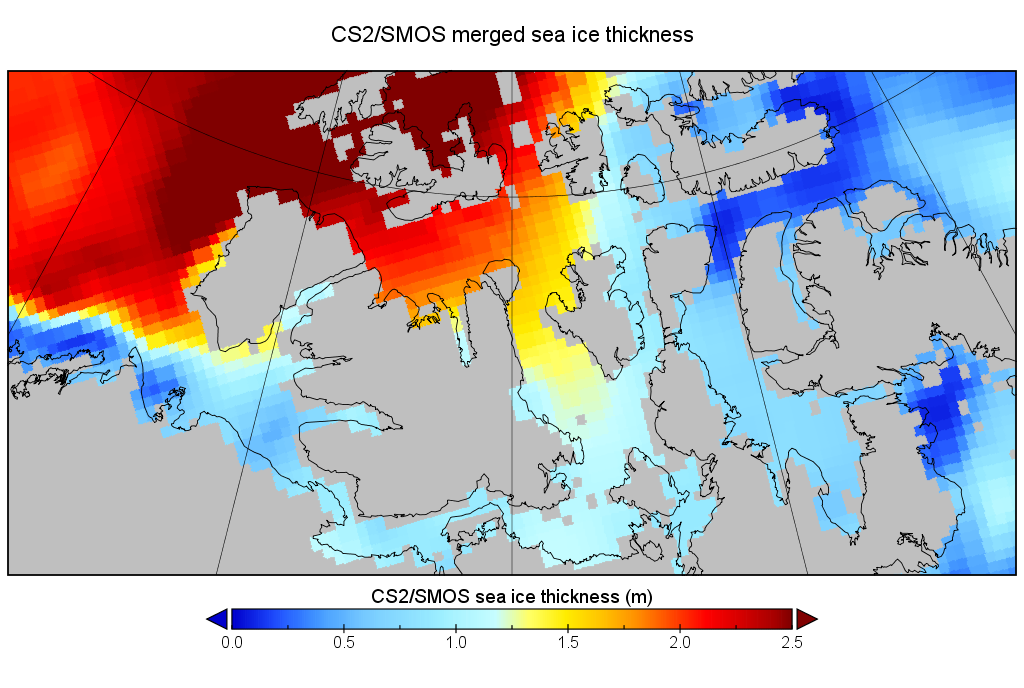
This suggests that the thickest ice on the usual route through the Northwest Passage for small vessels was around 1.2 meters in Larsen Sound. This seemed suspiciously thin to me, so next I tried the underlying Cryosat-2 data from AWI, which revealed this:
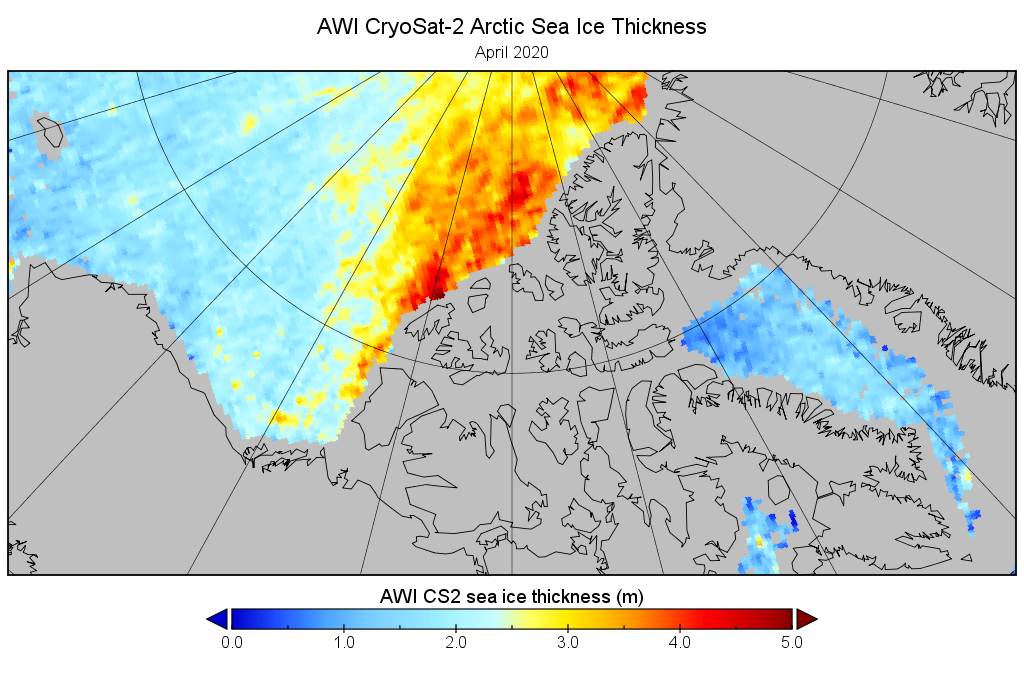
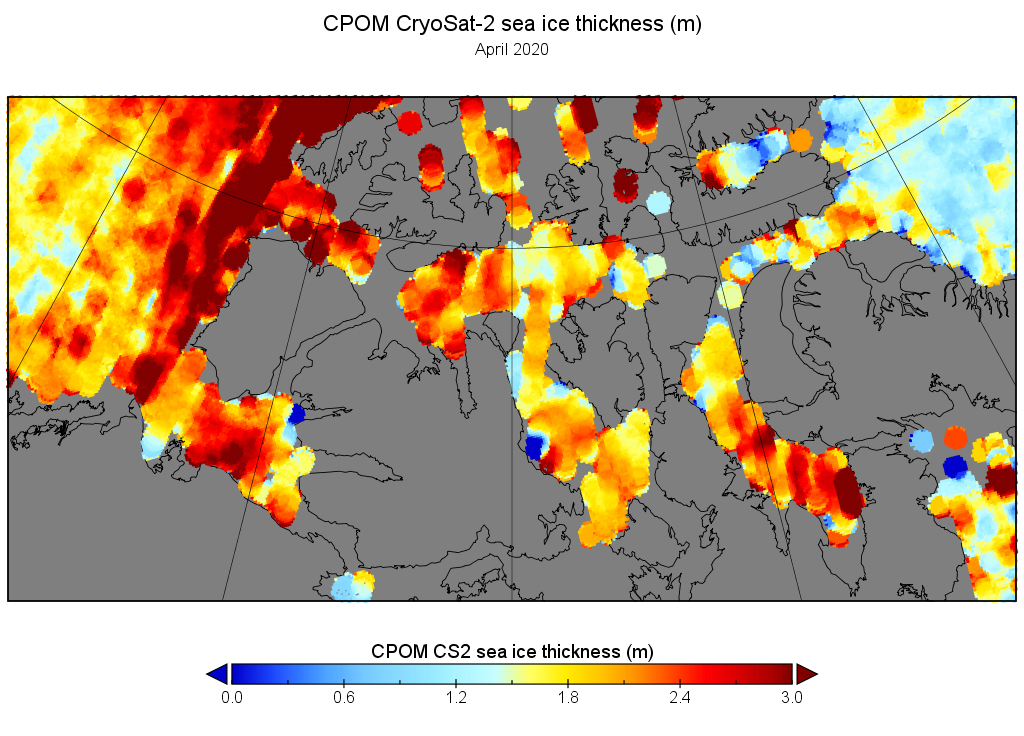
Suspicions confirmed. It looks like AWI are ignoring CS2 data in the CAA for 2020! Here’s how the CPOM Cryosat-2 numbers look for a similar date, which is hopefully nearer the reality:
The CAA was fairly cloud free on June 23rd, and this satellite image shows that surface melt had started across the entire central section of the Northwest Passage:
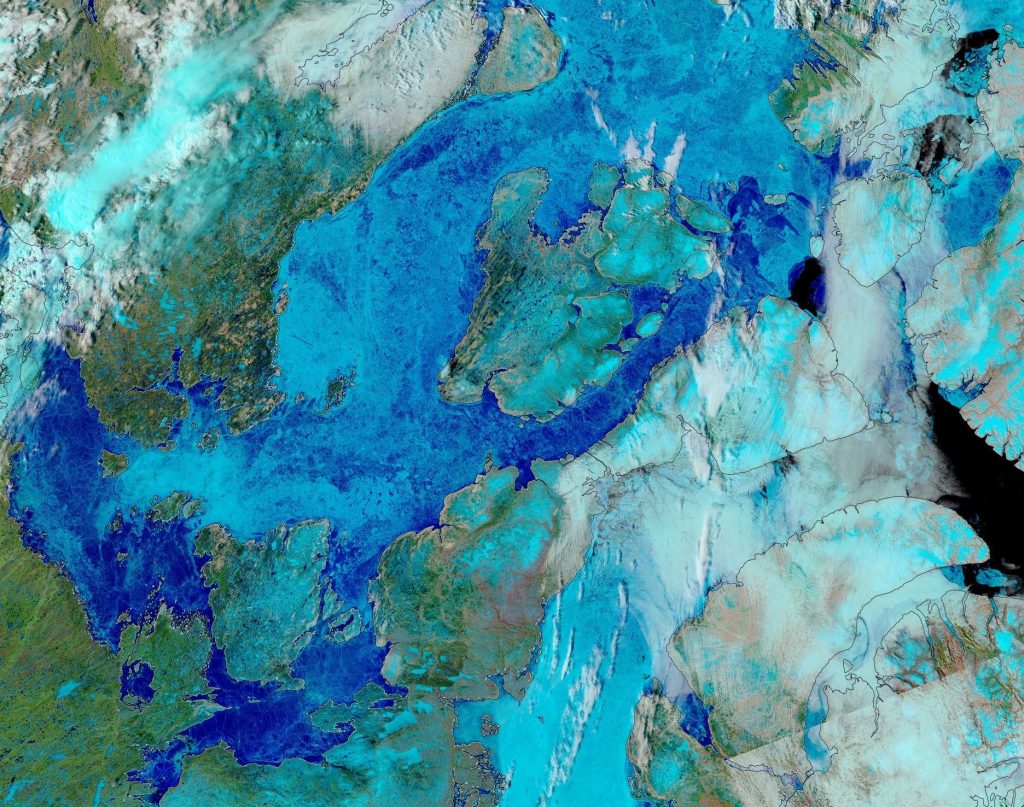
NASA Worldview “false-color”image of the Canadian Arctic Archipelago on June 23rd 2020, derived from the MODIS sensor on the Terra satellite

All in all it looks to me as though “small vessels” will be able to successfully make it through the Northwest Passage later in the summer of 2020, with thicker ice drifting south into Larsen Sound from the McClintock Channel being a potential bottleneck.

[Edit – August 1st]

Whilst there are certainly some cruise ships planning on voyaging through the Northwest Passage this summer it looks as though there will be very few yachts or other small vessels. According to Transport Canada:

To better protect Arctic communities, pleasure craft are prohibited from operating in Canada’s Arctic coastal waters north of the 60th parallel until October 31, 2020, at the earliest:

  • to limit any potential interaction with remote and vulnerable coastal communities in consideration of minimal health care infrastructure in these waterways that notably comprise the Northwest Passage as well as the territorial sea of Canada surrounding Nunatsiavut, Nunavik and the Labrador Coast).
  • to allow the Canadian Coast Guard to focus efforts on essential operations including community resupply ice-breaking, environmental response, and search and rescue.

With this proviso:

In the Canadian Arctic coastal waters, the following measures will not apply to:

Foreign pleasure craft exercising their right of innocent passage within the territorial sea. However, any such transits will be subject to receipt of a 60-day written notice in advance of arrival in Canadian Arctic coastal waters to Transport Canada, and be subject to any conditions the Minister determines necessary to ensure the protection of marine personnel and of local communities (for example, additional insurance, rescue strategy).

[Edit – August 6th]

The skies were clear over the Northwest Passage yesterday, and this is what could be seen from the Aqua satellite:
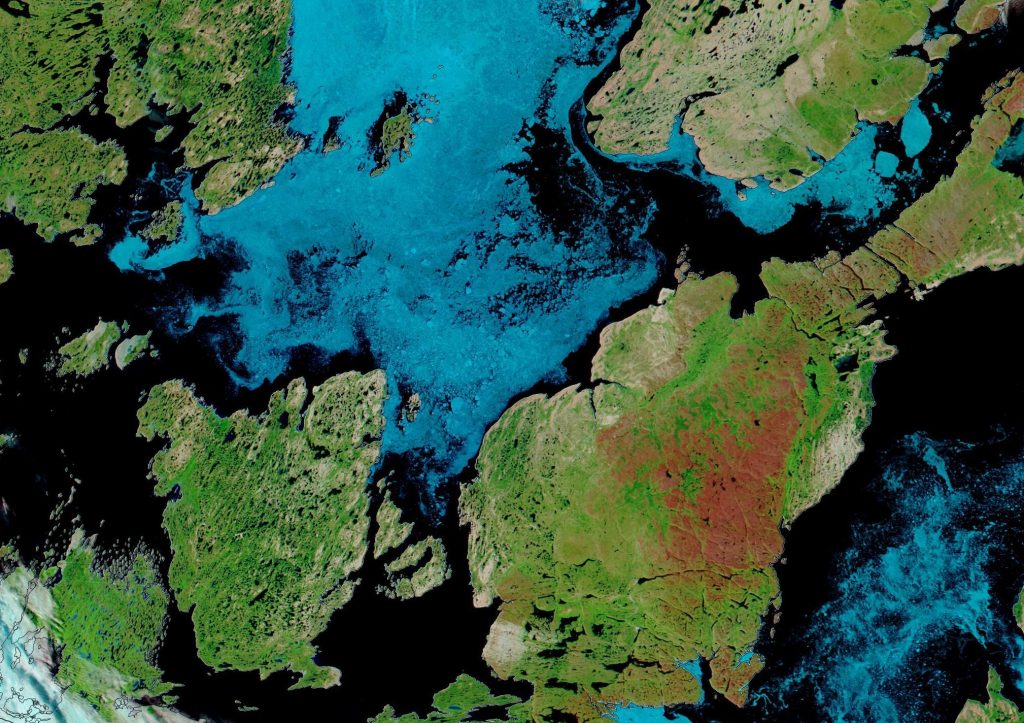
I don’t know about you, but based on that image I reckon a plucky little yacht like Northabout could just about squeeze past the remaining sea ice along the coast of the Boothia Peninsula?

However let’s also take a look at the charts of the Canadian Ice Service shall we? The daily regional maps don’t cover the “squeeze point” yet, but the weekly map dated August 3rd reveals this:
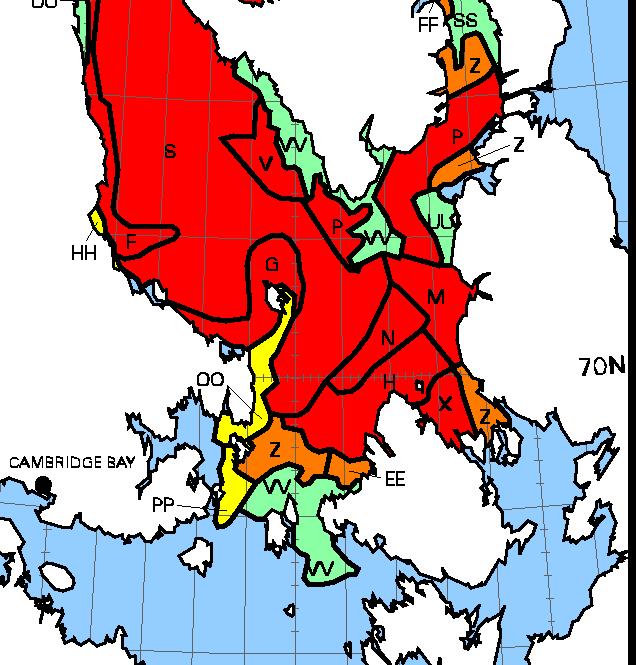
We’re forced to conclude that officially the Northwest Passage isn’t quite “open” yet!

[Edit – August 7th]

The Canadian Ice Service have extended their daily coverage to the “choke point” we looked at above:
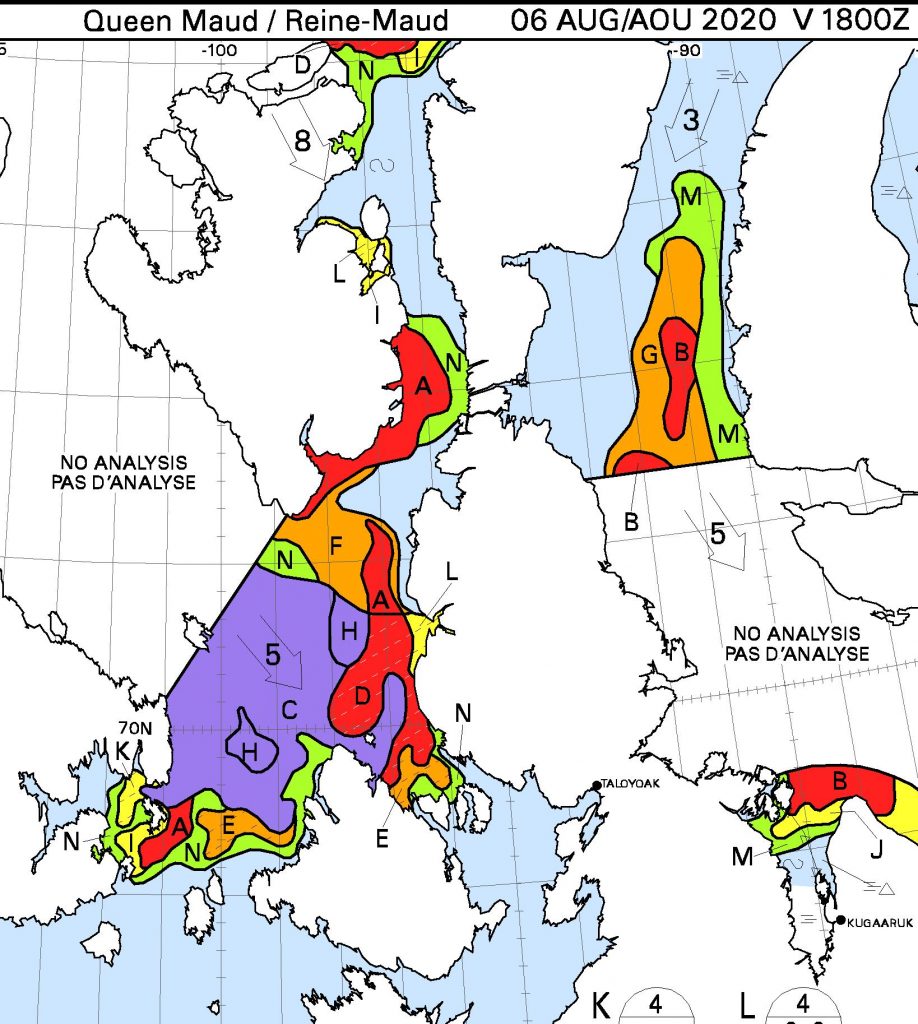
The Northwest Passage is still not “officially” open!

[Edit – August 8th]

The southern “choke point” is still blocking the way, and winds are currently pushing ice into the north of Peel Sound:
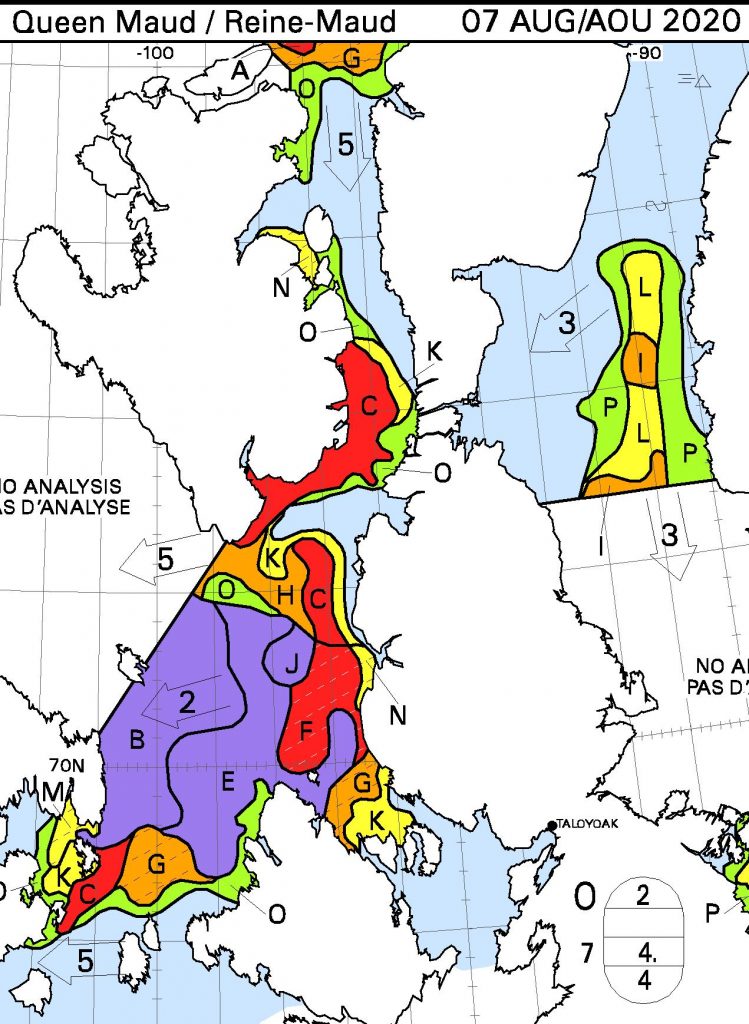

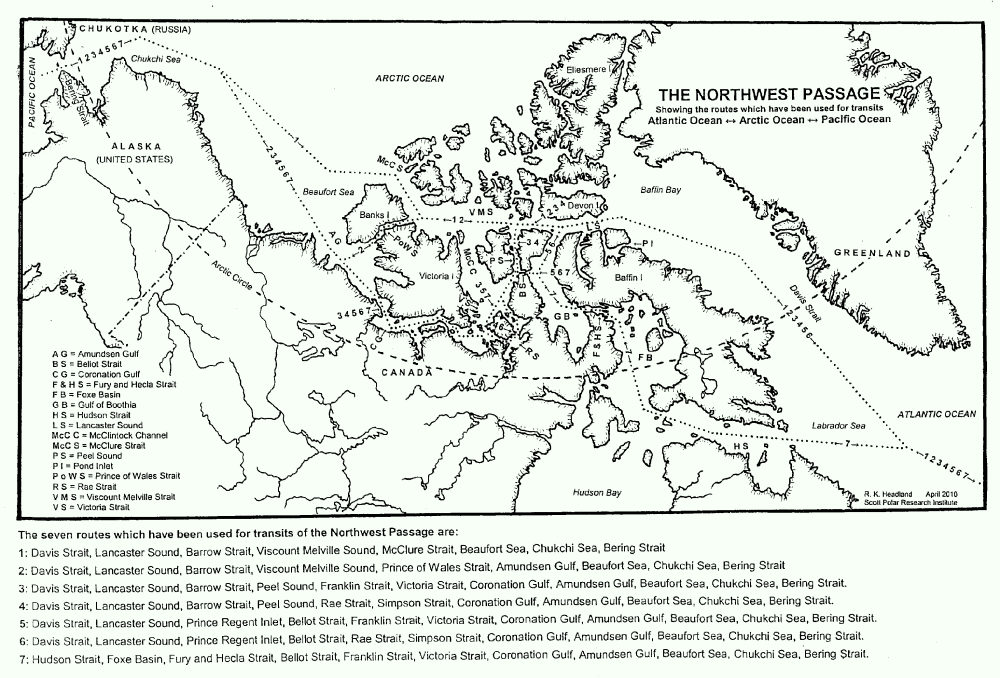
This Sentinel 2 image from August 6th shows the Bellot Strait to be completely clear of ice, so despite that route 6 through the Northwest Passage may well be very open soon.
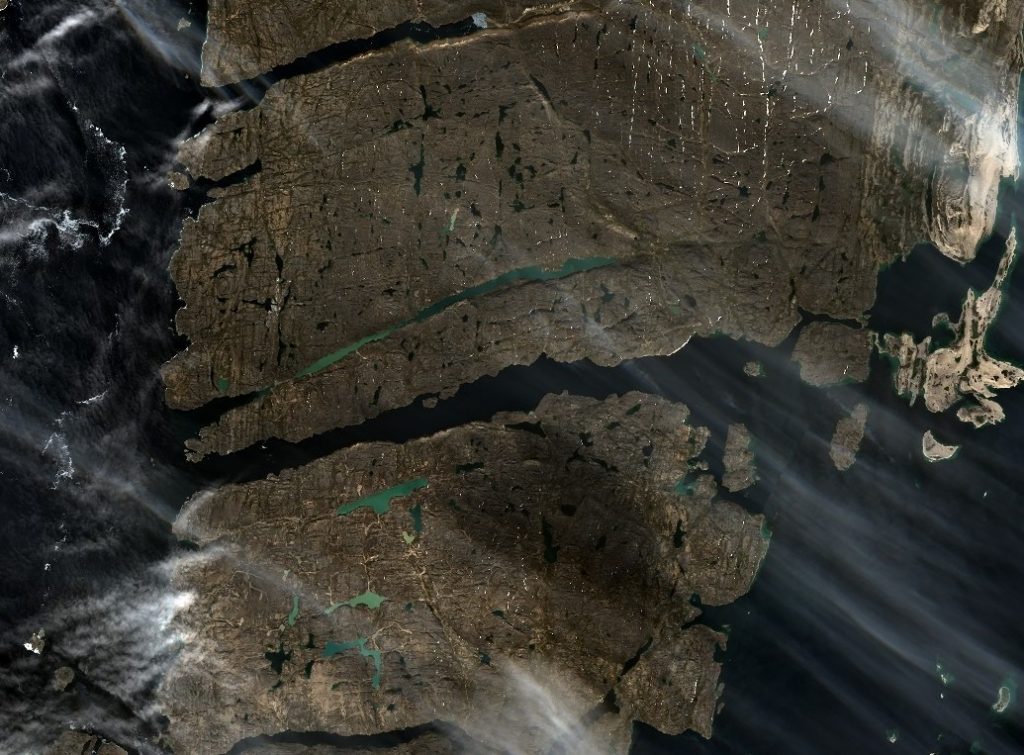
[Edit – August 11th]

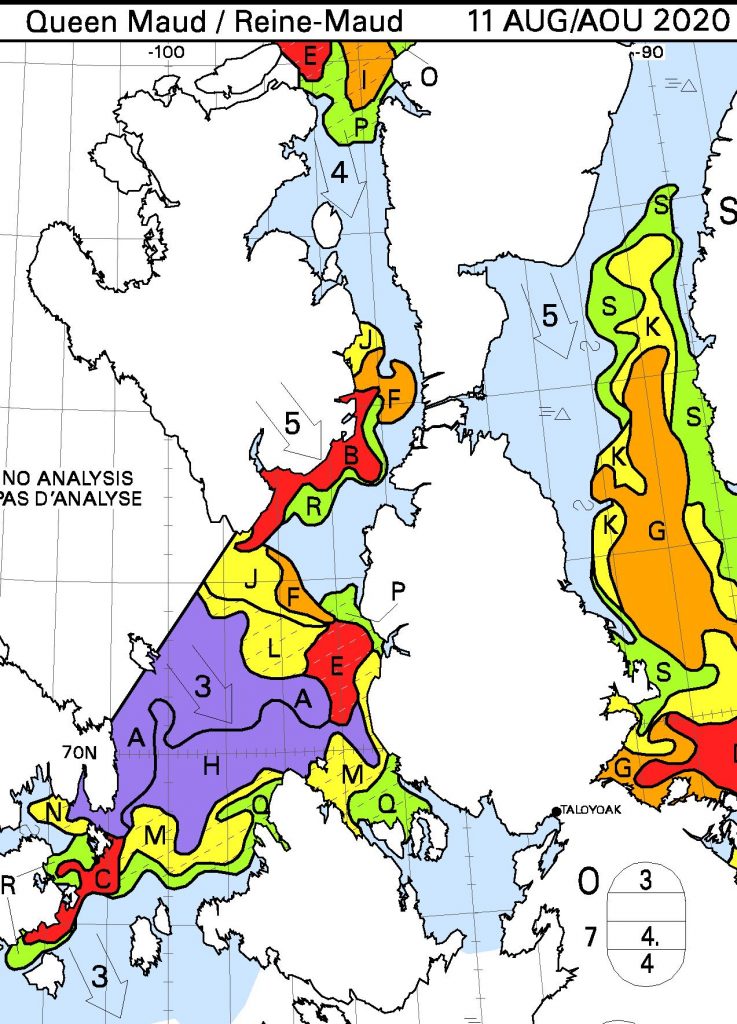
Snow White is pleased to announce that she cut the ribbon at the 2020 Northwest Passage route 6 opening ceremony earlier today:
[Edit – August 14th]

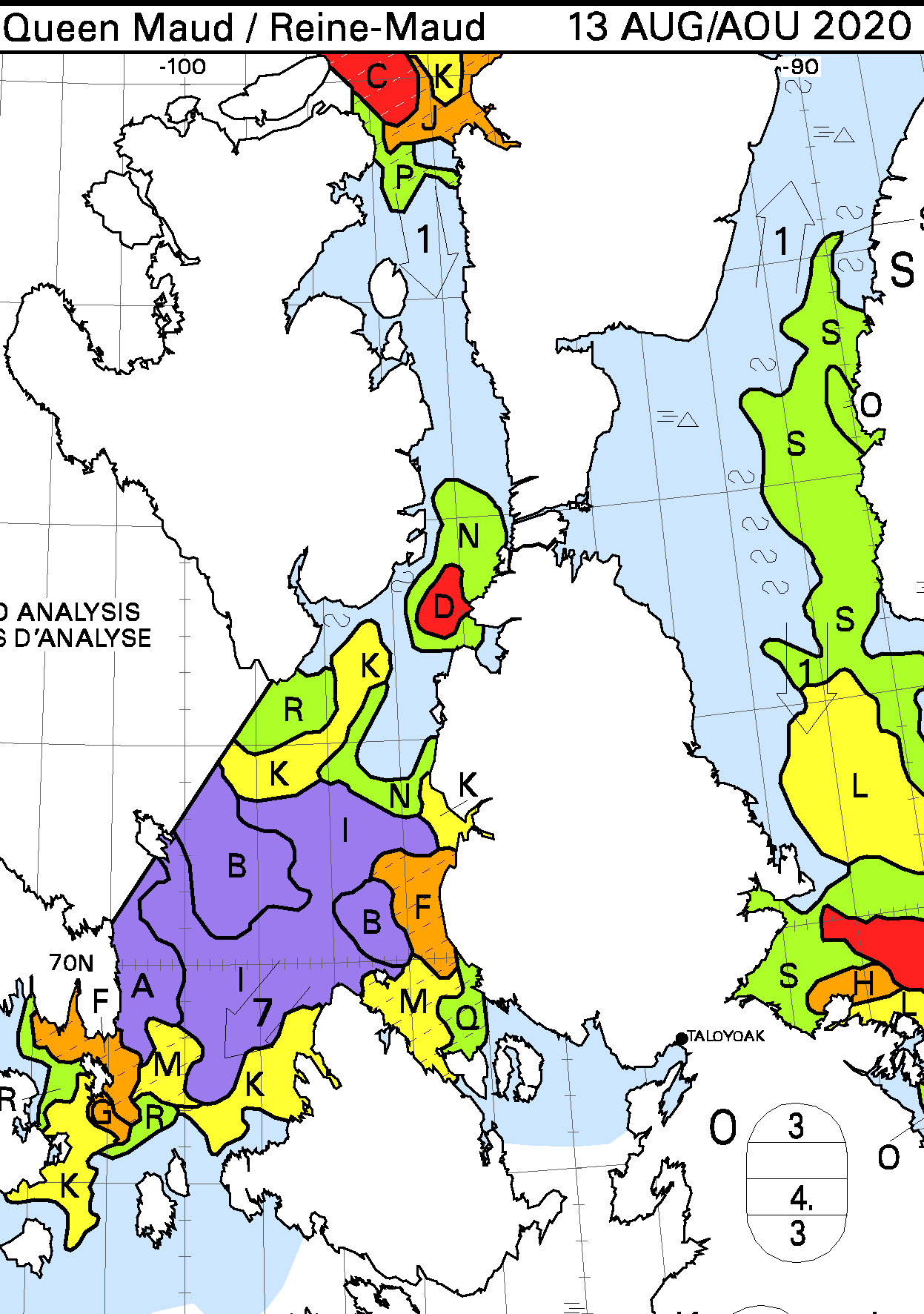
Whilst this is no doubt only temporary, the route along the coast of the Boothia Peninsula is now blocked by an area of 7-8/10 concentration ice:
[Edit – August 16th]

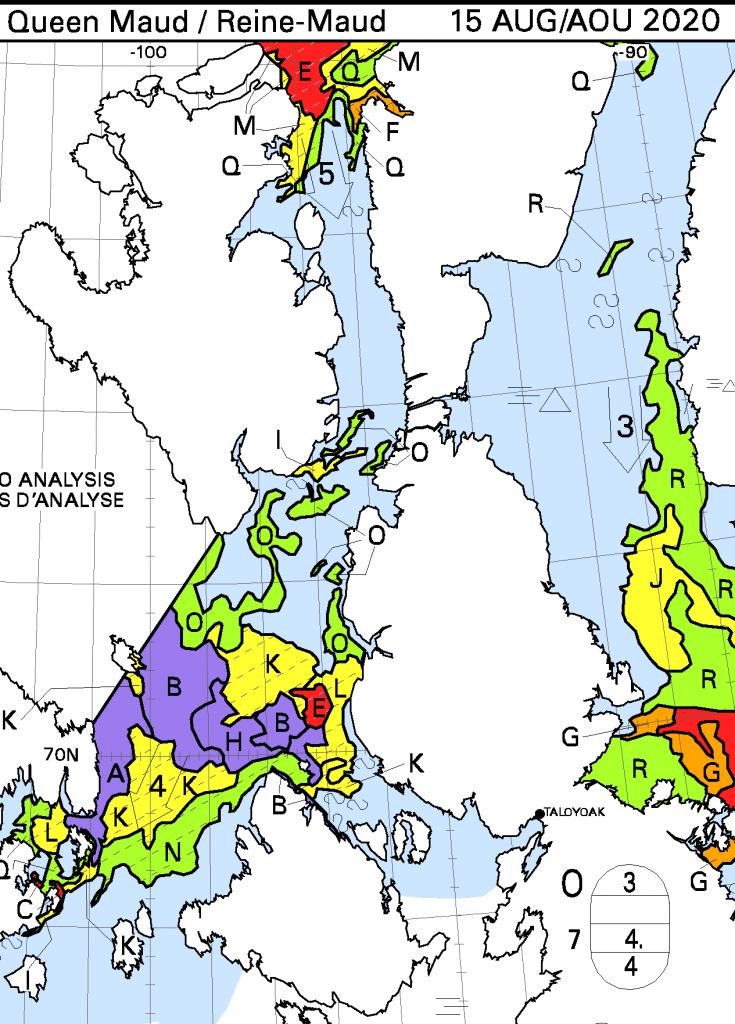
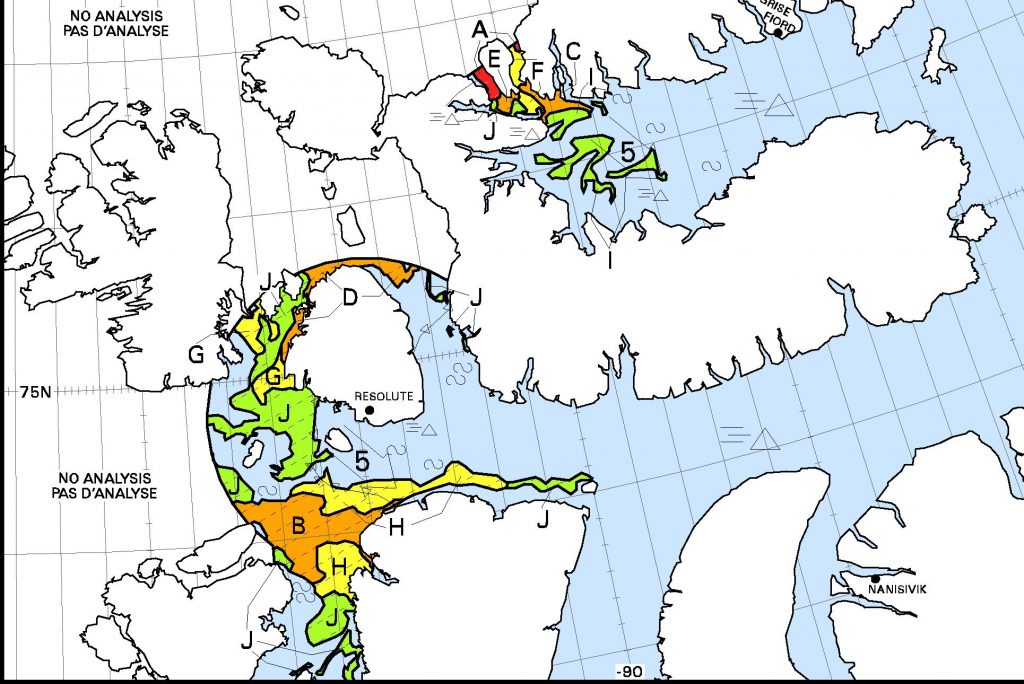
Route 6 is open once again, and it is also now possible to take a circuitous route around the north of both Somerset and King William Islands without encountering anything worse than 6/10 concentration ice:
[Edit – August 25th]

As one door opens, another one closes?
[Edit – August 27th]

Making one of my periodic visits to MarineTraffic I couldn’t help but notice a “pleasure craft” approaching Bellot Strait!
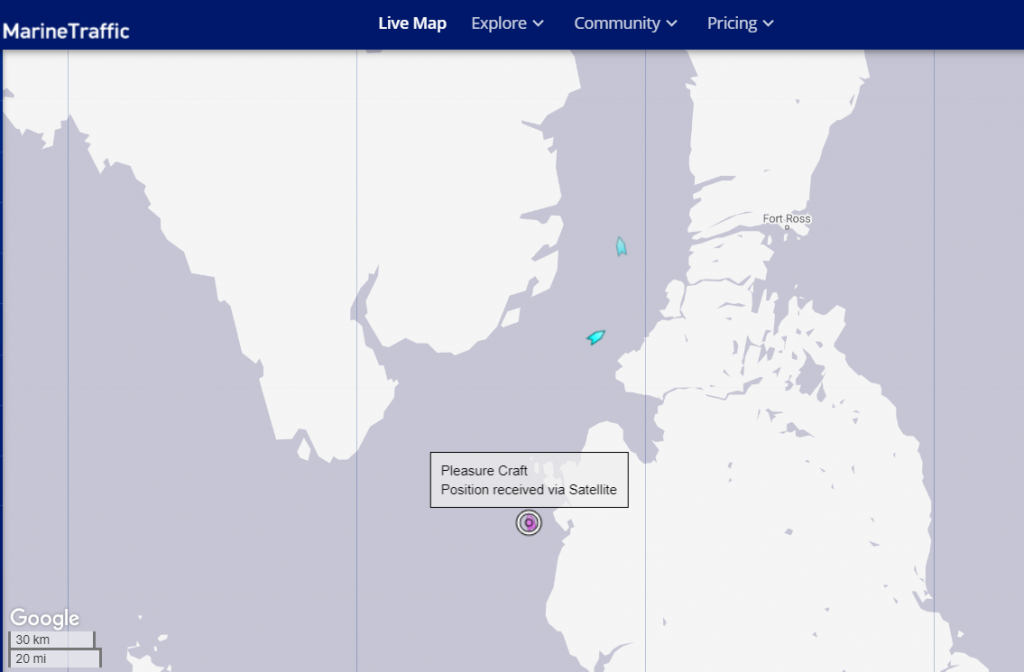
Firing up a search engine revealed this intriguing news on CBC:

According to the Canadian government, he has no business being there. But 72-year-old Peter Smith is sailing the Northwest Passage anyway, in violation of COVID-19-related orders prohibiting most foreign yachts from entering Canadian waters.

Since June 1, Transport Canada has prohibited pleasure craft from operating in Arctic waters “to better protect Arctic communities” from the spread of COVID-19.

But according to a Facebook post on Aug. 20, Bobby Klengenberg, a local observer with the Inuit Marine Monitoring Program, spotted Smith’s custom yacht, the Kiwi Roa, off the coast of Cambridge Bay, Nunavut. 

Transport Canada confirmed the sighting in an email to CBC News, and said the vessel was told “to depart Canadian waters and not make landfall.”

A spokesperson said the Canadian Coast Guard will “monitor the vessel’s transit out of the region.” If Smith is indeed found to have broken the law, they wrote, the agency “will not hesitate to take appropriate enforcement action,” including penalties of up to $5,000.

Watch this space!
Northabout Heads North Again

Regular readers may recall our coverage of the plucky little yacht Northabout’s circumnavigation of the Arctic in 2016? We are delighted to be able to inform you that (s)he is intent on heading back to the Northwest Passage once again next year, intending to travel from east to west this time around.

Meanwhile this year the plan is to visit the west coast of Greenland before returning to Jersey for the winter. Here’s how the news was announced on the local television channel here in South West England:

Northabout is the means of transport employed by Tobias Carter and Sophie Simonin of the Unu Mondo expedition as they attempt to “Enrich the Knowledge of the Arctic World with Scientific Projects” amongst other things:

Unu Mondo is a 4 months sailing expedition into the Arctic aimed to gather scientific data and testimonies from local communities to better anticipate climate change and promote concrete actions.

Leaving from Saint-Malo, France it will reach Greenland (2020) then Alaska through the famous Northwest Passage (2021), stopping on the road in the villages of the West coast of Greenland and will culminate in a documentary.

Unu Mondo team is composed of 2 skippers, a handful of scientists and a pinch of audiovisual professionals.

According to the timeline on the expedition web site Tobias and Sophie originally intended to set sail from France at the end of May. However plans seem to have changed, in part because Sophie recently tested positive for Covid-19. According to the Unu Mondo Facebook page Northabout actually set off for the Arctic from Roscoff on July 7th. Here’s the Unu Mondo Expedition’s latest bilingual video update, which amongst other things reveals Northabout’s somewhat cramped interior:

[Edit – July 14th]

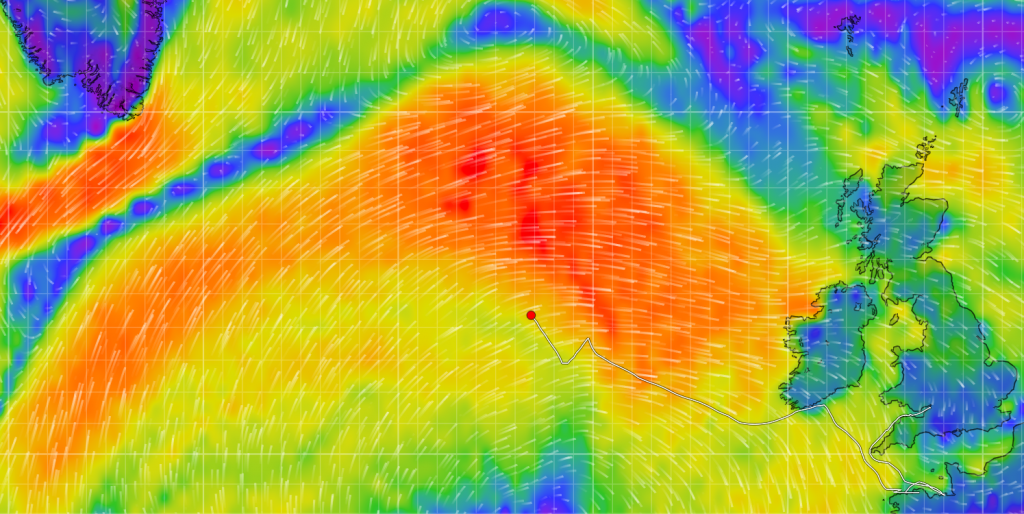
Currently Northabout has reached the middle of the North Atlantic, as revealed by the Unu Mondo live tracking map:

[Edit – July 21st]

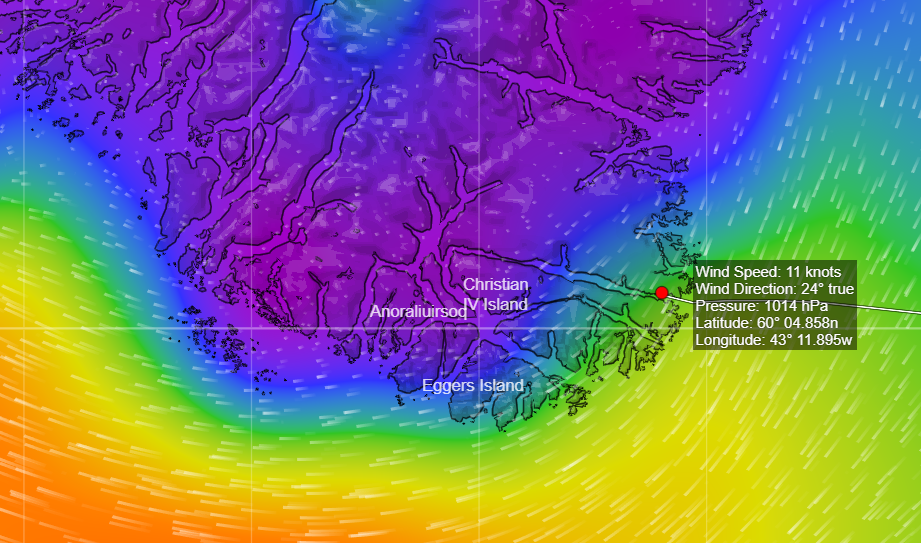
The Unu Mondo Expedition team have reached Prince Christian Sound, just north of Cape Farewell in Southern Greenland:

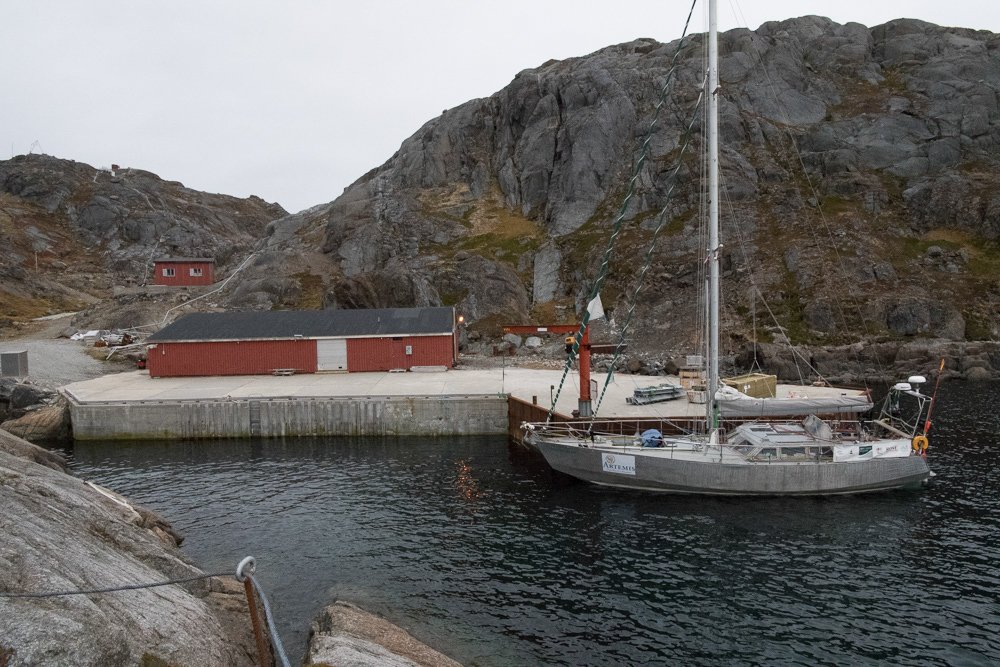
Northabout was last there in October 2016. Here’s what the scenery looks like:

When Northabout was still 400 nautical miles from Greenland the team released a Météo France drifting weather buoy into the North Atlantic:

Watch this space!
Facts About the Arctic in July 2020

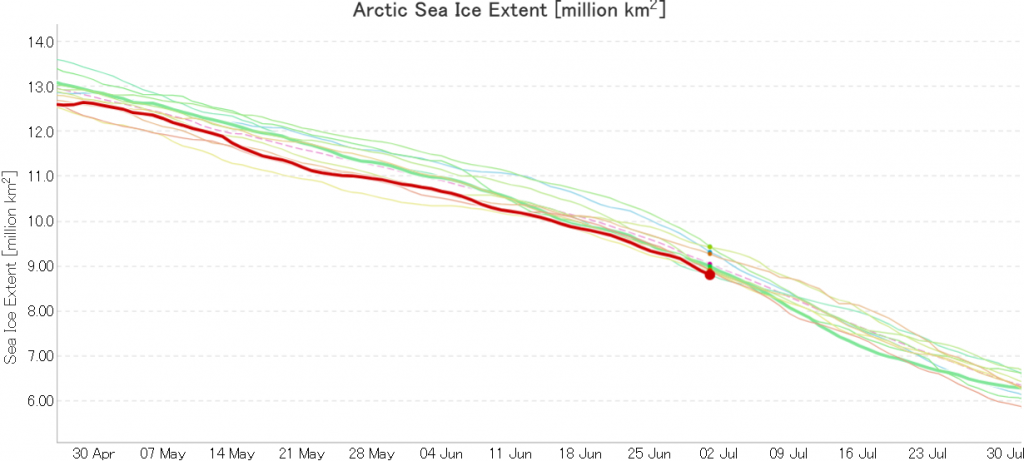
The new month starts with JAXA extent “lowest for the date in the satellite record” by a whisker:

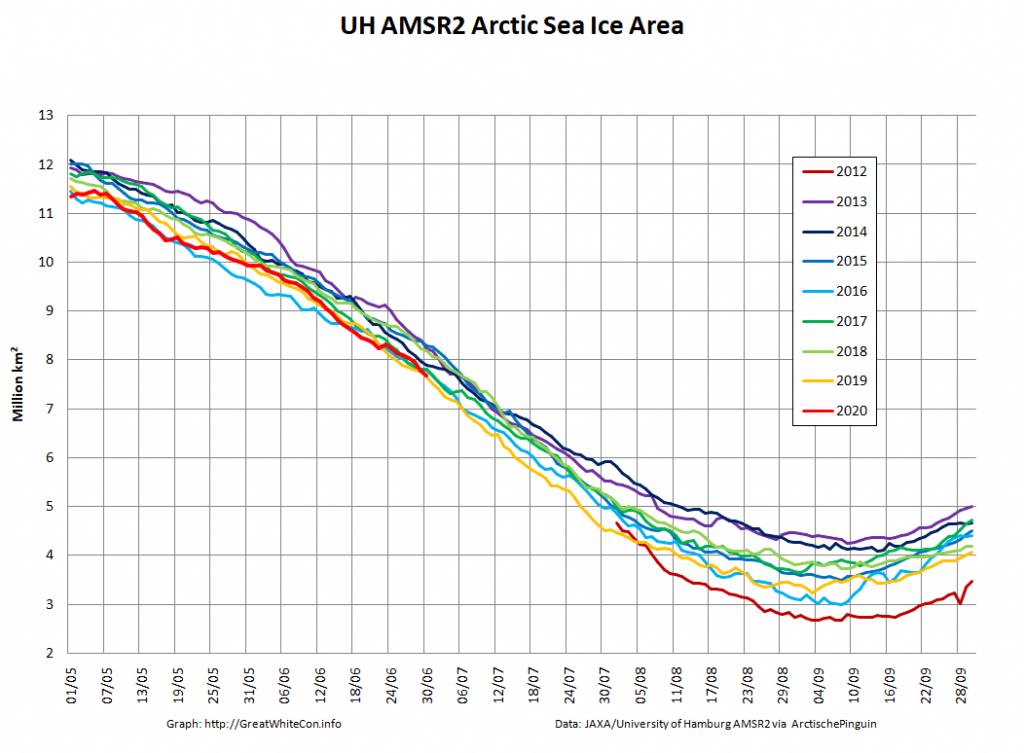
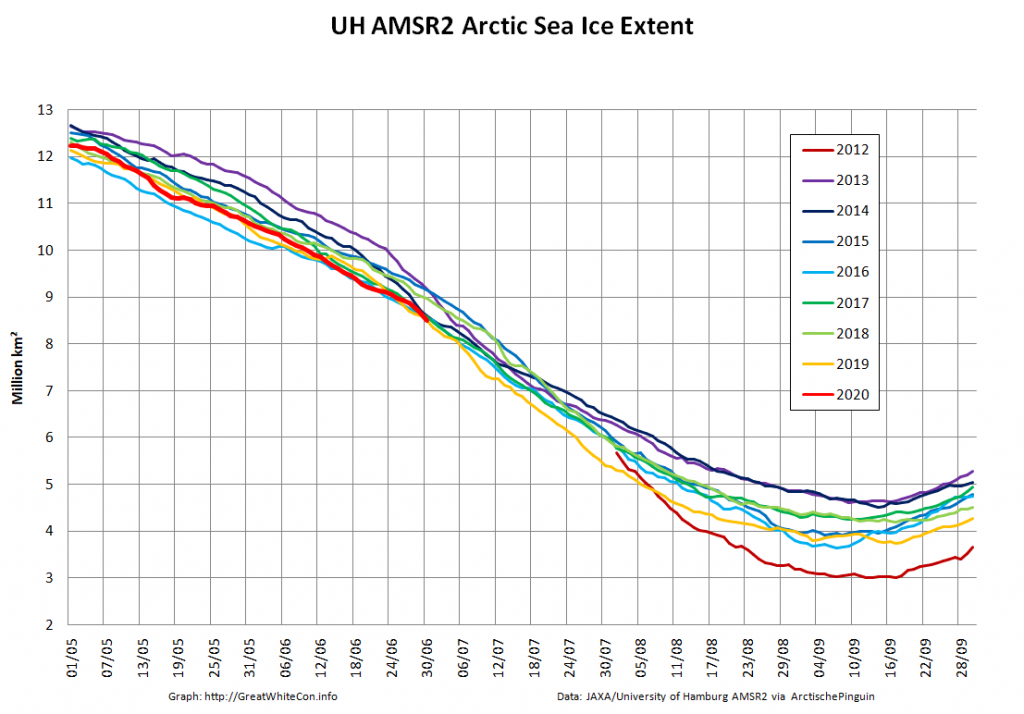
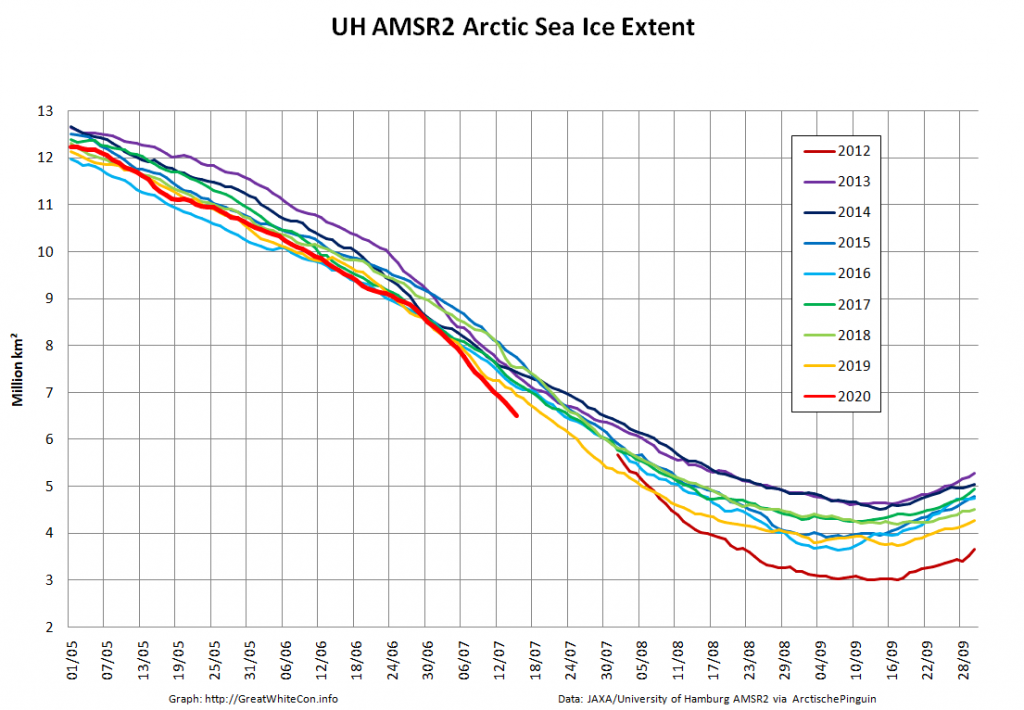
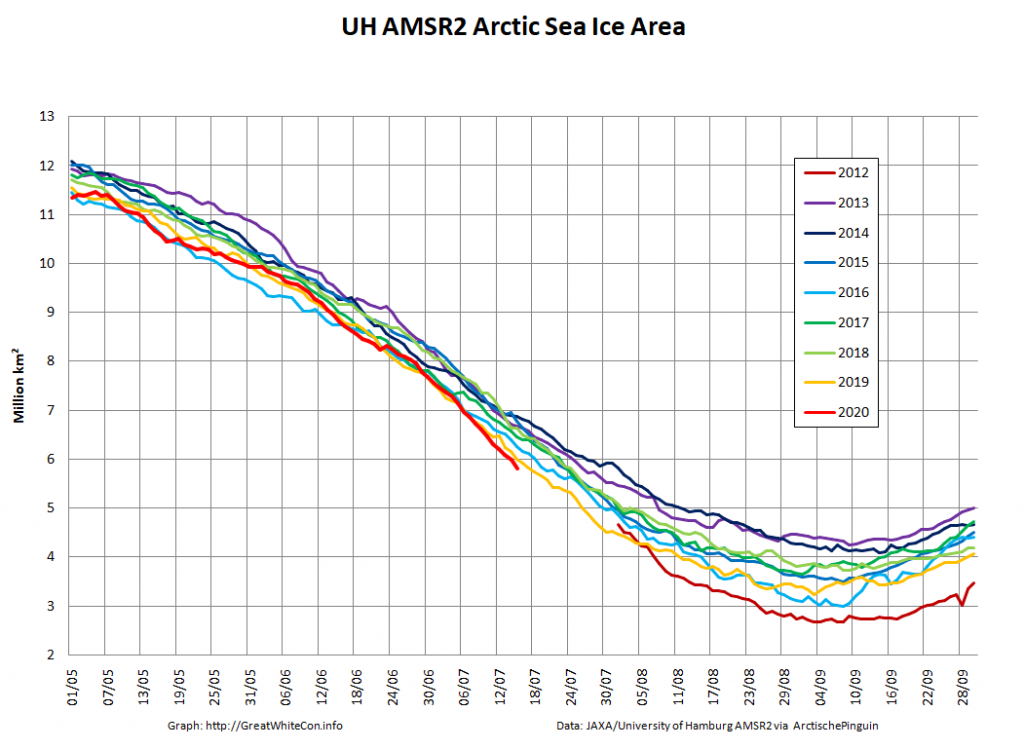
The high resolution Arctic sea ice area and extent graphs based on the University of Hamburg’s AMSR2 concentration data are also in “statistical ties” for that honour, in records going back to 2013:

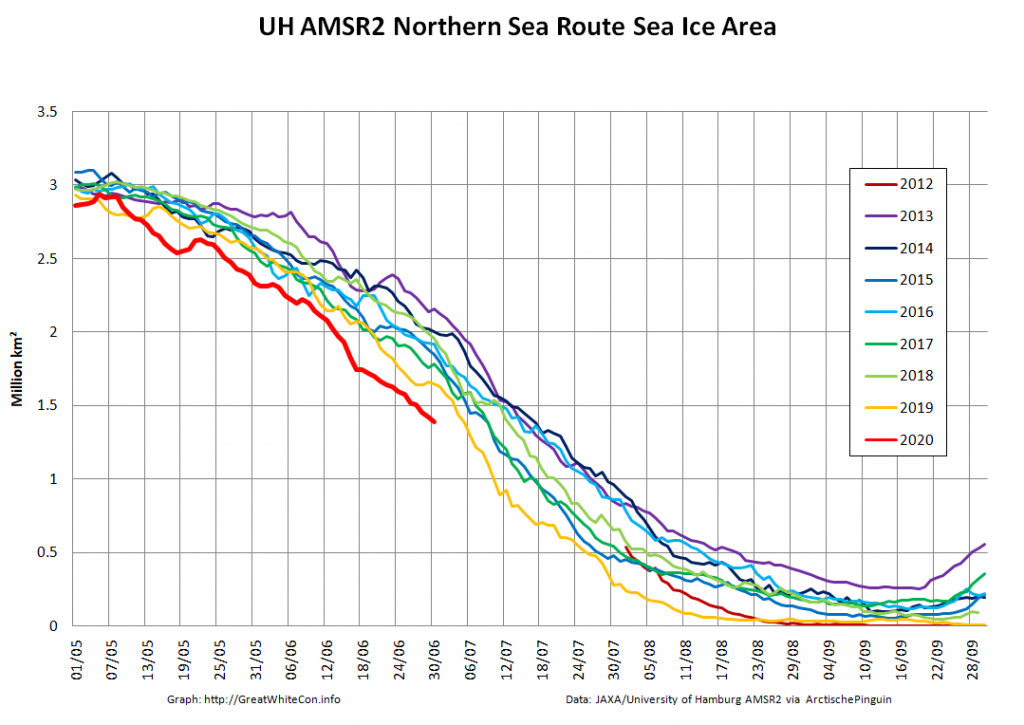
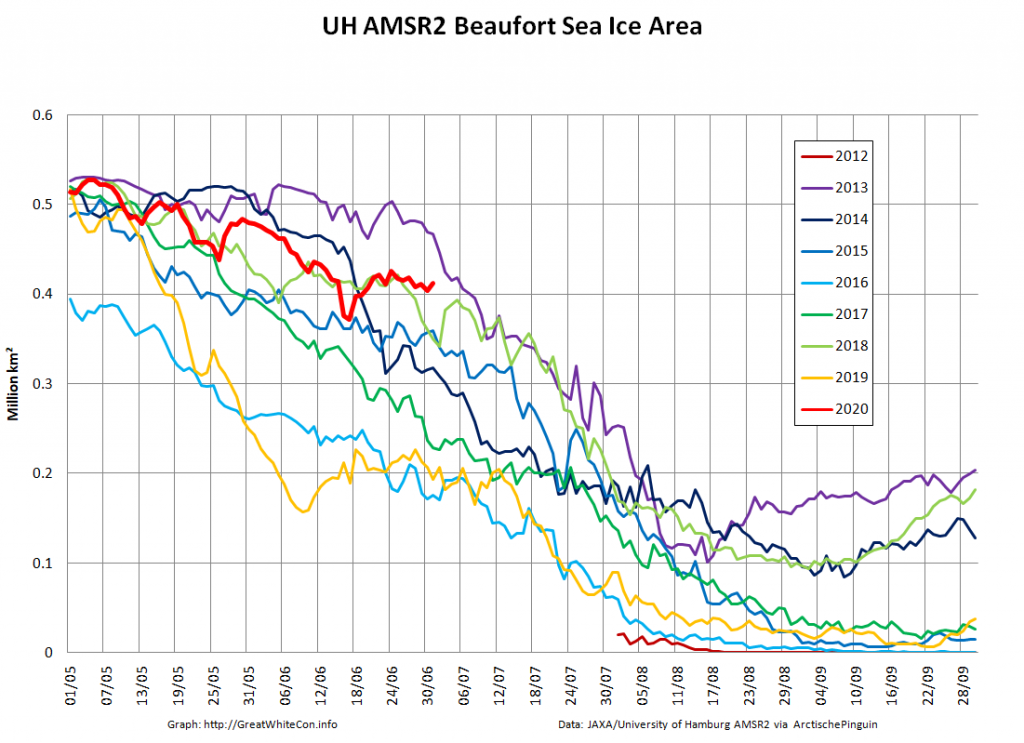
The 2020 melting season currently seems to be a game of two (geographical) halves. The sea ice on the Siberian side of the Arctic is currently at record lows:

Whereas the Beaufort Sea is near a record high:

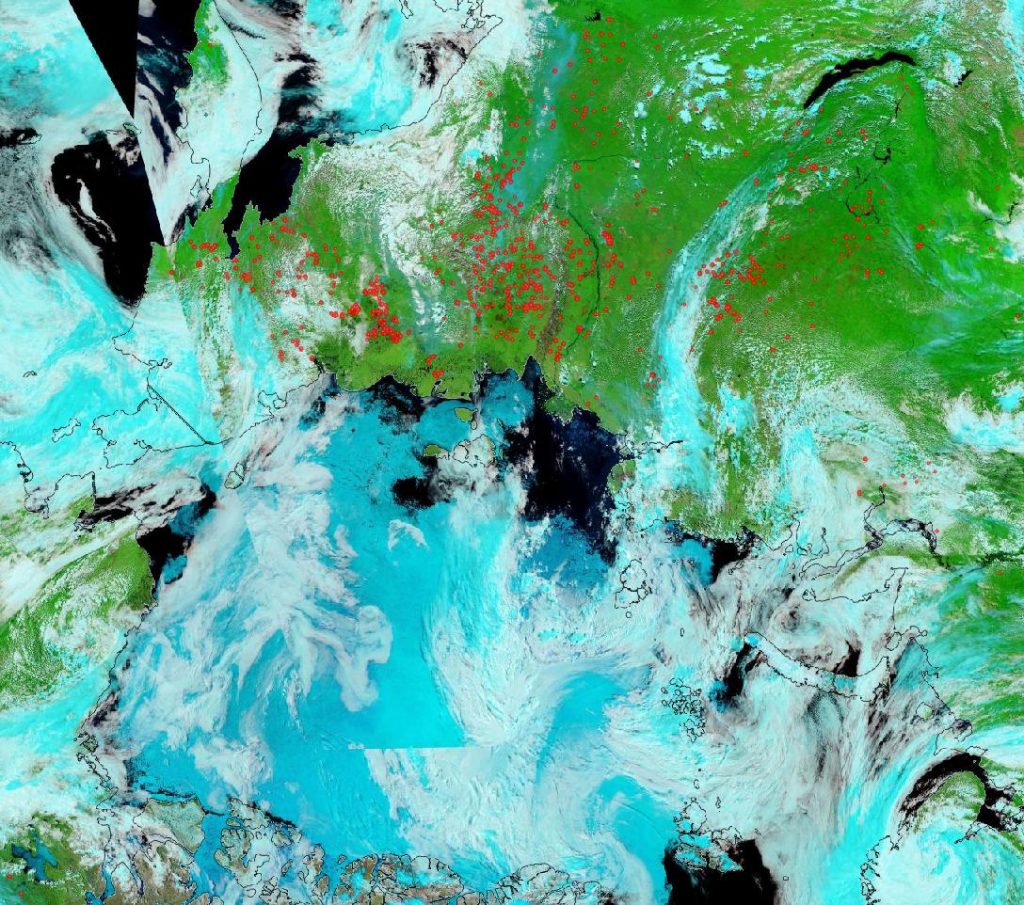
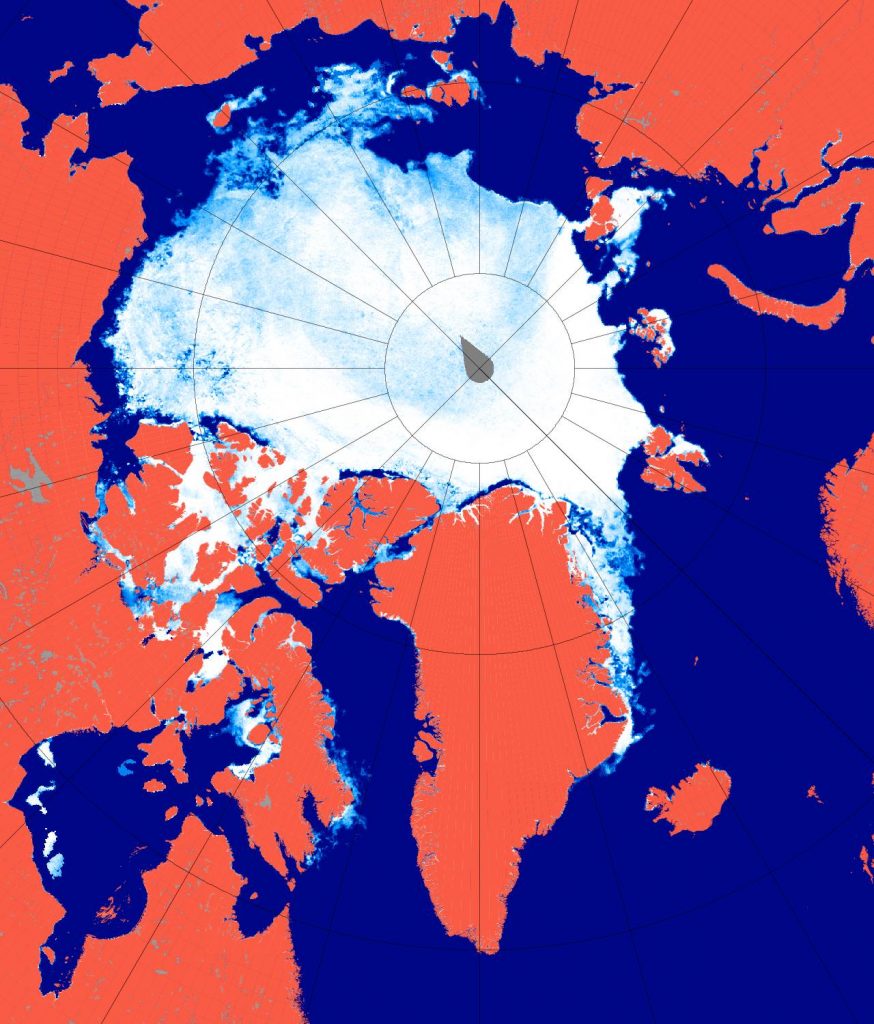
Currently the tell tale signs of surface melt are visible across most of the central Arctic, as are the large number of wildfires across Arctic Siberia:

NASA Worldview “false-color” image of the Arctic on July 1st 2020, derived from the MODIS sensor on the Terra satellite

[Edit – July 4th]

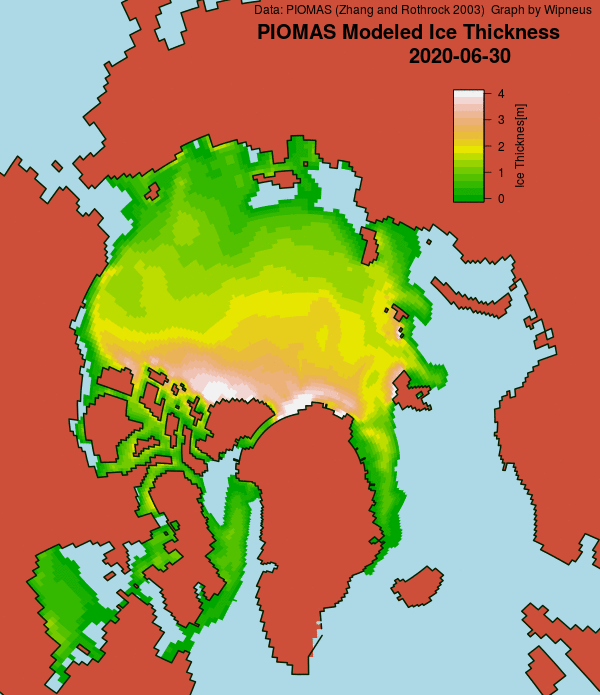
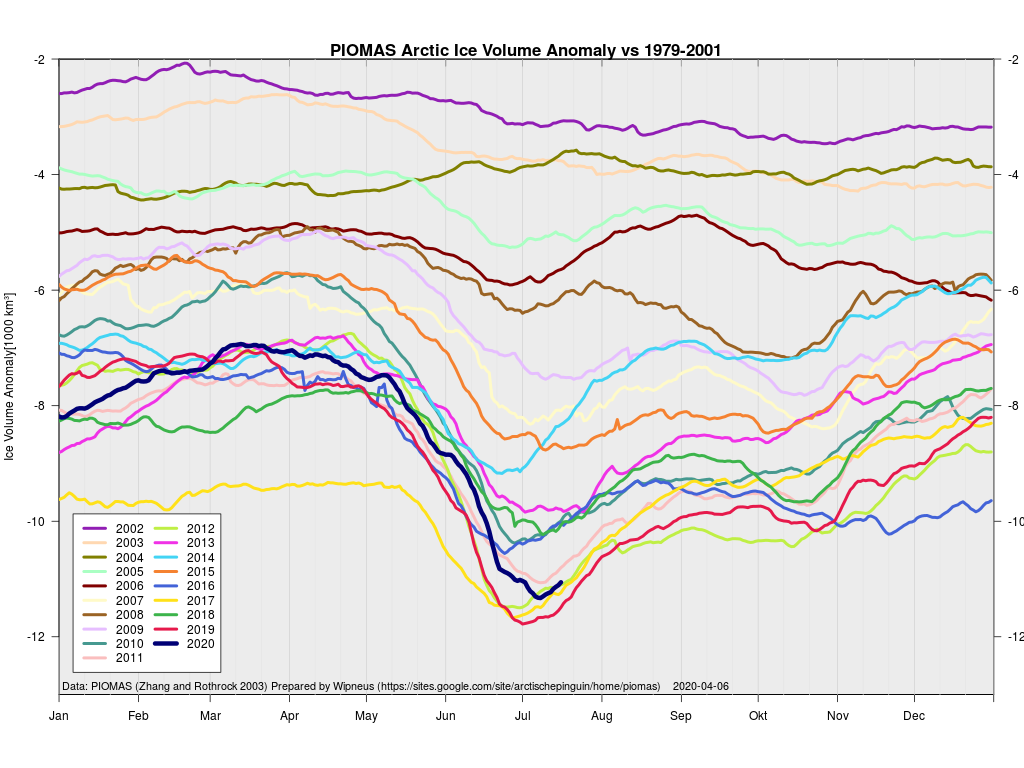
The June 30th PIOMAS gridded thickness numbers have been released, and here are the results of Wipneus’s number crunching:

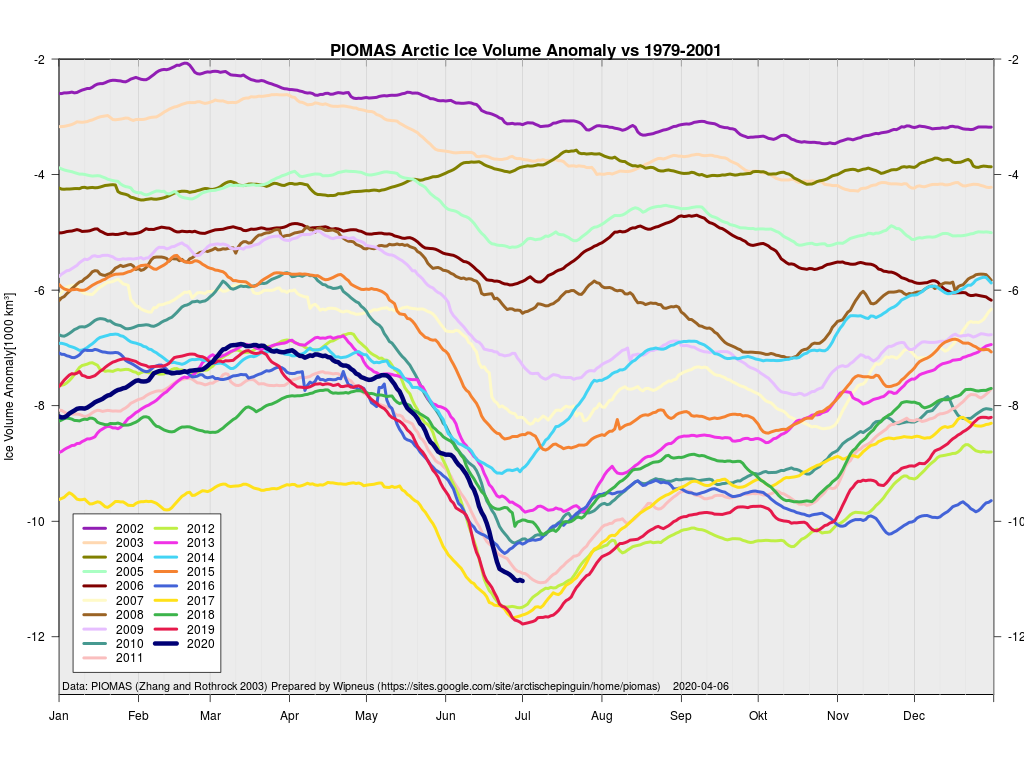
This month including a visualisation of the increasing negative anomaly:

[Edit – July 6th]

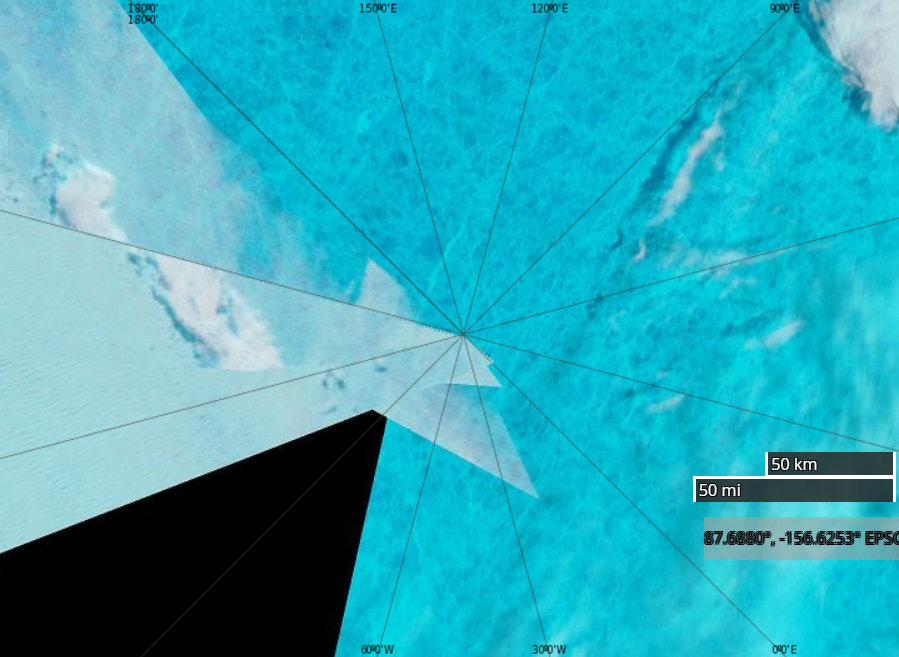
A break in the clouds over the North Pole reveals the onset of surface melt:

NASA Worldview “false-color” image of the North Pole on July 6th 2020, derived from the MODIS sensor on the Terra satellite

[Edit – July 8th]

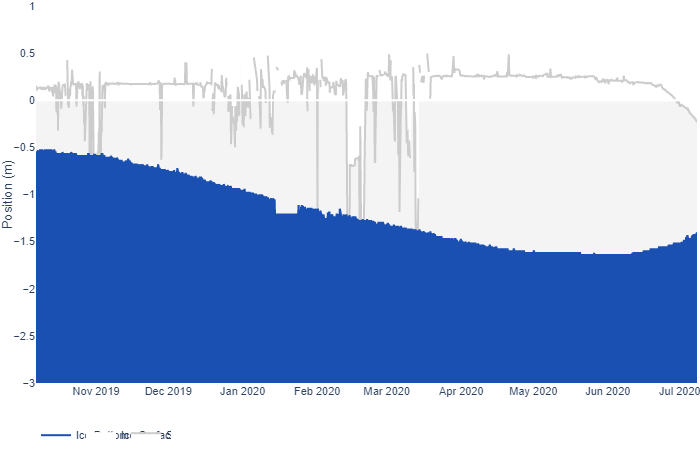
After a brief hiatus there are once again some ice mass balance buoys installed at assorted locations across the Arctic. Some have ceased to function, but one of the buoys installed as part of the MOSAiC expedition is still sending back data as it heads towards the Fram Strait. Buoy 387850 is currently located at 81.66 N, 4.19 E. Here’s its ice mass balance plot:

As you can see, both surface and bottom melt are well under way, with just over a meter of ice still remaining.

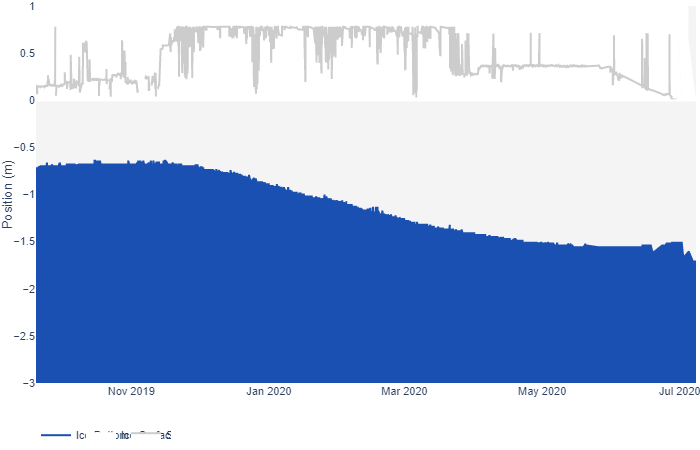
Now let’s take a look at buoy 386840, currently located at 74.30 N, 132.60 W in the Beaufort Sea:

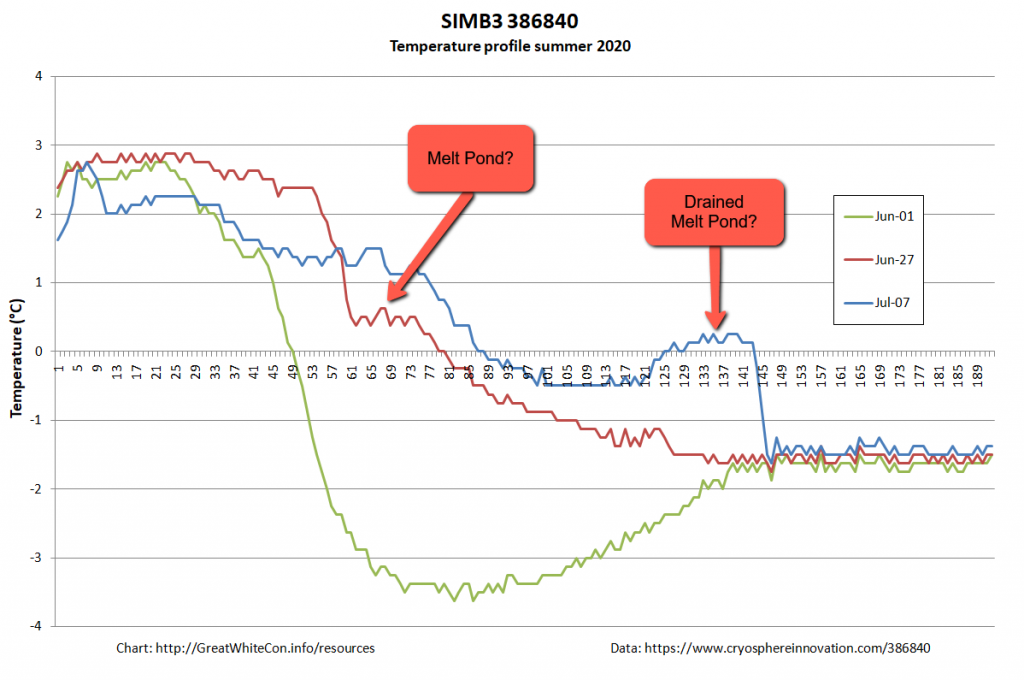
It looks as though the ice thickness has increased, but surely that can’t be right at this time of year? To try and find out I downloaded the raw data and plotted the temperature readings from the buoy’s thermistor string:

It looks to me as though the ice floe carrying the buoy is currently floating on some warm fresh water from a recently drained melt pond, which is confusing the sensor designed to measure the position of the bottom of the ice. There certainly seems to be far less than the claimed “1.653 m snow and ice thickness” still remaining to be melted!

[Edit – July 15th]

A very unusual image. Hardly a cloud in the sky over the North Pole yesterday:

NASA Worldview “false-color” image of the North Pole on July 14th 2020, derived from the MODIS sensor on the Terra satellite

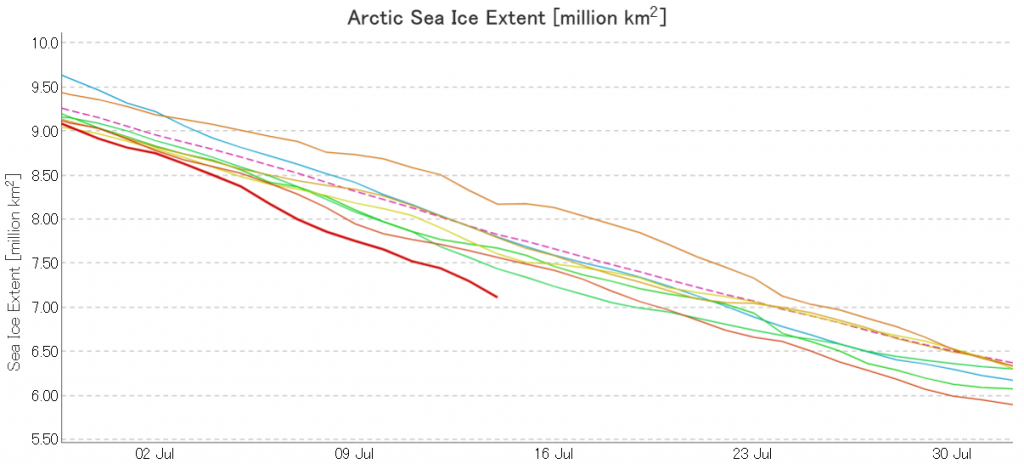
The July 2020 extent “plummet” shows no signs of ending just yet. Here’s the JAXA/ViSHOP version:

[Edit – July 17th]

JAXA AMSR2 extent is now below 7 million km², and the high resolution version is lower still:

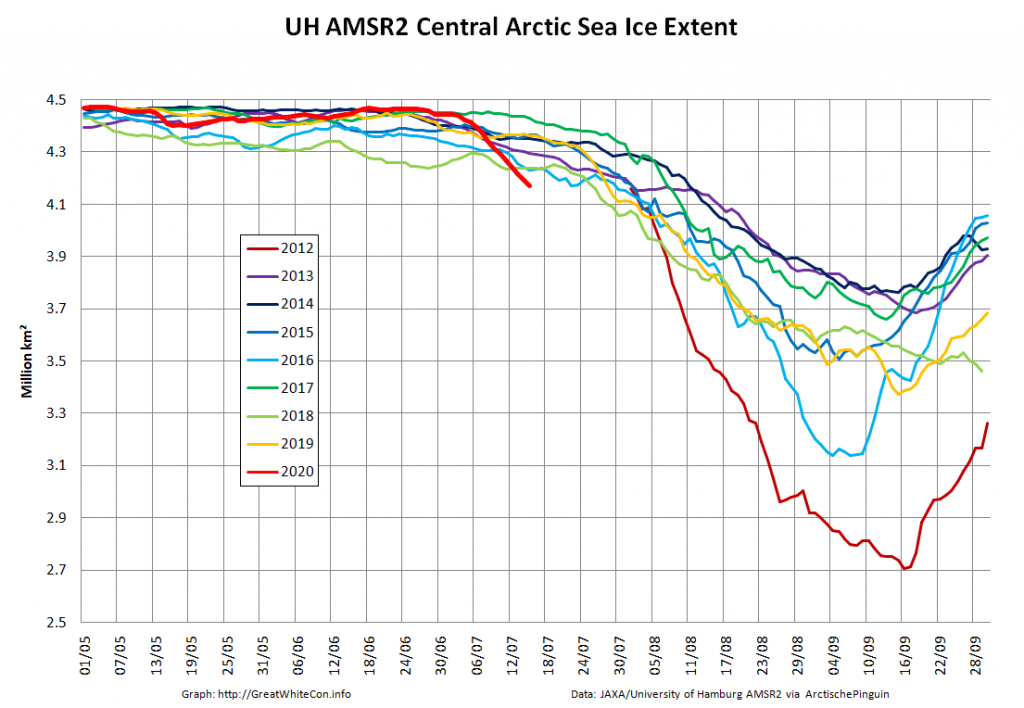
As the “Laptev Bite” and the Atlantic periphery of open water extends further towards the North Pole, Central Arctic Basin extent is now also at record lows for the date in the AMSR2 record:

[Edit – July 19th]

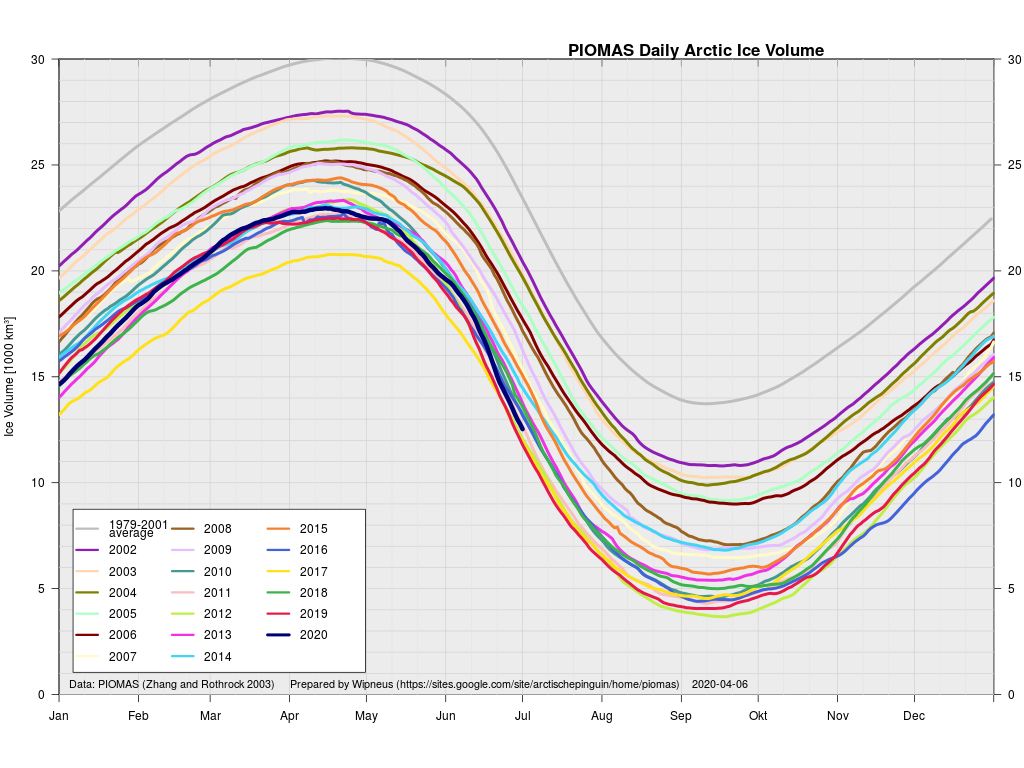
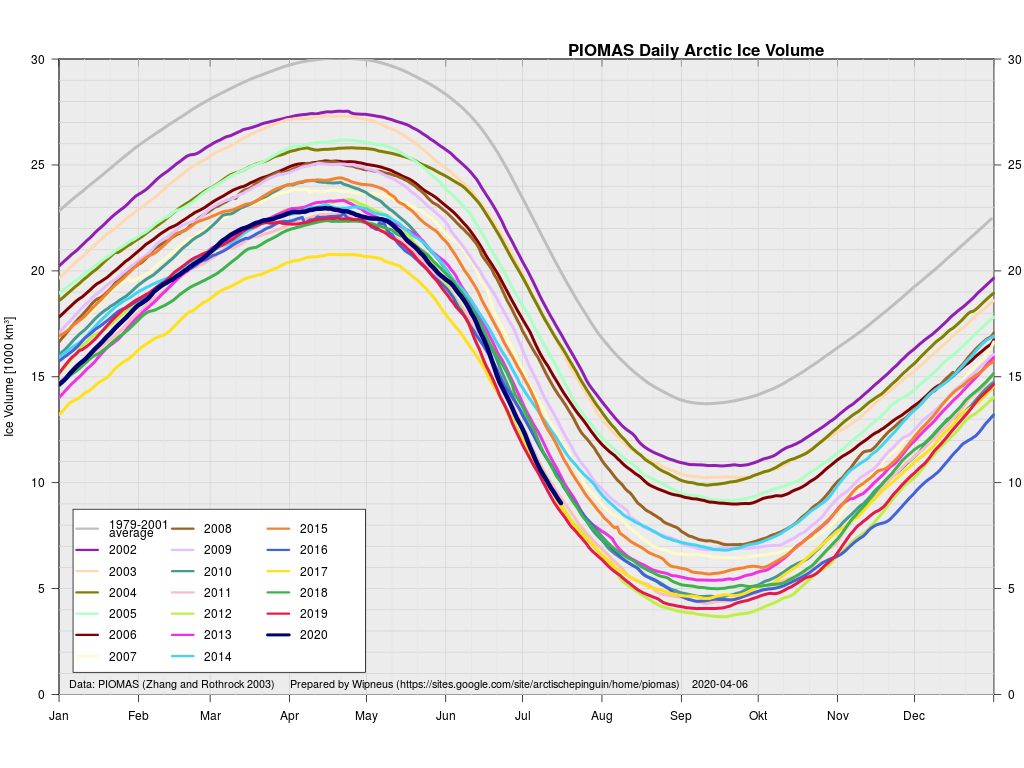
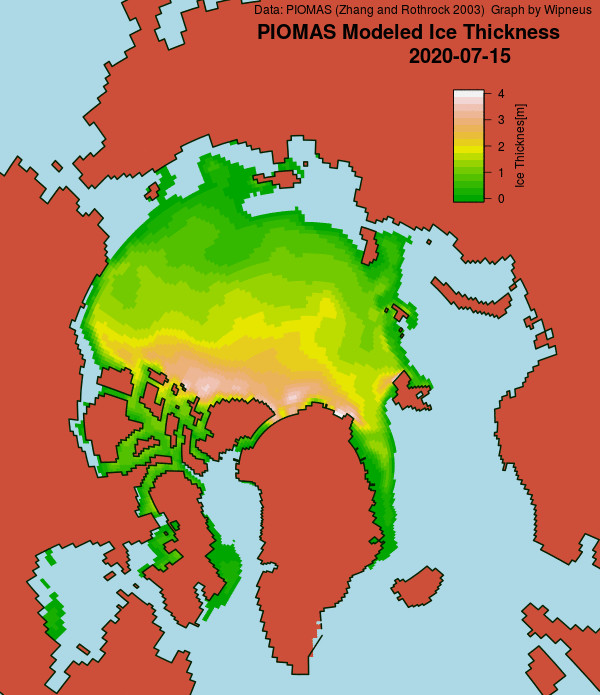
Wipneus has crunched the mid month PIOMAS gridded thickness numbers, and here are the results:

Extent is currently lowest in the satellite era by a long way, but modelled volume is only fourth lowest!

Watch this space!
[Edit – July 21th]

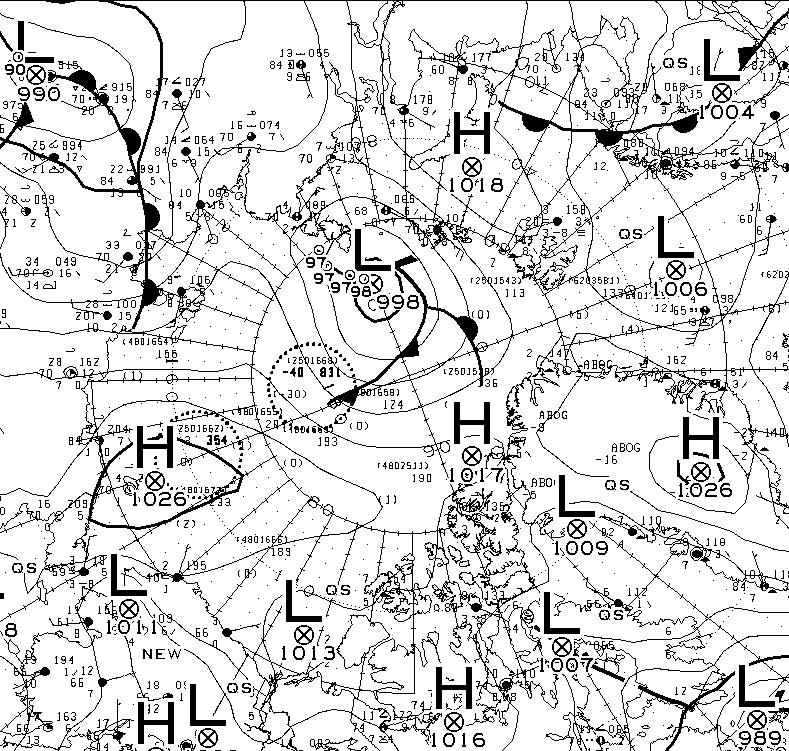
At long last there’s a sub 1000 hPa MSLP low pressure area slowly wending its way across the central Arctic:

It seems to have bottomed out at 997 hPa. Perhaps this will inhibit the ongoing “plummet” in extent? JAXA extent fell by 114,342 km2 yesterday.

[Edit – July 23rd]

The Northern Sea Route has opened unusually early this year:

Based on the AMSR2 concentration maps from the University of Hamburg that happened on July 13th. The final choke point, as is so often the case, was the Vilkitsky Strait. According to the charts from the Russian Arctic and Antarctic Research Institute, by the 14th there was a narrow way through occupied by no more than 3/10 concentration ice:

[Edit – July 25th]

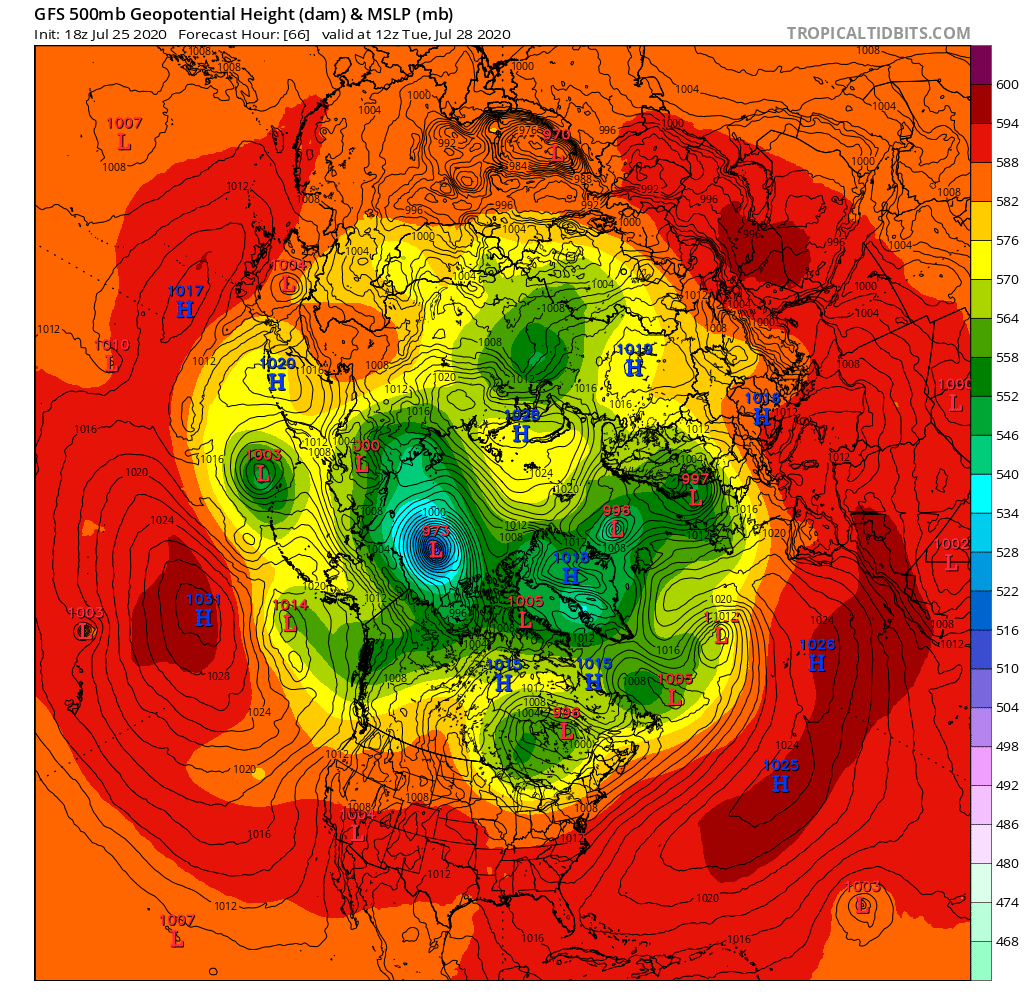
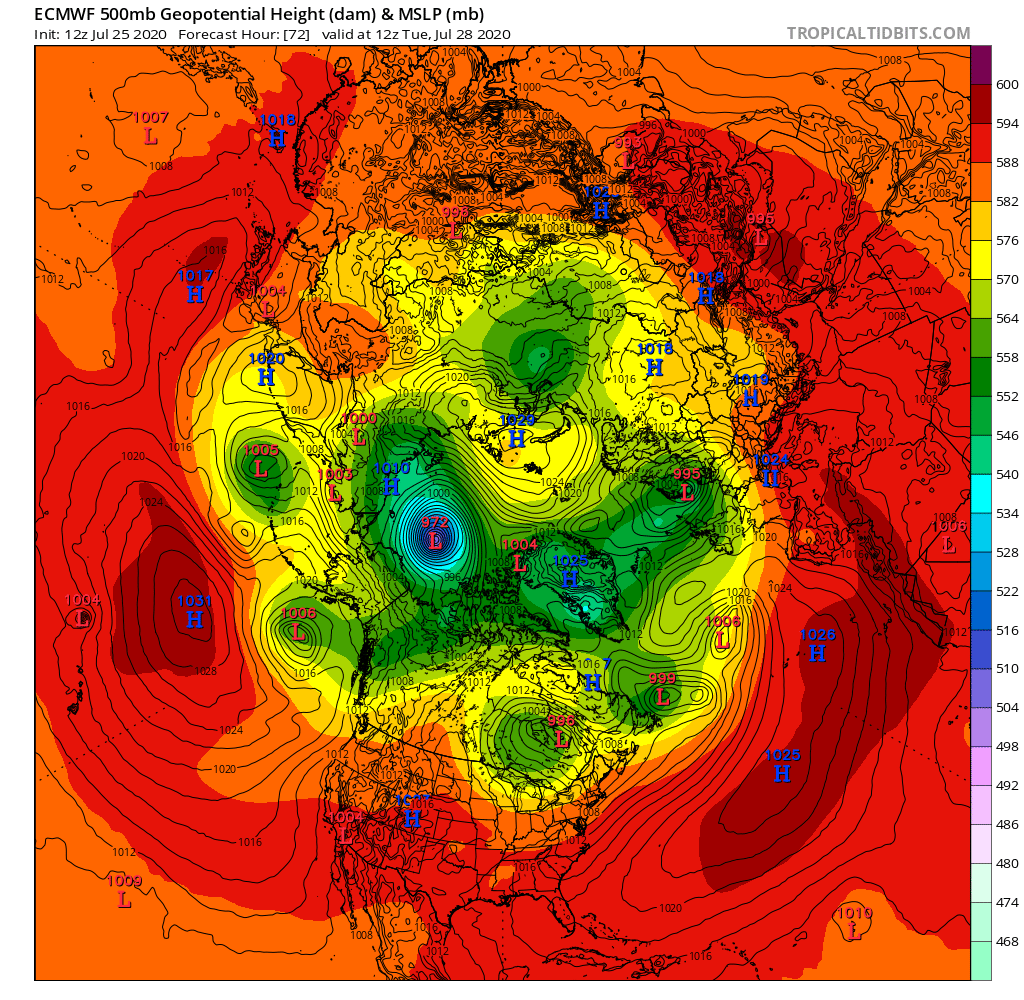
A mere three days away, and the GFS and ECMWF forecasts are in agreement, so there is a decent chance this setup will materialise in the real world:

Graphics via Tropical Tidbits

A 972(ish) hPa MSLP cyclone sitting over the ice Beaufort Sea by 12Z on Tuesday.

[Edit – July 27th]

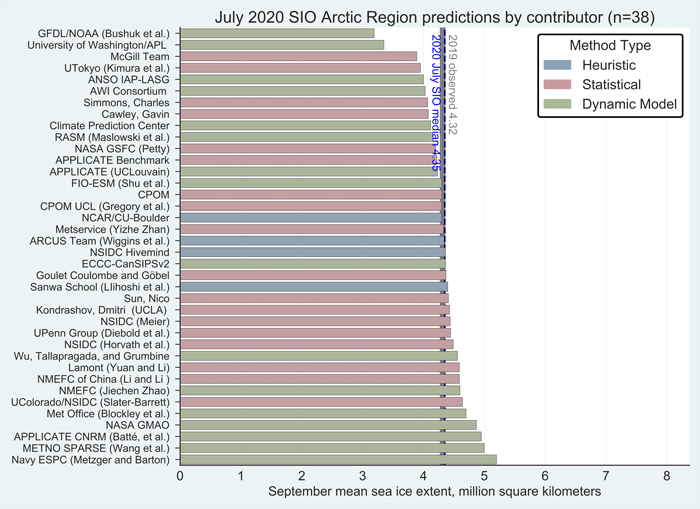
The Sea Ice Prediction Network July forecast for this year’s September minimum extent have been released. Here’s the graphical overview:

This year’s median projected value from the July forecasts of 4.3 million square kilometers is essentially identical to the median from the June forecasts. Quartiles are 4.1 and 4.6 million square kilometers. As was also the case for June, only two projections, both by dynamic models, are for a new record low, below the mark of 3.57 million square kilometers set in 2012. One dynamical model predicts the September sea-ice extent above 5.0 million square kilometers, compared to two in the June report.

Note that the numbers quoted are for the average NSIDC extent across the month of September, not the lowest daily JAXA extent, which I suggested earlier would be “below 4 million km²” this year.

Meanwhile over on Twitter this evening (UTC):

[Edit – July 28th]

The MSLP of the (Great?) Arctic cyclone sank below 970 hPa overnight:

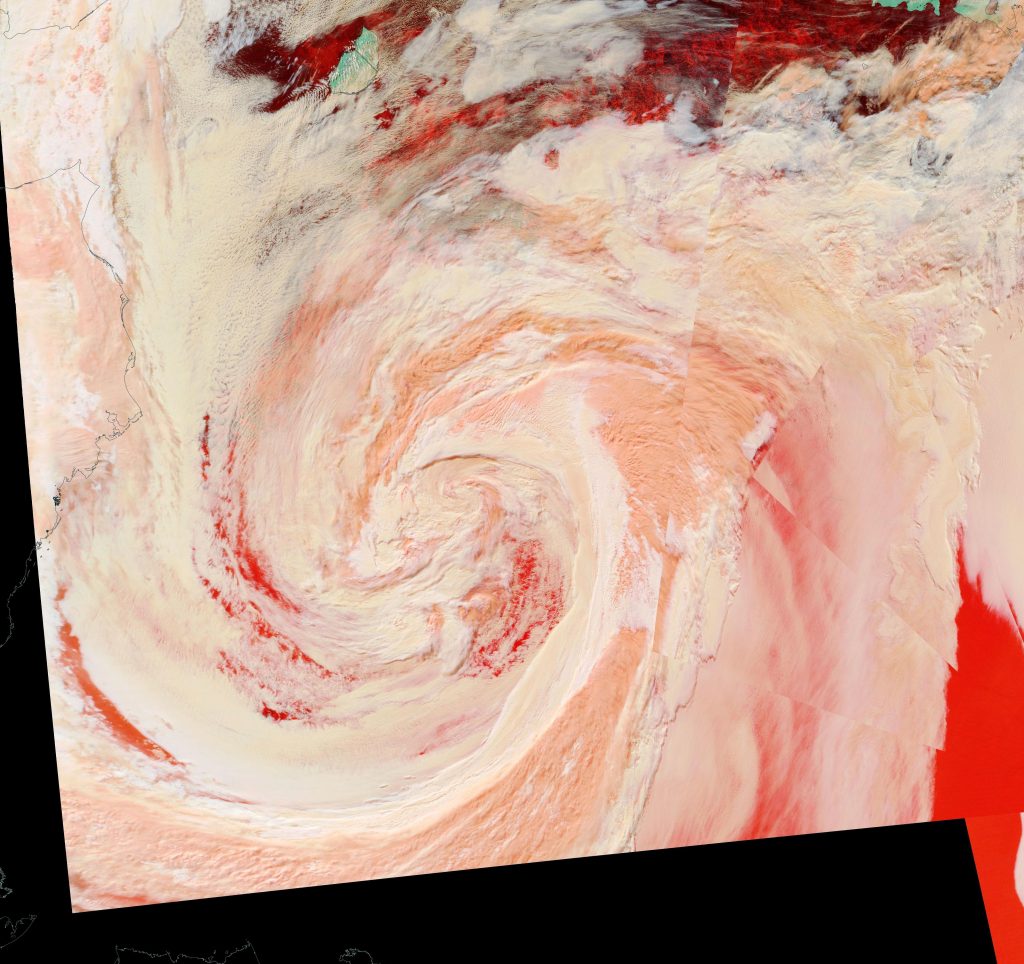
Here’s an early false colour snapshot of how (s)he looks from on high this afternoon (UTC), courtesy of the MODIS instrument on the Terra satellite:

[Edit – July 29th]

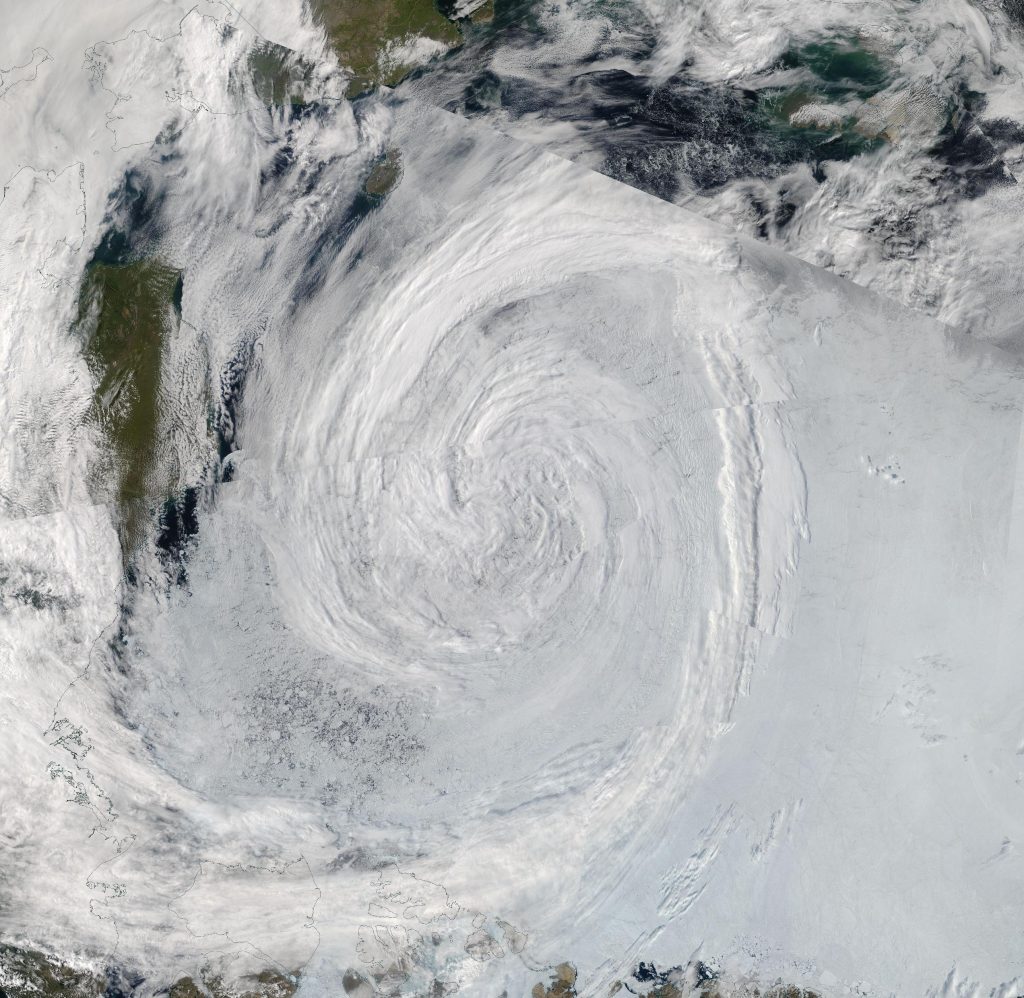
First up today we have a more complete “true colour” image of the cyclone doing its worst yesterday, including a fairly clear view in the bottom left corner of the initial damage to the sea ice covering the eastern Beaufort Sea. This one is from the Aqua satellite:

Watch this space!