Tag Archives: MOSAiC

Facts About the Arctic in July 2020

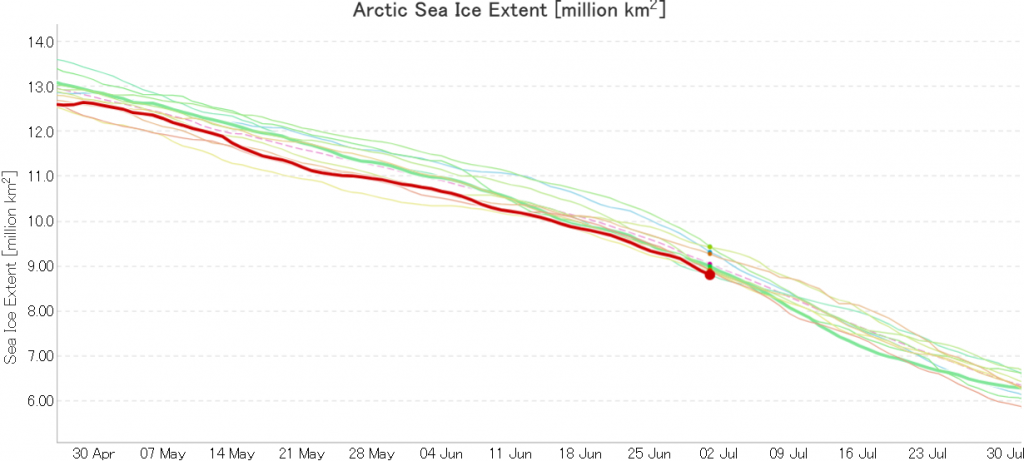
The new month starts with JAXA extent “lowest for the date in the satellite record” by a whisker:
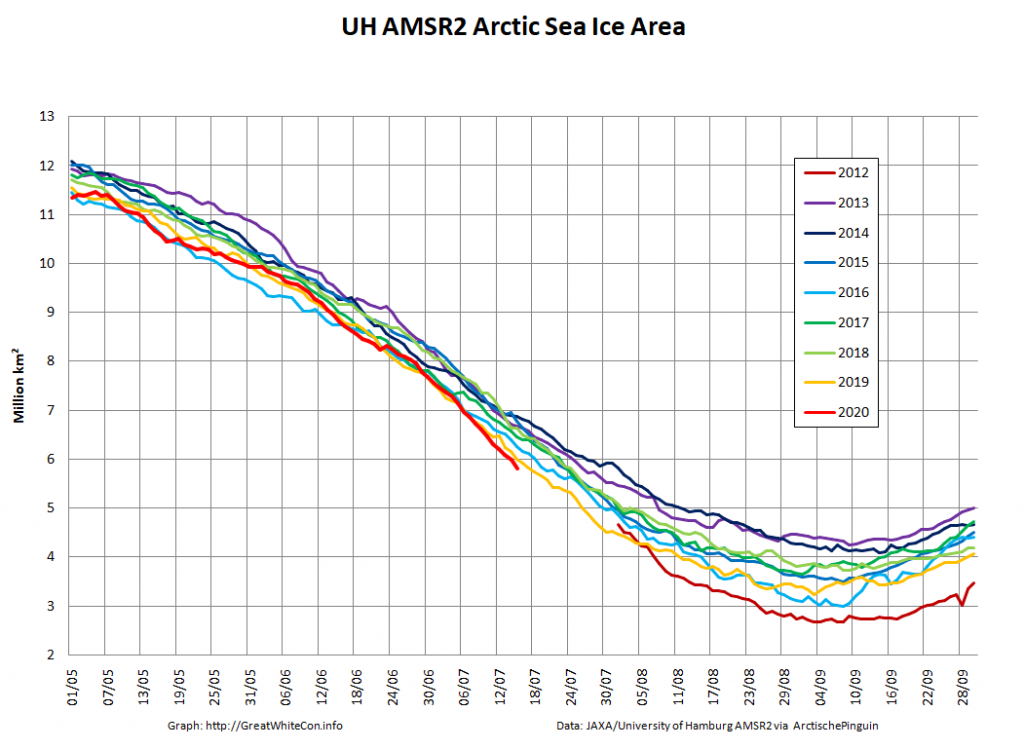
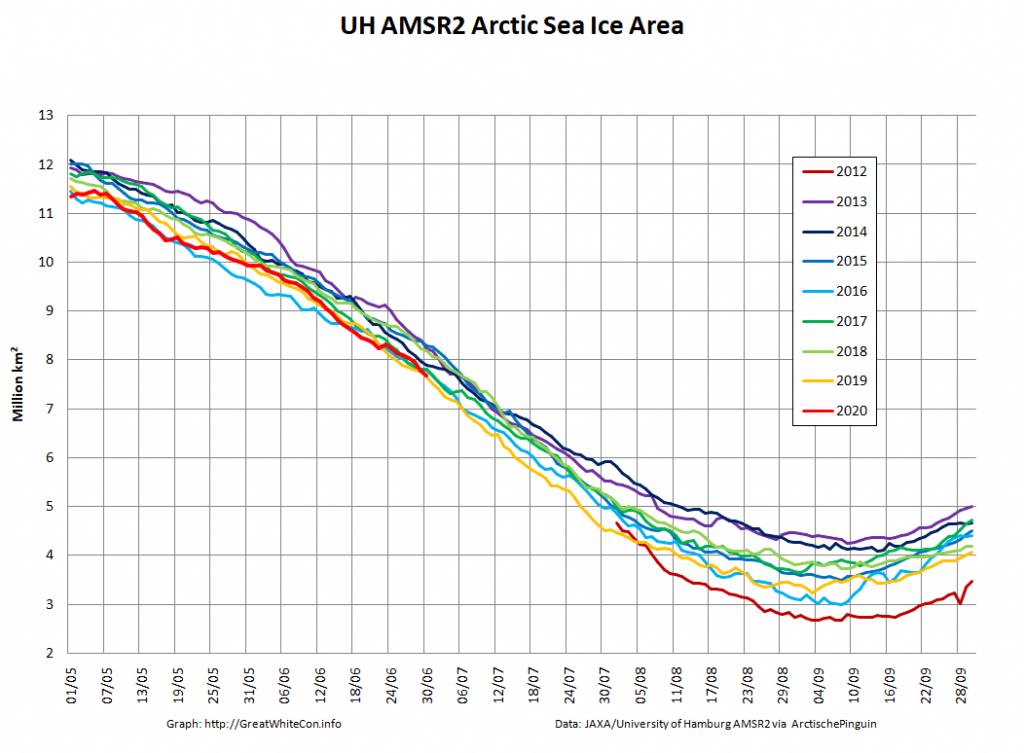
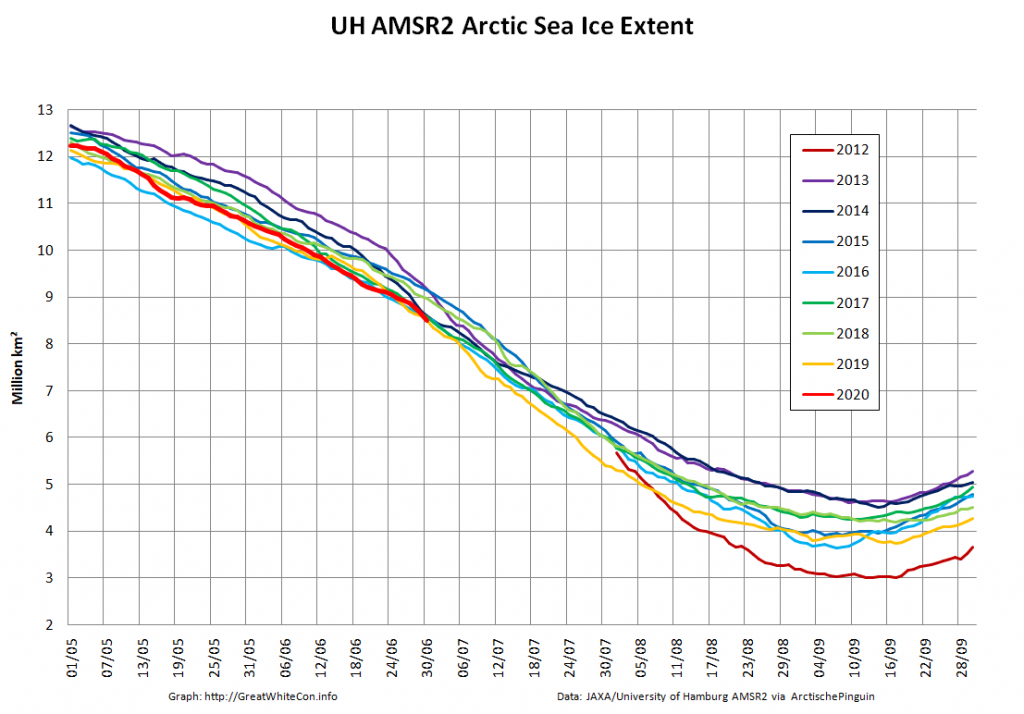
The high resolution Arctic sea ice area and extent graphs based on the University of Hamburg’s AMSR2 concentration data are also in “statistical ties” for that honour, in records going back to 2013:
The 2020 melting season currently seems to be a game of two (geographical) halves. The sea ice on the Siberian side of the Arctic is currently at record lows:
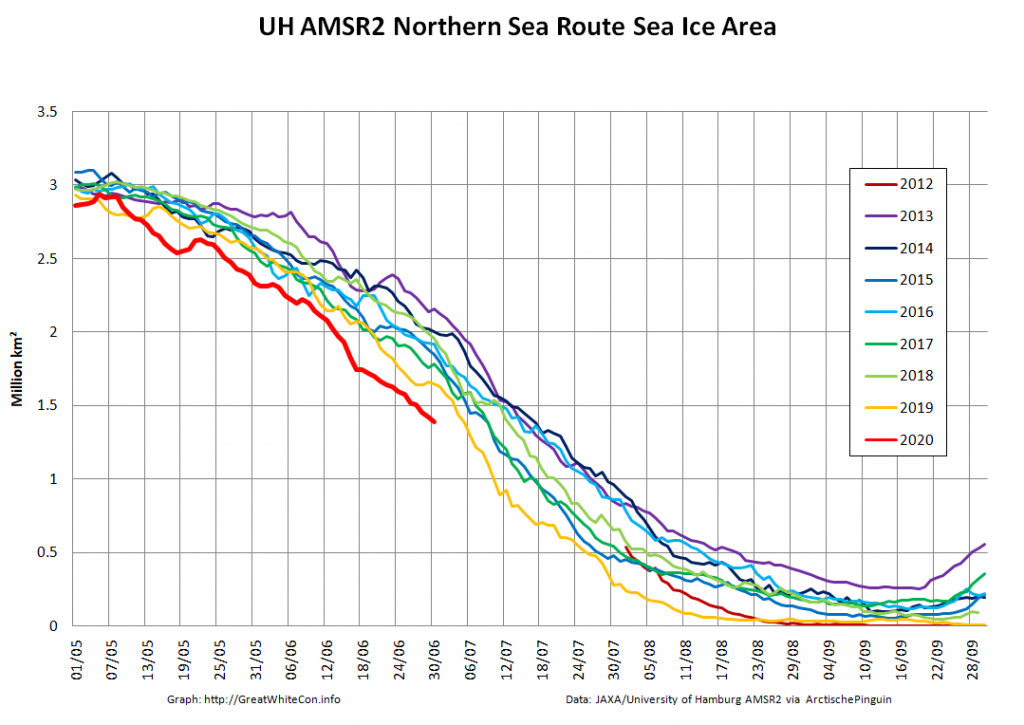
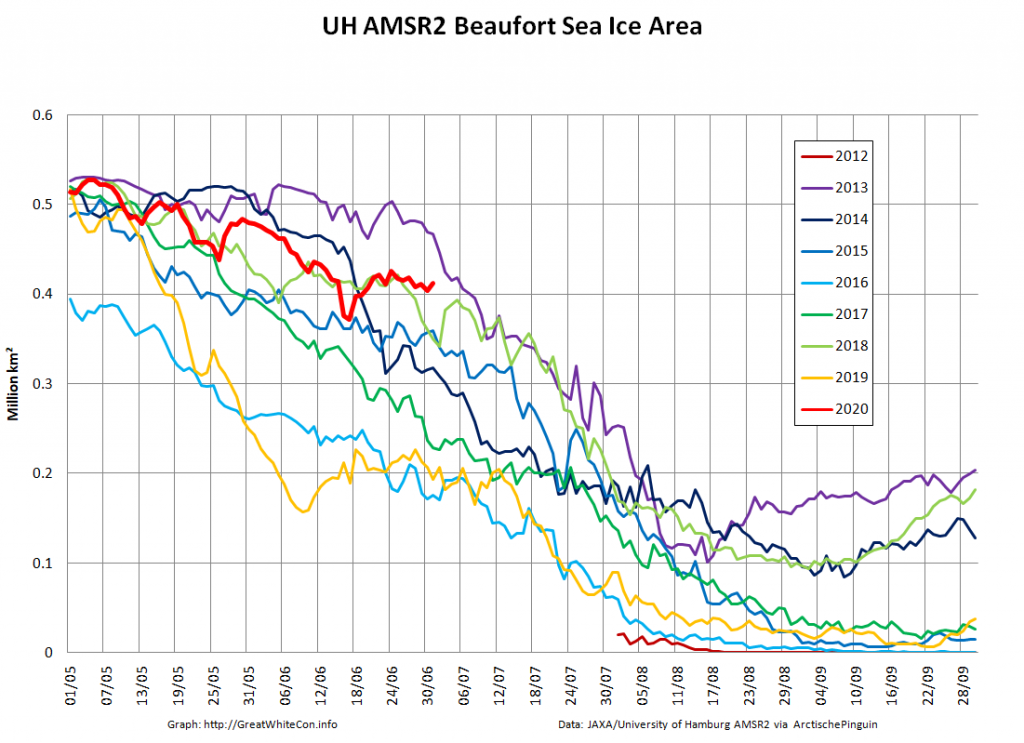
Whereas the Beaufort Sea is near a record high:
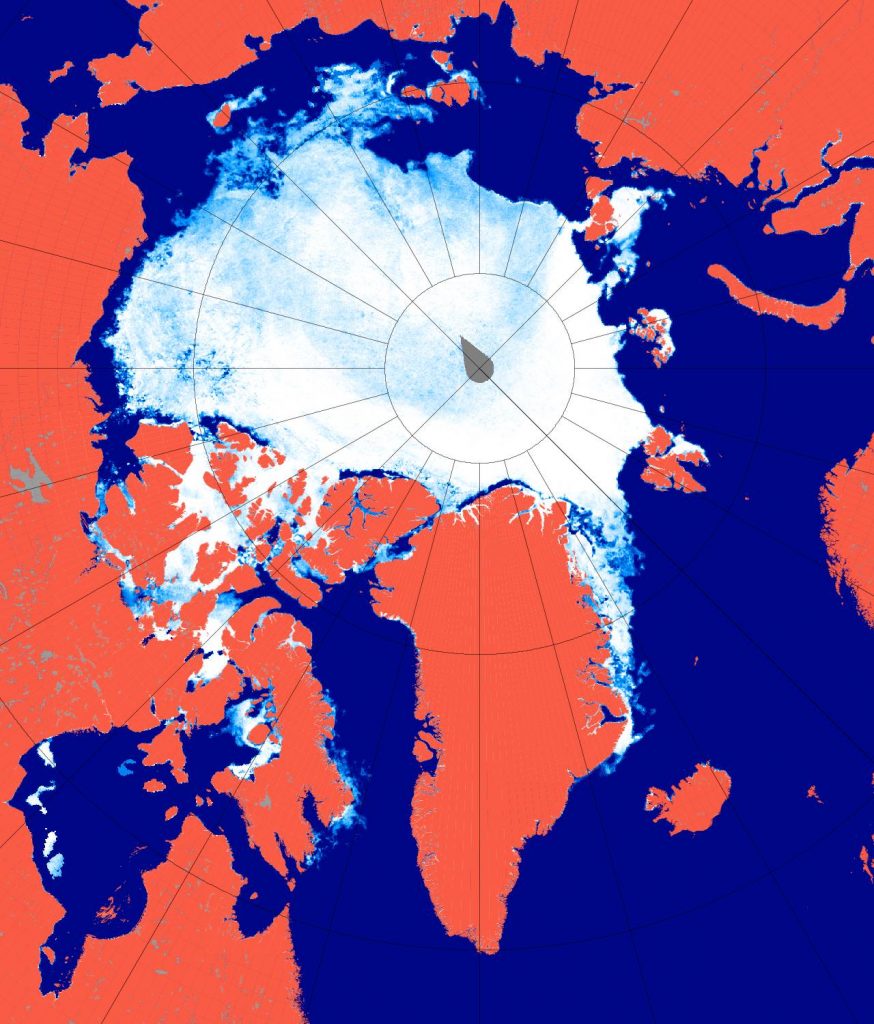
Currently the tell tale signs of surface melt are visible across most of the central Arctic, as are the large number of wildfires across Arctic Siberia:
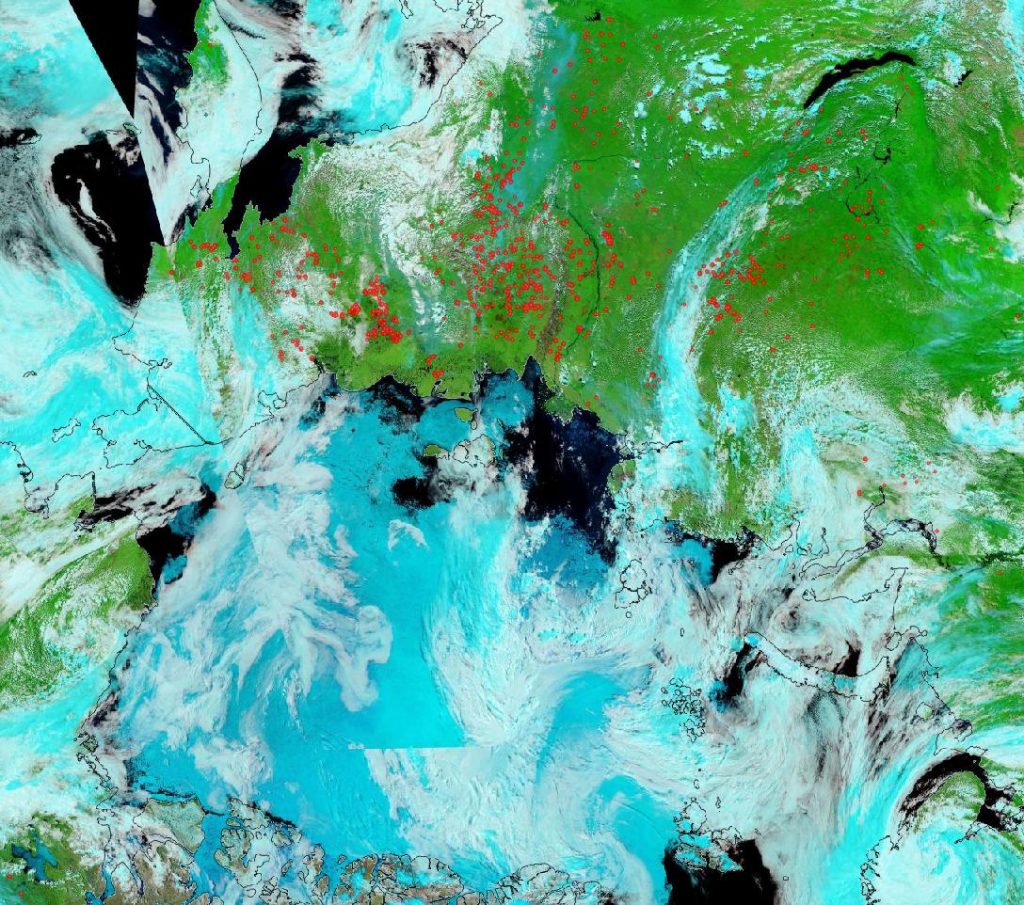
NASA Worldview “false-color” image of the Arctic on July 1st 2020, derived from the MODIS sensor on the Terra satellite

[Edit – July 4th]

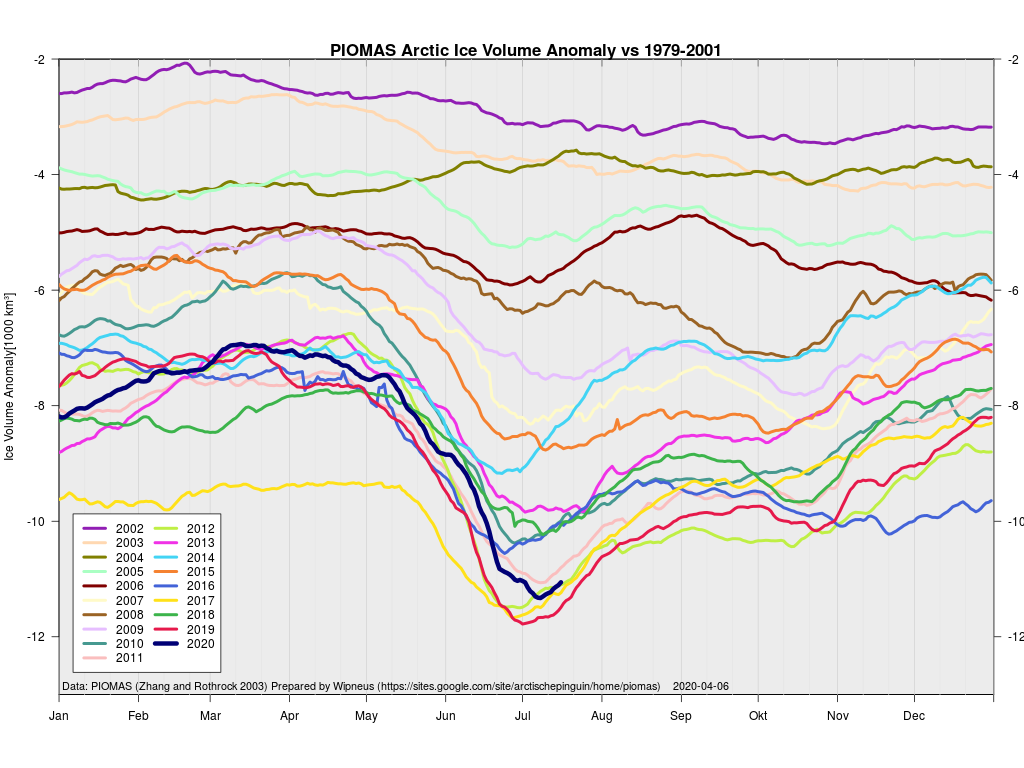
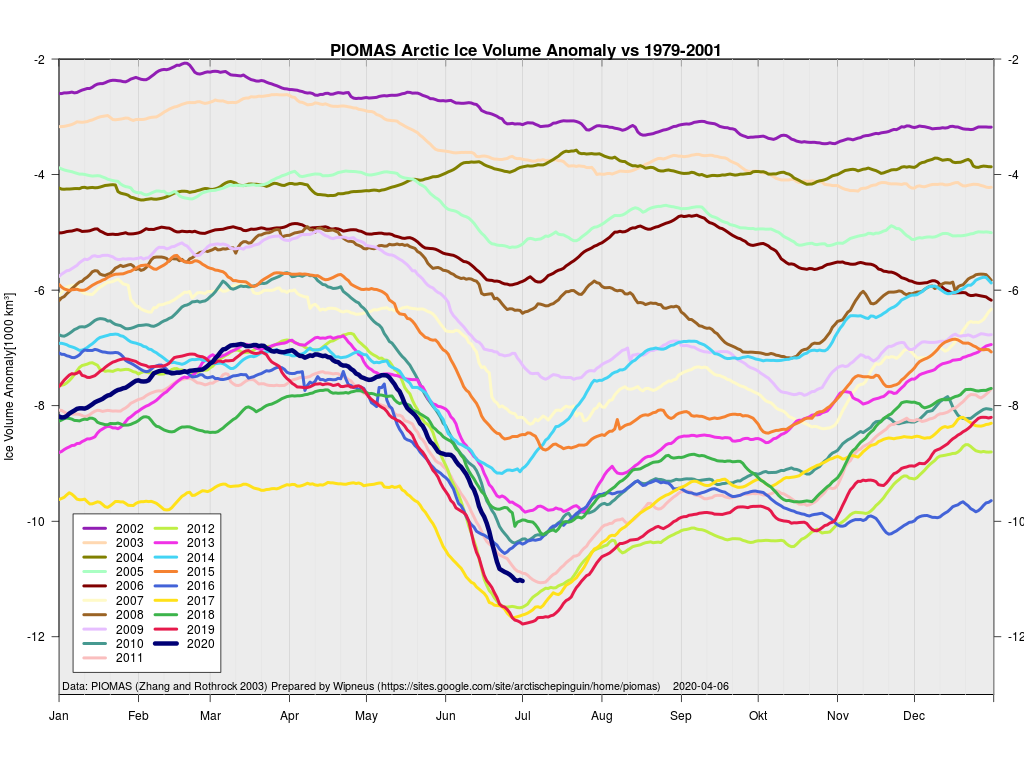
The June 30th PIOMAS gridded thickness numbers have been released, and here are the results of Wipneus’s number crunching:
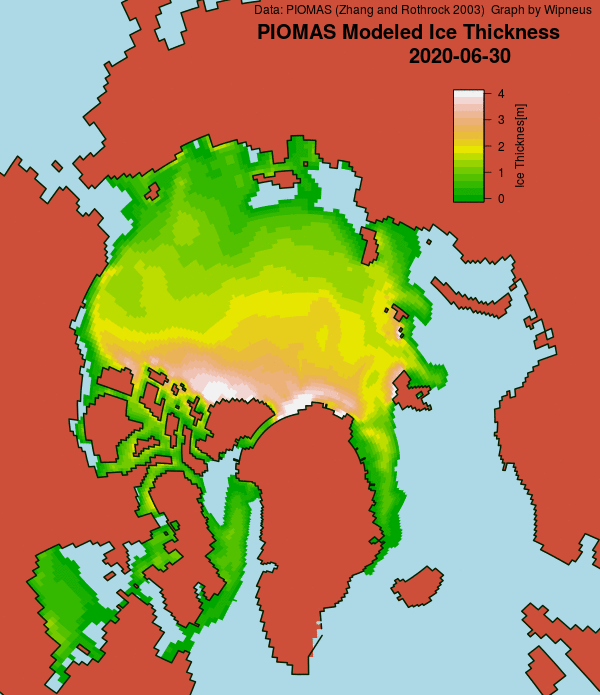
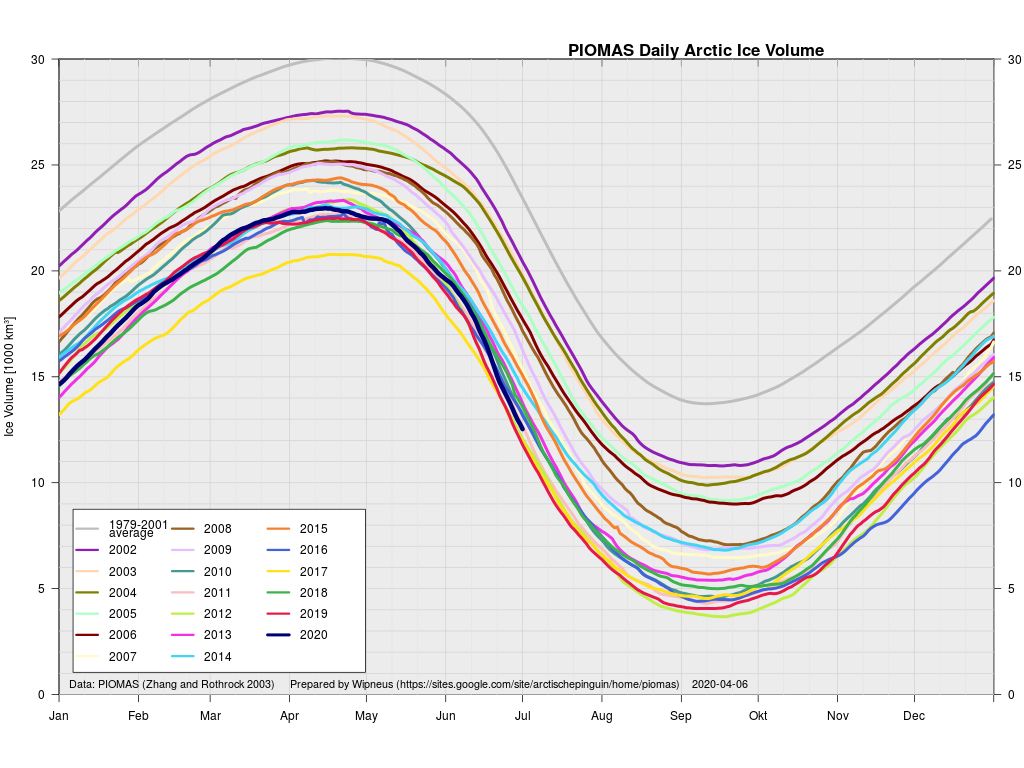
This month including a visualisation of the increasing negative anomaly:
[Edit – July 6th]

A break in the clouds over the North Pole reveals the onset of surface melt:
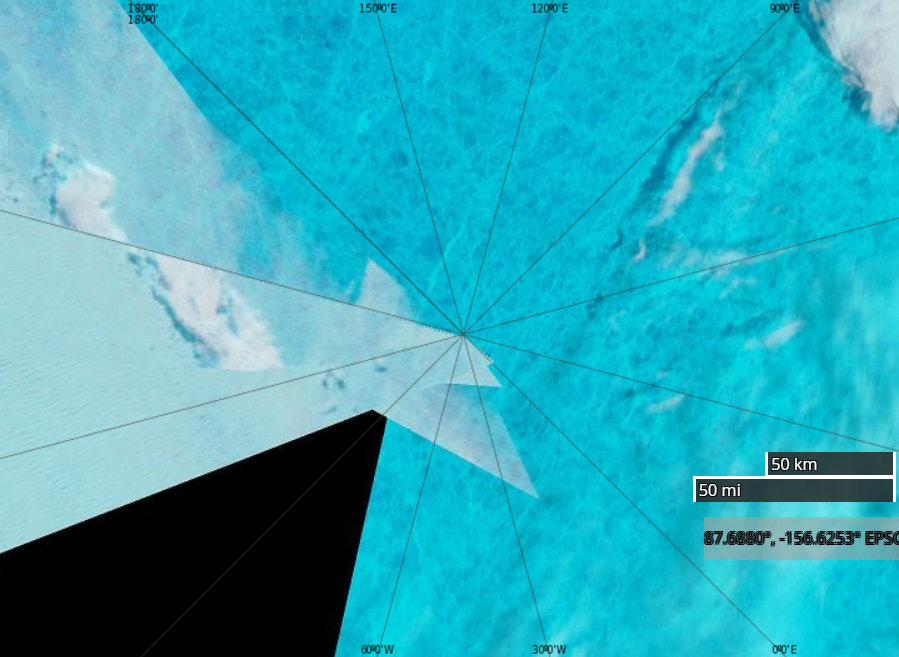
NASA Worldview “false-color” image of the North Pole on July 6th 2020, derived from the MODIS sensor on the Terra satellite

[Edit – July 8th]

After a brief hiatus there are once again some ice mass balance buoys installed at assorted locations across the Arctic. Some have ceased to function, but one of the buoys installed as part of the MOSAiC expedition is still sending back data as it heads towards the Fram Strait. Buoy 387850 is currently located at 81.66 N, 4.19 E. Here’s its ice mass balance plot:
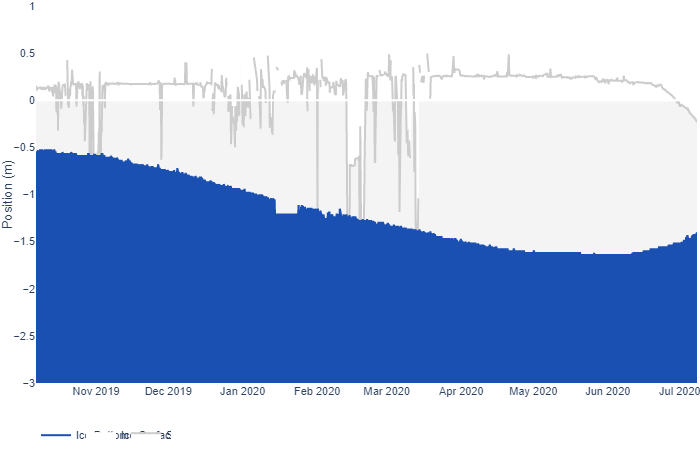
As you can see, both surface and bottom melt are well under way, with just over a meter of ice still remaining.

Now let’s take a look at buoy 386840, currently located at 74.30 N, 132.60 W in the Beaufort Sea:
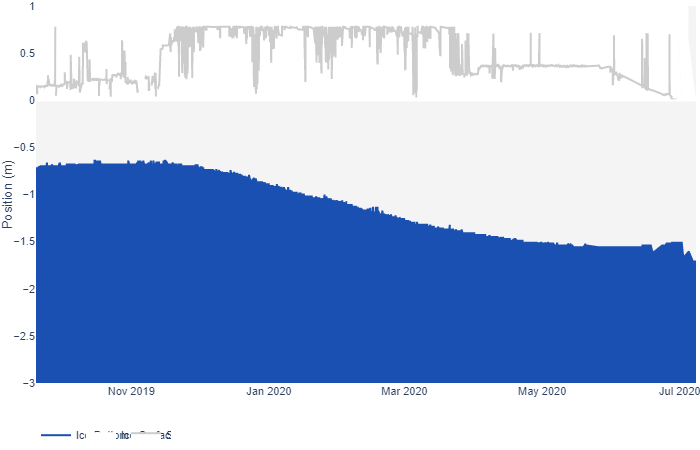
It looks as though the ice thickness has increased, but surely that can’t be right at this time of year? To try and find out I downloaded the raw data and plotted the temperature readings from the buoy’s thermistor string:
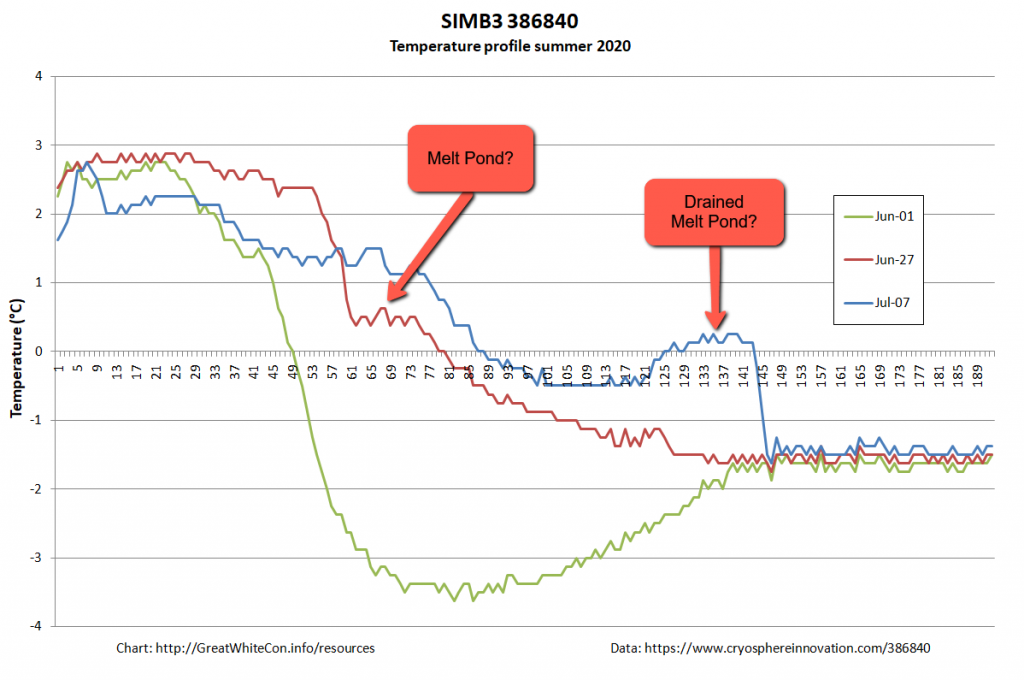
It looks to me as though the ice floe carrying the buoy is currently floating on some warm fresh water from a recently drained melt pond, which is confusing the sensor designed to measure the position of the bottom of the ice. There certainly seems to be far less than the claimed “1.653 m snow and ice thickness” still remaining to be melted!

[Edit – July 15th]

A very unusual image. Hardly a cloud in the sky over the North Pole yesterday:
NASA Worldview “false-color” image of the North Pole on July 14th 2020, derived from the MODIS sensor on the Terra satellite

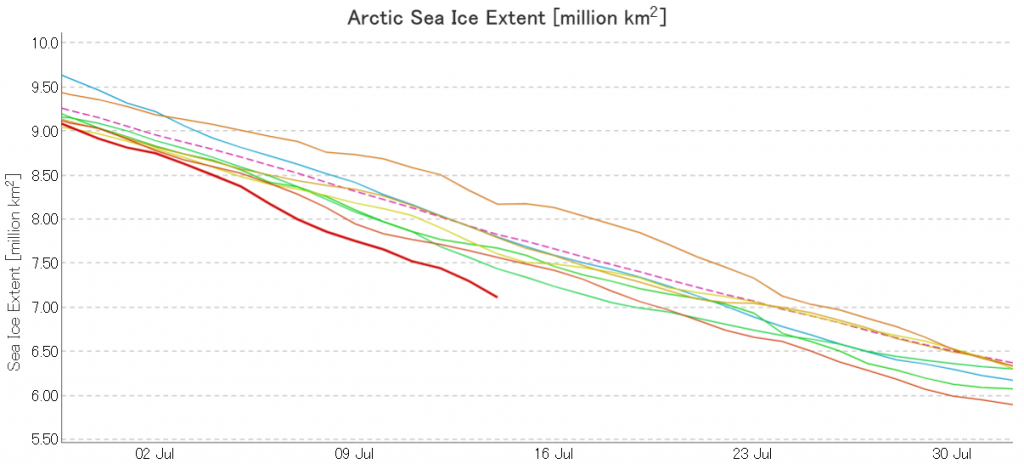
The July 2020 extent “plummet” shows no signs of ending just yet. Here’s the JAXA/ViSHOP version:
[Edit – July 17th]

JAXA AMSR2 extent is now below 7 million km², and the high resolution version is lower still:
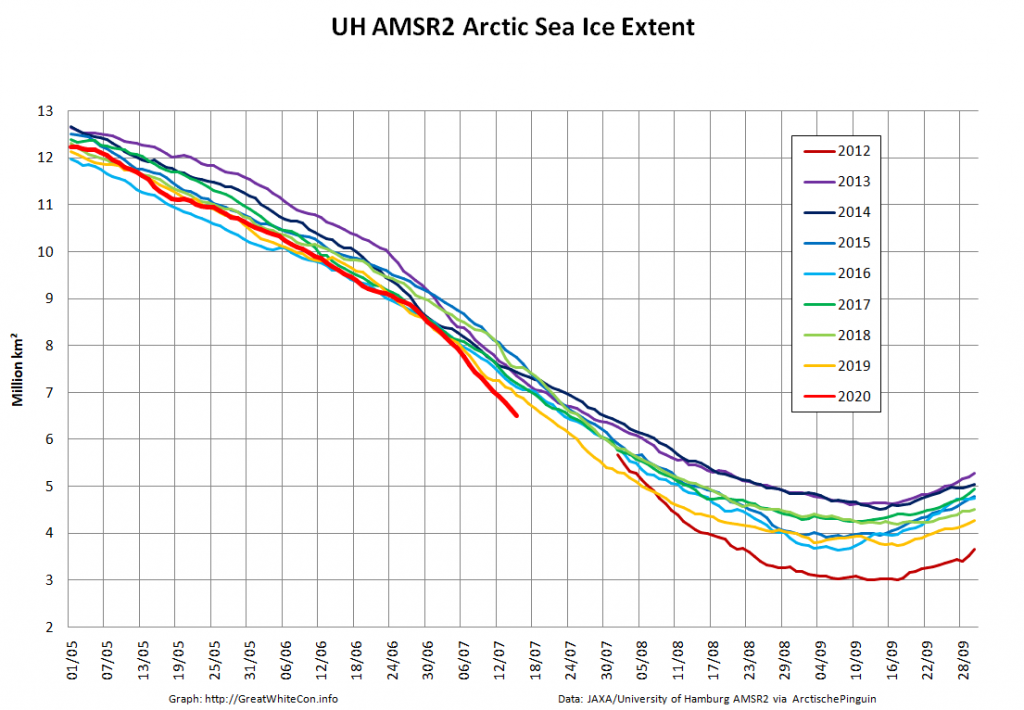
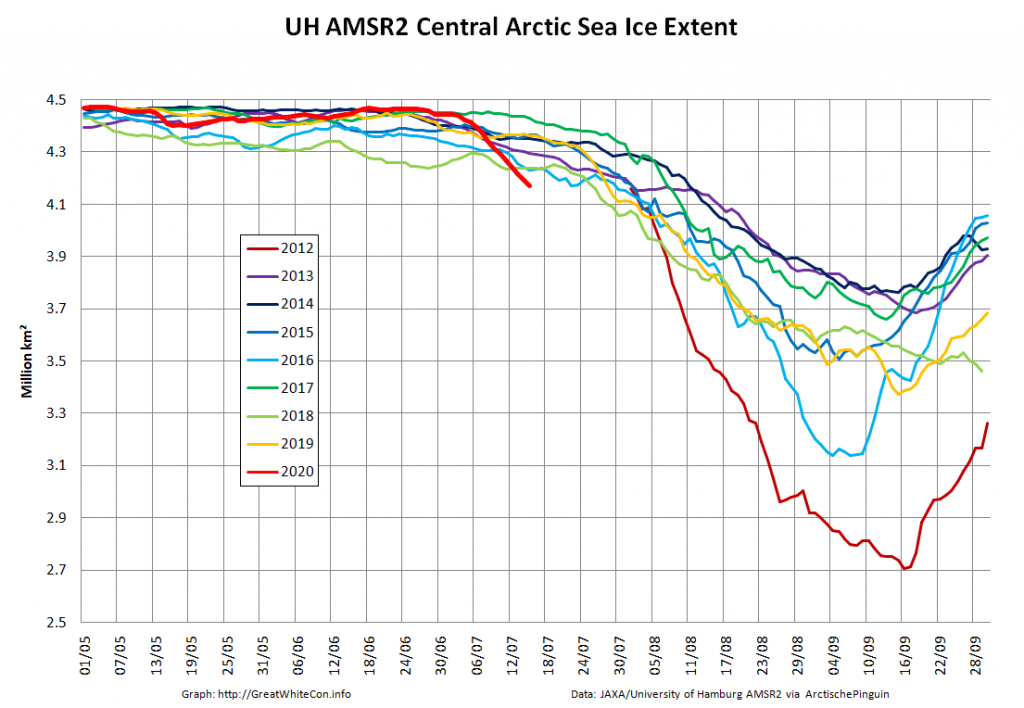
As the “Laptev Bite” and the Atlantic periphery of open water extends further towards the North Pole, Central Arctic Basin extent is now also at record lows for the date in the AMSR2 record:
[Edit – July 19th]

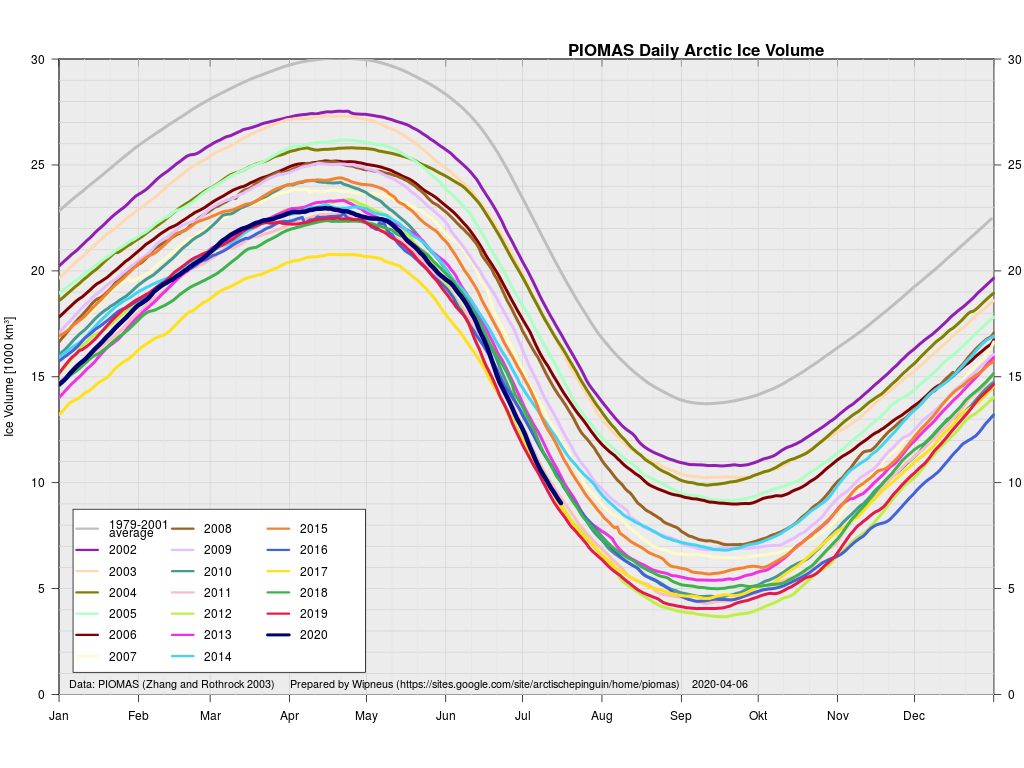
Wipneus has crunched the mid month PIOMAS gridded thickness numbers, and here are the results:
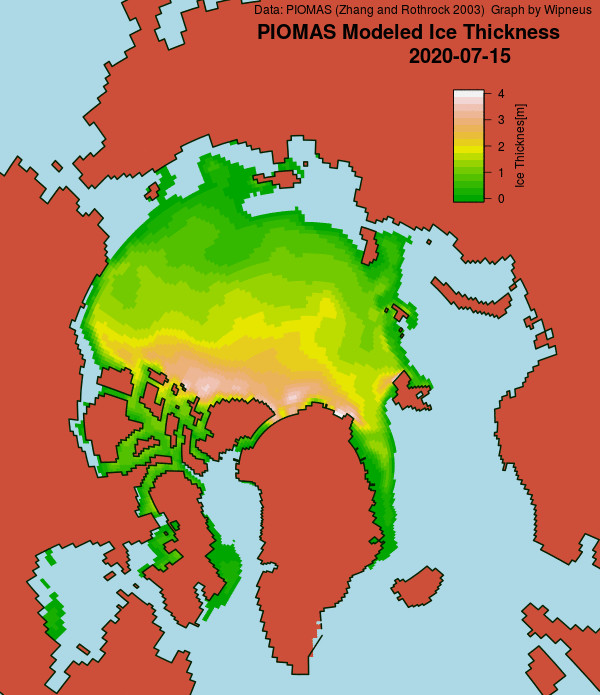
Extent is currently lowest in the satellite era by a long way, but modelled volume is only fourth lowest!

Watch this space!

[Edit – July 21th]

At long last there’s a sub 1000 hPa MSLP low pressure area slowly wending its way across the central Arctic:
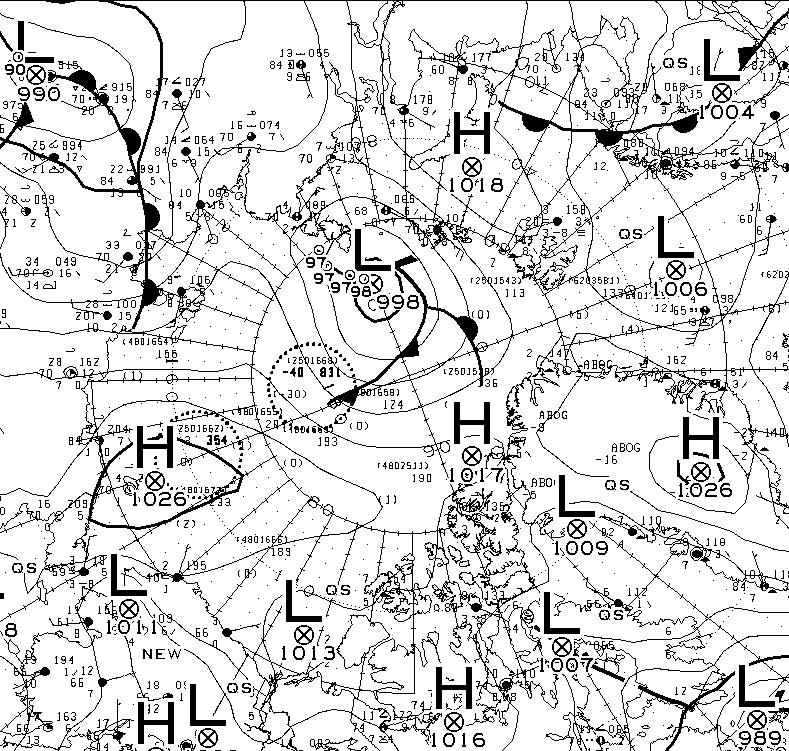
It seems to have bottomed out at 997 hPa. Perhaps this will inhibit the ongoing “plummet” in extent? JAXA extent fell by 114,342 km2 yesterday.

[Edit – July 23rd]

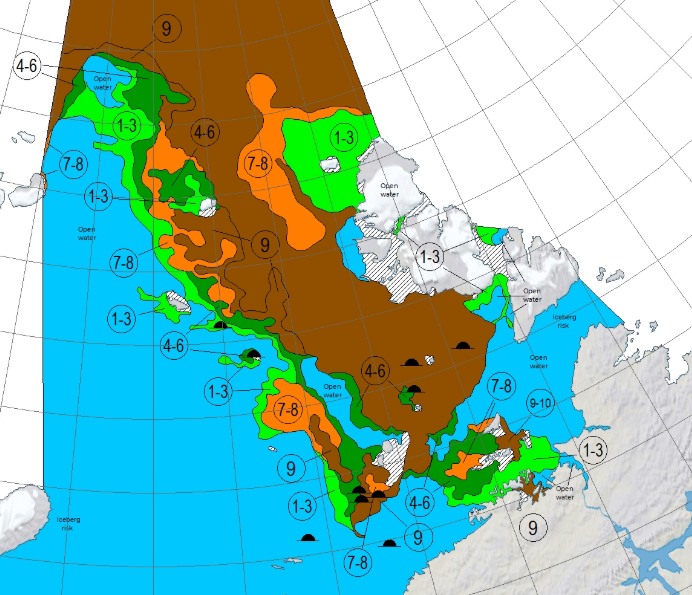
The Northern Sea Route has opened unusually early this year:

Based on the AMSR2 concentration maps from the University of Hamburg that happened on July 13th. The final choke point, as is so often the case, was the Vilkitsky Strait. According to the charts from the Russian Arctic and Antarctic Research Institute, by the 14th there was a narrow way through occupied by no more than 3/10 concentration ice:
[Edit – July 25th]

A mere three days away, and the GFS and ECMWF forecasts are in agreement, so there is a decent chance this setup will materialise in the real world:
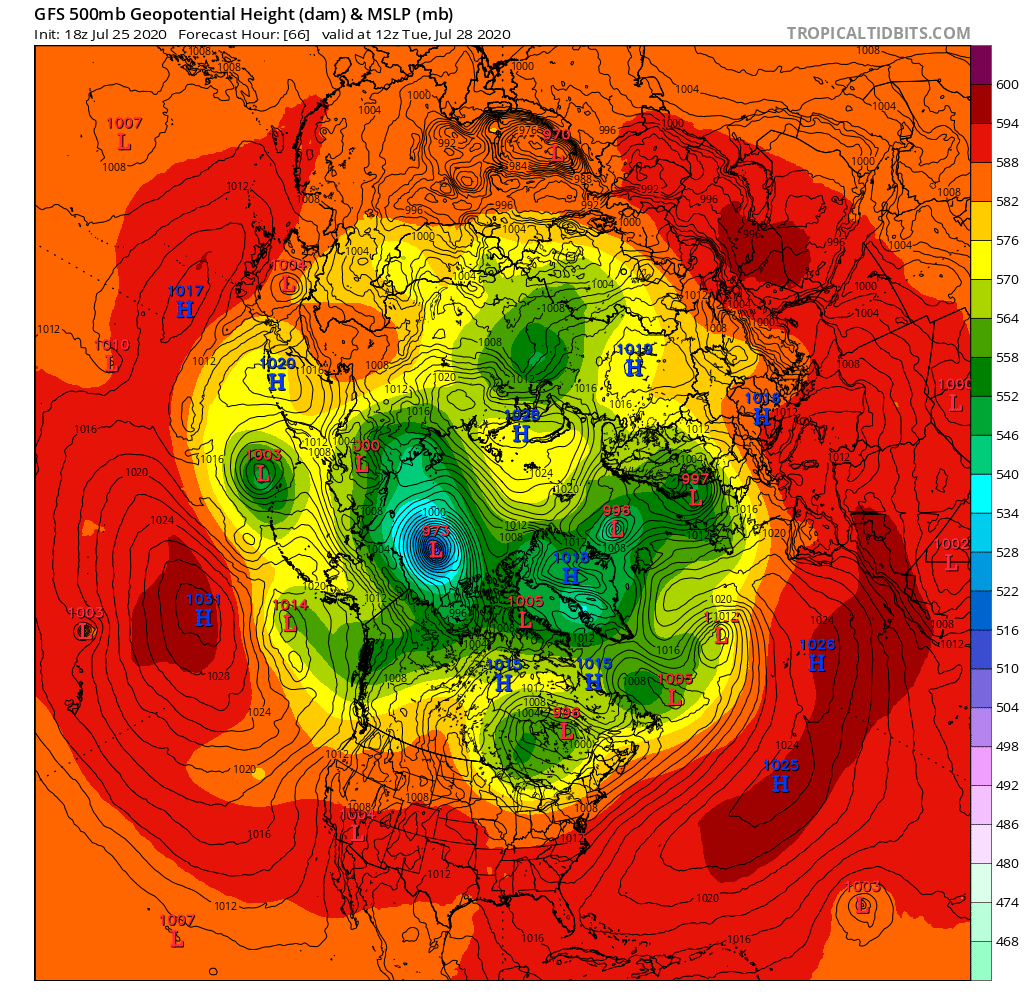
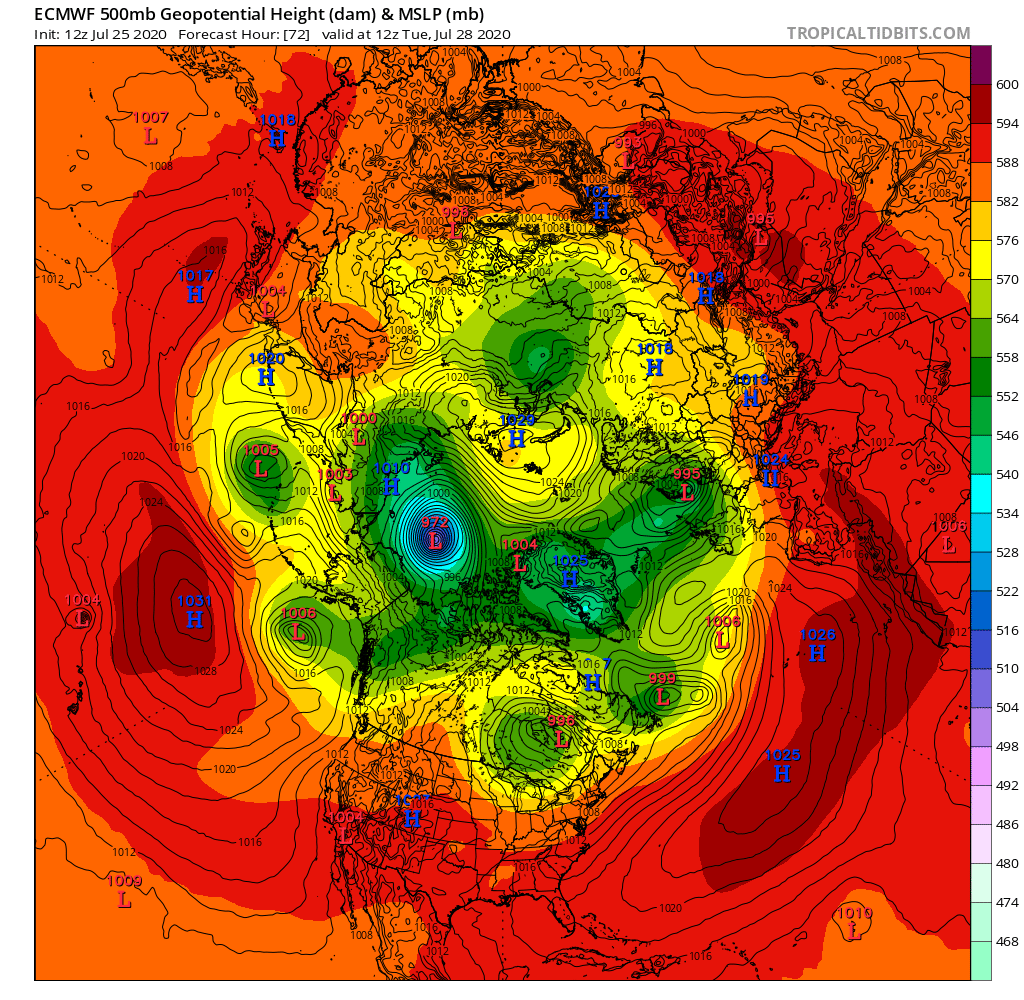
Graphics via Tropical Tidbits

A 972(ish) hPa MSLP cyclone sitting over the ice Beaufort Sea by 12Z on Tuesday.

[Edit – July 27th]

The Sea Ice Prediction Network July forecast for this year’s September minimum extent have been released. Here’s the graphical overview:
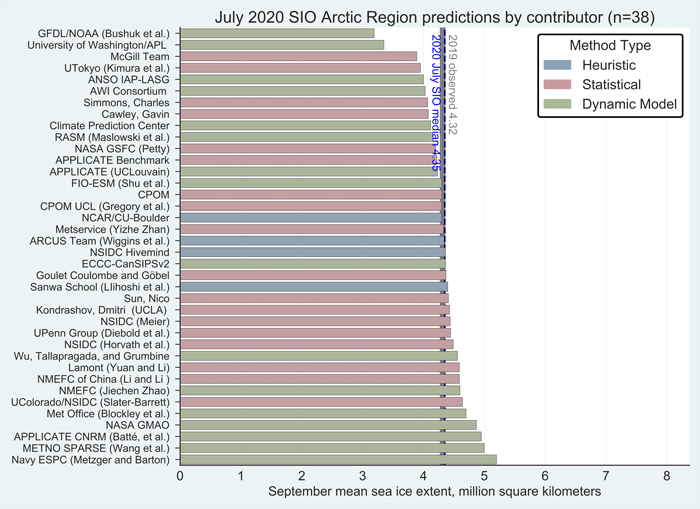
This year’s median projected value from the July forecasts of 4.3 million square kilometers is essentially identical to the median from the June forecasts. Quartiles are 4.1 and 4.6 million square kilometers. As was also the case for June, only two projections, both by dynamic models, are for a new record low, below the mark of 3.57 million square kilometers set in 2012. One dynamical model predicts the September sea-ice extent above 5.0 million square kilometers, compared to two in the June report.

Note that the numbers quoted are for the average NSIDC extent across the month of September, not the lowest daily JAXA extent, which I suggested earlier would be “below 4 million km²” this year.

Meanwhile over on Twitter this evening (UTC):

[Edit – July 28th]

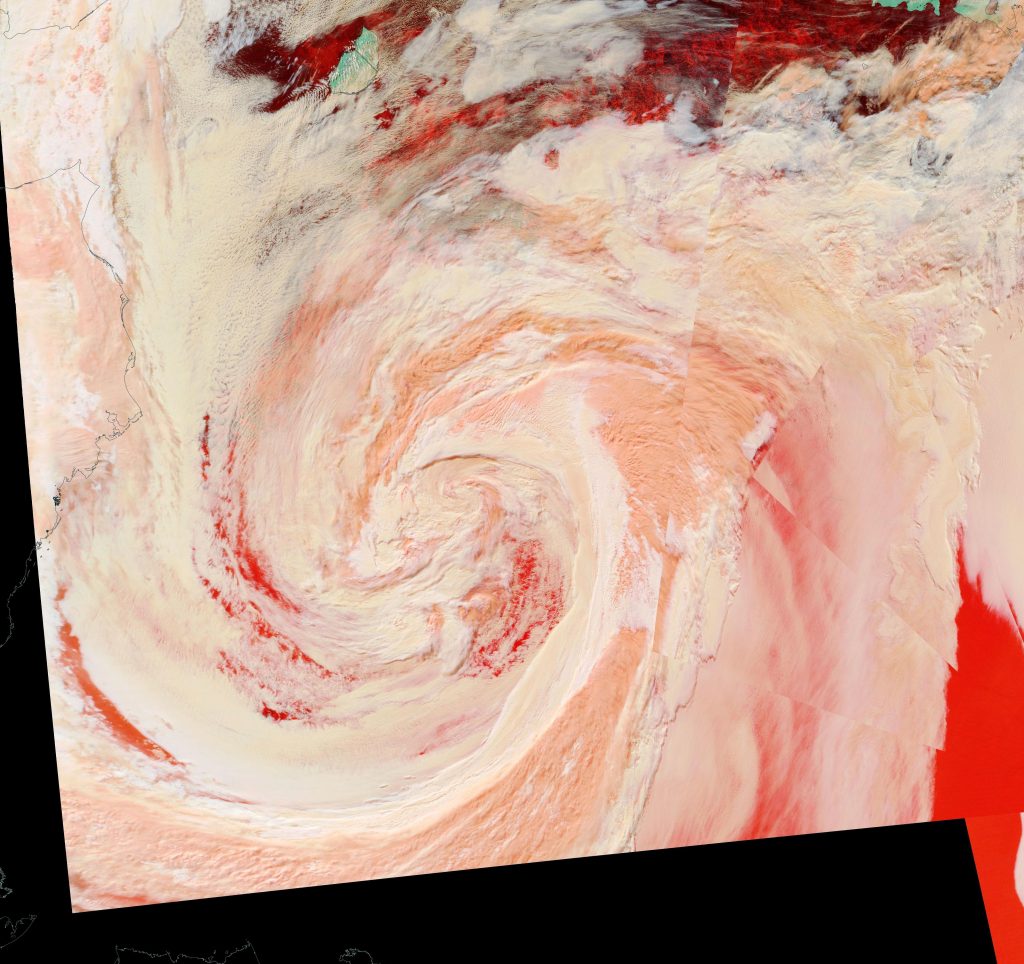
The MSLP of the (Great?) Arctic cyclone sank below 970 hPa overnight:

Here’s an early false colour snapshot of how (s)he looks from on high this afternoon (UTC), courtesy of the MODIS instrument on the Terra satellite:
[Edit – July 29th]

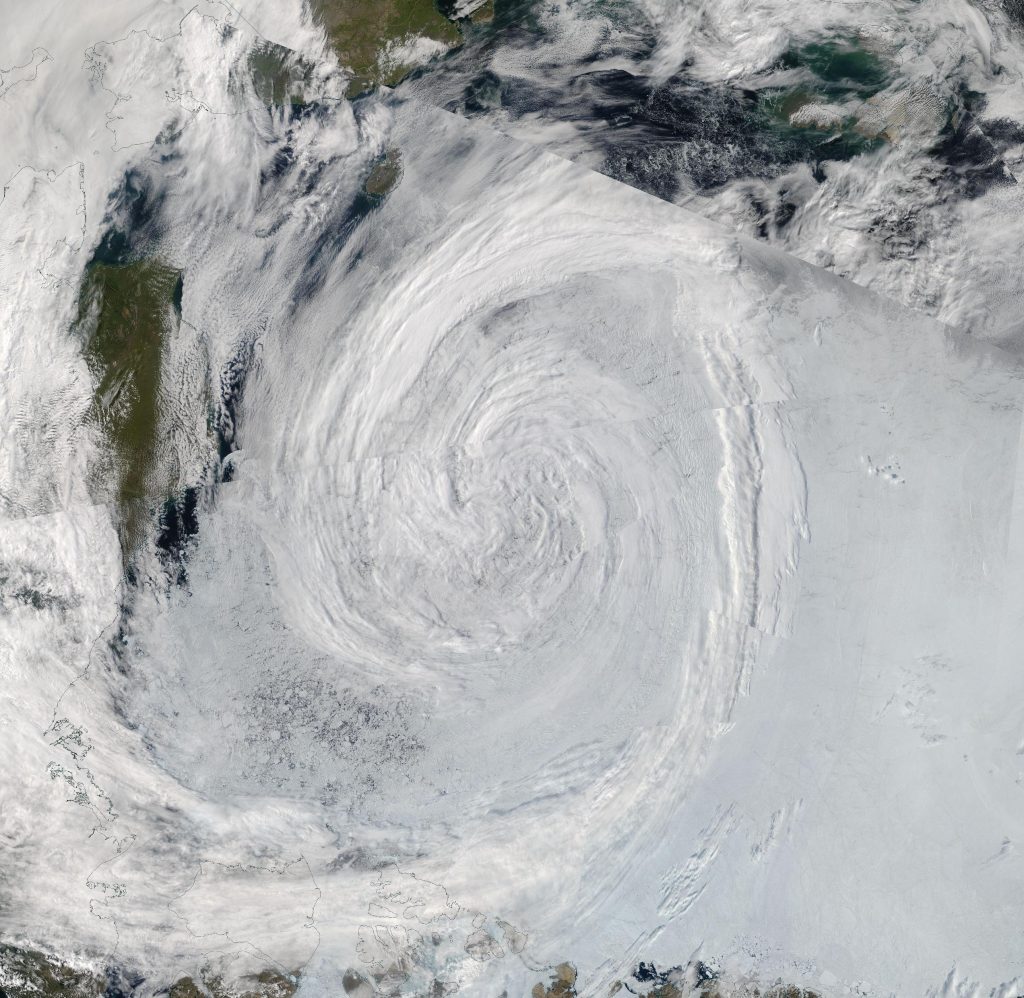
First up today we have a more complete “true colour” image of the cyclone doing its worst yesterday, including a fairly clear view in the bottom left corner of the initial damage to the sea ice covering the eastern Beaufort Sea. This one is from the Aqua satellite:
Watch this space!
Facts About the Arctic in October 2019

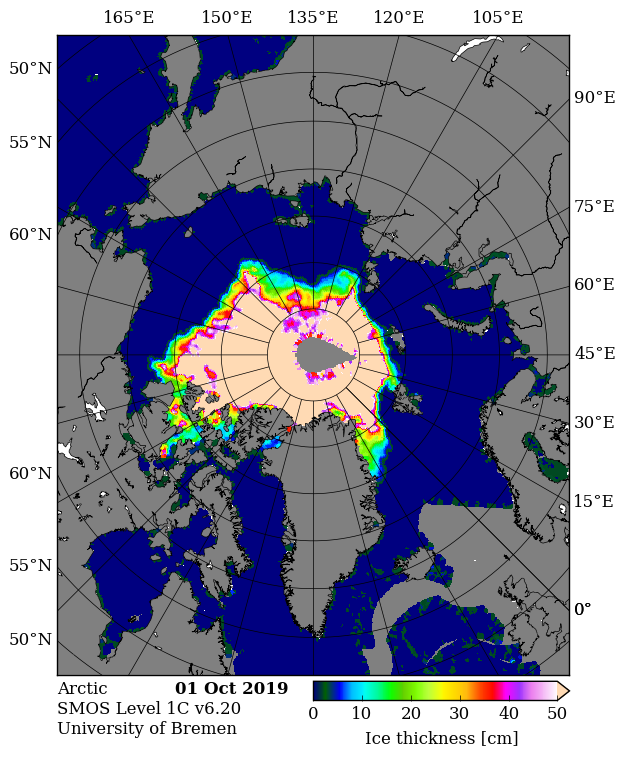
Whilst we await the PIOMAS volume numbers which generally arrive around the 5th of each month, and before we look at graphs of extent, with the refreeze well under way some “measured” thickness maps are coming back! Here’s the first SMOS map this autumn:

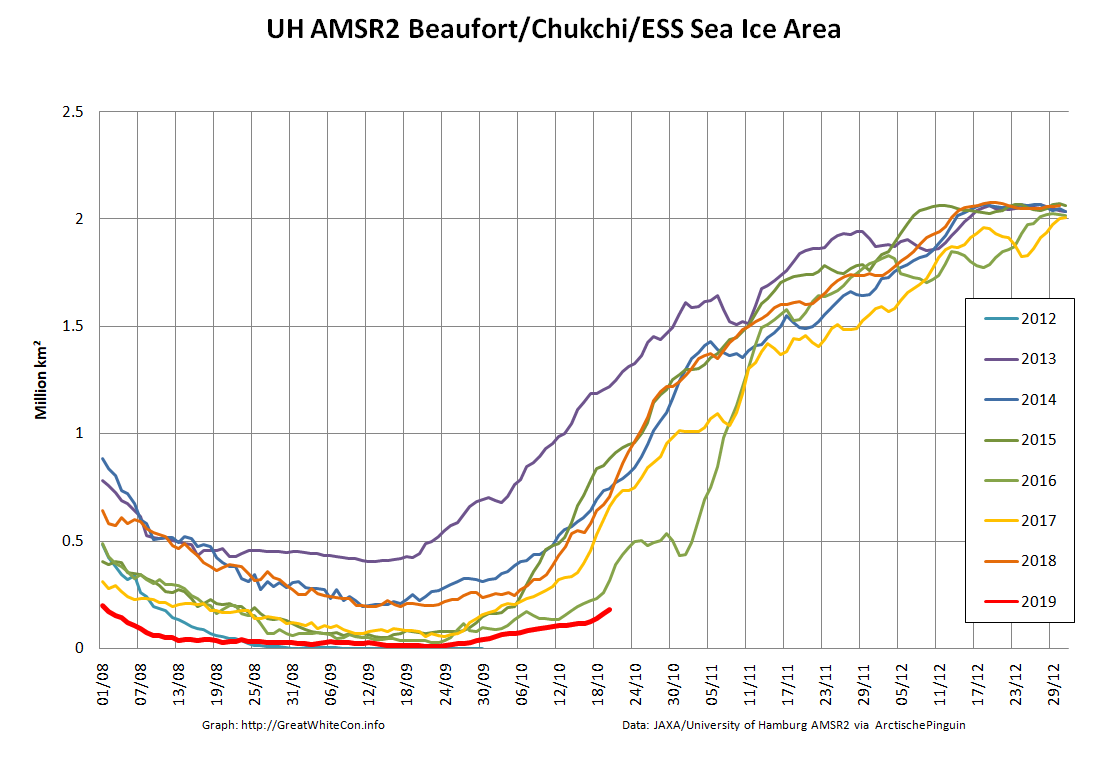
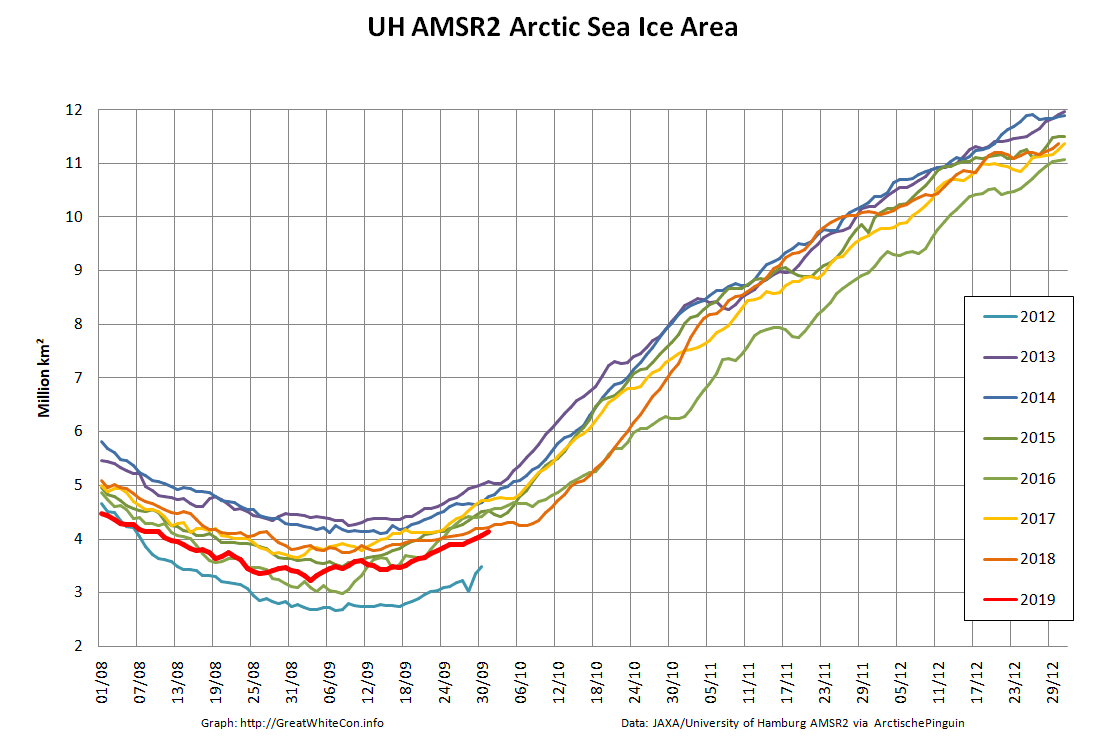
Then of course there’s our usual Arctic wide high resolution AMSR2 area and extent graphs:

They reveal both metrics currently still second lowest (in the brief AMSR2 record) after 2012. It looks as though that may well change soon, particularly area.

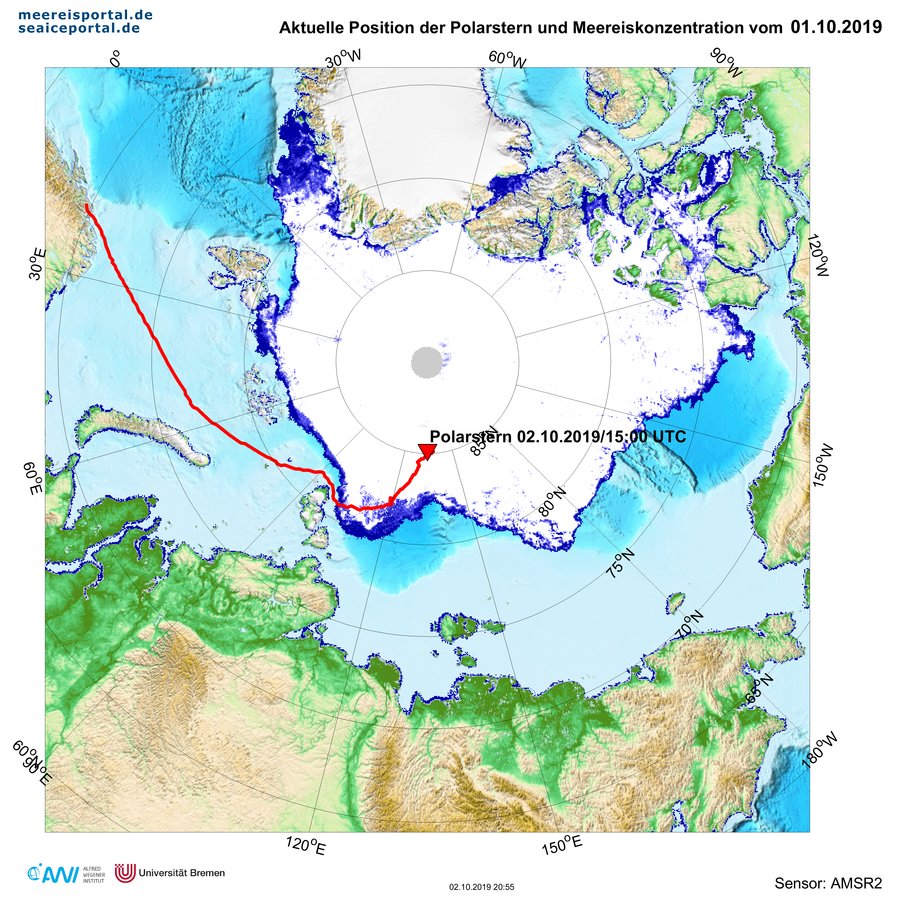
The MOSAiC Expedition has started in earnest, with Polarstern and Akademik Fedorov in amongst the sea ice at long last:

However:

[Edit – October 3rd]

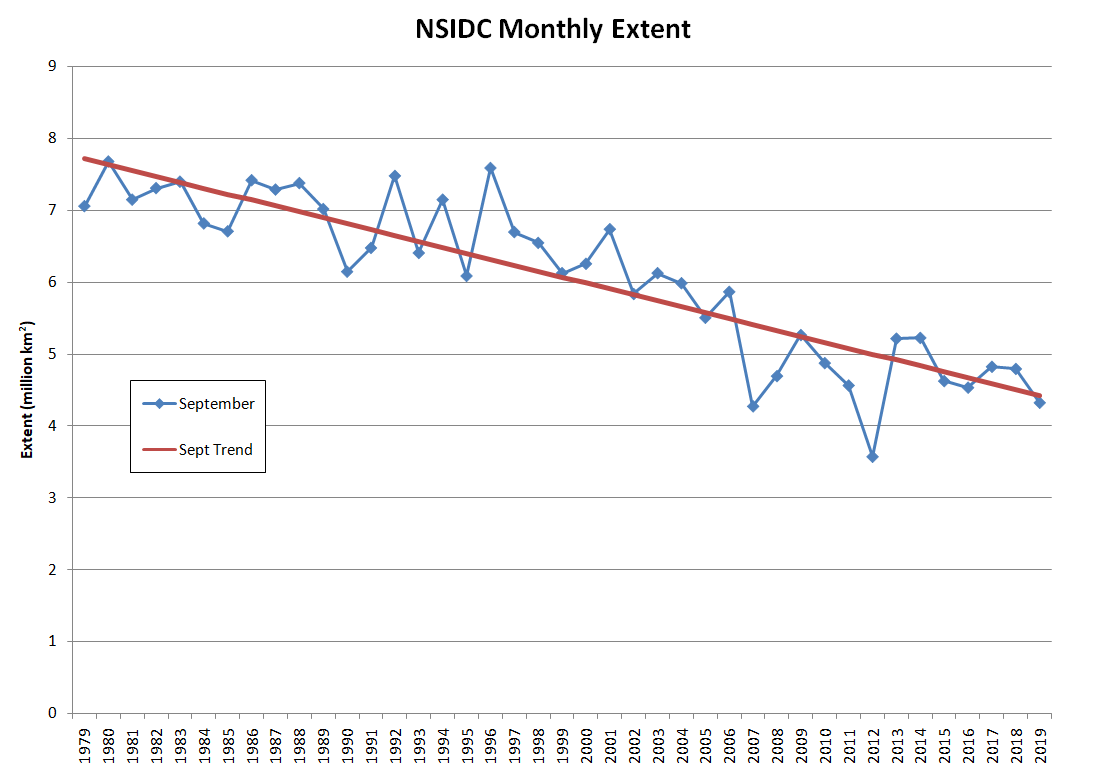
The near real time NSIDC monthly extent for September is 4.32 million km². Here’s the graph:

We’re eagerly awaiting the first ice mass balance buoy “near real time” data, but for now the 2019 PIOMAS minimum volume is expected to be revealed real soon now, so:

[Edit – October 5th]

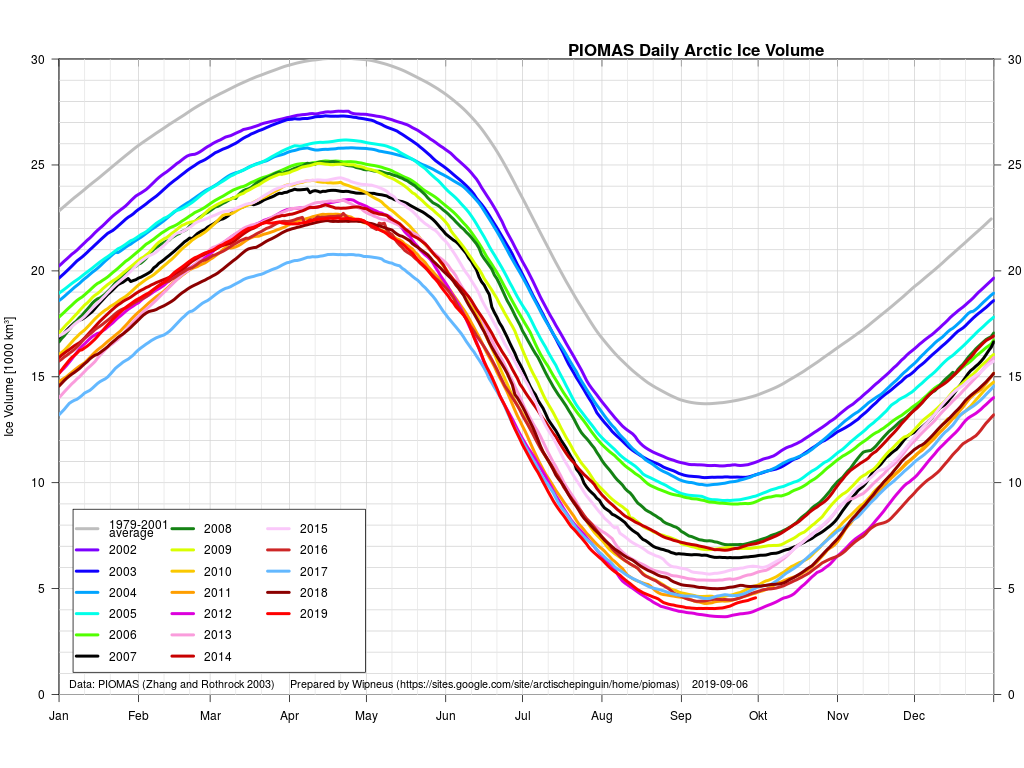
As previously perfectly predicted, the PIOMAS numbers have arrived over at the ASIF. Here’s the thickness map for the end of September:

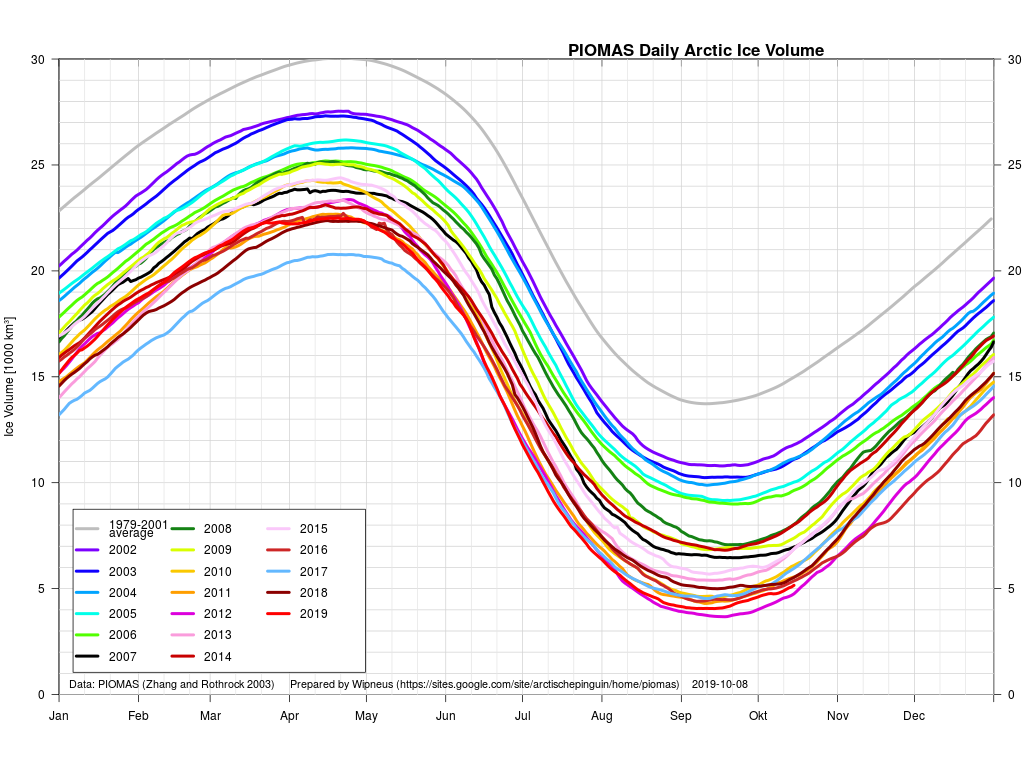
and the volume graph:

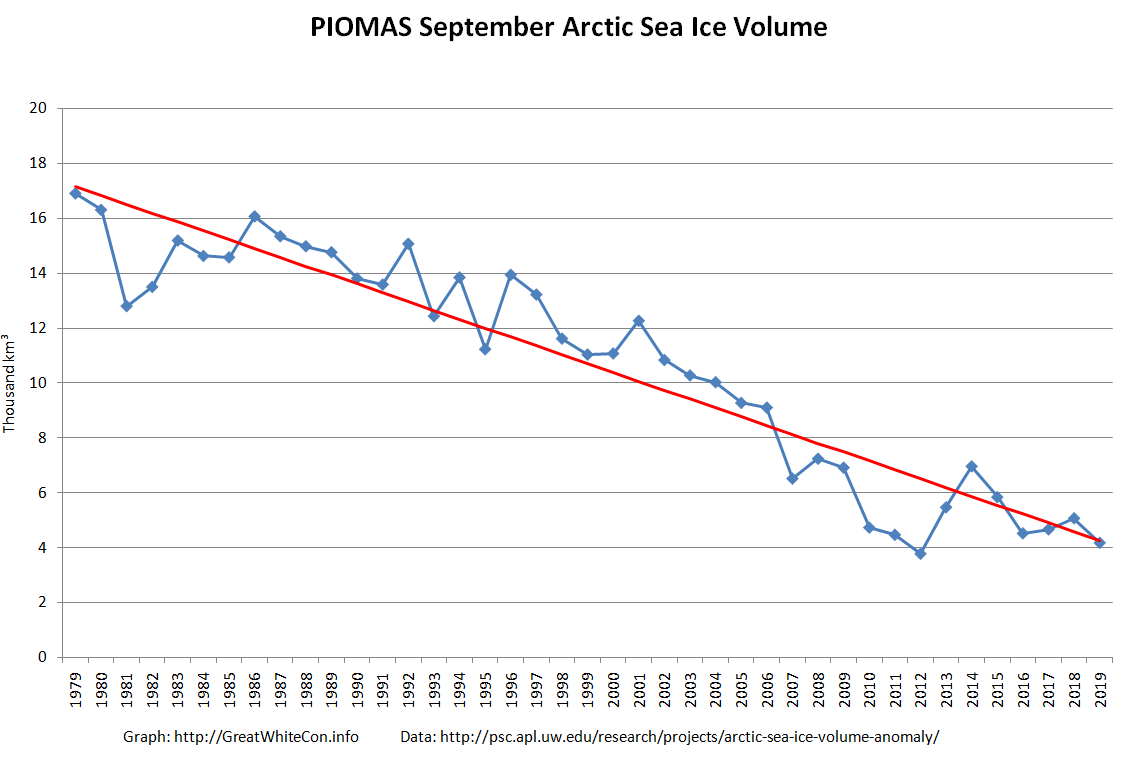
Since I’m involved is a heated “debate” about Arctic sea ice trends over at ex Prof. Judy’s, here’s an added bonus this month. The September volume trend:

[Edit – October 6th]

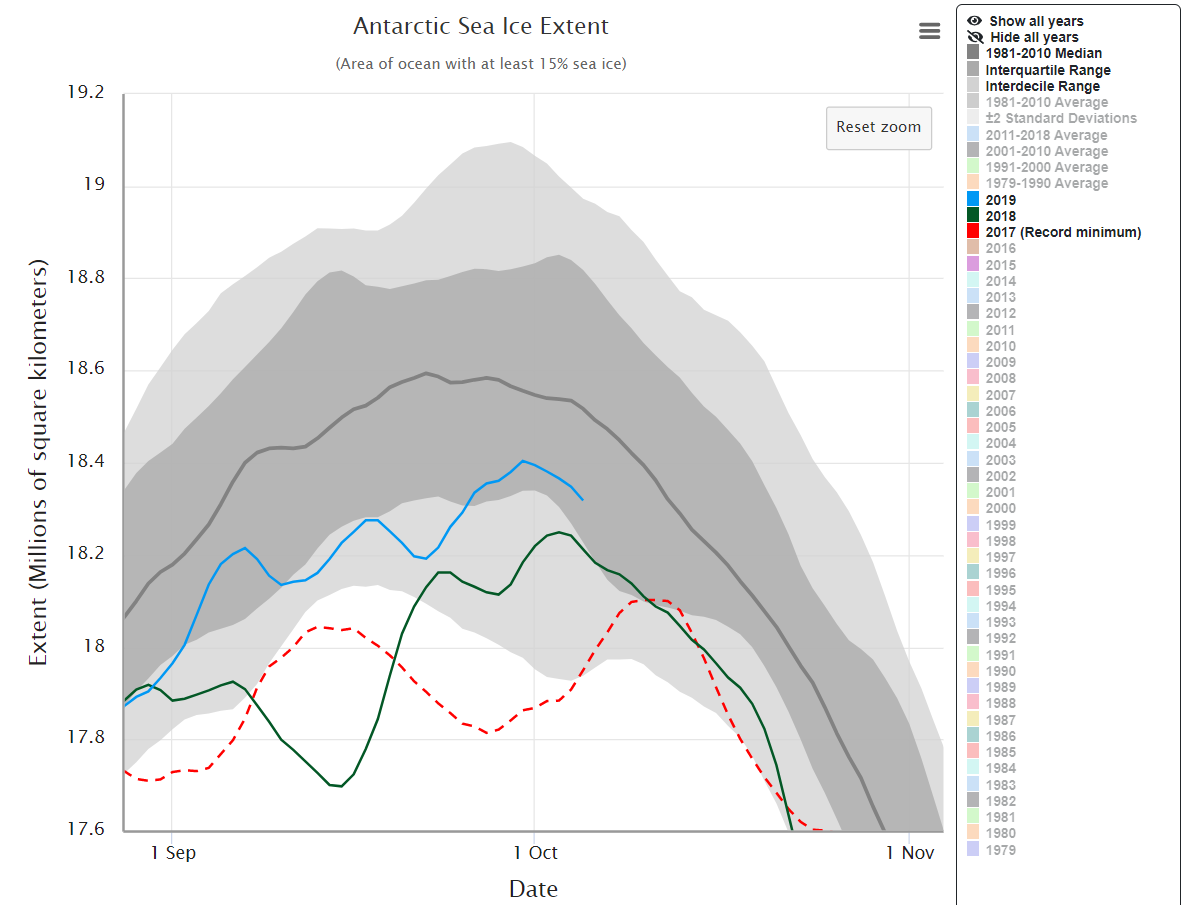
A marginally off topic excursion down under. The NSIDC 5 day average Antarctic sea extent looks to have peaked at 18.40 million km² on September 30th:

[Edit – October 7th]

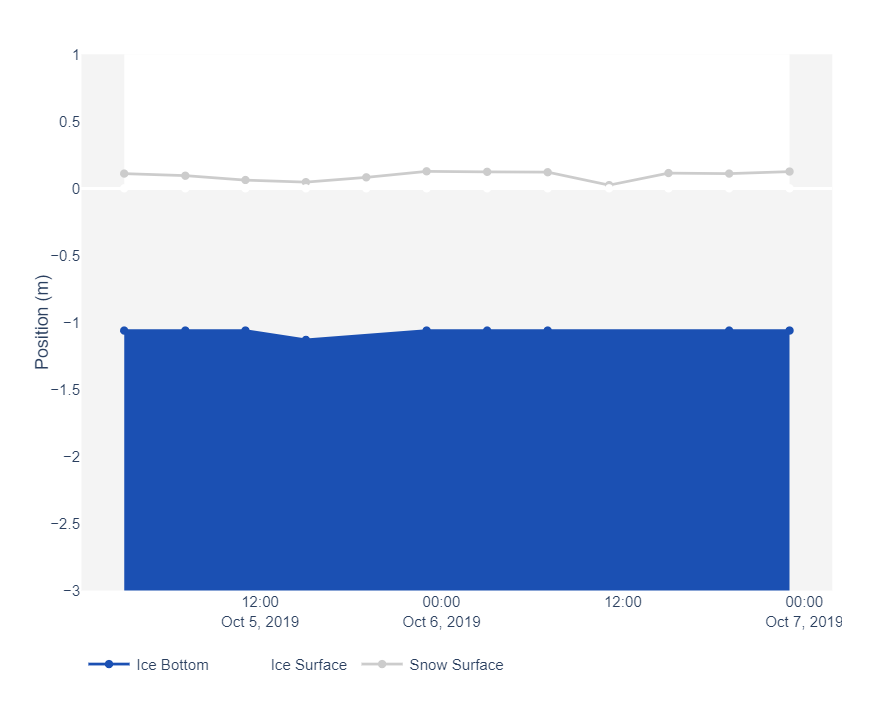
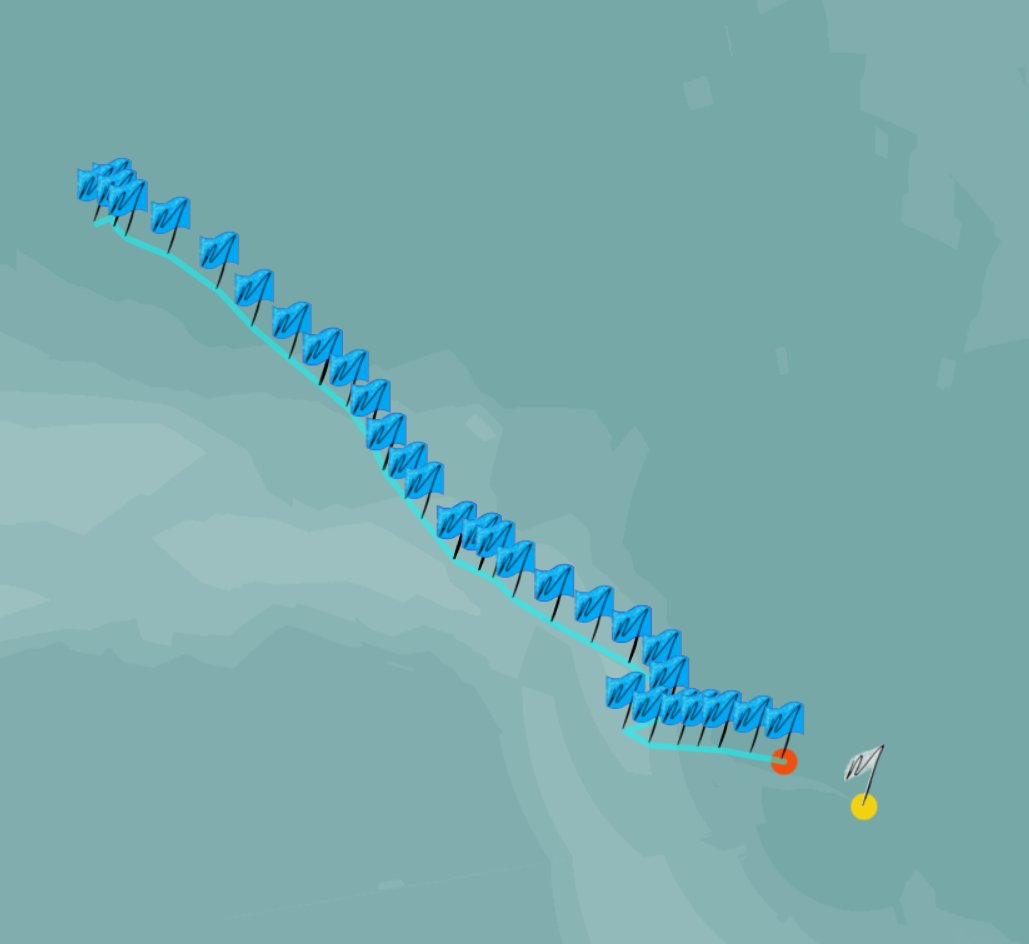
The first of the MOSAiC Expedition’s Ice Mass Balance buoys has been installed, presumably on the ice floe Polarstern is moored to. It reveals sea ice that is currently just over 1 meter thick with a sprinkling of snow on top:

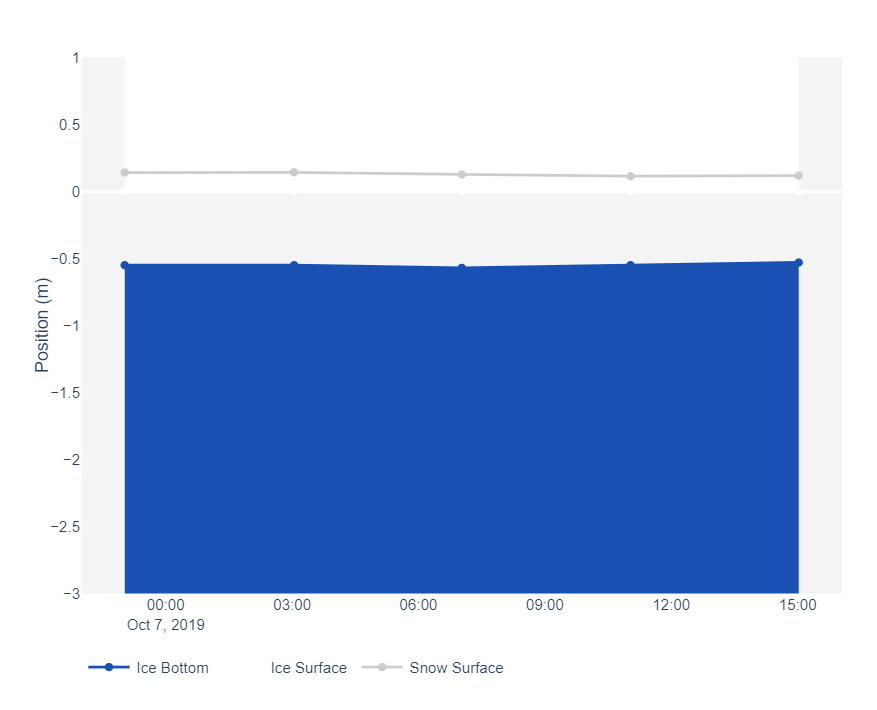
P.S MOSAiC IMB buoy #3 has gone live today too:

There’s currently only 0.5 meters of ice under this one.

[Edit – October 9th]

Here’s the latest annual PIOMAS “ice cube” animation from Andy Lee Robinson:

[Edit – October 10th]

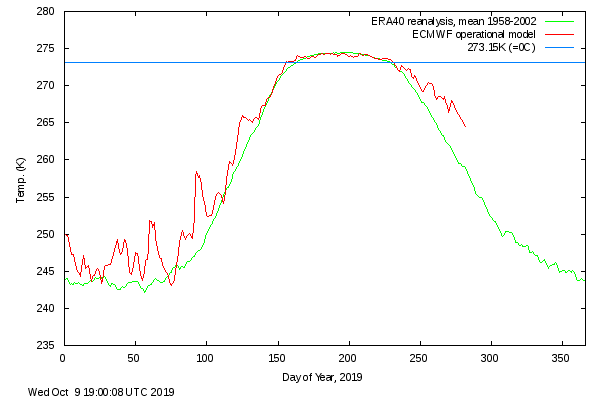
Here’s the latest DMI “high Arctic” temperature graph:

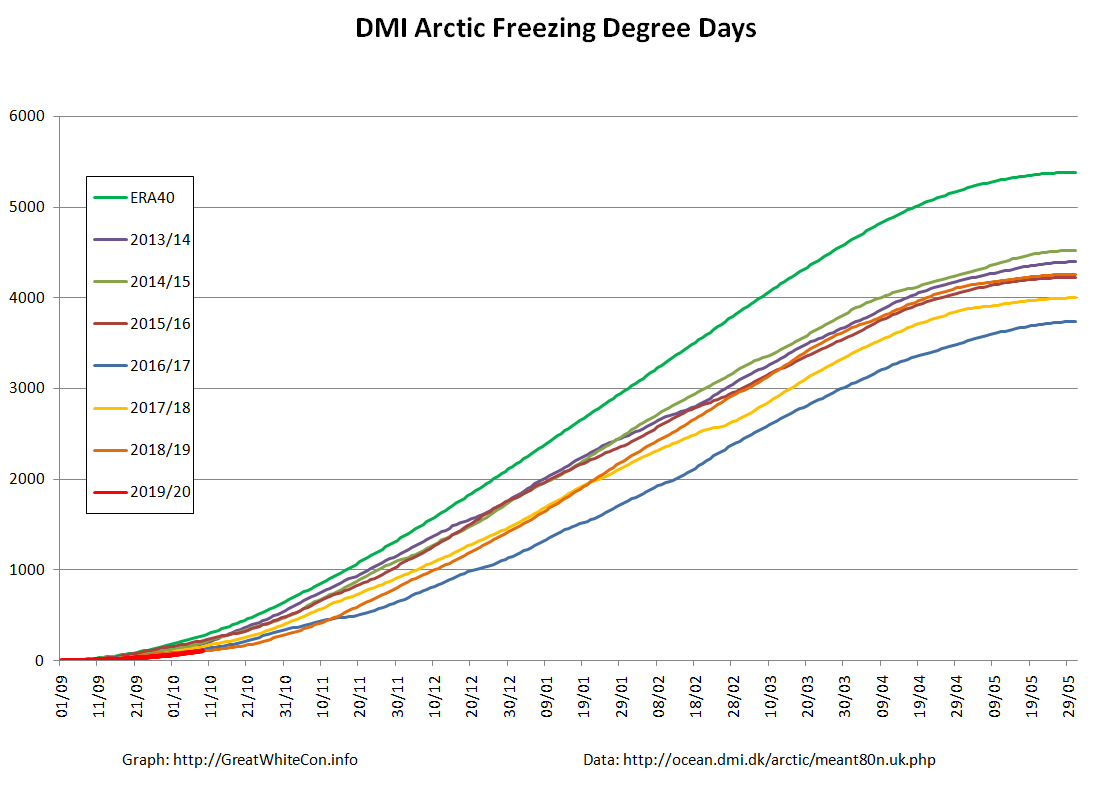
Needless to say that means the DMI Freezing Degrees Days graph is tracking the lowest readings in the DMI’s records:

[Edit – October 11th]

MOSAiC IMB buoy #2 has now been installed and is beaming back data:

The sea ice at this location is decidedly on the thin side at present. A mere 20 cm or thereabouts!

[Edit – October 12th]

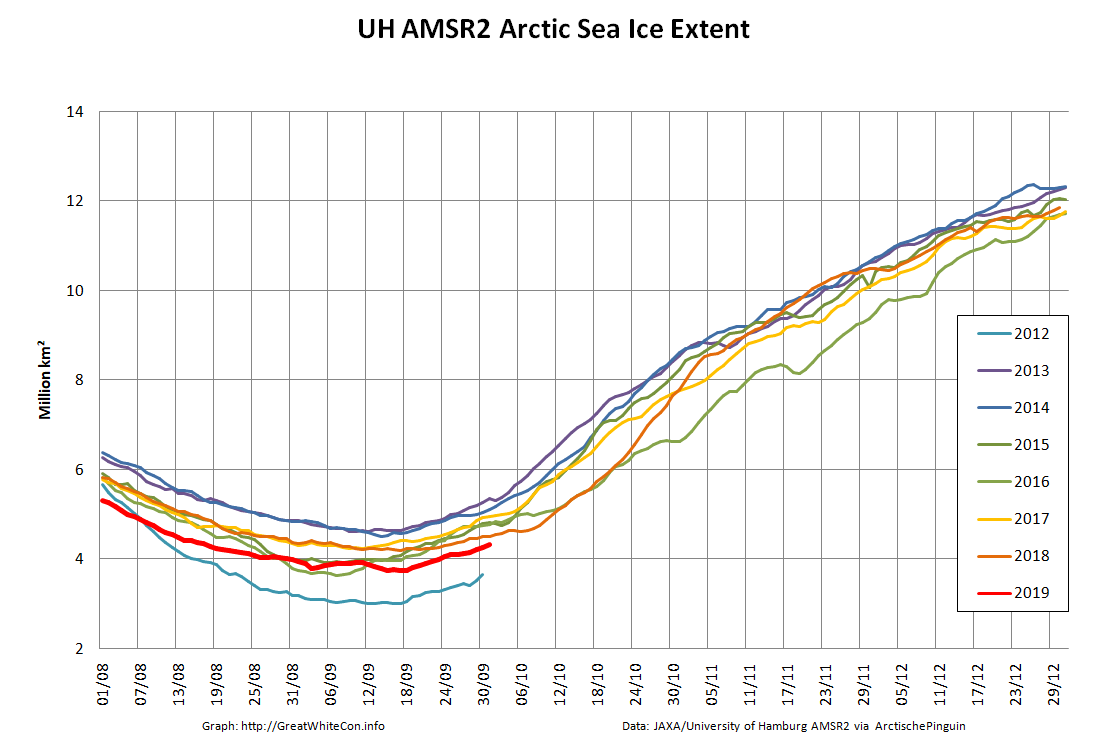
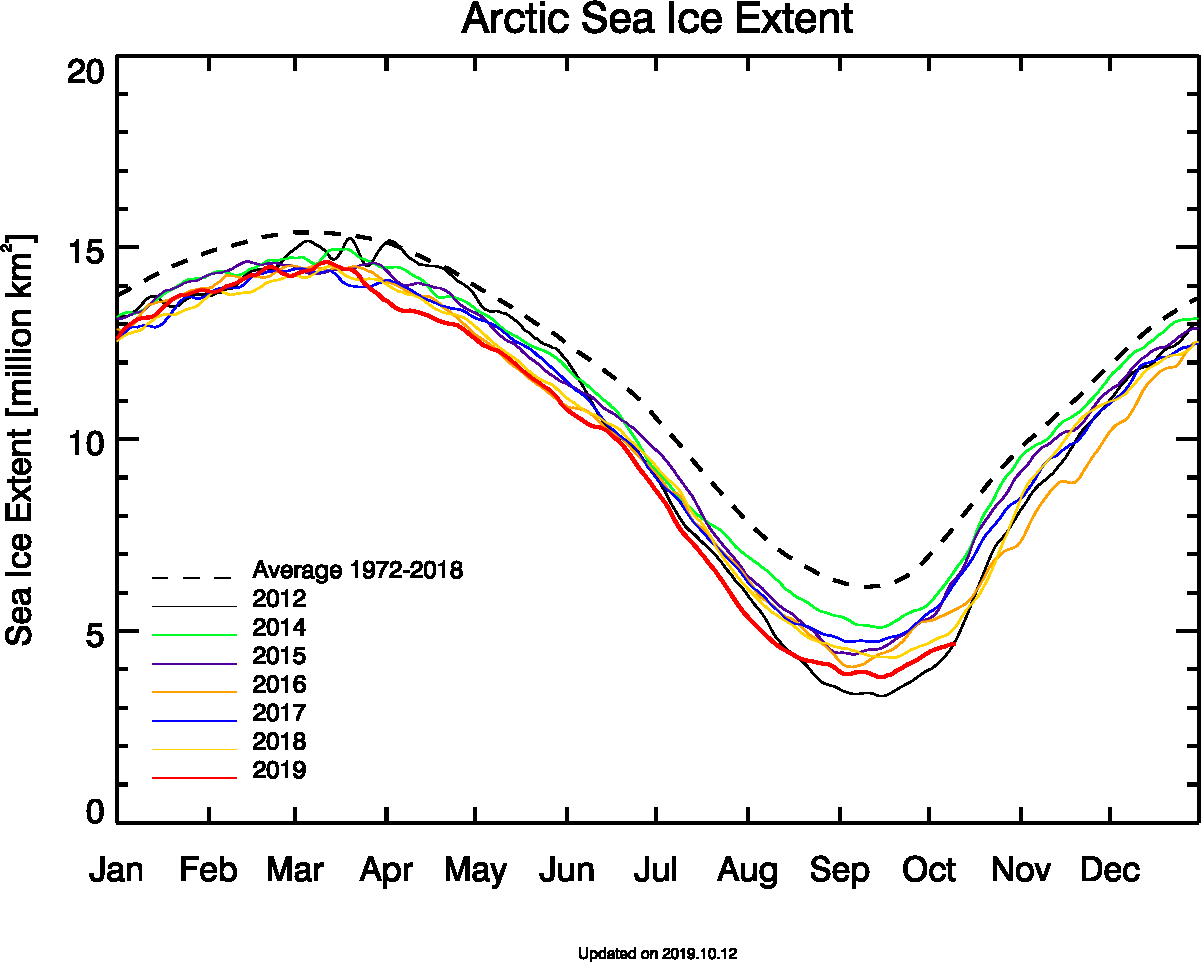
The JAXA ViSHOP web site is down at the moment, so by way of a change here is the University of Bremen’s AMSR2 based extent graph instead:

2019 Arctic sea ice is extent is now once again “lowest for the date” (since AMSRx satellite records began).

[Edit – October 14th]

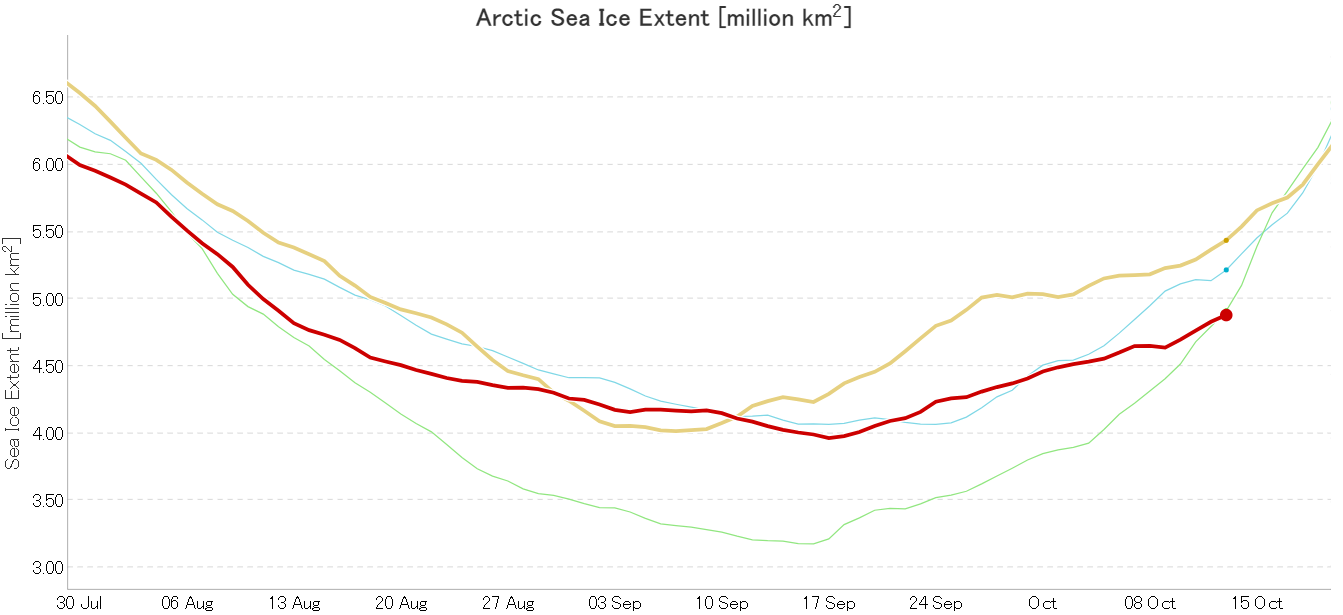
The JAXA/ADS/ViSHOP web site is back online after being down over the weekend, presumably due to the effects of Typhoon Hagibis:

Sure enough the Japanese flavour of AMSR2 based extent is also now “lowest for the date”.

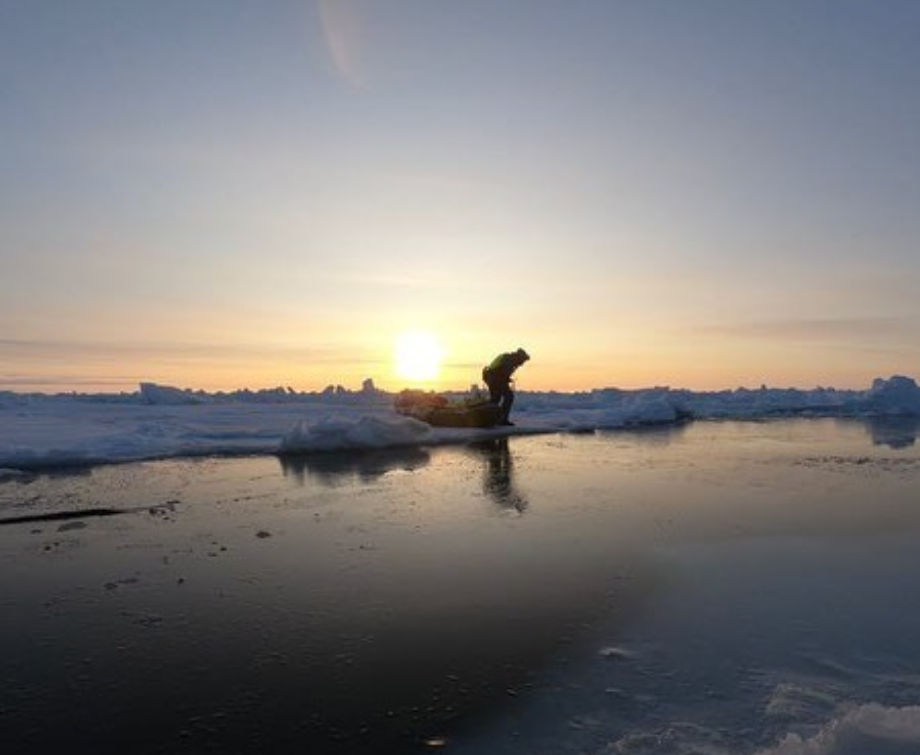
Plus a stunning image from Mike Horn and Borge Ousland as they attempt to “walk” to the North Pole then on towards Svalbard:

Mike and Borge’s current position was reported yesterday as: 89°35′51″N 140°30′32″E

[Edit – October 15th]

The latest SMOS Arctic sea ice “thinness” map shows sea ice starting to form on the shores of the Laptev Sea:

[Edit – October 16th]

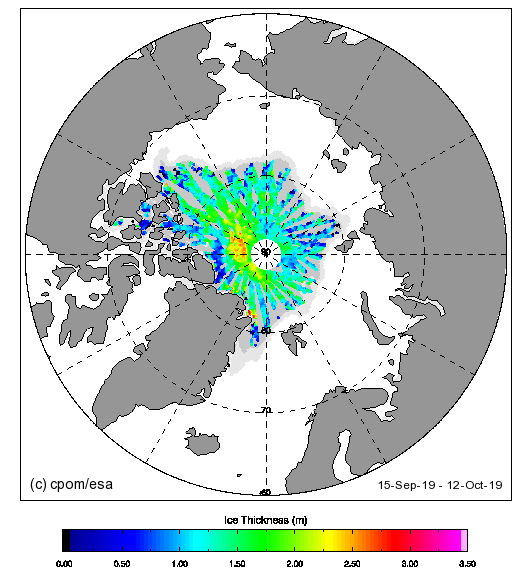
The Centre for Polar Observation and Monitoring (CPOM) have just published the first CryoSat-2 Arctic sea ice thickness map of the 2019/20 freezing season:

Note in particular the dark blue area north of the Canadian Arctic Archipelago.

[Edit – October 20th]

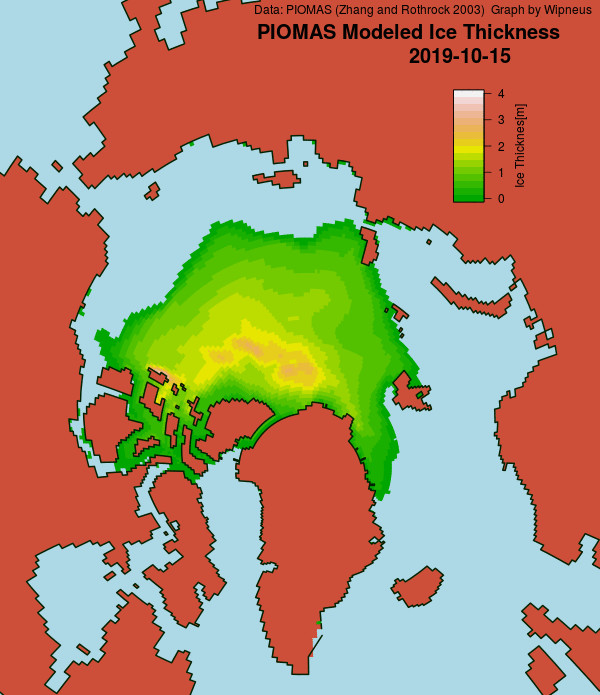
Wipneus has just crunched the October mid month PIOMAS numbers. Here are the results. Not only the modelled Arctic sea ice thickness map:

but also the Arctic sea ice volume graph:

[Edit – October 21st]

Over on Twitter Judah Cohen suggests that:

Here’s the evidence:

I have been trying to bring the implications of this to the attention of the denizens of Judith Curry’s “Climate Etc.” blog, thus far with remarkably little success! This is the gist of my argument:

See:

Warming of the interior Arctic Ocean linked to sea ice losses at the basin margins” Mary-Louise Timmermans, John Toole, Richard Krishfield (2018)

“Summer solar heat absorption by the surface waters has increased fivefold over the same time period, chiefly because of reduced sea ice coverage.”

“The effects of an efficient local ice-albedo feedback are thus not confined to the surface ocean/sea ice heat budget but, in addition, lead to increased heat accumulation in the ocean interior that has consequences far beyond the summer season.”

“In the coming years, however, excess Beaufort Gyre halocline heat will give rise to enhanced upward heat fluxes year-round, creating compound effects on the system by slowing winter sea ice growth.”

Watch this space!
The MOSAiC Expedition

According to the MOSAiC Expedition’s web site:

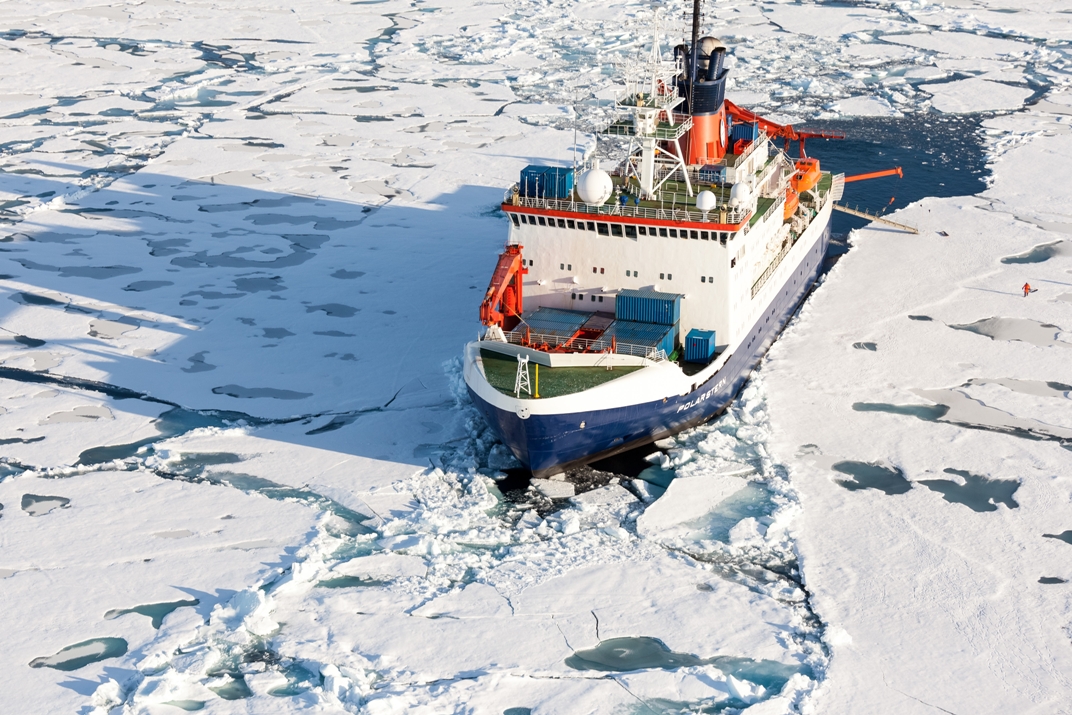
In September 2019, the German research icebreaker Polarstern will set sail from Tromsø, Norway, to spend a year drifting through the Arctic Ocean – trapped in ice. The goal of the MOSAiC expedition is to take the closest look ever at the Arctic as the epicenter of global warming and to gain fundamental insights that are key to better understand global climate change.

In essence Polarstern will be following in the illustrious footsteps of Tara and Fridtjof Nansen‘s Fram before her, but with vastly more scientists in attendance than previous transpolar drift expeditions.

Hundreds of researchers from 19 countries take part in this exceptional endeavour. The MOSAiC expedition will bring a modern research icebreaker close to the north pole for a full year including for the first time in polar winter. The data gathered will be used by scientists around the globe to take climate research to a completely new level.

The expedition also bears a lot of resemblance to the more recent Norwegian Young Sea ICE Expedition, during  which R/V Lance drifted embedded in winter sea ice, albeit nearer the North Atlantic.

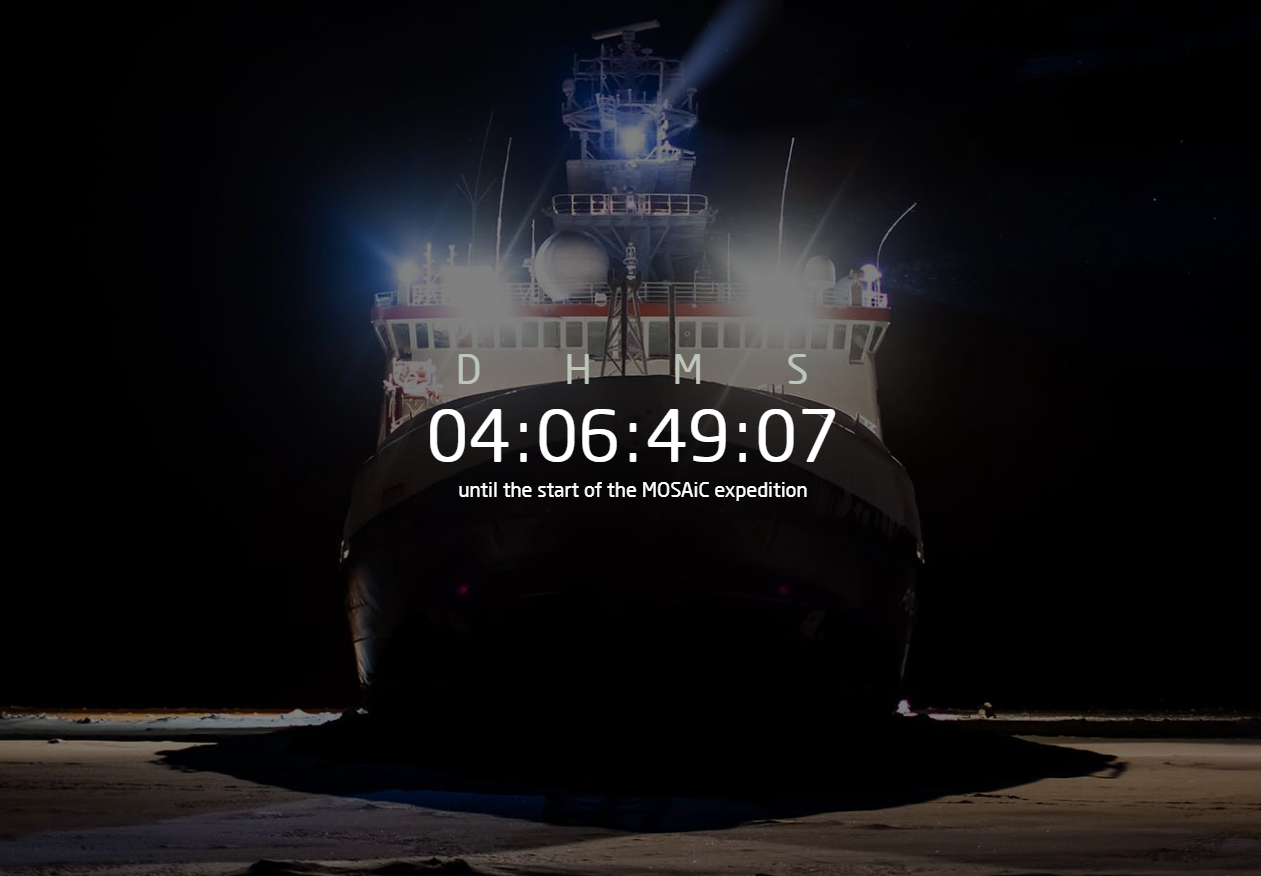
The countdown to “the largest polar expedition in history” has begun:

Here’s an infographic to help explain what happens next:

[Edit – September 20th]

The moment has arrived. The countdown is complete and the MOSAiC expedition begins today. According to the expedition web site:

After a decade of preparations, it’s finally time: this evening at 8:30 p.m. the German icebreaker Polarstern will depart from the Norwegian port of Tromsø. Escorted by the Russian icebreaker Akademik Fedorov, she will set sail for the Central Arctic. On board researchers will investigate a region that is virtually inaccessible in winter, and which is crucial for the global climate. They will gather urgently needed data on the interactions between the atmosphere, ocean and sea ice, as well as on the ecosystem. Thanks to the collaboration between international experts, the one-year-long ice drift past the North Pole will take climate research to a completely new level.

At the launch of MOSAiC Markus Rex, Head of the expedition from the Alfred Wegener Institute said that:

This mission is ground breaking. Never before has there been such a complex Arctic expedition.  For the first time we will be able to measure the climate processes in the Central Arctic in winter. And so for the first time we will be able to understand this region and correctly represent it in climate models. The Arctic is the epicentre of global warming and has already undergone dramatic changes. And it is the weather kitchen for our weather in Europe. Extreme weather conditions like outbreaks of cold Arctic air here in winter, or heat waves in summer are linked to the changes in the Arctic. At the same time, the uncertainties in our climate models are nowhere bigger than in the Arctic. There aren’t any reliable prognoses of how the Arctic climate will develop further or what that will mean for our weather. Our mission is to change that.

Here’s the Alfred Wegener Institute’s 3 hour plus recording of the send off for Polarstern and Akademik Federov from Tromsø:

Here too are some alternative sources of information about the expedition:

BBC – https://www.bbc.co.uk/news/science-environment-49760460

Guardian –  https://www.theguardian.com/science/2019/sep/20/climate-scientists-prepare-largest-ever-arctic-expedition

New York Times – https://www.nytimes.com/2019/09/19/climate/mosaic-expedition-arctic.html

[Edit – September 29th]

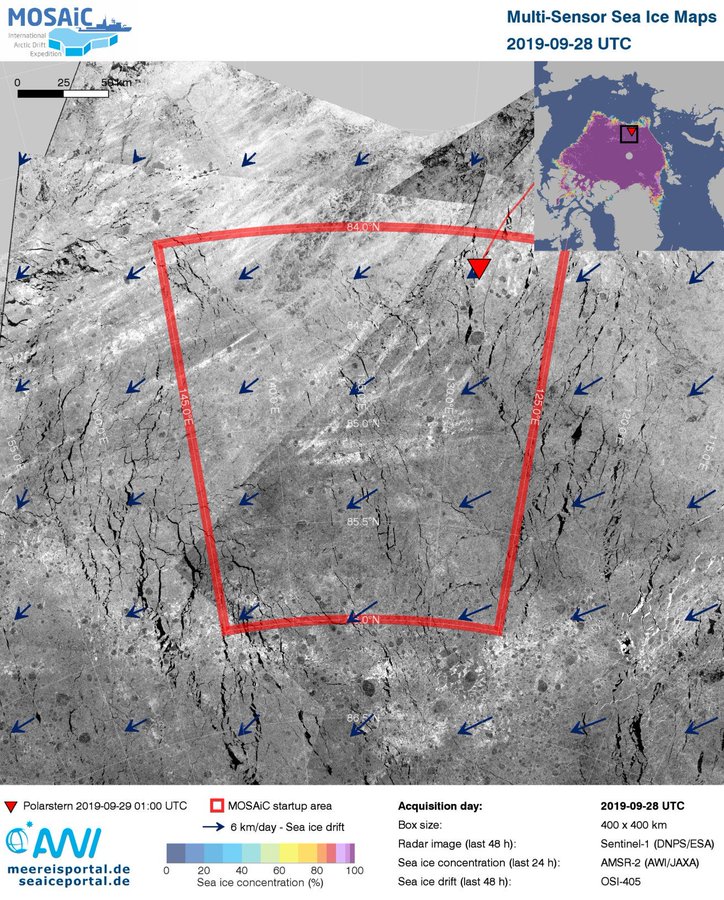
Polarstern is now within the initial target area, and is looking for a suitable ice floe to  which she can attach herself:

[Edit – October 2nd]

Polarstern and Akademik Fedorov are still searching for a suitable sea ice floe:

[Edit – October 4th]

According to an article by Janek Uin  from Brookhaven National Laboratory on the United States’ Department of Energy Atmospheric Radiation Measurement web site:

We finally found the piece of ice that will be the home for Polarstern for the next year. It’s a floe a few kilometers in diameter and with thickness ranging from half a meter to a few meters. Several ice floes were surveyed via helicopters from both icebreakers and by teams of scientists taking measurements on ice before a decision to pick this one was made. Now the two icebreakers are tied together as equipment, fuel, and people are transferred between the ships in preparation for deployment. While it’s exciting to see many new faces on Polarstern, we also had to say goodbye to some of the friends we had made on our way here.

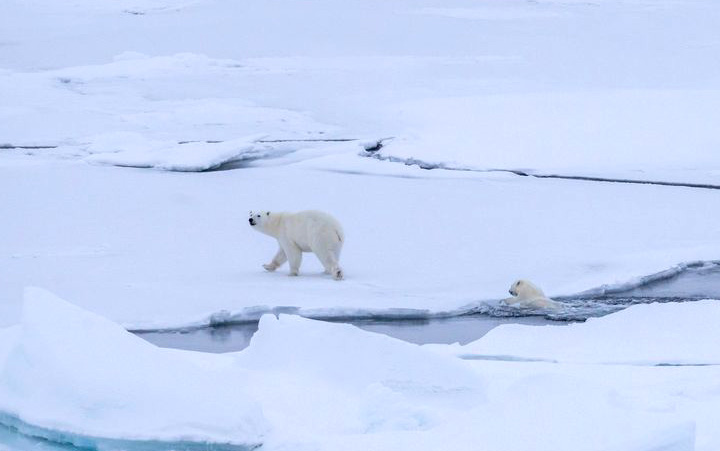
There was also a lot of excitement today as two polar bears—a mom with her cub—wandered very close to Polarstern. Everybody who could rushed to the deck to try to capture photos of them in the diminishing daylight.

[Edit – October 7th]

Via the MOSAiC Expedition Twitter feed:

Watch this space!