Monthly Archives: April 2018

Facts About the Arctic in April 2018

First of all Wipneus has been very quick off the mark this month with his PIOMAS gridded thickness map. Here is what it reveals for the last day of March:
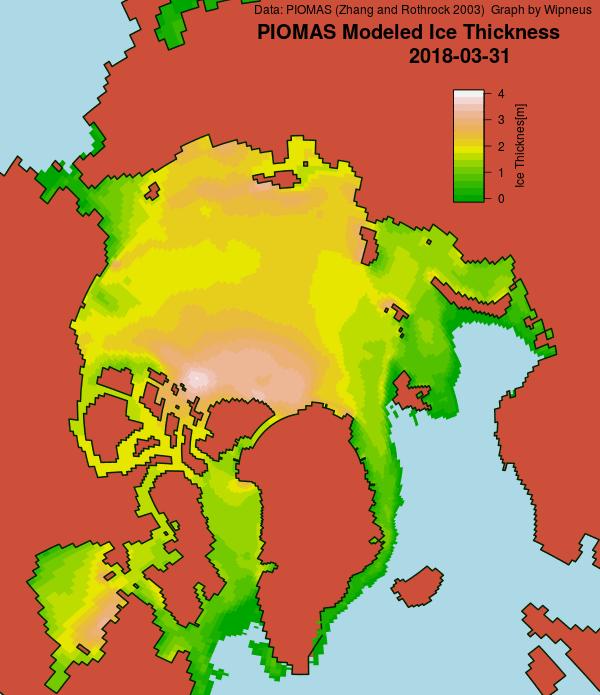
PIOMAS-20180331

Here too is the latest PIOMAS volume graph:
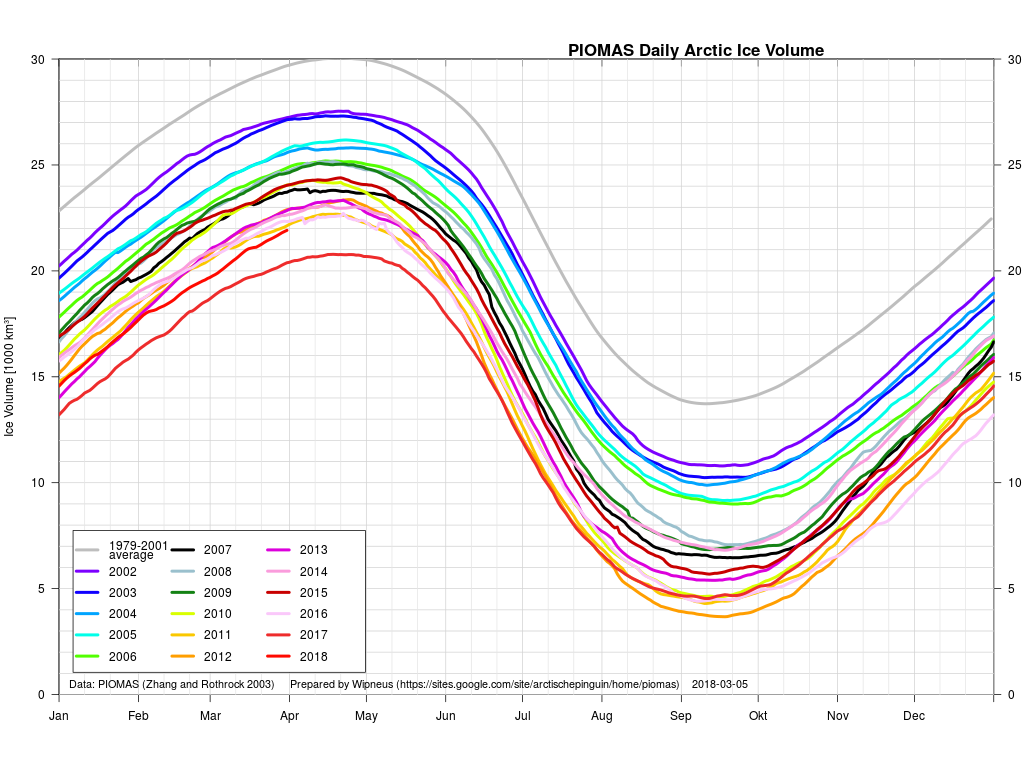
PIOMAS-volume-20180331

together with the associated anomaly graph:
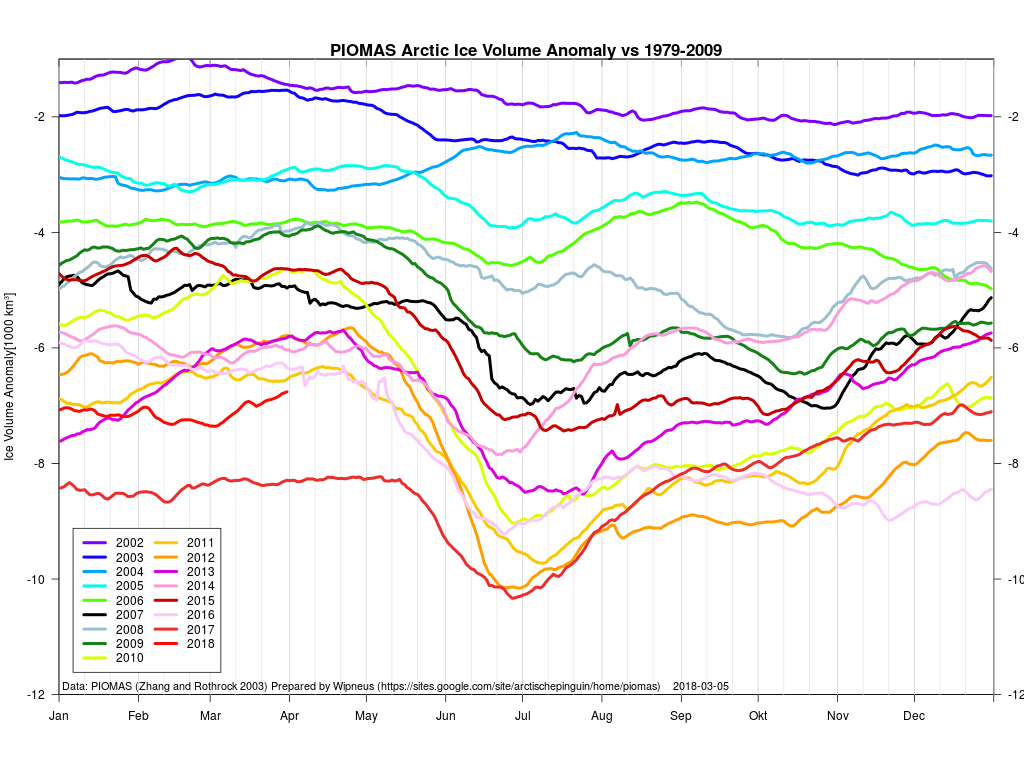
PIOMAS-anomaly-20180331

They show 2018 still in second lowest position, albeit much closer to third place than last year’s line, which is currently leading the pack by a considerable margin.

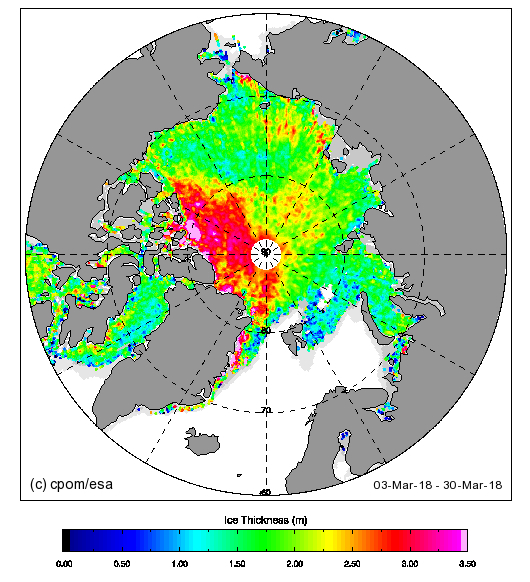
By way of comparison here are the current Arctic sea ice thickness maps from SMOS:
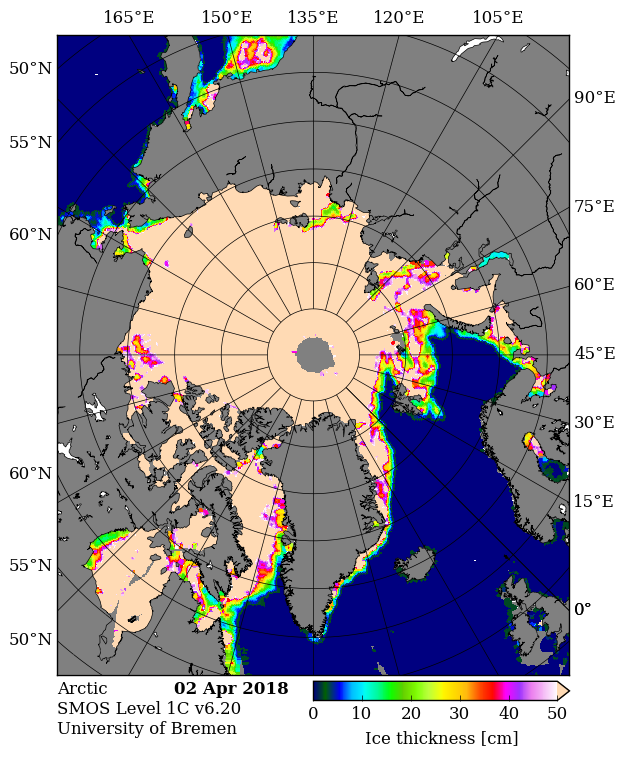
SMOS-thkness-20180402

and CryoSat-2:

CryoSat-20180330

All eyes are still on the Bering and Chukchi Seas, where significant extent declines look likely over the coming days.


[Edit – April 4th]

The official PIOMAS graph including March 2018 is now available:
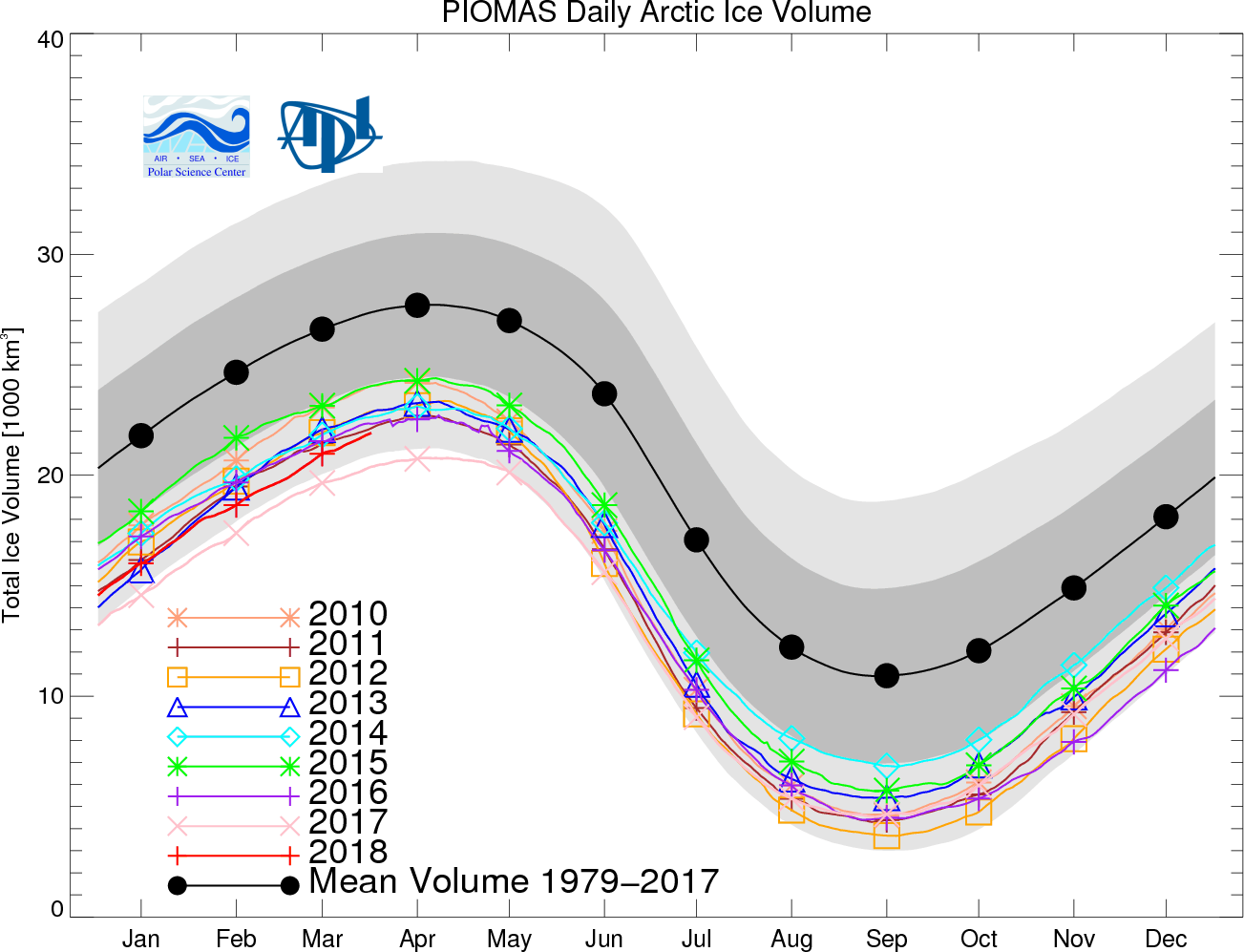
BPIOMASIceVolumeAnomalyCurrentV2.1_20180331

Meanwhile, according to NIPR/JAXA, Arctic sea ice extent is once again lowest for the date since their records began:
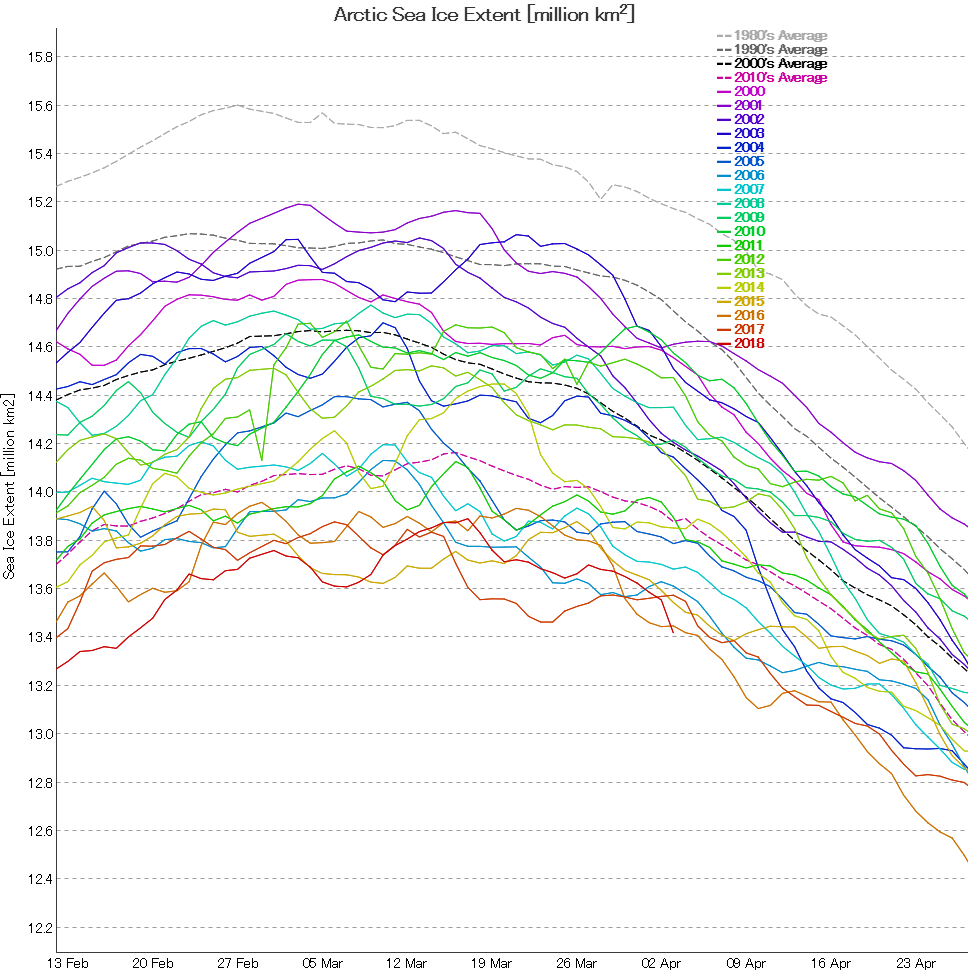
VISHOP_Ext_20180404


[Edit – April 6th]

The NSIDC 5 day averaged extent is now in “lowest in our records” territory:

Charctic-20180406

Meanwhile “JAXA” extent has just edged above 2016!


[Edit – April 11th]

The focus has been on the Bering and Chukchi Seas until now. However there were clear skies over the Mackenzie Delta yesterday, revealing some open(ish) areas in the Beaufort Sea:
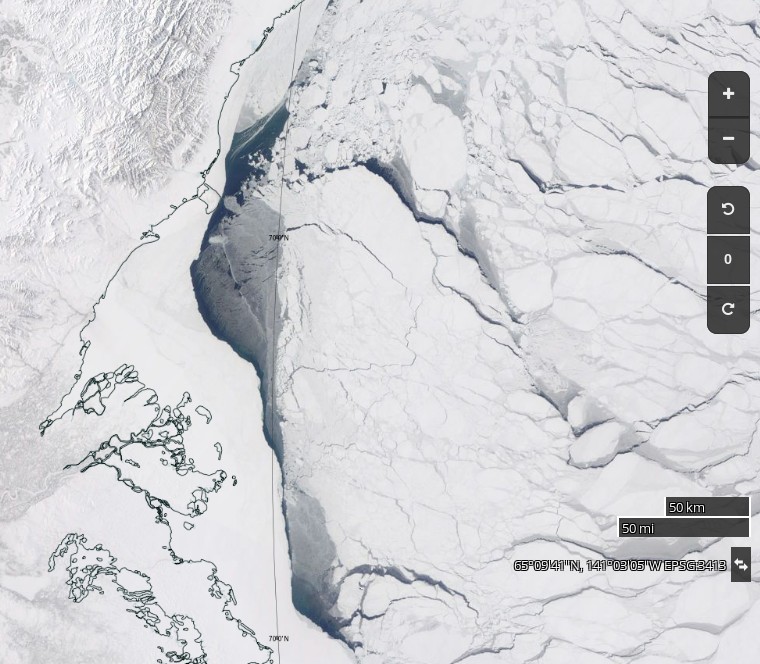
NASA Worldview “true-color” image of the Beaufort Sea on April 10th 2018, derived from the MODIS sensor on the Terra satellite

There’s only the merest hint of a blip on the area graph so far though:
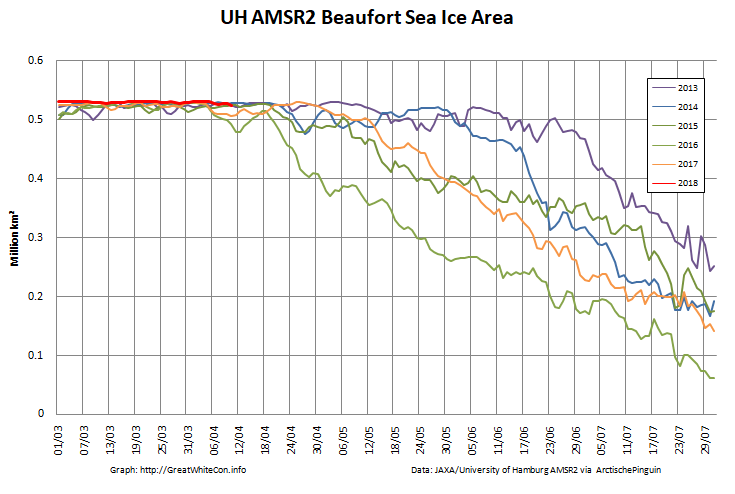
UH-Beaufort-Area-2018-04-10

It will be interesting to see if the decline in Beaufort Sea area continues from here, or whether this year’s “flatline” resumes and continues for a while longer.


[Edit – April 19th]

It’s not so apparent on the other extent metrics, but as the periphery melts the high resolution AMSR2 version looks to be heading into virgin territory on the downside:
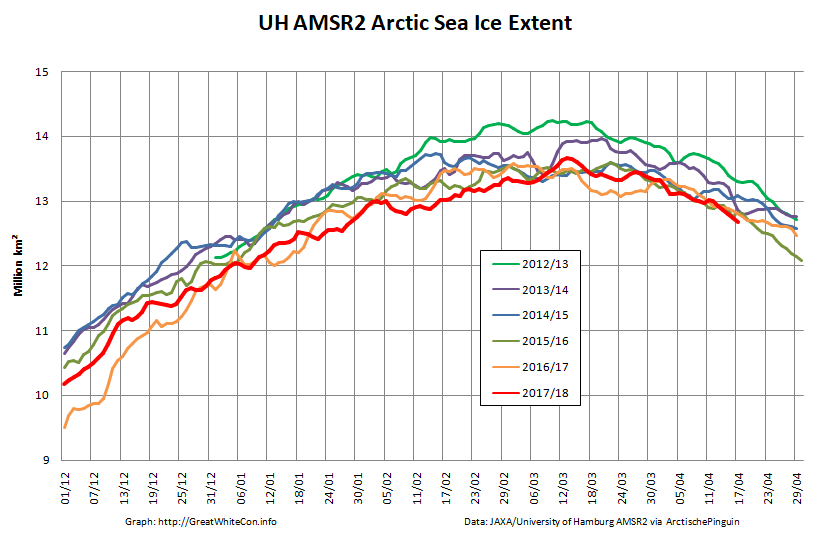
UH-Arctic-Extent-2018-04-18

HMS Trenchant Surfaces at Ice Camp Skate for ICEX 2018

In certain quarters it is being claimed in slightly strange English that:

The British Navy takes part in ICEX exercises that take place every two years and last for several weeks. Royal Navy submarine HMS Trenchant broke through the Arctic ice about seven days ago to join two US submarines for the exercise. At the same time, US submarines Hartford and Connecticut were stuck in the Arctic ice as they were training an attack on Russia. According to the legend of the exercises, the US submarines were supposed to surface and strike conditional targets in Russia, but the thick ice prevented them from fulfilling the scenario of the exercise.

However according to Her Majesty’s Royal Navy web site:

Royal Navy submarine HMS Trenchant has broken through the metre-thick ice of the Arctic Ocean to join two US boats on major exercise.

Ice Exercise 18 (ICEX) is a series of demanding trials in the frigid climate of the Arctic Circle, designed to test submariners’ skills in operating under the Arctic ice cap.

HMS Trenchant joins US submarines USS Connecticut and USS Hartford for the drills, co-ordinated by the US Navy’s Arctic Submarine Laboratory.

This combined team of military staff and scientists run the testing schedule from an ice camp established on an ice floe in the Arctic Ocean, north of Alaska.

Here is a video recording of HMS Trenchant getting “stuck in the Arctic ice”:

https://youtu.be/3EF3_plp8NQ

Here are some US Navy videos that reveal exactly how USS Connecticut and USS Hartford also became “stuck in the Arctic ice”:

According to a United States’ Department of Defense article on Ice Camp Skate:

Ice Camp Skate is a temporary ice camp that was established on a sheet of ice in the Arctic Ocean, known as an ice floe. Skate will serve as a temporary command center for conducting submarine operations, including under-ice navigation and torpedo exercises. The camp consists of shelters, a command center, and infrastructure to safely house and support more than 50 personnel at any one time.

The camp gets its namesake from USS Skate, the first submarine to surface through open water surrounded by ice in 1958, and the first submarine to surface through the Arctic ice at the North Pole in March 1959. Since the success of Skate’s surfacing, Arctic operations have been a crucial part of the missions conducted by nuclear submarines.

For more than 70 years, submarines have conducted under-ice operations in the Arctic regions in support of interfleet transit, training, cooperative allied engagements and routine operations.

The U.S. submarine force has completed more than 27 Arctic exercises.


[Edit – April 10th]

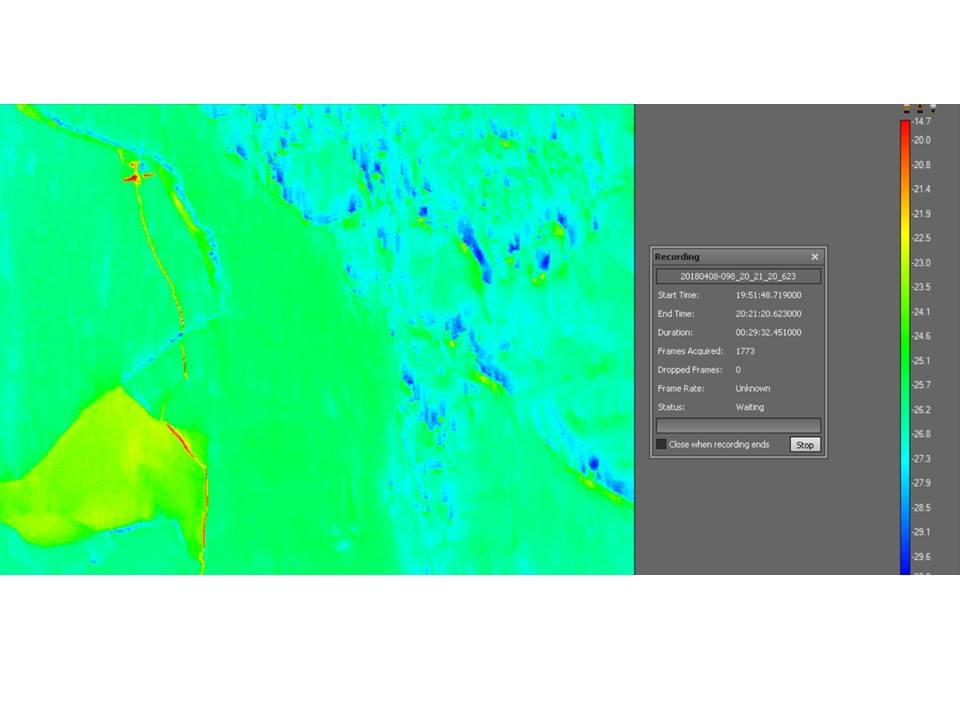
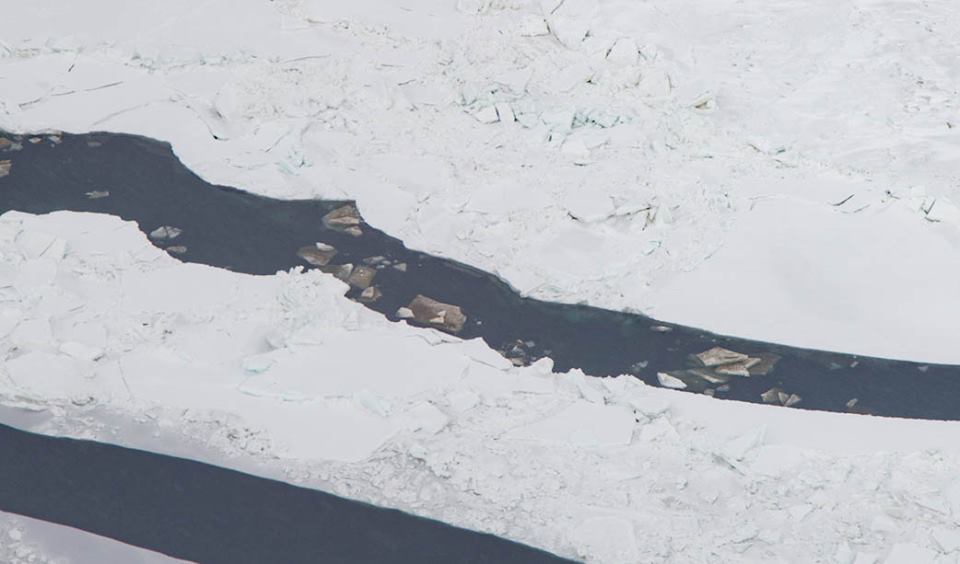
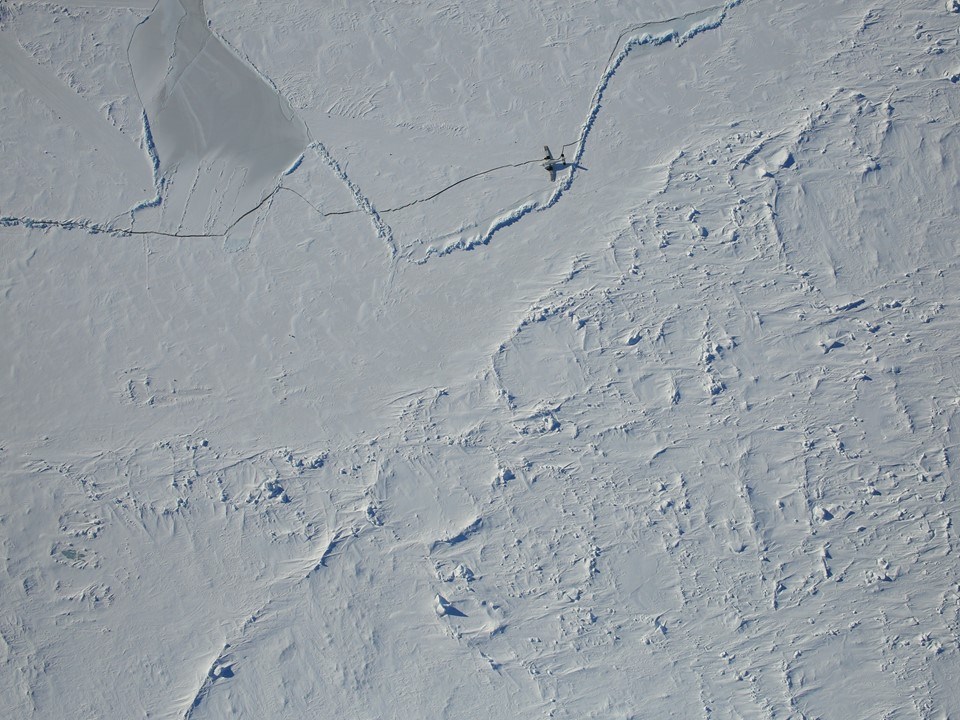
NASA’s Operation IceBridge have released some images of the now abandoned ICEX 2018 site on their Facebook page. They include a damaged and apparently abandoned Twin Otter aircraft:

IceBridge-20180408-Plane

IceBridge-20180408-ICEX

IceBridge-20180408-Lead