Over recent months I have made a wide variety of comments on some of David Rose’s articles published on The Mail Online. Around half of them never saw the light of day.
Here is some recent correspondence about this controversial issue:
Them:
Thank you for your email, and my apologies for the delay in the reply. I have looked into your account to see why your comments are not being published. Out of the 12 comments that you have submitted six have been published. The other comments were not published because they contain a URL to an external website/ blog, which breaks our house rules.
Rule 9: No linking or copyright infringement – You must not insert links to websites (URLs) or submit content which would be an infringement of copyright.
http://www.dailymail.co.uk/home/house_rules.html
I hope that this answers your question on the publication of your comments. If you have any further questions please feel free to contact me directly and I will be able to help you.
Regards
Me:
Thanks for your admittedly belated reply.
Please explain to me how linking to an article I myself wrote is in any way an infringement of anyone’s copyright.
Please also explain to me how a comment of mine that contained no links somehow never managed to make it out of your moderation queue.
http://econnexus.org/the-strange-tale-of-the-mail-and-the-snow-dragon/
Thanks in advance.
Them:
Thanks for your email. The house rules state that you must not insert any links, of any sort. The reason that your other comment was rejected was because it was directing our readers to your website, albeit by not adding the link, but still advertising your website by trying to get round our filters.
I hope this answers your questions.
Regards
Me:
Thanks for that additional information, but it doesn’t answer all my questions. In fact it raises some more.
“The house rules state that you must not insert any links, of any sort”
In that case I suggest you clarify your house rules. Your rule 9 currently states that:
“You must not insert links to websites (URLs) or submit content which would be an infringement of copyright.”
Which reads to me like “You must not insert links to websites which would be an infringement of copyright.” Maybe an extra comma would be sufficient?
“The reason that your other comment was rejected was because it was directing our readers to your website, albeit by not adding the link, but still advertising your website by trying to get round our filters.”
Your rule 7 states that:
“You must not use our Site for the promotion of any products or services or for any other commercial purpose”
As the URL suggests, econnexus.org is not for profit and has no commercial purpose. It does indirectly “advertise” the likes of charities such as ShelterBox however. Your house rules don’t forbid people from searching the web for further information on the topic(s) of an article do they? I can therefore see no reason why my comment on David Rose’s “Great Green Con #1” was in violation of your house rules. As I explained in my associated blog post, I was in fact endeavouring to find a way to bring to the attention of your readers the content of this URL
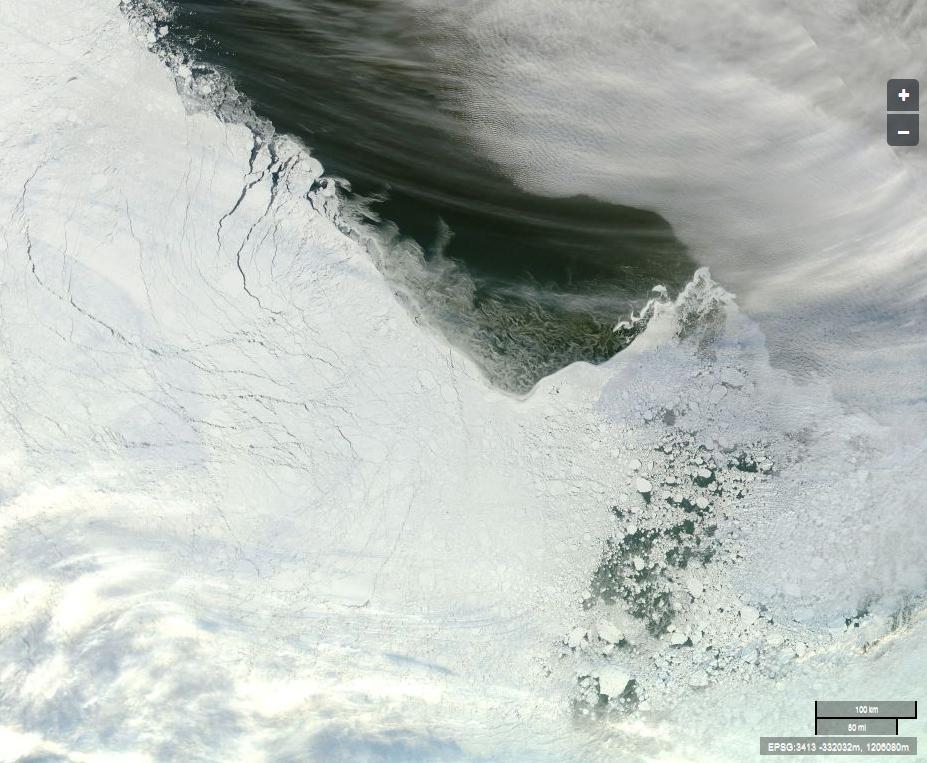
http://portal.inter-map.com/#mapID=49&groupID=297&z=1.0&up=-310610.7&left=2001105.4
which seemed to me to be perfectly fair comment on David Rose’s article. It’s not possible to post images in comments on The Mail Online either is it? How do you suggest I go about putting such relevant information in front of your readers in future, short of building my own authoritative web site full of relevant images on a controversial topic and then contacting the Press Complaints Commission about it?
GreatWhiteCon.info is also not for profit, and carries no advertising of any sort, direct or indirect. Since it seems a direct link is forbidden by your ambiguously worded house rules, how about the phrase “Great White Con dot info” in a comment on The Mail Online for example? For your information the following comment of mine on there doesn’t seem to have fallen foul of your eagle eyed moderators yet, and has even received a certain amount of approbation from your loyal readership:
http://www.dailymail.co.uk/news/article-2415191/Global-cooling-Arctic-ice-caps-grows-60-global-warming-predictions.html?offset=0&max=100#comment-37694863
Can I take it that using that form of words is acceptable to The Mail? I would appreciate a prompt response, since based on past performance I anticipate that you will be closing the comments section below David Rose’s most recent “economical” article in the near future.
Best wishes
Them:
Thanks for your email. I have no suggestions as to how you can get our readers to your site. I can advise you also that your comment:
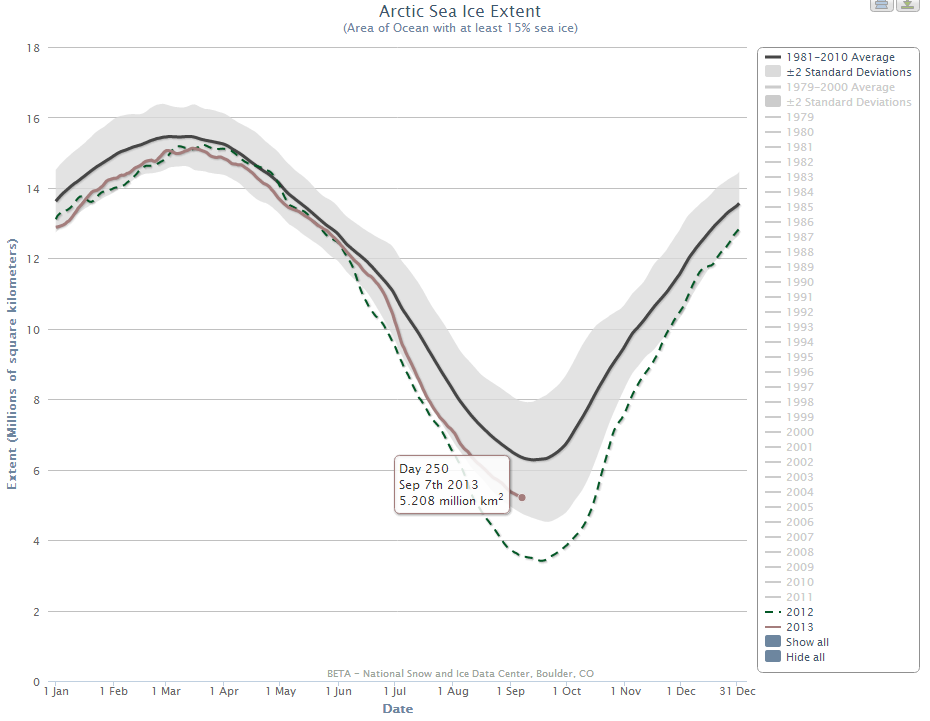
“Whatever the David and Judy show may proclaim today, the facts of the matter are that the increase in Arctic sea ice extent compared to “this time last year” was just HALF of what David Rose said in The Mail on Sunday this time last week. For more information please visit:
Great White Con dot Info”
Was rejected and is not live on our site, so no, in answer to your question, it is not possible to try and get around advertising by writing a link out in words.
There isn’t really much more that I can add to what I have already said. I do hope that if nothing else, I have been able to give you some clarity on why your comments have been rejected.
Regards
Me:
I’m still confused I’m afraid. Just to try and clarify matters, something along the lines of:
“For more info try googling: david rose economical with the truth”
is OK with the Mail’s moderators, but:
“For more information please visit: Great White Con dot Info”
is not, even though GreatWhiteCon.info is an authority about the topic under discussion, and is in no way commercial? Have I got that straight now?
Best wishes
Them:
I would allow neither of those comments.
Regards
Me:
But why not? As far as I can see neither of them contradict the letter of your house rules, and both conform to both the letter and spirit of your rule 1, which states:
“We welcome your opinions. We want our readers to see and understand different points of view. Try to contribute to the thread, rather than just stating if you agree or disagree…. Please explain why you hold your opinion.”
Best wishes
Them:
What you are asking our readers to do is to go to your website which essentially calls our journalist a “liar”. If you want readership for your website I can only suggest thinking up other ways of getting it.
Regards
Me:
You totally fail to understand the point I am attempting to make. After less than a week GreatWhiteCon.info already has a considerable readership. Check out the comments.
The point is that none of them (or certainly very few) found out about it via the Mail Online, despite your rule 1.
Best wishes
Them:
I have received no further reply. I can only assume that comments must now be closed on this topic.